
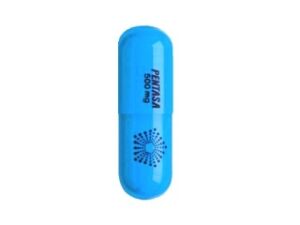

Aciphex (Rabeprazole) — Patient-Friendly Guide (United Kingdom)
Aciphex contains rabeprazole, a medicine used to reduce stomach acid. It belongs to a group called proton pump inhibitors (PPIs). Rabeprazole is commonly used for conditions such as gastro-oesophageal reflux disease (GORD), heartburn, and certain stomach or duodenal ulcers.
This guide explains what Aciphex is, how it works, how to take it safely and effectively, key interactions (including alcohol and other medicines), what to expect, and frequently asked questions relevant to people in the UK. Always follow the advice given by your healthcare professional or the instructions on your package.
At a Glance
- Active ingredient: Rabeprazole
- Medicinal type: Proton pump inhibitor (PPI)
- Main action: Reduces acid production in the stomach
- Common uses: GORD/heartburn, ulcer healing, and acid-related stomach conditions
- How it’s taken: Usually once daily; sometimes twice daily depending on the condition
Basic Product Information
| Feature | What it means for you |
|---|---|
| Brand name | Aciphex |
| Generic name | Rabeprazole |
| Drug class | Proton pump inhibitor (PPI) |
| How it acts | Blocks the “pump” that produces stomach acid |
| Typical strengths | Often 10 mg or 20 mg tablets (strengths can vary by product) |
| Availability in the UK | May be supplied under UK pharmacy and prescribing regulations |
How Aciphex (Rabeprazole) Works (Mechanism of Action)
Rabeprazole reduces stomach acid by blocking H+/K+ ATPase (also called the proton pump) in the stomach lining. This decreases the amount of acid produced, helping to:
- Relieve symptoms of acid reflux and heartburn
- Allow healing of the oesophagus (where acid has damaged tissue)
- Heal stomach and duodenal ulcers
- Improve control of chronic acid-related conditions
Because it targets the final step of acid production, rabeprazole is typically more effective than medicines that only neutralise acid or temporarily block a single receptor.
Pharmacokinetics (What the Body Does to the Medicine)
Understanding how rabeprazole is handled by the body may help you know what to expect.
- Absorption: Rabeprazole is absorbed from the gut after you take a tablet.
- Onset of action: Acid reduction usually begins within hours. Some people notice symptom relief early, while full benefit may take several days.
- Peak effect: It reaches its peak activity relatively soon after dosing, but the effect continues as it blocks pumps formed during the day.
- Metabolism: Rabeprazole is mainly metabolised in the liver by enzyme systems (including CYP pathways).
- Elimination: Metabolites are cleared primarily through the kidneys and other pathways.
Individual response can vary depending on the severity of symptoms, dose, and other medicines you may take.
Typical Use in the UK (Indications)
Rabeprazole is used for a range of conditions linked to acid production. Indications can vary by product licence and local prescribing guidance. Common uses include:
- GORD (Gastro-oesophageal reflux disease): Heartburn and acid reflux symptoms.
- Erosive or ulcerative reflux oesophagitis: Healing and symptom control.
- Stomach and duodenal ulcers: Healing and prevention strategies where appropriate.
- Maintenance therapy: For people with recurrent or ongoing disease as advised.
- Acid hypersecretory conditions: When the stomach produces excess acid (e.g., certain rare disorders).
- Combination therapy for Helicobacter pylori (H. pylori): Sometimes used alongside antibiotics and/or other medicines to eradicate H. pylori (exact regimens depend on local practice and your situation).
How to Take Aciphex: Timing and Dosing
Always follow your clinician’s instructions or the package guidance. Below are general principles, because dosing can differ by condition and age.
Typical dosing patterns
- Once daily dosing: Common for many reflux and ulcer-related indications.
- Twice daily dosing: May be used in specific circumstances (for example, some ulcer regimens or H. pylori eradication strategies, depending on the plan).
- Duration: Many courses are time-limited, but some people require longer-term treatment under review.
When to take it (timing)
Rabeprazole is usually taken once daily in the morning, typically before food. This helps ensure the medicine is available to inhibit the proton pumps that become active after meals.
- Best practice: Take the tablet before breakfast, or at least on an empty stomach.
- If instructed twice daily: Take the second dose before the evening meal if your schedule allows.
- Try to take it at the same time each day for more consistent symptom control.
How to swallow
- Swallow the tablet with water.
- Do not crush or chew unless your specific formulation allows it (check packaging or ask a pharmacist).
What if you miss a dose?
If you forget a dose, take it as soon as you remember unless it is close to your next dose. Do not take a double dose to make up for the missed tablet.
Food Interactions and What to Eat/Drink
Rabeprazole absorption can be influenced by food timing. For best effect, it is generally recommended to take it before meals (commonly before breakfast).
What to consider
- Take before food: This often improves consistency of acid control.
- After taking: You can usually eat normally after the dose.
- GORD lifestyle helps: Avoiding large late meals, and reducing triggers like fatty/spicy foods, can improve symptoms alongside medication.
Alcohol and Rabeprazole (Interactions and Advice)
Alcohol does not directly “cancel out” rabeprazole in the way some medicines do, but it can worsen reflux and heartburn by irritating the oesophagus and affecting stomach function.
- Alcohol may increase symptoms: Even if acid is reduced, alcohol can trigger reflux episodes.
- Consider moderation: If you notice your heartburn flares after alcohol, reducing or avoiding alcohol may improve control.
- Safety: Do not use alcohol to self-treat persistent or severe symptoms.
Medicine Interactions (Important)
Interactions can change how well medicines work or increase side effects. Tell your pharmacist or clinician about all medicines you use, including over-the-counter products and herbal supplements.
Medicines affected by changes in stomach acidity
By reducing stomach acid, rabeprazole may affect absorption of certain medicines. This is particularly relevant for drugs that require acid to absorb properly.
- Some antifungals (e.g., ketoconazole/itraconazole) may absorb differently at higher pH.
- Some antiretrovirals may interact due to acidity changes.
- Iron absorption and some supplements may be affected for some individuals.
Potential liver enzyme involvement
Rabeprazole is metabolised in the liver, so medicines that strongly influence these enzyme systems may alter levels. Examples can include certain anticonvulsants and antibiotics, though the clinical significance varies.
Special “watch-outs” to discuss with a healthcare professional
- Clopidogrel: Some acid-suppressing medicines have been discussed in relation to clopidogrel effectiveness. If you take clopidogrel, seek advice on whether rabeprazole is appropriate and whether monitoring is needed.
- Warfarin (and other anticoagulants): PPIs can sometimes require closer monitoring of clotting tests.
- Methotrexate (especially high-dose regimens): Acid suppression can be relevant to methotrexate handling, and extra monitoring may be recommended.
- Digoxin: Stomach acid changes can influence absorption in some cases.
This is not a complete list. Always confirm with a pharmacist if you are unsure, particularly if you take multiple long-term medicines.
Safety Profile: Common Side Effects and When to Seek Help
Most people tolerate rabeprazole well. Like all medicines, it can cause side effects in some individuals. If symptoms persist or worsen, seek advice.
Common side effects
- Headache
- Diarrhoea or looser stools
- Nausea
- Abdominal pain or discomfort
- Flatulence
Less common but important effects
- Rash, itching, or other allergic-type reactions
- Dizziness
- Changes in liver blood tests (usually detected by lab monitoring)
Seek urgent medical advice if
- You have signs of a serious allergic reaction (e.g., swelling of face/lips, difficulty breathing).
- You develop severe or persistent diarrhoea (especially with fever or blood), as this may indicate infection.
- You experience unexplained weight loss, difficulty swallowing, vomiting blood, or black stools (these can be warning signs requiring prompt assessment).
- Your symptoms do not improve after the recommended course or return quickly.
Long-term use considerations
For people who need PPIs for longer periods, healthcare professionals typically review whether ongoing treatment is still appropriate, using the lowest effective dose and reassessing periodically.
Practical Use Tips (Get the Best Results)
- Take it before food for best results (commonly before breakfast).
- Give it time: Some symptoms improve quickly, but complete control can take several days.
- Continue the course unless told to stop—stopping early can lead to symptom return.
- Pair with lifestyle changes: Smaller meals, avoid late eating, elevate the head of the bed if needed, and reduce known triggers.
- Track symptoms: Note timing of heartburn/reflux and any triggers to help identify patterns.
- Check what you’re taking: If you take multiple medicines, ask a pharmacist to review interactions.
Recent Guidance and Clinical Approach in the UK
In the UK, management of reflux and related conditions typically follows evidence-based recommendations from bodies such as NICE and gastroenterology guidance. Overall themes include:
- Confirming the diagnosis when symptoms are persistent or complicated.
- Using the lowest effective dose and reviewing the need for continued therapy over time.
- Reviewing long-term PPI use to avoid unnecessary treatment where symptoms have resolved.
- Assessing “alarm symptoms” (e.g., weight loss, difficulty swallowing, bleeding) promptly rather than relying only on medication.
- Addressing lifestyle factors alongside medicine to improve outcomes.
If your symptoms are new, severe, or associated with red-flag signs, you may need assessment rather than self-managing.
Alternative Options (What Else May Help)
Depending on your diagnosis and symptom severity, there are several alternatives or add-ons. Your pharmacist or clinician can help choose the best option.
Other acid-reducing medicines
- Other PPIs: such as omeprazole, lansoprazole, esomeprazole, and pantoprazole.
- H2 receptor antagonists: e.g., famotidine (may provide shorter-lasting relief for some people).
- Antacids: fast, short-term neutralisation for occasional symptoms.
Non-medicine approaches
- Lifestyle changes (meal size/timing, weight management if appropriate, trigger avoidance).
- Bed elevation for nighttime symptoms.
- Reviewing contributing medicines with a clinician (some medicines can worsen reflux in certain people).
Switching between PPIs
If one PPI is not effective or causes side effects, switching to another PPI may sometimes help. This should be done with appropriate advice, especially for long-term use.
UK Market and Legal/Regulatory Context (General Overview)
In the United Kingdom, medicines are regulated under the medicines framework administered by the Medicines and Healthcare products Regulatory Agency (MHRA). Availability through pharmacies and online services depends on the legal category of the product and applicable regulations.
Where a medicine is supplied through pharmacy channels, it may be available as a stocked item, an online order, or through other regulated supply routes depending on local rules and the exact product presentation.
If you’re unsure whether your intended product is appropriate for your condition, speak with a pharmacist. They can also advise on safety checks and whether referral for assessment is needed.
Delivery and Availability (What to Expect)
Online pharmacies typically offer delivery across the UK. Delivery options, costs, and times may vary based on:
- Your location (region and post code)
- Stock availability
- Whether the product is dispatched from a UK fulfilment centre
- Courier service used
Your order confirmation and dispatch updates will usually provide tracking details where available. If you need urgent supply for ongoing symptoms, check the estimated delivery timeframe before ordering.
Storage and Handling
- Keep in the original package to protect from moisture and light.
- Store at room temperature as stated on the packaging.
- Keep out of the sight and reach of children.
- Do not use after the expiry date shown on the pack.
Frequently Asked Questions (FAQ)
1) How quickly will Aciphex (rabeprazole) work?
Many people notice improvement within a few days. However, full symptom control may take up to several days, depending on the condition being treated and the severity of reflux or ulceration.
2) Should I take it every day?
If you have been advised to use it daily, it’s usually meant to be taken consistently to maintain acid control. Do not stop early unless your clinician or pharmacist tells you to.
3) Can I take Aciphex with food?
For best effect, rabeprazole is typically taken before meals, commonly before breakfast. If your routine is difficult, ask a pharmacist for practical guidance, but avoid taking it at random times if possible.
4) Is it safe to drink alcohol while taking rabeprazole?
Alcohol may worsen reflux symptoms in some people even if acid is reduced. If you drink and notice symptom flares, reducing or avoiding alcohol may help.
5) What if I’m taking other medicines?
Tell your pharmacist about all medicines and supplements you use. Some medicines may be affected by changes in stomach acidity or by liver metabolism. If you’re unsure, ask before starting or combining treatments.
6) Are there warning signs I should not ignore?
Yes. Seek urgent medical advice if you have signs such as vomiting blood, black/tarry stools, unexplained weight loss, trouble swallowing, or severe/persistent symptoms that don’t improve.
7) Can I use Aciphex long-term?
Some people do require long-term PPI treatment, but it should be reviewed periodically to ensure the lowest effective dose and the right ongoing plan. Your clinician may attempt dose reduction or step-down therapy when appropriate.
8) Can I take an antacid as well?
Many people can use antacids for occasional breakthrough symptoms, but if symptoms are frequent or escalating, you may need review. Ask your pharmacist about what is suitable for you.
9) Will rabeprazole cause dependence?
PPIs are not the same as dependency-forming medicines. However, stopping abruptly can lead to a return of symptoms in some people due to rebound changes in acid regulation. If you’re planning to stop, discuss a tapering or review plan with a healthcare professional.
10) Who should be extra cautious?
Extra caution is advised if you have significant liver disease, a history of severe gastrointestinal infections, low magnesium or other electrolyte issues, or if you take interacting medicines such as anticoagulants or certain antiplatelet/immune therapies. Your pharmacist can help check compatibility.
When to Speak to a Pharmacist or Clinician
Consider speaking to a healthcare professional if you:
- Have symptoms that persist despite recommended use
- Have alarm features (bleeding, difficulty swallowing, weight loss, severe pain)
- Need the medicine for longer than the recommended course without review
- Have multiple long-term conditions or take several medicines regularly
- Are considering combination treatment (e.g., H. pylori regimens) and want to understand the plan
Aciphex (rabeprazole) can be a valuable treatment for acid-related conditions when used correctly. Taking it at the right time, continuing the recommended course, and reviewing your symptoms regularly can help you get the best possible results.