Nexium (Esomeprazole) – Patient-Friendly Guide (UK)
Nexium contains esomeprazole, a medicine used to reduce stomach acid. It is commonly used for conditions such as reflux (heartburn), acid-related indigestion and ulcer disease. This guide explains how Nexium works, how to take it, important interactions, and practical tips to get the best results.
Basic product information
- Active ingredient: Esomeprazole
- Medicine type: Proton pump inhibitor (PPI)
- Common uses: Gastro-oesophageal reflux disease (GORD/acid reflux), oesophagitis, ulcers, and prevention of acid-related problems in specific situations
- Brand: Nexium
- Where to find it (UK): Available via pharmacies and online retailers depending on formulation and strength
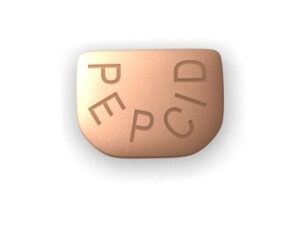
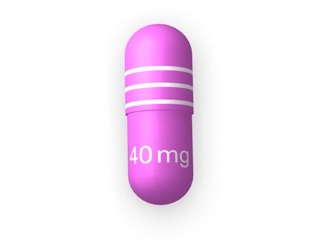
Nexium is available in different strengths and formulations depending on the country and product line (for example, delayed-release tablets and other presentations for specific needs). Always check the pack for the exact strength and instructions.
How Nexium works (mechanism of action)
Esomeprazole belongs to a group called proton pump inhibitors (PPIs). It reduces the amount of acid your stomach makes by blocking an enzyme system in the stomach wall called the proton pump.
Unlike medicines that neutralise acid already in the stomach, PPIs reduce acid production at its source. This leads to healing of acid-related inflammation and longer relief from symptoms such as heartburn and regurgitation.
Pharmacokinetics (how the body handles esomeprazole)
While the exact details vary between individuals, the key practical points for patients are:
- Delayed onset: PPIs work best when taken before meals because they activate in an acidic environment and then block acid pumps during meal-time acid production.
- Absorption: Esomeprazole is absorbed after you swallow it, with delayed-release formulations designed to protect the drug until it reaches the right area of the gastrointestinal tract.
- Metabolism: It is metabolised in the liver (primarily via CYP enzymes) and removed from the body.
- Duration of effect: Although the medicine leaves the body over time, the inhibition of acid pumps can last into the next day, which is why daily dosing is common.
What Nexium is used for (indications)
Nexium is used to treat conditions where reducing stomach acid helps heal inflammation, relieve symptoms, or prevent complications. Common indications include:
- GORD (acid reflux): Relief of heartburn and regurgitation; treatment of reflux symptoms.
- Erosive reflux oesophagitis: Inflammation or damage to the food pipe (oesophagus) caused by acid.
- Gastric and duodenal ulcers: Healing of ulcers and reduction of acid to help recovery.
- Prevention of ulceration in selected patients: For example, in people taking certain medicines that increase ulcer risk (such as non-steroidal anti-inflammatory drugs/NSAIDs) under appropriate medical advice.
- Zollinger–Ellison syndrome (rare): A condition with overproduction of stomach acid (specialist-led management).
Product availability and the exact approved indications can differ by formulation and strength in the UK. If you are unsure whether Nexium is suitable for your condition, check the pack instructions or speak to a pharmacist.
Typical use and when it starts to work
Many people notice improvement within a few days, but PPIs often reach full effect after several days of regular use. For reflux symptoms, healing can take longer (especially if there is oesophageal inflammation).
- Heartburn relief: often starts within the first few days
- Symptom control: typically improves with continued daily dosing
- Healing of inflammation: may require several weeks, depending on the condition
How to take Nexium (dosing and timing)
The exact dose depends on the condition, product strength, and the specific formulation. Always follow the instructions on your pack or professional advice from a healthcare professional.
General timing rules (very important)
- Take in the morning, ideally at least 1 hour before food. This helps ensure the medicine is active when the stomach begins producing acid for the day’s first meal.
- If your schedule allows, take it around the same time each day.
- If you have been advised to take it twice daily for certain conditions, follow the schedule on your label (commonly before breakfast and before evening meal).
How to swallow
- Swallow the tablet(s) whole with water. Do not crush or chew unless your specific formulation and instructions say it is safe to do so.
- If you have trouble swallowing, ask a pharmacist whether an alternative formulation is available or appropriate for you.
Example dosing (for general understanding)
The most appropriate dosing for you depends on the exact product and your situation. Below is an illustrative overview of how PPIs are commonly used in the UK; always confirm the dose on your own pack.
| Condition (examples) | Typical PPI approach | Timing | Notes |
|---|---|---|---|
| Mild reflux symptoms | Often once daily for a limited course | Before breakfast | If symptoms persist, seek further advice rather than extending indefinitely. |
| Frequent GORD symptoms | Once daily; dose may be adjusted based on response | Before breakfast | Review ongoing need periodically. |
| Erosive reflux oesophagitis | Usually a daily course; may be longer | Before breakfast | Complete the course as advised to allow healing. |
| Ulcer treatment or prevention in selected cases | Based on ulcer type and risk; may be once or twice daily | Before meals | Underlying risk factors should also be managed. |
Food interactions and lifestyle factors
Food timing is the key interaction for Nexium. Taking a PPI with or after meals can reduce the effectiveness because fewer pumps are active when the drug reaches them.
What to do
- Take Nexium before food, not after.
- If you miss a dose, take it as soon as you remember if it is still before your next meal. If it is close to the next scheduled dose, skip the missed dose and resume normally.
Can you take it with food?
It is not the ideal approach. For best results, take it according to the pack instructions. If you consistently struggle with morning dosing, ask your pharmacist about the best timing for your routine.
Alcohol and medicine interactions
Alcohol
Alcohol does not directly “neutralise” Nexium’s mechanism, but it may worsen reflux symptoms for some people by irritating the oesophagus or increasing the likelihood of symptoms. If you notice symptoms flare after drinking, consider reducing alcohol and avoiding it close to bedtime.
If you have a history of ulcers or stomach bleeding, be cautious with alcohol intake and seek medical advice if symptoms change.
Medication interactions (important)
Esomeprazole can interact with other medicines, often by changing stomach acidity or through effects on liver enzymes. Tell a healthcare professional about all medicines you take, including over-the-counter products and herbal remedies.
- Medicines affected by acid levels: Some drugs require stomach acid to absorb properly. Reduced acid may lower absorption for certain medicines. Examples may include some antifungals and other medicines (the exact list depends on what you use).
- Antiplatelet medicines (clopidogrel): PPIs may reduce activation of clopidogrel in some circumstances. If you take clopidogrel, ask a pharmacist which PPI is preferred and whether any monitoring is needed.
- Methotrexate: High-dose methotrexate used in some conditions may have increased levels when combined with PPIs. Extra caution may be required, especially with higher doses.
- Warfarin (and other vitamin K antagonists): Some patients may require closer monitoring of INR when starting or stopping PPIs.
- Atazanavir and other HIV medicines: Acid suppression can affect absorption and antiviral activity; specialist advice is often needed.
- Digoxin: Reduced stomach acidity can sometimes increase absorption of digoxin; monitoring may be required.
- Enzyme-interacting medicines: Certain drugs can affect how esomeprazole is metabolised, potentially changing its effect.
This is not a complete list. Always check the pack leaflet and, if unsure, ask a pharmacist—especially if you take long-term medicines.
Safety profile and possible side effects
Most people tolerate Nexium well. Side effects, when they occur, are typically mild and improve after treatment stops. The likelihood and type of side effects can depend on the dose, duration, and your overall health.
Common side effects
- Headache
- Diarrhoea or constipation
- Nausea
- Abdominal pain or discomfort
- Flatulence (wind)
Less common but important effects
- Skin rash, itching, or other signs of allergy
- Dizziness
- Infections of the gut (especially after long courses), such as diarrhoea due to changes in gut flora
Rare but serious warning signs
Seek urgent medical advice if you experience:
- Allergic reactions such as swelling of the face/lips, severe rash, or difficulty breathing
- Severe or persistent diarrhoea, especially with fever or blood
- Signs of serious stomach/oesophagus problems such as vomiting blood or black/tarry stools
- Unexplained weight loss, trouble swallowing, persistent vomiting, or new/worsening symptoms after long-term reflux
Long-term safety (UK patient perspective)
PPIs are often prescribed for longer courses when needed. If you use PPIs for months or years, it is sensible to have regular reviews to confirm you still need them and use the lowest effective dose.
Long-term use has been associated with certain risks in some patients (for example, low magnesium or vitamin deficiencies, and changes that may increase infection susceptibility). These risks are not guaranteed and should be discussed with a pharmacist or GP when relevant.
Practical use tips (to get the best results)
- Be consistent: Take it at the same time each day.
- Time it correctly: Take before breakfast (or before your main meals) rather than after eating.
- Give it time: If symptoms are mild, you may notice improvement quickly, but full benefit may take several days.
- Don’t stop too early: If you were advised to complete a course, finish it unless a clinician advises otherwise.
- Track triggers: Identify foods or habits that worsen reflux (spicy foods, late meals, large portions, bending after meals).
- Raise head of bed: For night-time reflux, raising the head of your bed may help.
When to seek medical advice
Although Nexium can help many people, reflux symptoms sometimes overlap with other conditions. Contact a clinician urgently if you experience severe symptoms, or seek prompt advice if:
- Symptoms are frequent or worsening despite taking Nexium correctly
- You have trouble swallowing, pain when swallowing, or feel food gets stuck
- You develop unexplained weight loss, persistent vomiting, or anaemia
- You are aged and symptoms are new or changing (particularly if not previously diagnosed)
- You have signs of gastrointestinal bleeding (black stools, vomiting blood)
Alternative options to consider
Depending on your symptoms and diagnosis, there are alternatives to esomeprazole. Options may include:
- Other PPIs: Omeprazole, lansoprazole, pantoprazole and others can sometimes be used if one PPI doesn’t suit you.
- H2-receptor antagonists: Such as famotidine or ranitidine (availability varies). These can be helpful for some people but often have a shorter duration than PPIs.
- Antacids and alginates: Useful for quick, short-term symptom relief—particularly “in-between” or occasional heartburn.
- Non-medicine strategies: Weight management, avoiding late meals, limiting alcohol triggers, and posture changes.
If you are currently taking Nexium and considering switching, it’s best to discuss with a pharmacist or GP—especially if you have complications such as oesophagitis or ulcers.
UK market and legal context (availability and responsible use)
In the United Kingdom, PPIs are regulated medicines. How they are supplied depends on formulation, strength, and whether they are labelled for short-term self-treatment or longer-term management.
Online pharmacies may offer certain pack sizes and strengths based on applicable regulations and product classification. If you are purchasing through a UK online pharmacy, you should be able to access product information such as:
- the active ingredient and strength
- instructions for use and duration
- warnings and contraindications
- details about returns and delivery service
For ongoing symptoms or long-term use, UK healthcare systems generally emphasise periodic review to confirm the diagnosis and ensure PPI therapy remains appropriate.
Recent guidance and responsible PPI use (general overview)
UK clinical approaches for reflux and acid-related conditions commonly stress:
- Using the lowest effective dose and reassessing the need for continued therapy.
- Reviewing persistent symptoms to confirm diagnosis rather than simply increasing acid suppression indefinitely.
- Considering step-down strategies where appropriate after symptom control or healing.
- Paying attention to red-flag symptoms (for example, difficulty swallowing, weight loss, bleeding).
Specific recommendations may vary depending on individual circumstances and local healthcare pathways. If you are unsure, ask a pharmacist for guidance tailored to your pack and situation.
Delivery and availability (online pharmacy)
Nexium is widely available in the UK through pharmacies and online retailers, subject to the exact product listing. Delivery times depend on the supplier, stock status, and shipping method.
- Availability: Many common strengths and pack sizes are stocked regularly.
- Dispatch: Orders are usually dispatched within standard working days (check the retailer’s delivery policy).
- Packaging: Medicines are typically delivered in protective packaging to prevent damage.
- Storage: Store according to the pack instructions (often at room temperature, away from moisture and heat).
If you need a specific strength or formulation, check the product page carefully or contact the pharmacy for support.
FAQ about Nexium (Esomeprazole)
1) Can I take Nexium for heartburn?
Yes, Nexium is commonly used for acid reflux symptoms such as heartburn. For best results, take it before food and follow the pack instructions. If symptoms continue or recur frequently, speak to a pharmacist or GP for assessment.
2) How quickly does Nexium work?
Some people feel improvement within a few days, but PPIs generally work best after regular use for several days. Full benefit for healing conditions may require longer (often weeks, depending on diagnosis).
3) Should I take Nexium before or after meals?
Take Nexium before meals, ideally at least 1 hour before food. This usually gives the best acid suppression.
4) What if I miss a dose?
If you remember later in the day and it is still before your next meal, take it then. If it is close to the next dose, skip the missed dose and continue as normal. Do not take a double dose.
5) Can I drink alcohol while taking Nexium?
You can usually drink alcohol, but it may worsen reflux symptoms in some people. If alcohol triggers your heartburn or causes discomfort, reducing or avoiding it may help.
6) Are there medicines I must avoid with Nexium?
Some medicines may interact with PPIs or be affected by reduced stomach acidity. Common examples include certain antiplatelet medicines (such as clopidogrel), some HIV medicines, and others. Always check the pack leaflet and talk to a pharmacist if you’re unsure—especially if you take multiple medications.
7) Can Nexium be used long term?
Some people need longer treatment, but long-term use should be reviewed periodically to ensure it remains necessary and to use the lowest effective dose. If you are on long-term Nexium, discuss ongoing plans with your healthcare professional.
8) What side effects should I watch for?
Common side effects include headache, diarrhoea or constipation, nausea and abdominal discomfort. Seek urgent advice for allergic reactions, severe diarrhoea, signs of bleeding (black stools or vomiting blood), or severe/worsening symptoms.
9) Is Nexium suitable for everyone?
Esomeprazole is suitable for many people, but suitability depends on your medical history, current medicines and specific formulation. Check the pack leaflet for contraindications and warnings, and ask a pharmacist if you have concerns.
10) What lifestyle changes can improve reflux alongside Nexium?
Helpful strategies include avoiding late meals, reducing foods and drinks that trigger symptoms, maintaining a healthy weight, quitting smoking if relevant, and raising the head of your bed for night-time reflux.
Summary
Nexium (esomeprazole) is a proton pump inhibitor used to reduce stomach acid and relieve symptoms of acid reflux and other acid-related conditions. For best results, take it before meals, typically before breakfast, and give it a few days to work. If symptoms persist, worsen, or you have warning signs such as difficulty swallowing or bleeding, seek medical advice promptly.