Acetazolamide (Acetazolamide) — Patient Information (UK)
Acetazolamide is a medicine used for a range of conditions where reducing fluid build-up in the body and altering acid–base balance can help. In the UK, it may be supplied under different brand names depending on availability and manufacturer. This page explains how acetazolamide works, what it’s used for, typical dosing approaches, key safety information, and practical tips to help you use it confidently.
Always follow the instructions on your medicine label and the advice given by your healthcare professional. If you’re unsure about your dose or timing, ask a pharmacist.
Quick facts
- Active ingredient: Acetazolamide
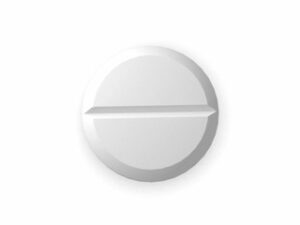
- How it’s taken: Usually by mouth (tablets)
- Common uses: Glaucoma, altitude sickness prevention, and certain medical conditions involving fluid balance and acid–base changes
- Common side effects: Tingling in fingers/toes, increased urination, altered taste, stomach upset, fatigue
- Important cautions: Kidney or liver problems, sulfonamide allergy, electrolyte imbalance, pregnancy/breastfeeding considerations, and interactions with other medicines
Basic product information
Acetazolamide is a carbonic anhydrase inhibitor. By blocking specific enzymes in the body, it changes how the kidneys and other tissues handle bicarbonate, sodium, and fluid. This leads to a mild “metabolic acidosis” effect and increases urine output.
In the UK, acetazolamide is generally available as tablets. Dosing schedules vary widely depending on the condition being treated or prevented.
Mechanism of action (how it works)
Acetazolamide inhibits the enzyme carbonic anhydrase. This enzyme helps regulate the formation of bicarbonate and related acid–base processes in several tissues, including:
- Kidneys: Reduced bicarbonate reabsorption leads to increased excretion of bicarbonate and electrolytes (particularly sodium), resulting in increased urine output.
- Eye (ciliary body): Carbonic anhydrase activity supports production of aqueous humour. Inhibition can reduce intraocular pressure, which is important in certain glaucoma types.
- Central nervous system: Changes in acid–base balance can affect breathing patterns, which is relevant to altitude-related breathing difficulties.
Key point: The medicine’s ability to promote diuresis (fluid loss) and alter acid–base balance is central to its therapeutic effects.
Pharmacokinetics (what the body does to the medicine)
Understanding pharmacokinetics can help explain onset, duration, and why kidney function matters.
- Absorption: Acetazolamide is absorbed after oral administration.
- Distribution: It distributes into body fluids and tissues, including areas relevant to its clinical effects.
- Metabolism: It is not extensively metabolised.
- Elimination: The kidneys remove acetazolamide from the body. This means impaired kidney function can increase drug levels.
- Half-life (general): It has a relatively short to moderate half-life, which is why multiple daily doses are often used depending on the indication.
Practical implication (UK patient friendly): If you have reduced kidney function, your doctor may use a lower dose or longer dosing interval to reduce the risk of side effects.
Typical uses in the UK
Acetazolamide is used for several conditions. Common indications include:
| Indication | What it helps with | Notes |
|---|---|---|
| Glaucoma (certain types) | Reduces pressure inside the eye | Often used when quick pressure reduction is needed or as part of a specialist plan. |
| Prevention of acute mountain sickness (altitude sickness) | Improves acclimatisation and helps breathing at altitude | Typically started before ascent and continues for the early days at altitude. |
| Some conditions related to fluid balance and raised intracranial pressure | Helps reduce certain types of fluid build-up | Usually managed by specialists with monitoring. |
| Other specialist uses | Examples can include specific metabolic or neurological conditions | Use depends on clinical assessment and available guidance. |
Timing: when to take acetazolamide
Timing depends on why you’re taking it. In general:
- For altitude prevention: Start before you reach altitude (commonly 24–48 hours prior, depending on advice), then continue while you’re ascending and during the early period at altitude.
- For glaucoma or other medical conditions: Dosing schedules may be spread throughout the day to maintain effect.
- Take consistently: Try to take each dose at roughly the same times each day.
If you miss a dose: Take it when you remember unless it’s close to the time for the next dose. Do not double up.
How to take it (practical use tips)
These tips may help you get the most benefit while reducing discomfort:
- Stay hydrated: Acetazolamide can increase urine output. Unless you’ve been told to restrict fluids, drink fluids regularly.
- Watch for electrolyte symptoms: Be alert for unusual weakness, cramps, palpitations, or severe dizziness, which can suggest electrolyte disturbance.
- Plan for the first days: Some side effects (like tingling or increased urination) are more noticeable early on.
- Manage taste changes: If food tastes different, try stronger flavours, avoid overly bland foods, and maintain balanced meals.
- Don’t stop abruptly without advice: For long-term uses, stopping suddenly may be unsafe depending on your condition.
Food interactions
Acetazolamide is generally taken by mouth and can be taken with or without food, depending on your stomach comfort. In practice:
- With food: Taking with food may reduce stomach upset for some people.
- Absorption: Food interactions are not usually considered major, but individual tolerability varies.
- Hydration matters: Increased urination means maintaining fluid and electrolyte intake is helpful.
Tip: If you notice nausea or stomach discomfort, consider taking it with a meal or snack (and keep your dosing schedule consistent).
Alcohol and medicine interactions
Alcohol: Moderate alcohol is not always strictly prohibited for everyone, but acetazolamide can affect acid–base balance and kidney function, and alcohol can also influence hydration and dizziness. It may increase the likelihood of side effects such as dizziness, tiredness, or stomach upset.
- Avoid heavy drinking: Especially when you’re also at risk of dehydration (for example, during travel or hot weather).
- Be cautious if you have kidney disease: Alcohol may worsen dehydration and complicate monitoring.
Other medicines: Acetazolamide can interact with other drugs, particularly those affecting electrolytes, kidney function, or acid–base balance. Tell your pharmacist or doctor about:
- Aspirin at high doses or other salicylates
- Other diuretics (water tablets)
- Medicines for diabetes (including insulin and tablets)
- Drugs affecting blood potassium (e.g., some diuretics)
- Antiepileptic medicines
- Lithium (requires caution due to kidney handling)
- Warfarin (monitoring may be needed if other factors change)
- Digoxin (electrolyte changes can increase risk of toxicity)
Always check: If you start any new medicine, including herbal products, confirm it’s safe to use alongside acetazolamide.
Dosing (general guidance)
Dose and frequency depend on the condition being treated, your age, kidney function, and how you respond. Typical regimens may include:
- Altitude sickness prevention: Often taken in divided doses in the day. Duration commonly covers the ascent and early acclimatisation period.
- Glaucoma: Dose may be adjusted to achieve adequate pressure control, often split across the day.
- Other conditions: Specialist dosing is used with monitoring.
Important: Do not use a “one-size-fits-all” approach. If you have been prescribed acetazolamide, follow the exact schedule provided. If using it for travel purposes, seek advice on appropriate dosing and suitability for your health profile.
Kidney impairment: Because acetazolamide is cleared by the kidneys, people with reduced renal function may require a dose reduction or different dosing interval.
Safety profile: side effects and what to watch for
Like all medicines, acetazolamide can cause side effects. Many are mild and improve as your body adjusts, but some require urgent medical attention.
Common side effects
- Tingling sensation (pins and needles), especially in fingers and toes
- Increased urination
- Altered taste (e.g., food tasting different)
- Stomach upset (nausea, loss of appetite, diarrhoea)
- Fatigue or dizziness
- Muscle cramps (may relate to electrolyte changes)
Less common but important side effects
- Electrolyte disturbances (low potassium, low sodium, metabolic acidosis)
- Kidney stones (risk can increase with prolonged use or dehydration)
- Allergic reactions
- Blood cell changes (rare)
- Severe skin reactions (rare but serious)
Seek urgent help if you notice
- Signs of severe allergy: facial swelling, difficulty breathing, severe rash
- Severe or persistent vomiting, marked weakness, confusion
- Very fast or irregular heartbeat or fainting
- Dark urine or yellowing of eyes/skin (jaundice)
- Rash with blistering or widespread skin peeling
Who should take extra care?
Acetazolamide is not suitable for everyone. Check with a healthcare professional if any of the following apply:
- Allergy to sulfonamide medicines (acetazolamide is a sulfonamide derivative)
- Kidney disease or reduced kidney function
- Liver disease
- Electrolyte imbalance (especially potassium or sodium problems)
- History of kidney stones
- Conditions that increase risk of acid–base imbalance
- Pregnancy or breastfeeding (risk–benefit assessment needed)
- Older adults (may be more sensitive, particularly if kidney function is reduced)
If you are planning to use acetazolamide for altitude, extra suitability checks are often important because travel adds dehydration risk and may coincide with other illnesses or medicines.
Recent guidance and UK context (overview)
In the UK, medical advice for uses such as altitude illness prevention typically references general evidence-based travel and wilderness medicine principles. Guidance commonly emphasises:
- Gradual ascent and acclimatisation as the foundation of altitude sickness prevention
- Considering medicines as additional support in people at higher risk
- Monitoring symptoms and seeking medical help when severe symptoms occur
For conditions such as glaucoma or raised intracranial pressure, UK specialist services follow structured treatment pathways and monitor response and side effects, particularly kidney-related and electrolyte-related risks.
Always consult up-to-date advice relevant to your health status and destination, as travel recommendations can evolve.
Alternatives to acetazolamide
Depending on why you need it, alternatives may include:
- Altitude sickness prevention: Non-medicine measures (gradual ascent, pacing, hydration, avoiding excessive exertion initially). In some cases, other medicines may be used depending on your risk profile and clinician advice.
- Glaucoma: Other classes of eye pressure-lowering medicines (often topical) are commonly used. Acetazolamide may be reserved for specific scenarios.
- Fluid/pressure-related conditions: Treatment may involve other approaches depending on the underlying cause.
Important: The “best alternative” depends strongly on your condition. If you’re considering switching medicines, discuss with a pharmacist or clinician first.
Delivery and availability in the UK
Acetazolamide availability can vary over time due to manufacturer supply and pharmacy stock levels. Online pharmacy ordering may include:
- Standard dispatch: Typically arranged once stock is confirmed.
- Delivery options: Many UK online pharmacies offer tracked delivery to UK addresses.
- Pharmacy stock: If a particular strength or pack size is temporarily unavailable, the pharmacy may offer an alternative pack size or advise on restocking times.
During checkout, you should see estimated delivery times. If you have time-critical travel plans (e.g., altitude travel), order with enough lead time.
Practical tips for using acetazolamide safely
- Know your conditions: If you have kidney issues, ask whether you need dose adjustment or extra monitoring.
- Hydrate strategically: Increase fluids appropriately (unless restricted). Avoid dehydration, especially during travel.
- Electrolyte awareness: Report symptoms such as significant muscle weakness, cramps, or palpitations.
- Sun and temperature: Tingling and dizziness can be more noticeable with heat or dehydration. Take breaks and avoid overexertion.
- Keep a symptom note: For travel use, track early signs of altitude illness and seek care if symptoms worsen.
- Take care driving: If you feel dizzy or tired, avoid driving or operating machinery until you know how the medicine affects you.
FAQ about acetazolamide
1) What is acetazolamide used for?
In the UK, acetazolamide is used for conditions such as certain forms of glaucoma (to reduce eye pressure) and for prevention of acute mountain sickness in selected people, among other specialist uses.
2) How soon does acetazolamide start working?
Onset depends on the reason you’re taking it. For altitude-related effects, people often start before ascent so that the medicine is active as you begin climbing. For other conditions, response may be monitored over days or sooner depending on the clinical situation.
3) Can I take acetazolamide with food?
Many people take it with food if they experience nausea. In general, it can be taken with or without food, but choose what reduces stomach upset and keep your routine consistent.
4) Will acetazolamide make me pee more?
Yes. Increased urination is a common effect because the medicine changes kidney handling of bicarbonate and electrolytes.
5) Is it safe to drink alcohol while taking acetazolamide?
It’s best to use caution. Alcohol can worsen dehydration and may increase dizziness or stomach upset. Avoid heavy drinking and make sure you’re well hydrated.
6) Does acetazolamide affect electrolytes?
It can. Your body may lose more sodium and bicarbonate, and changes in potassium levels may occur. Symptoms like significant weakness, cramps, or palpitations should be reported promptly.
7) What should I do if I get tingling in my hands or feet?
Tingling is a common side effect and often improves with time. However, if it becomes severe, painful, or is accompanied by other concerning symptoms (e.g., weakness, breathing difficulty, severe rash), seek medical advice urgently.
8) Who should avoid acetazolamide?
People with a history of allergy to sulfonamide medicines, those with certain kidney problems, and people at risk of significant acid–base or electrolyte disturbances should use extra caution. A healthcare professional can confirm suitability.
9) Can acetazolamide cause kidney stones?
It may increase risk in some people, particularly if dehydration occurs. Good hydration and appropriate monitoring are important, especially for longer-term use.
10) Are there alternatives if I cannot take acetazolamide?
Yes, depending on your condition. For altitude illness, gradual ascent remains the key strategy. For glaucoma, there are several other pressure-lowering options. Ask a healthcare professional for options tailored to your needs.
Summary
Acetazolamide is a carbonic anhydrase inhibitor used in the UK for conditions such as certain types of glaucoma and prevention of acute mountain sickness, among other specialist indications. It works by changing kidney fluid and acid–base handling and can help reduce eye pressure or support breathing adaptation at altitude.
Common side effects include tingling, increased urination, and taste or stomach changes. Because acetazolamide is cleared by the kidneys and can affect electrolytes, extra caution is needed in people with kidney or liver problems and when combined with other medicines. If you’re travelling or starting a new medicine, check safety and dosing details early so you can use acetazolamide effectively and safely.