
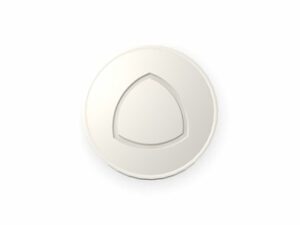
Indapamide: Patient-Friendly Guide (UK)
Indapamide is a medicine used to treat conditions linked to fluid balance and high blood pressure. It belongs to the thiazide-like diuretic (sometimes called a “water tablet”) family. Many people are prescribed indapamide for long-term management of hypertension (high blood pressure) and for certain cases of fluid retention associated with heart conditions.
This guide explains how indapamide works, how it’s taken, what to expect, and what safety considerations to discuss with a healthcare professional. If you have questions about whether indapamide is right for you, please consult your clinician or pharmacist.
Basic product information
| Category | Details |
|---|---|
| Medicine | Indapamide |
| Type | Thiazide-like diuretic (“water tablet”) |
| Common uses | High blood pressure (hypertension); sometimes fluid retention (oedema) related to heart failure |
| Formulations | Often available as modified-release tablets (strengths vary by brand and country) |
| How it acts | Helps the kidneys remove excess salt and water, while supporting blood vessel function |
How indapamide works (mechanism of action)
Indapamide helps lower blood pressure by a combination of effects:
- Diuretic action: It acts on the kidneys to increase the excretion of sodium (salt) and water, which reduces circulating fluid volume.
- Vascular effects: It also helps relax blood vessels, contributing to reduced resistance to blood flow.
Over time, the overall outcome is lower blood pressure and improved fluid balance in the body. Unlike some medicines where diuretic effects are the main goal, indapamide is commonly used specifically for its blood-pressure benefits in long-term treatment.
Pharmacokinetics: how your body handles indapamide
Pharmacokinetics describes how the medicine is absorbed, processed, and eliminated. While the exact time course can vary depending on the formulation (especially immediate-release vs modified-release), the general pattern is:
- Absorption: Indapamide is absorbed from the gut after you take a tablet. Modified-release forms are designed to release the medicine more slowly.
- Onset and duration: Diuretic effects may be noticeable within hours, while blood-pressure lowering occurs over time and continues with regular daily use.
- Distribution: It circulates in the bloodstream and distributes through body tissues.
- Metabolism and elimination: The body breaks down the medicine and eliminates it mainly through urine (details may depend on metabolism pathways and individual factors).
If you’re using a modified-release tablet, you should follow the specific instructions for that brand/formulation. Do not crush or split tablets unless your pharmacist advises it is appropriate for your product.
What indapamide is used for (indications)
In the UK, indapamide is used for:
- Hypertension (high blood pressure): Often as a once-daily treatment to reduce cardiovascular risk.
- Oedema (fluid retention): In some patients, particularly where fluid retention is associated with certain heart conditions. Use for this purpose may depend on your overall medical assessment.
Indapamide is typically used as part of a wider plan that may include lifestyle measures (such as diet, weight management, physical activity, and reducing salt intake), and sometimes other blood-pressure medicines.
Typical dosing and timing
Doses differ by product strength and formulation. Always check the instructions provided with your specific medicine. If you are unsure, ask your pharmacist.
Typical approach (general guidance)
- Once daily use is common: Many indapamide products are taken as a once-a-day dose.
- Try to take it at the same time each day: This helps maintain consistent effect.
- Choose a time that reduces disruption: Because it can increase urine output, people often take it in the morning.
- Swallow whole if modified-release: Do not crush or chew modified-release tablets.
Timing relative to daily routine
A practical way to avoid night-time trips to the toilet is to take indapamide earlier in the day. If your prescriber or pharmacist has told you a different schedule, follow their advice.
If you miss a dose
If you miss a dose, take it as soon as you remember on the same day. If it’s close to your next dose, skip the missed dose and continue as normal. Do not take a double dose to make up for a missed tablet.
Food interactions and what to watch
Indapamide is not usually affected dramatically by normal meal timing. However, diet can influence how your body responds:
- Salt intake: A diet high in salt may reduce the blood-pressure benefit. Many people are advised to moderate salt, particularly if they have hypertension or fluid retention.
- Potassium and electrolyte balance: Indapamide can lower potassium in some people. While dietary potassium (from foods like fruits and vegetables) is generally beneficial, you should not start high-potassium supplements without advice.
- Consistent eating pattern: Taking it with food may reduce stomach discomfort if it affects you. If your medicine label or pharmacist advises a particular method, follow it.
If you have kidney problems, heart failure, or you take other medicines that affect potassium or sodium levels, discuss dietary and supplement plans with your clinician.
Alcohol interactions
Alcohol can increase the chance of side effects such as dizziness or light-headedness, especially when you first start indapamide or if your dose changes.
- Risk of low blood pressure: Alcohol may contribute to reduced blood pressure, which can worsen dizziness and falls risk.
- Dehydration: Alcohol can be dehydrating in some circumstances, which may add to diuretic effects.
If you drink alcohol, consider using moderation and avoid heavy drinking, particularly soon after starting or changing dose. If you feel faint, stop drinking and seek medical advice.
Medicine interactions: important combinations to review
Indapamide can interact with other medicines, sometimes by changing electrolyte levels (like potassium or sodium), kidney function, or blood pressure. It’s important to tell your pharmacist or clinician about all medicines and supplements you use.
Common interaction categories
- Other blood-pressure medicines: Combined treatment can be beneficial, but may increase the risk of dizziness or low blood pressure.
- NSAIDs (painkillers such as ibuprofen or naproxen): Regular or high-dose NSAID use may reduce blood-pressure effect and affect kidney function, especially in vulnerable patients.
- Digoxin: Changes in potassium can increase the risk of digoxin-related side effects.
- Lithium: Indapamide can affect lithium levels, potentially increasing toxicity risk.
- Corticosteroids (e.g., prednisolone): These may increase the risk of low potassium.
- Laxatives (especially stimulant laxatives): May further reduce potassium in some cases.
- Other medicines that lower potassium or affect electrolytes: Examples include some diuretics and certain medicines used for heart rhythm problems.
This is not an exhaustive list. If you’re starting a new medicine (including herbal products or over-the-counter treatments), check with a pharmacist to confirm it is safe to combine with indapamide.
Safety profile: side effects and when to get help
Like all medicines, indapamide can cause side effects. Many people tolerate it well, but monitoring may be needed, particularly for salt and electrolyte levels.
Common or expected effects
- Increased urination: Usually most noticeable soon after taking a dose.
- Mild dizziness or light-headedness: Especially when standing up quickly.
- Headache: Some people experience this, particularly early on.
- Muscle cramps: Can be linked to electrolyte changes.
Electrolyte and blood chemistry considerations
Indapamide may lower potassium and sodium and can affect kidney function in some patients. Healthcare professionals often monitor blood tests (commonly including electrolytes and kidney markers), particularly after starting treatment or adjusting dose.
Serious symptoms: seek urgent medical attention
Contact emergency services or seek urgent medical care if you have symptoms such as:
- Severe dizziness, fainting, or collapse
- Signs of a serious allergic reaction (e.g., swelling of face/lips, difficulty breathing, severe rash)
- Unusual weakness or palpitations that could indicate significant electrolyte disturbance
- Severe dehydration (e.g., very dry mouth, extreme thirst, minimal urine)
- Yellowing of skin/eyes (jaundice) or persistent severe abdominal pain
Who should take extra care?
Extra caution may be needed if you have:
- Kidney problems
- Diabetes
- History of gout (indapamide can affect uric acid levels in some people)
- Liver disease
- Heart rhythm conditions
- Low blood pressure or risk of falls
Practical use tips (to get the best results)
- Stand up slowly: If you feel dizzy, rise gradually from sitting or lying positions.
- Stay hydrated appropriately: Don’t over-drink or under-drink—follow advice from your clinician, especially if you have heart failure.
- Attend blood-test monitoring: Monitoring helps prevent complications from electrolyte or kidney changes.
- Track side effects: If you notice cramps, unusual tiredness, palpitations, or persistent dizziness, note when they occur and report them.
- Keep a medication list: Include all prescriptions, over-the-counter products, and supplements.
- Don’t stop suddenly: If you want to change your medicine, discuss it first with your healthcare professional.
Alternative options for hypertension or fluid retention
There are many treatment options for high blood pressure and fluid retention, and the best choice depends on your medical history, other medications, and test results. Alternatives might include:
Blood-pressure alternatives
- ACE inhibitors (e.g., perindopril, lisinopril)
- ARBs (e.g., losartan, candesartan)
- Calcium channel blockers (e.g., amlodipine)
- Other diuretics (e.g., bendroflumethiazide, furosemide)
- Beta-blockers (e.g., bisoprolol) in selected patients
Fluid retention alternatives
- Loop diuretics (e.g., furosemide) for certain situations
- Mineralocorticoid receptor antagonists in specific heart failure patients (special monitoring is required)
- Adjustments to heart failure medicines based on symptoms and blood tests
Your clinician will tailor therapy to your needs. If you are considering switching from indapamide, do so only under medical guidance.
UK market and legal context (overview)
In the United Kingdom, medicines are regulated under the Medicines and Healthcare products Regulatory Agency (MHRA) and must be supplied in accordance with UK medicines legislation and pharmacy standards. Indapamide is a widely used medicine with established roles in hypertension care and selected cases of fluid retention.
Supply and usage rules can vary depending on the specific product and patient circumstances. Online pharmacies in the UK typically provide medicines through appropriate patient screening and safety checks, following regulatory requirements and professional pharmacy standards.
Recent guidance and monitoring: what tends to be emphasised
UK blood pressure management commonly emphasises:
- Long-term adherence: Blood pressure control is usually achieved through consistent daily treatment.
- Individualised therapy: Choice of medicine depends on age, comorbidities, and blood test results.
- Monitoring electrolytes and kidney function: Especially with diuretics and in people at higher risk.
- Lifestyle measures: Salt reduction, healthy weight, physical activity, and smoking cessation where relevant.
If you want the most up-to-date information for your situation, speak with a pharmacist or clinician.
Delivery and availability (online pharmacy UK)
Indapamide may be available through UK online pharmacies in different strengths and formulations depending on stock and supply. Availability can vary, especially for less commonly ordered strengths.
- Delivery times: Delivery schedules depend on the pharmacy’s courier arrangements and your location in the UK.
- Discreet packaging: Many pharmacies provide discreet, unbranded packaging.
- Stock updates: Availability is typically shown on the product page; if a product is temporarily unavailable, some pharmacies offer notifications when it returns.
- Order checks: Online pharmacies usually complete safety checks before dispatch.
If you need indapamide urgently for continuity of treatment, contact the pharmacy’s customer support to confirm dispatch timing.
FAQ: Frequently asked questions about indapamide
1) When will indapamide start working?
You may notice increased urination within a few hours after taking a dose, particularly if your medicine has a fast-acting component. Blood-pressure benefits build over time with consistent daily use. Don’t expect the full effect after only one dose.
2) Should I take indapamide in the morning or at night?
Many people take indapamide in the morning to reduce the chance of needing the toilet during the night. Follow your specific product instructions and advice from your pharmacist.
3) Can I take indapamide with food?
Most people can take indapamide with or without food. If it upsets your stomach, taking it with a meal may help. Use the instructions provided with your tablet and talk to your pharmacist if you have concerns.
4) Will indapamide lower my potassium?
It can. Some people develop low potassium levels, which is why monitoring and blood tests may be recommended. Do not take potassium supplements unless advised by a clinician.
5) What side effects are common?
Common side effects include increased urination, mild dizziness, and sometimes headache. Muscle cramps can occur, often related to electrolyte changes.
6) What should I do if I feel dizzy?
If you feel light-headed, sit or lie down until it passes. Avoid sudden standing. If dizziness is severe, persistent, or associated with fainting, seek urgent medical advice.
7) Can I drink alcohol while taking indapamide?
Moderate alcohol use may be possible for some people, but alcohol can increase the risk of dizziness and low blood pressure. If you experience side effects, reduce alcohol or discuss with your pharmacist.
8) Are there medicines I should avoid?
Several medicines can interact with indapamide, including certain painkillers (NSAIDs), lithium, digoxin, and other drugs that affect potassium or kidney function. Always check interactions with a pharmacist when starting new medicines.
9) Can indapamide be used if I have kidney disease?
It may be used in some cases, but dose and monitoring may need adjustment. Kidney function tests are important. Always follow clinician guidance.
10) What if I need an alternative treatment?
There are other options for hypertension and fluid retention. The best alternative depends on your health profile. Discuss switching with your clinician rather than stopping indapamide abruptly.
Important safety reminders
- Follow your medicine’s instructions: dosing frequency and formulation matter.
- Keep monitoring appointments: blood tests help detect electrolyte or kidney changes early.
- Report worrying symptoms: especially severe dizziness, fainting, rash, breathing difficulties, or signs of dehydration.
- Update your medicines list: including supplements and over-the-counter treatments.
This information is designed to help you understand indapamide in everyday terms. It does not replace medical advice. If you are unsure about how to take your tablets or whether indapamide is suitable for you, speak with a healthcare professional.