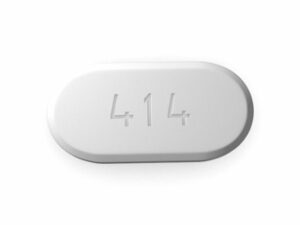
Tricor (Fenofibrate) – Patient Guide (UK)
Tricor is a medicine containing fenofibrate, used to help manage certain abnormal blood fat levels. This page explains how Tricor works, when it’s used, how to take it safely, and important interactions and precautions. It is written for people in the United Kingdom and uses UK-focused information and practical guidance.
Basic product information
- Medicine: Tricor
- Active ingredient: Fenofibrate
- Therapeutic class: Fibrate (lipid-modifying agent)
- Common uses: Reducing elevated triglycerides (fat in the blood) and improving certain cholesterol patterns
- Available forms: Different strengths and formulations exist (including tablets). Your pack strength and formulation may affect dosing timing.
Important: Always follow the specific instructions on your medicine packaging and any healthcare professional guidance you were given for your exact formulation and strength.
How Tricor works (mechanism of action)
Fenofibrate helps improve blood lipid levels mainly by activating a receptor called PPAR-α (peroxisome proliferator-activated receptor alpha). This activation influences how your body processes fats in the liver and helps:
- Decrease triglycerides (very common reason for use)
- Increase HDL cholesterol (“good” cholesterol) in many people
- Lower VLDL (very-low-density lipoprotein particles that carry triglycerides)
- Reduce certain small, dense LDL particles in some patients (though effects on LDL vary)
Overall, Tricor is particularly helpful when triglycerides are high or when a cholesterol pattern suggests benefit from triglyceride-focused treatment.
Pharmacokinetics – how the body absorbs and processes it
“Pharmacokinetics” means what the body does to the medicine (absorption, distribution, metabolism, and elimination). Fenofibrate is generally:
- Absorbed from the gut as the medicine is taken by mouth
- Metabolised primarily in the liver to its active form(s), which then act on lipid pathways
- Eliminated largely through the kidneys (this matters for people with kidney problems)
- Effects typically develop over days to weeks, with lipid levels often rechecked after a suitable interval
Timing varies with formulation. If your Tricor pack specifies a particular dose frequency (once or more daily) or instructions about food, follow that exactly. Different products containing fenofibrate can behave differently.
Typical use in the UK
In the United Kingdom, medicines like Tricor are used alongside lifestyle measures (diet, exercise, weight management, and avoiding tobacco) to treat abnormal lipids. Fenofibrate is most commonly considered when:
- Triglycerides are elevated, especially if they are high enough to increase the risk of pancreatitis
- Mixed dyslipidaemia is present and triglyceride reduction is a priority
- There is a clinician-led decision to use a fibrate instead of (or in addition to) other lipid-lowering options based on your overall cardiovascular risk and lab results
Tricor works best when combined with sustained lifestyle changes and regular blood test monitoring.
Indications (what it is used to treat)
Fenofibrate is indicated for the treatment of:
- High triglycerides (hypertriglyceridaemia)
- Mixed dyslipidaemia in people who need improvement in both triglycerides and cholesterol pattern
- Cases at risk from very high triglycerides, where lowering triglycerides is important for safety
Your clinician will decide whether Tricor is appropriate based on your lipid profile, medical history, and risk factors (for example, diabetes, cardiovascular disease, kidney function, thyroid status, and alcohol intake).
Dosing – general guidance and timing
Use your specific pack instructions. Dosing can vary with the exact Tricor formulation and strength. Below are general principles people should know.
Typical dosing frequency
- Fenofibrate products may be prescribed once daily or multiple times daily, depending on the formulation.
- Some regimens are adjusted based on kidney function and lipid response.
When to take it
- Often taken with food (see food interaction section below).
- Take it at the same time each day to keep levels stable.
- If you miss a dose, follow your local advice from the medicine packaging or ask a pharmacist. In general, don’t take a double dose to make up for a missed one unless instructed.
Monitoring
Your doctor or lipid clinic may check:
- Lipid levels (triglycerides and cholesterol) to assess response
- Liver function tests
- Kidney function (especially for those with renal impairment)
- Sometimes creatine kinase if muscle symptoms occur
Food interactions – what to know
Food can influence absorption of fenofibrate. As a general rule:
- Taking with food may improve absorption for some fenofibrate products.
- Some formulations are specifically recommended with meals to reduce variability in uptake.
Practical tip: If your package leaflet says “take with food”, do so consistently. If your leaflet gives a particular instruction such as “with meals” or “after food”, follow it.
If you are unsure whether your specific Tricor tablet should be taken with or without food, check the patient information leaflet on your pack or ask a pharmacist.
Alcohol interactions and safety
Alcohol can affect triglyceride levels and can increase the risk of liver inflammation and pancreatitis in susceptible individuals—especially when triglycerides are high.
- High triglycerides + alcohol: Alcohol may worsen triglycerides, undermining treatment goals.
- Liver considerations: Fenofibrate is processed by the liver; heavy alcohol intake can add to liver strain.
- Pancreatitis risk: Very high triglycerides combined with alcohol increases the risk of pancreatitis, which can be serious.
Advice: If you have high triglycerides, aim to limit alcohol. Ask a pharmacist or clinician for personal guidance based on your triglyceride levels and medical history.
Medicine interactions – important combinations
Fenofibrate can interact with other medicines and supplements. Some interactions can increase the risk of muscle injury or affect kidney and liver function.
Common interaction areas
- Statins (cholesterol medicines), e.g., atorvastatin, simvastatin, rosuvastatin
Combining a fibrate with a statin may increase the risk of muscle-related side effects (including rare serious muscle breakdown). This combination may still be used when benefits outweigh risks, but requires careful monitoring and appropriate dosing. - Warfarin and other coumarin anticoagulants
Fenofibrate may potentiate warfarin’s effect, increasing bleeding risk. If you take warfarin, clotting monitoring (INR) may need closer follow-up after starting or changing fenofibrate. - Other lipid medicines
Certain combinations can increase side effects. Your clinician will consider your lipid targets and risk factors. - Immunosuppressants and some anti-infectives
Some medicines can affect levels of fenofibrate or alter organ stress. Always inform your prescriber and pharmacist about all medicines you take. - Kidney-impacting medicines
Because fenofibrate is mainly eliminated via the kidneys, medicines that affect renal function may influence safety. Examples include certain diuretics and other drugs that can strain kidneys—your pharmacist can help check your list.
What you should do
- Keep an updated list of all medicines and supplements.
- Tell your pharmacist or doctor about OTC items (painkillers, herbal supplements, vitamins at high doses) and any recent changes.
- Be alert to symptoms of muscle pain/weakness or unusual bruising/bleeding.
Safety profile – side effects and when to seek help
Most people taking Tricor experience no serious problems, but like all medicines it can cause side effects. The likelihood and type of side effects can vary by person.
Common or possible side effects
- Stomach or bowel symptoms (for example, indigestion, abdominal discomfort, nausea)
- Changes in liver blood tests (often detected on routine monitoring)
- Headache or dizziness in some people
Serious side effects (seek urgent advice)
Stop taking Tricor and seek urgent medical help (or call NHS 111 for advice, depending on severity) if you develop:
- Symptoms of muscle injury: unexplained muscle pain, tenderness, weakness, or dark/coloured urine—especially if you also feel unwell or have fever.
- Signs of liver problems: yellowing of the skin/eyes (jaundice), severe fatigue, persistent nausea/vomiting, dark urine.
- Signs of pancreatitis: severe upper abdominal pain (may spread to the back), persistent vomiting, and feeling very unwell.
- Allergic reactions: swelling of the face/lips, breathing difficulties, widespread rash with itching.
Who needs extra caution?
- People with kidney impairment (may need dose adjustment)
- Those with liver disease or abnormal liver tests
- People taking statins or other drugs that increase muscle risk
- People with uncontrolled hypothyroidism (low thyroid can increase risk of lipid abnormalities and muscle problems)
Practical use tips for best results
- Keep diet and lifestyle consistent: Tricor complements diet. Focus on reducing saturated fats and refined sugars, and aim for regular physical activity where safe.
- Limit sugary drinks and alcohol if triglycerides are high: These can increase triglycerides.
- Take it the same way every day: If “with food” is recommended, take it with a meal.
- Attend blood test reviews: Monitoring helps confirm you are benefiting and ensures safety.
- Know your symptoms: If you experience muscle pain, weakness, or unusual urine colour, act promptly.
- Don’t stop suddenly without advice: Triglyceride levels may rise again. Discuss changes with your healthcare team.
Alternative options for high triglycerides and mixed lipids
Depending on your lipid pattern and medical history, alternatives may include:
- Statins (especially for cardiovascular risk and LDL lowering)
- Omega-3 fatty acids (some formulations can lower triglycerides; products differ)
- Other lipid-lowering therapies tailored to your cholesterol and triglyceride profile
- Lifestyle interventions (weight loss, reducing refined carbohydrates, regular exercise, improved glycaemic control for diabetes)
Note: The best alternative depends on why you are taking Tricor—triglycerides, cholesterol pattern, and overall cardiovascular risk. A pharmacist or clinician can help compare options and safety for your specific circumstances.
Market and legal context in the UK
In the United Kingdom, Tricor (fenofibrate) is a regulated medicine and is supplied under UK medicines law. Like other lipid-lowering therapies, availability may differ by strength and formulation, and stock can vary by manufacturer and distributor.
Prescribing and supply pathways are governed by UK healthcare processes. If you are looking to purchase or use this medicine, ensure it is obtained through appropriate channels and that the product strength matches the intended regimen.
Safety and pharmacovigilance: The UK Medicines and Healthcare products Regulatory Agency (MHRA) supports medicine safety monitoring, including reports of suspected adverse reactions.
Recent guidance and clinical approach (UK)
Lipid management in the UK is commonly guided by national and specialist clinical recommendations, with emphasis on:
- Assessing overall cardiovascular risk (not just cholesterol numbers)
- Addressing lifestyle first and correcting secondary causes of high triglycerides (such as uncontrolled diabetes, hypothyroidism, kidney disease, and alcohol excess)
- Using appropriate medication based on lipid type (for example, triglyceride-lowering strategies when triglycerides are very high)
- Careful safety monitoring when combining lipid medicines, especially statin–fibrate combinations
Practical takeaway: Your healthcare team should confirm your triglyceride goals, review medication interactions, and arrange suitable follow-up blood tests.
Delivery and availability in the UK
Online pharmacies in the UK typically offer:
- Order processing and verification of availability
- Tracked delivery options (timing varies by service level and location)
- Careful packaging to protect tablets from damage
Availability: Product strength and formulation may affect stock levels. If you cannot find your exact Tricor strength or if the packaging looks different from before, check with the pharmacy before taking it.
Storage: Follow the storage instructions on your pack (commonly stored at room temperature, away from heat and moisture, and out of reach of children).
FAQ
1) What is Tricor used for?
Tricor (fenofibrate) is used to treat high triglycerides and certain patterns of dyslipidaemia where triglyceride reduction is important for health and safety.
2) How long does it take to work?
Some improvement can occur within days, but lipid levels are usually checked after a period of treatment (often a few weeks, depending on local practice). Your clinician will advise when to re-test.
3) Should I take Tricor with food?
For many fenofibrate products, taking with food improves absorption. Always follow the instruction on your specific pack. If your pack says “with meals,” take it with meals consistently.
4) Can I drink alcohol while taking Tricor?
Alcohol can worsen triglycerides and may increase risk of liver problems or pancreatitis in susceptible individuals. If your triglycerides are high, it’s often best to limit alcohol and discuss safe limits with your clinician.
5) What foods should I avoid?
If you have high triglycerides, reducing alcohol, sugary foods and drinks, and refined carbohydrates can be helpful. Your diet plan should be personalised; a pharmacist or dietitian can offer guidance.
6) Can I take Tricor with a statin?
Sometimes yes, but the combination increases the risk of muscle-related side effects. Your healthcare team should choose doses carefully and monitor you, particularly if you develop muscle pain or weakness.
7) What should I do if I miss a dose?
Check your pack leaflet for specific advice. In general, if you remember soon you may take it, but if it’s near the next dose, skip the missed dose. Avoid taking extra to “catch up” unless instructed.
8) Are there warning signs I should watch for?
Seek urgent advice if you have severe abdominal pain, yellowing of the skin/eyes, dark urine, breathing problems, or muscle pain/weakness—especially with feeling unwell or fever.
9) Can Tricor affect my liver or kidneys?
It can. That’s why monitoring liver function and kidney function tests may be recommended, particularly if you have existing organ impairment or take interacting medicines.
10) Is Tricor safe for everyone?
No. People with certain conditions (such as significant kidney or liver impairment) and those taking particular medicines need extra caution or dose adjustment. Talk to a pharmacist if you have kidney disease, liver disease, or are taking statins, warfarin, or multiple medicines.
Summary
Tricor (fenofibrate) helps reduce high triglycerides and can improve lipid patterns associated with increased health risk. It works through PPAR-α pathways in the liver, and it requires careful attention to food instructions, alcohol intake, drug interactions, and appropriate blood test monitoring. If you experience muscle pain/weakness, severe abdominal pain, or signs of liver problems, seek urgent medical advice.