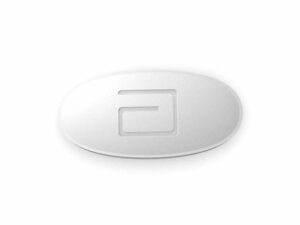
Zetia (Ezetimibe) – Patient Information (UK)
Zetia contains ezetimibe, a medicine used to help lower cholesterol levels in the blood. It is commonly used when lifestyle changes alone are not enough, or alongside other cholesterol-lowering treatments where appropriate. This page explains how Zetia works, how it is typically taken, key safety information, and practical tips for use in the United Kingdom.
Key facts at a glance
- Active ingredient: Ezetimibe
- What it does: Reduces absorption of cholesterol from the intestine
- Common use: Lowering LDL (“bad”) cholesterol, sometimes in combination with a statin
- How it’s taken: Usually once daily, with or without food
- Typical start: Cholesterol changes can be seen within days, with fuller effects over a few weeks
- UK availability: Widely used and stocked through UK pharmacies
What Zetia is and basic product information
Zetia is a cholesterol-lowering medicine (ezetimibe). It belongs to a group of medicines called cholesterol absorption inhibitors. Unlike statins, which primarily reduce cholesterol production in the liver, ezetimibe works mainly in the gut.
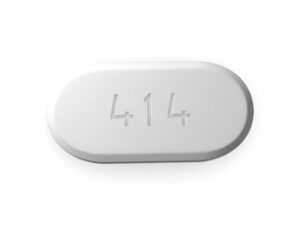
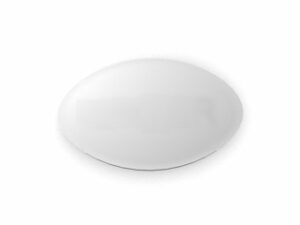
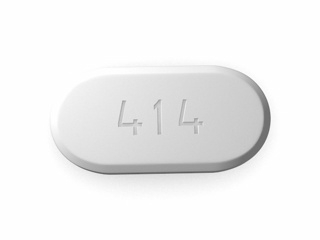
Strength: In the UK, Zetia is commonly supplied as 10 mg ezetimibe tablets.
How it is supplied: Tablets are taken by mouth. Your pharmacist or prescriber can confirm your exact pack details and strength.
Mechanism of action (how Zetia works)
Ezetimibe targets a specific cholesterol transporter in the small intestine: the NPC1L1 (Niemann–Pick C1–Like 1) protein.
- Blocks cholesterol absorption: By inhibiting NPC1L1, ezetimibe reduces the amount of cholesterol absorbed from your diet and from bile (cholesterol that is normally recycled through the gut).
- Results in lower circulating cholesterol: With less cholesterol absorbed, the liver takes up more cholesterol from the bloodstream, which lowers LDL cholesterol.
Important: Zetia mainly affects intestinal cholesterol absorption. It does not directly act like a statin on cholesterol synthesis in the liver.
Pharmacokinetics (how the body handles ezetimibe)
Pharmacokinetics describes how the medicine is absorbed, processed, and eliminated.
- Absorption: After taking a tablet, ezetimibe is absorbed in the intestine.
- Metabolism: Ezetimibe is extensively metabolised in the body, producing a main active metabolite (ezetimibe is transformed primarily to an ezetimibe-glucuronide form).
- Protein binding: The medicine and its metabolite bind substantially to blood proteins.
- Elimination: Ezetimibe and its metabolites are eliminated mainly through the faeces (bile-related excretion), with a smaller amount in urine.
- Half-life: The effective clearance from the body supports once-daily dosing in most people.
Your exact response can vary depending on your overall health, other medicines, and how your body processes medicines. Routine blood tests (for example liver-related tests if used in combination with statins) are important for safe use.
Typical use in the UK
Zetia is used to treat high cholesterol, particularly high LDL cholesterol. It may be prescribed:
- As monotherapy in some people who cannot tolerate statins, or where statin treatment is not suitable.
- In combination with a statin when additional LDL lowering is needed.
- With other lipid-lowering treatments when appropriate under clinical guidance.
Zetia is used alongside dietary measures, exercise, weight management, and smoking cessation support if relevant.
Indications (when Zetia is used)
In clinical practice in the UK, Zetia is used for:
- Primary (familial/non-familial) hypercholesterolaemia to lower LDL cholesterol
- Homozygous familial hypercholesterolaemia as part of therapy to improve lipid levels (often alongside other lipid-lowering treatments)
- To reduce cholesterol as part of cardiovascular risk management, depending on your overall risk profile and treatment plan
Note: The most appropriate use depends on your cholesterol results and medical history. Your healthcare team will consider your risk of cardiovascular disease and whether additional LDL lowering is needed.
How and when to take Zetia (timing and dosing)
Zetia tablets are taken by mouth. Timing is usually simple because it is taken once daily.
Typical dosing
Most adults: 10 mg once daily.
Your clinician may adjust therapy, especially if you are taking it with other lipid-lowering medicines. If you have kidney problems, dose changes are usually not required, but medical advice is still important.
When to take it
- Once daily at a time that suits you.
- Choose a consistent routine (e.g., after breakfast or in the evening) to help you remember.
Can you take Zetia with food?
Yes. Zetia can be taken with or without food. Food does not significantly change the overall effectiveness for most people.
If you miss a dose
- Take it as soon as you remember on the same day.
- If it is nearly time for your next dose, skip the missed dose.
- Do not take a double dose to make up for a missed tablet.
Food interactions
Because Zetia can be taken with or without food, food interactions are generally less complex than with some other medicines. In general:
- Take with or without meals: No specific meal restrictions are typically required.
- Grapefruit juice: There is no well-established need to avoid grapefruit for ezetimibe specifically, but always check with your pharmacist if you are also taking multiple medicines.
Practical tip: Since Zetia is often used to support overall lipid control, continuing dietary advice (such as limiting saturated fat) is important alongside the medicine.
Alcohol and medicine interactions
Zetia itself is not commonly linked with direct alcohol-related toxicity. However, there are important points to consider, especially if Zetia is taken with a statin or other medicines.
Alcohol
- Moderation is recommended for most adults, particularly if you have liver-related concerns or you also use a statin.
- If you have a history of heavy alcohol use, liver disease, or abnormal liver tests, speak to your healthcare professional for personalised advice.
Medicine interactions (commonly discussed)
Interactions depend on your full medication list. Some key considerations include:
- Statins: Zetia is often used with statins. This combination is commonly prescribed and can be effective, but it may increase the need for monitoring, particularly for muscle symptoms and liver-related tests.
- Bile acid sequestrants: If you take medicines that bind bile acids (to lower cholesterol), timing separation may be advised because these agents can reduce drug absorption. Your pharmacist can advise the best schedule.
- Other lipid-lowering medicines: Some combinations are used under guidance. Always provide your full list of medicines and supplements.
Supplements: Herbal products can also interact with cholesterol medicines. Examples include certain supplements marketed for “cholesterol support”. Ask your pharmacist before starting new products.
Always check: If you start, stop, or change any medicine (including over-the-counter products), it is worth asking your pharmacist whether any timing changes or monitoring are needed.
Safety profile: what to watch for
Like all medicines, Zetia can cause side effects. Many people experience none or only mild effects. Below is a patient-friendly overview of key safety issues.
Common side effects
- Headache
- Diarrhoea or loose stools
- Abdominal (stomach) discomfort
- Back pain (reported by some patients)
Serious but less common concerns
Seek urgent medical advice if you experience severe or concerning symptoms.
- Allergic reactions: swelling of face/lips, difficulty breathing, rash with itching or hives.
- Muscle problems (especially with statins): unexplained muscle pain, tenderness, weakness, or dark/cola-coloured urine.
- Liver-related symptoms: yellowing of skin/eyes (jaundice), unusual tiredness, severe nausea, or persistent upper abdominal pain.
Monitoring
- When combined with a statin: clinicians may monitor liver enzymes and may check for symptoms related to muscle injury.
- Cholesterol checks: Your GP or lipid clinic will usually recheck lipid levels after starting or adjusting treatment.
Who should use caution?
- People with a history of liver disease or persistent abnormal liver blood tests
- People taking a statin or other medicines that affect the liver or muscles
- Anyone with a history of drug allergies
Practical use tips (how to get the best from Zetia)
- Make it routine: Take your tablet at the same time each day.
- Keep lifestyle changes going: Zetia supports, but does not replace, diet and exercise advice.
- Know what “good control” looks like: Your lipid results guide whether treatment is effective.
- Don’t stop suddenly: Stopping cholesterol-lowering therapy can lead to higher cholesterol over time.
- Report side effects early: Muscle symptoms or signs of allergy should be reported promptly.
- Review your full medicine list: Include prescribed medicines, over-the-counter items, and supplements.
Dosing and administration summary
| Topic | Typical approach for adults |
|---|---|
| Starting dose | Usually 10 mg once daily |
| With/without food | Can be taken with or without food |
| Timing | Any time of day; choose a consistent time |
| Missed dose | Take when remembered (same day) unless close to next dose; don’t double up |
| When combined with statins | Follow the clinician’s plan and attend monitoring appointments |
Alternative options to Zetia (ezetimibe)
There are several other ways to lower cholesterol. Whether an alternative is suitable depends on your cholesterol levels, cardiovascular risk, existing medicines, and tolerability.
Common alternatives
- Statins (e.g., atorvastatin, rosuvastatin, simvastatin): reduce cholesterol production in the liver.
- Other cholesterol absorption medicines (less common): for some patients, a different approach may be considered.
- PCSK9 inhibitors (injections): used in selected high-risk patients and certain genetic conditions.
- Bempedoic acid and other lipid-lowering agents: may be considered depending on the situation.
- Fibrates: mainly target triglycerides rather than LDL.
- Omega-3 fatty acids (for triglycerides): may help triglyceride levels in specific cases.
Combination therapy: Many people benefit from a combination (for example, ezetimibe plus a statin) to achieve greater LDL reduction than either alone.
Market and legal context in the UK (availability and prescribing practice)
In the UK, Zetia (ezetimibe) is an established medicine used as part of cholesterol management. It is supplied through community and hospital pharmacy systems according to UK medicines regulation and clinical guidelines.
Important note: Availability and supply can vary depending on local stock, your area, and packaging. Your pharmacy can usually confirm what is available and when.
Recent guidance and how practice may affect you
Cholesterol management in the UK follows risk-based assessment and guideline-led care. In recent years, emphasis has continued on:
- Personalised cardiovascular risk assessment
- Stepwise escalation of lipid-lowering therapy based on LDL cholesterol targets and tolerance
- Use of combinations when LDL reduction is insufficient on one medicine alone
Because guideline updates can occur, the best approach for you should be based on the latest clinical advice from your healthcare team.
Delivery and availability (online pharmacy considerations in the UK)
Many online pharmacies in the UK offer convenient home delivery of medicines, subject to availability, eligibility checks, and UK regulations. Delivery options often include:
- Standard delivery (typically 2–3 working days)
- Express delivery (where available, often next working day or within 24 hours)
- Order cut-off times may apply depending on the courier and warehouse processing
Packaging and handling: Tablets are usually supplied in sealed packaging. Store the medicine according to the instructions on the pack (generally at room temperature, away from moisture and direct sunlight).
If you need urgent medication: Contact the pharmacy to check stock and delivery lead times.
Safety and reassurance: questions patients often ask
If you’re starting Zetia, it’s normal to have questions. Here are answers to common concerns.
FAQ about Zetia (Ezetimibe)
1. How quickly does Zetia start working?
Cholesterol changes can begin within days. In many people, clearer results are seen over the following weeks as your LDL cholesterol levels are measured during follow-up.
2. Will Zetia help lower “bad” cholesterol (LDL)?
Yes. Zetia is used primarily to lower LDL cholesterol. It may also help improve other lipid measures depending on your baseline results and any combination treatment.
3. Can I take Zetia if I already take a statin?
Yes—Zetia is frequently used alongside statins. Your clinician may choose combination therapy to achieve further LDL reduction. Monitoring may be recommended, especially if you experience muscle aches or other symptoms.
4. Does Zetia have to be taken at a particular time of day?
No strict time is required. Taking it at a consistent time each day can help you remember. It can be taken with or without food.
5. What should I do if I miss a dose?
Take it when you remember on the same day. If it is close to your next dose, skip the missed dose. Do not take a double dose.
6. Are there any food restrictions?
Not usually. Zetia can be taken with or without meals. Follow your cholesterol-lowering diet advice because the medicine works best as part of a broader plan.
7. Can I drink alcohol while taking Zetia?
Moderate alcohol intake is generally acceptable for many people. However, if you have liver concerns or you are taking a statin, it’s wise to keep alcohol moderate and discuss your specific situation with your healthcare professional.
8. What interactions should I know about?
Interactions depend on your full medication list. In particular, tell your healthcare team if you take:
- Statins (common combination)
- Bile acid sequestrants (may require timing separation)
- Any other cholesterol-lowering medicines or supplements
Your pharmacist can provide advice based on your exact products.
9. What side effects are most common?
Commonly reported side effects include headache, diarrhoea, abdominal discomfort, and sometimes back pain. If side effects are severe or persistent, seek medical advice.
10. When should I seek urgent help?
Seek urgent medical help if you have signs of an allergic reaction (swelling of face/lips, difficulty breathing) or severe symptoms such as significant muscle pain with weakness, dark urine, or symptoms suggesting liver problems (e.g., yellowing of the skin/eyes).
Summary
Zetia (ezetimibe) is a cholesterol-lowering medicine widely used in the UK to help reduce LDL (“bad”) cholesterol by blocking cholesterol absorption in the gut. It is typically taken once daily, can be taken with or without food, and is often used alone or in combination with other treatments such as statins. Most people tolerate it well, but it’s important to stay alert to side effects—particularly when used with medicines that affect the muscles or liver.
If you have questions about whether Zetia is suitable for you or how to fit it into your daily routine safely, speak to a qualified healthcare professional or your pharmacist.