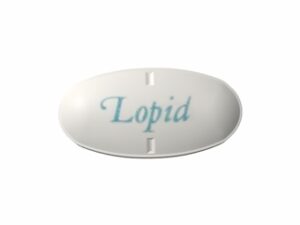
Gemfibrozil (Lipid-regulating medicine) — Patient Guide (UK)
Gemfibrozil is a medicine used to improve blood lipid levels, particularly when triglycerides are high. It belongs to a group of medicines called fibrates. This guide explains how gemfibrozil works, when it is used, how it is taken, and important safety information—written for patients and families in the United Kingdom.
Note: Everyone’s needs are different. Your healthcare professional will consider your medical history and any other medicines you take before advising gemfibrozil.
Quick product information
- Generic name: Gemfibrozil
- Medicinal group: Fibrate (lipid-regulating medicine)
- Common form: Tablets
- What it is for: High triglycerides (fats) in the blood; sometimes used when cholesterol patterns are also relevant
- Brand names: Vary by manufacturer/availability in the UK
How gemfibrozil works (mechanism of action)
Gemfibrozil helps to reduce triglycerides and, to a lesser extent, can improve certain cholesterol measures. It primarily works by:
- Activating PPAR-α (peroxisome proliferator-activated receptor alpha): This influences how the liver handles fats.
- Reducing triglyceride production: Gemfibrozil helps lower the amount of triglycerides made in the liver.
- Increasing triglyceride breakdown: It can enhance the activity of enzymes involved in lipid clearance from the bloodstream.
- Improving lipid profile: Typically lowers triglycerides and may raise HDL (“good” cholesterol) modestly.
Why this matters: High triglycerides can be associated with lifestyle factors and medical conditions (such as diabetes or obesity). Very high triglycerides can also increase the risk of pancreatitis (inflammation of the pancreas).
What gemfibrozil is used for in the UK
Gemfibrozil is generally considered when blood fats are raised, especially when triglycerides are markedly elevated. Typical reasons include:
- Hypertriglyceridaemia (high triglycerides), particularly when levels are high enough to raise concern about pancreatitis.
- When lipid abnormalities are present and the prescriber judges that a fibrate is appropriate alongside or after lifestyle measures.
Important: Gemfibrozil is not a general “cholesterol-lowering” medicine like some statins. Its strongest effect is on triglycerides.
Pharmacokinetics: how the body handles gemfibrozil
“Pharmacokinetics” describes how the medicine is absorbed, distributed, metabolised, and eliminated.
- Absorption: Gemfibrozil is absorbed from the gut after taking a tablet.
- Distribution: It distributes into tissues and is carried in the bloodstream.
- Metabolism: The medicine is processed mainly by the liver.
- Elimination: Metabolites are eliminated largely through the kidneys and other routes.
- Half-life: Gemfibrozil has a duration of action that supports dosing schedules often taken once or twice daily depending on the regimen.
Because the liver and kidneys help process and clear gemfibrozil, dose suitability can depend on liver function and kidney function. Your clinician may monitor blood tests during treatment.
How to take gemfibrozil: timing and practical instructions
Typical timing
Gemfibrozil is commonly taken:
- Once or twice daily depending on your prescribed regimen
- With meals as advised
Why with meals? Taking gemfibrozil with food can help reduce stomach upset for some people and may improve tolerability. Your healthcare professional will provide the exact schedule.
Practical use tips
- Take at the same times each day to maintain steady drug levels.
- Swallow whole with water unless your medicine label instructs otherwise.
- Don’t double up to make up for a missed dose—follow your prescriber/pharmacist advice or the instructions on the medicine label.
- Keep lifestyle measures going: Diet, weight management, and reducing alcohol and refined sugars can significantly affect triglycerides.
Food interactions and absorption
Gemfibrozil can be taken with food in many regimens. Food may:
- Support better tolerability (less nausea/indigestion for some people).
- Influence absorption timing slightly (not usually a reason to avoid food).
Practical advice: If you experience stomach upset, taking it with meals is often more comfortable. If you’re unsure, check the label or ask a pharmacist.
Alcohol interactions
Alcohol can significantly affect triglyceride levels. Even if gemfibrozil lowers triglycerides, heavy alcohol intake may counteract improvement and increase the risk of complications associated with high triglycerides.
- Recommended approach: If your triglycerides are high, consider limiting alcohol strongly or avoiding it unless your clinician advises otherwise.
- Watch for warning signs: Severe abdominal pain, nausea/vomiting, or feeling very unwell may signal pancreatitis and requires urgent medical attention.
Medicine interactions: alcohol and drug safety
Gemfibrozil can interact with several medicines. Some interactions increase risk of myopathy or rhabdomyolysis (muscle injury), while others may alter blood levels of either gemfibrozil or the interacting drug.
Key interaction risks
- Statins (cholesterol medicines): Using gemfibrozil with statins can increase the risk of serious muscle side effects. A clinician may choose an alternative strategy or adjust therapy carefully.
- Other lipid-lowering medicines: Combination therapy requires careful monitoring.
- Blood thinners (anticoagulants), e.g., warfarin: Gemfibrozil can increase the effect of some anticoagulants, raising bleeding risk. Blood clotting tests may need adjustment.
- Repaglinide (diabetes medicine): Can interact and affect blood sugar; close monitoring is needed.
- Some immunosuppressants and other medicines metabolised in similar pathways: This can change drug levels and side-effect risk.
General interaction precautions
- Tell your pharmacist about all medicines you take, including over-the-counter products and herbal supplements.
- Do not start or stop medicines without advice, especially lipid-lowering and diabetes medications.
- If you develop unexplained muscle pain, weakness, or dark urine, seek urgent advice.
Indications: when gemfibrozil is considered
In UK clinical practice, gemfibrozil may be considered in adults with significantly raised triglycerides, particularly when there is concern about pancreatitis risk and when other approaches are insufficient.
It may also be used as part of a broader management plan that addresses:
- Diabetes control (high triglycerides often worsen when blood sugar is not well controlled)
- Thyroid function (hypothyroidism can elevate lipid levels)
- Weight and diet
- Alcohol intake
- Underlying genetic or secondary causes of hypertriglyceridaemia
Dosing: usual adult regimens
Dose depends on your lipid levels, other conditions, kidney/liver function, and interacting medications. The most commonly used adult approach is:
- Typically 600 mg given twice daily in many regimens (with meals), or
- Once daily regimens may exist depending on the formulation and clinical plan.
Always follow the dose on your medicine label. If you are unsure, ask a pharmacist.
How to handle missed doses
- Take the missed dose as soon as you remember if it’s close to the next dose.
- If it’s nearly time for your next dose, skip the missed dose and return to your schedule.
- Do not double your dose to catch up.
Monitoring (common in practice)
Your prescriber may monitor:
- Lipid profile (triglycerides, cholesterol)
- Liver function tests (gemfibrozil can affect liver enzymes)
- Kidney function (particularly if you have kidney disease)
- Possible blood count or other tests if indicated
Safety profile: side effects and when to seek help
Like all medicines, gemfibrozil can cause side effects. Many people tolerate it well, but some adverse effects can be serious.
Common side effects
- Stomach or digestive upset (e.g., indigestion, nausea, abdominal discomfort)
- Headache
- Dizziness or general tiredness in some people
- Changes in blood test results (e.g., liver enzymes)
Serious side effects (seek prompt medical advice)
Contact urgent medical services or seek urgent care if you experience:
- Signs of muscle injury: unexplained muscle pain, tenderness, weakness, or dark/cola-coloured urine
- Symptoms of pancreatitis: severe upper abdominal pain (may spread to the back), vomiting, feeling very unwell
- Allergic reaction: swelling of the face/lips, rash, breathing difficulties
- Yellowing of skin/eyes (jaundice) or severe fatigue with dark urine (possible liver problems)
Who needs extra caution?
- People with kidney disease
- People with liver disease
- Older adults or those taking multiple medicines
- People who take medicines that interact with gemfibrozil (e.g., certain lipid-lowering or blood-thinning medicines)
Safety in pregnancy and breastfeeding (general considerations)
Gemfibrozil may not be suitable for everyone during pregnancy or breastfeeding. If you are pregnant, trying to become pregnant, or breastfeeding, discuss this with your healthcare professional. Safety is individual and may depend on why the medicine is being used.
Practical use tips for better results
Gemfibrozil works best as part of a whole plan. These practical steps can help improve triglycerides and reduce risk:
- Follow a lipid-friendly diet: reduce added sugars and refined carbohydrates; choose healthier fats in moderation.
- Increase physical activity: regular exercise can improve triglycerides and overall cardiovascular risk.
- Maintain a healthy weight: even modest weight loss can significantly reduce triglycerides.
- Manage diabetes: good blood sugar control often leads to improvements in triglycerides.
- Limit or avoid alcohol: especially if triglycerides are high.
- Attend blood test appointments: monitoring supports safety and checks effectiveness.
Alternative options (depending on your lipid pattern)
Depending on why your triglycerides are high and your cardiovascular risk, clinicians may consider other strategies or medicines. Alternatives may include:
- Statins: primarily lower LDL cholesterol; may be used if overall cardiovascular risk is high.
- Omega-3 fatty acid preparations: can help reduce triglycerides in some cases.
- Other fibrates (e.g., fenofibrate): may be appropriate for some patients.
- Diabetes and thyroid treatments: optimising underlying causes can reduce triglycerides without changing lipid medicines.
- Lifestyle interventions: diet, weight management, exercise, and alcohol reduction are foundational.
Important: The “best” alternative depends on your medical history and the specific mix of lipid problems. Your prescriber can help determine the safest option for you.
United Kingdom market and legal context (patient-friendly overview)
In the UK, gemfibrozil availability and how it is supplied is governed by medicines regulations. Many lipid-regulating medicines are controlled to ensure safe use and appropriate monitoring.
For patients:
- Make sure you buy medicines from a legitimate UK-registered pharmacy.
- Check that the packaging and labelling include correct product details and the expected strength.
- Keep all medicines in their original packaging to help with identification and expiry dates.
Online pharmacy availability: Products may be listed in different ways depending on local rules, stock, and supplier arrangements. Availability can change.
Recent guidance and clinical approach (high-level)
Lipid management guidance in the UK emphasises a risk-based approach and the importance of addressing underlying causes of raised triglycerides. In practice this often includes:
- Prioritising lifestyle and secondary cause management (diet, weight, diabetes control, thyroid checks).
- Assessing cardiovascular risk alongside triglyceride levels.
- Monitoring for side effects and drug interactions when fibrates or combination therapy is considered.
- Reviewing treatment regularly to ensure benefit and safety.
Specific recommendations may evolve with new research and national or professional guidance. Your clinician can confirm the current best approach for your circumstances.
Delivery and availability (UK)
Online pharmacies in the UK typically provide:
- Delivery options: standard and tracked courier services are common.
- Packaging: medicines are usually dispatched in secure, tamper-evident packaging.
- Stock updates: availability may vary by strength, brand, and supplier.
Availability tip: If your preferred pack size or strength is not available, the pharmacy may offer a suitable alternative product form/strength—only if permitted and appropriate.
FAQ: Gemfibrozil (United Kingdom)
1) What does gemfibrozil lower most?
Gemfibrozil lowers triglycerides in particular. It may also improve other parts of the lipid profile, but its strongest effect is on triglycerides.
2) How quickly will I notice results?
Lipid levels can begin to improve within weeks. Your clinician will typically check blood tests after an interval to confirm response and safety.
3) Can I take gemfibrozil with food?
Often, gemfibrozil is taken with meals as part of the recommended regimen. If your label says “with food,” try to follow that timing. If you’re unsure, ask a pharmacist.
4) Is it safe with alcohol?
Alcohol can worsen triglycerides. If your triglycerides are high, it’s generally best to limit or avoid alcohol unless your clinician advises otherwise.
5) What medicines commonly interact with gemfibrozil?
Gemfibrozil can interact with several medicines, including certain statins, blood thinners (like warfarin), and some diabetes medicines (e.g., repaglinide). Always provide a full list of medicines and supplements to your pharmacy.
6) What should I do if I feel muscle pain?
If you experience unexplained muscle pain, weakness, or dark urine, stop and seek urgent medical advice. These symptoms can indicate serious muscle side effects.
7) Can gemfibrozil cause pancreatitis?
Gemfibrozil is not typically described as a direct cause of pancreatitis, but pancreatitis risk is strongly linked to high triglycerides. If you develop severe upper abdominal pain with vomiting, seek urgent care.
8) Will I need blood tests?
In many cases, yes. Your clinician may monitor lipids, liver function, and kidney function to ensure effectiveness and safety.
9) What if I miss a dose?
Take it when you remember unless it’s close to the next dose. If close, skip the missed dose. Do not double doses. Follow your label instructions or pharmacist advice.
10) What are the alternatives if gemfibrozil isn’t suitable?
Alternatives may include other lipid-lowering strategies such as statins, omega-3 fatty acids, different fibrates, or treating underlying causes (e.g., diabetes control, thyroid treatment). Your healthcare team can advise based on your lipid pattern and risk factors.
Summary
Gemfibrozil is a fibrate medicine used mainly to reduce high triglycerides. It helps the liver manage fats and supports clearance of triglycerides from the bloodstream. It is typically taken with meals as part of a regular daily schedule, and results are monitored using blood tests.
Because gemfibrozil can interact with other medicines and can rarely cause serious side effects—especially related to muscles—it’s important to disclose all medicines and supplements, limit alcohol (particularly if triglycerides are high), and seek prompt advice for concerning symptoms.
If you have questions about your specific medicine, dose, or suitability, contact a pharmacist.