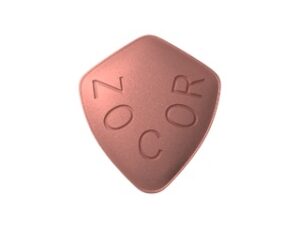
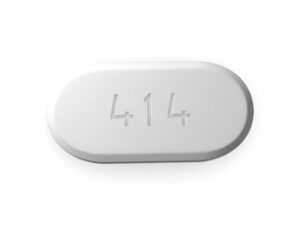
Crestor (Rosuvastatin) – Patient-Friendly Guide (UK)
Crestor is a medicine containing rosuvastatin, a statin used to help reduce cholesterol levels and lower the risk of cardiovascular events such as heart attack and stroke. This page explains how Crestor works, how it is typically taken, important interactions, and what to expect when starting treatment. Always follow the advice given by your healthcare professional and read the patient information leaflet that comes with your medicine.
Quick Facts
- Medicine: Crestor (rosuvastatin)
- Class: Statin (HMG-CoA reductase inhibitor)
- Common purpose: Lower LDL (“bad”) cholesterol and reduce cardiovascular risk
- Typical frequency: Once daily
- Common timing: Any time of day; many people take it in the evening or at a consistent time
- Key safety watch-outs: Muscle symptoms, liver-related concerns, and interactions with certain medicines
Basic Product Information
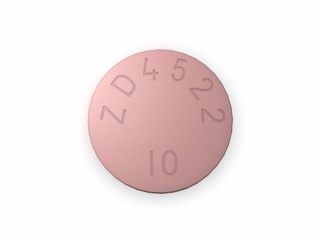
Crestor is available in several strengths (commonly 5 mg, 10 mg, 20 mg, and 40 mg tablets, depending on local availability). Rosuvastatin reduces cholesterol production in the liver and helps the body clear LDL cholesterol from the bloodstream.
What is rosuvastatin?
Rosuvastatin is a statin. Statins are among the most widely used medicines for cholesterol management and prevention of cardiovascular events. They are used both for people who already have cardiovascular disease and for those at higher risk.
How Crestor Works (Mechanism of Action)
Rosuvastatin works by blocking an enzyme in the liver called HMG-CoA reductase. This enzyme is involved in producing cholesterol. When cholesterol production falls, liver cells increase the number of LDL receptors on their surface, pulling more LDL cholesterol out of the blood.
In addition to lowering LDL cholesterol, statins often modestly improve other lipid measures such as:
- Lower triglycerides
- Small increase in HDL (“good”) cholesterol
Pharmacokinetics (What the Body Does With It)
Pharmacokinetics describes how the body absorbs, distributes, metabolises, and eliminates a medicine. For rosuvastatin, key points include:
- Absorption: Rosuvastatin is absorbed after oral dosing.
- Time to peak effect: Blood levels typically peak within a few hours after taking a tablet.
- Distribution: It largely acts in the liver, where it reduces cholesterol production and increases LDL receptor activity.
- Metabolism: Rosuvastatin is partially metabolised in the liver (involving CYP enzymes, though it is less dependent on metabolism via CYP3A4 compared with some other statins).
- Excretion: It is eliminated mainly via the liver/bile and also through the kidneys.
Practical implication: kidney or liver function can affect exposure to rosuvastatin, which is why dose adjustments and monitoring may be needed in certain people.
Typical Use in the UK
In the UK, statins like Crestor are commonly used in line with national clinical guidance to:
- Treat high cholesterol (particularly high LDL cholesterol)
- Reduce the risk of heart attack, stroke, and other cardiovascular events in appropriate groups
- Support long-term risk management alongside lifestyle measures (diet, exercise, smoking cessation, and weight management)
Indications (When Crestor may be used)
Doctors may consider rosuvastatin for conditions such as:
- Primary hypercholesterolaemia (including familial forms), where LDL reduction is required
- Mixed dyslipidaemia
- Raised cardiovascular risk as part of overall prevention strategies
- Established cardiovascular disease (secondary prevention), for example in people with a history of heart attack or stroke
The exact decision depends on your lipid profile, overall risk, medical history, and other factors such as age and co-existing conditions.
How to Take Crestor: Timing and Dosing
Crestor is usually taken as a once-daily tablet. Many statins can be taken at any time of day because their cholesterol-lowering effect is not strictly limited to nighttime. However, keeping a consistent routine is helpful.
Timing
- Once daily, at a time you can remember.
- If you take it with other medicines, your prescriber or pharmacist may suggest spacing for interaction reasons (see below).
- Try not to miss doses—if you do, follow the guidance in the leaflet or ask a pharmacist.
Typical dosing (strengths)
Doses vary depending on the cholesterol goal and your individual risk and tolerability. Lower starting doses are often used in people who are older, have certain medical conditions, or are more likely to experience side effects.
| Situation | How dosing is commonly managed |
|---|---|
| Starting treatment | Often begins with a lower dose, then adjusted based on cholesterol response and safety. |
| Cholesterol goals | Dose may be increased if LDL targets are not met and the medicine is well tolerated. |
| Higher-dose therapy | Higher strengths (e.g., 40 mg) are typically reserved for people needing greater LDL reduction and may require additional monitoring. |
| Kidney or liver concerns / certain interactions | Dose adjustments may be needed, and some combinations may be avoided. |
Taking tablets correctly
- Swallow the tablet with water.
- You can usually take it with or without food (see food interaction notes below for specifics).
- If you have trouble swallowing tablets, discuss options with a pharmacist.
Food Interactions and What to Avoid
For most people, food does not significantly change rosuvastatin’s effect. However, some dietary considerations can matter for cholesterol control and for interactions with other medicines.
Grapefruit
Unlike some other statins, rosuvastatin is generally considered to have less concern for grapefruit interactions. Still, it’s wise to follow individual advice from your healthcare professional, especially if you are on multiple medicines.
Alcohol and high-cholesterol diets
While alcohol is not a direct “food” interaction in the same way as grapefruit, it can affect the liver and may increase the risk of liver-related side effects in certain people. See the alcohol section below.
Alcohol and Medicine Interactions
Rosuvastatin is generally taken long-term, and interactions are one of the most important safety topics. Inform your pharmacist about all medicines and supplements you take, including herbal products.
Alcohol
- Moderation is recommended.
- If you have a history of liver disease or abnormal liver blood tests, discuss alcohol use with your clinician.
- Report symptoms such as unusual tiredness, loss of appetite, dark urine, yellowing of eyes/skin, or persistent nausea promptly.
Medicine interactions (important examples)
Some medicines can increase rosuvastatin levels or raise the risk of muscle injury (myopathy/rhabdomyolysis). Others can affect cholesterol absorption or timing. Common categories to be aware of include:
- Cholestyramine / bile acid sequestrants: may bind statins and reduce absorption—your pharmacist may recommend spacing doses.
- Fibrates (e.g., gemfibrozil, fenofibrate): may increase muscle-related risk in combination with statins.
- Some antiviral and HIV medicines: can increase statin exposure.
- Some antibiotics / antifungals: may alter statin metabolism.
- Immunosuppressants (e.g., ciclosporin): can significantly affect rosuvastatin exposure.
- Anticoagulants such as warfarin: statins may interact with bleeding risk indirectly in some cases, and INR monitoring may be needed.
- Other lipid-lowering therapies: combination regimens require careful monitoring.
This is not a complete list. Always check with a pharmacist or clinician when starting, stopping, or changing doses of other medicines.
Muscle-related interaction risk
The risk of side effects affecting muscle increases with certain combinations and in people with risk factors such as:
- Older age
- Uncontrolled thyroid disease
- Kidney impairment
- Previous statin-associated muscle symptoms
- High-dose statin therapy
Safety Profile: Possible Side Effects
Like all medicines, Crestor can cause side effects. Many people tolerate rosuvastatin well, and the cardiovascular benefits often outweigh the risks for the right patients. If you are concerned, discuss symptoms promptly rather than stopping abruptly.
Common side effects
- Headache
- Stomach discomfort, nausea
- Muscle aches (mild discomfort can occur, but severe symptoms should be reported)
- Changes in blood tests (e.g., liver enzymes, sometimes blood sugar levels)
Serious side effects – seek urgent medical advice if these occur
- Muscle problems: persistent muscle pain, weakness, cramps, or dark/cola-coloured urine (possible severe muscle injury).
- Liver problems: yellowing of the skin/eyes, dark urine, severe fatigue, or right upper abdominal pain.
- Allergic reactions: swelling of the face/lips, difficulty breathing, rash or severe itching.
- Neurological symptoms (rare): unexplained numbness or weakness.
Monitoring (what clinicians may check)
Before and during therapy, healthcare professionals may check:
- Liver function tests (baseline and if symptoms occur)
- Lipid profile to confirm response
- Kidney function in certain patients
- Additional tests if you report muscle symptoms or are on interacting medicines
Pregnancy, breastfeeding, and fertility
Statins are generally not recommended during pregnancy and breastfeeding. If you are planning a pregnancy, are pregnant, or breastfeeding, discuss this with a healthcare professional promptly. If you become pregnant while taking a statin, seek urgent advice.
Practical Use Tips for Getting the Best Results
- Take it consistently: choose a time of day you can remember and stick to it.
- Keep up lifestyle measures: diet, exercise, and stopping smoking are still key—even with statin therapy.
- Review your medicines: use one pharmacy if possible and ask for an interaction check when adding supplements or new prescriptions.
- Know the “muscle symptom” signs: report muscle pain/weakness early, especially if accompanied by fever or unusual fatigue.
- Attend follow-up blood tests: they help confirm your cholesterol response and ensure safe ongoing use.
- Don’t stop suddenly without advice: stopping can raise cholesterol again; if side effects occur, adjustments are often possible.
Alternative Options to Consider
Depending on your cholesterol level, cardiovascular risk, and tolerance, alternative treatments may be considered. Options include:
Other statins
- Atorvastatin
- Simvastatin
- Pravastatin
- Fluvastatin
- Other rosuvastatin strengths or dosing strategies
Non-statin cholesterol-lowering medicines
- Ezetimibe (reduces cholesterol absorption)
- Bile acid sequestrants (help remove bile acids)
- PCSK9 inhibitors (injectable treatments for certain high-risk patients)
- Other targeted therapies may be used in specific circumstances
If you experience side effects on rosuvastatin, switching to a different statin or adjusting dose and monitoring can often help. The best option depends on your individual risk and lipid goals.
Market and Legal Context in the United Kingdom
Crestor (rosuvastatin) is a widely used medicine in the UK for cholesterol management and cardiovascular risk reduction. Medicines in this category are regulated by UK authorities and must be supplied in line with UK laws and pharmacy standards.
Recent guidance and clinical practice updates
In recent years, UK clinical practice has emphasised:
- Risk-based prevention (tailoring statin therapy to cardiovascular risk)
- Shared decision-making about benefits and side effects
- Evidence-based lipid targets and escalation strategies when targets are not met
- Careful monitoring for safety, particularly in higher-risk groups and when combined medicines increase interaction risk
Because recommendations can evolve, it’s helpful to follow the latest advice from your clinician and relevant national guidance bodies.
Delivery and Availability (UK)
Crestor availability may vary by strength and manufacturer batch. Many online pharmacies provide convenient home delivery across the UK. Delivery times can depend on stock status and your location.
- Availability: Check the specific strength on the website for up-to-date stock information.
- Packaging: Supplied in appropriate protective packaging with patient information.
- Storage: Store tablets as directed on the packaging (typically at room temperature, away from moisture and heat).
- Check expiry: Do not use medicines past their expiry date.
Frequently Asked Questions (FAQ)
1) Can I take Crestor with food?
Yes, rosuvastatin can usually be taken with or without food. If you take other medicines at the same time—especially bile acid sequestrants—your pharmacist may suggest spacing doses.
2) What time of day should I take it?
Most people can take Crestor once daily at any time. Choose a time that helps you remember, and keep it consistent.
3) How long does it take to work?
Cholesterol levels typically begin to change within the first few weeks. Doctors often check lipid blood tests after an interval to assess response and whether dose adjustments are needed.
4) Will I be on Crestor for life?
Many people take statins long-term, especially if they are using them for cardiovascular risk reduction. Your clinician will review your treatment regularly based on your response, tolerance, and overall health.
5) What should I do if I miss a dose?
If you miss a dose, take it when you remember unless it is close to the next scheduled dose. Avoid taking double doses. If you’re unsure, ask your pharmacist or check the leaflet supplied with your medicine.
6) Can I drink alcohol while taking Crestor?
Moderate alcohol intake may be compatible for many people, but alcohol can affect the liver. If you have liver disease, abnormal liver tests, or heavy alcohol use, discuss with a healthcare professional.
7) What muscle symptoms should worry me?
Contact medical advice promptly if you get unexplained muscle pain, tenderness, weakness, especially if it is severe, persistent, or associated with dark urine or fever. Mild aches can occur, but severe symptoms should not be ignored.
8) Are there medicines I must not take with rosuvastatin?
Some combinations can increase risk (for example, certain HIV medicines, ciclosporin, some antibiotics/antifungals, and certain lipid-lowering medicines). Always tell your pharmacist about all medicines and supplements you take.
9) Does Crestor affect the liver?
Statins can rarely affect liver function. Your clinician may check liver enzymes, especially at baseline or if symptoms arise. Seek urgent help if you develop signs of liver problems (e.g., yellow skin/eyes or dark urine).
10) What if I need to start a new medicine?
Before starting a new medicine, ask your pharmacist to check for interactions with rosuvastatin. This includes over-the-counter products and herbal supplements.
Safety Checklist Before and During Use
- Tell your pharmacist about all medicines and supplements you take.
- Check for muscle symptoms after starting or increasing the dose.
- Report liver warning signs promptly (yellowing, dark urine, severe fatigue).
- Attend monitoring (lipid tests and any safety blood tests your clinician recommends).
- Keep your dose consistent and don’t stop without advice.
Note: This information is intended to help you understand Crestor (rosuvastatin). It does not replace medical advice. If you have questions about your suitability, dosing, or side effects, speak to a healthcare professional.