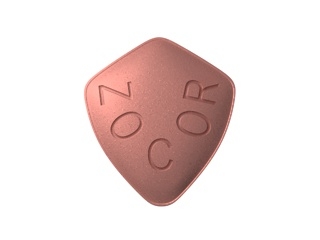

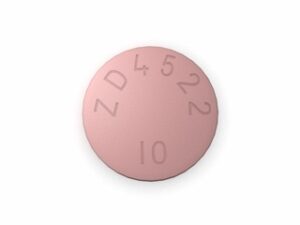
Zocor (Simvastatin) – Patient-Friendly Guide (United Kingdom)
Zocor contains simvastatin, a medicine used to lower cholesterol and reduce the risk of cardiovascular problems such as heart attacks and strokes. This guide explains how Zocor works, how it is typically used, key safety information, interactions (including food and alcohol), and practical tips for getting the best results.
This page is written for people living in the United Kingdom. Always follow the advice of your healthcare professional and the instructions on the medicine label. If you are unsure about your dose or how to take it, seek medical advice.
Quick facts
- Active ingredient: Simvastatin
- Medicine type: Statin (HMG‑CoA reductase inhibitor)
- Main purpose: Helps lower LDL (“bad”) cholesterol and triglycerides; can raise HDL (“good”) cholesterol
- Common dosing pattern: Often taken once daily in the evening
- Who it may help: People with high cholesterol and those at increased cardiovascular risk
- Important safety note: Simvastatin can rarely cause serious muscle problems and liver enzyme changes
Basic product information
| Feature | Details |
|---|---|
| Brand name | Zocor |
| Generic name | Simvastatin |
| How it works | Reduces cholesterol production in the liver and increases removal of LDL from the blood |
| Typical form | Tablets (strength depends on product pack) |
| Common dosing frequency | Once daily |
| Best-known benefits | Lower cholesterol; help reduce risk of cardiovascular events |
How Zocor (simvastatin) works
Statins reduce the body’s cholesterol production. Simvastatin works by inhibiting an enzyme called HMG‑CoA reductase, which plays a key role in the synthesis of cholesterol in the liver.
By lowering cholesterol production, the liver responds by:
- Increasing LDL receptors on liver cells
- Removing more LDL (“bad”) cholesterol from the bloodstream
- Improving the overall cholesterol profile (including modest reductions in triglycerides in many people)
Pharmacokinetics (how the body handles it)
“Pharmacokinetics” describes how the medicine is absorbed, processed, and eliminated. For simvastatin, the key points are:
- Absorption: After taking a tablet, simvastatin is absorbed from the gut and then processed in the liver.
- Activation: Simvastatin is a “pro‑drug” that is converted into its active form mainly in the body (including the liver).
- Metabolism: It is metabolised largely via the CYP3A4 pathway.
- Elimination: Metabolites are eliminated primarily through the bile and faeces.
- Timing matters: Cholesterol synthesis in the liver is higher at night, which is why many statins (including simvastatin) are commonly taken in the evening.
What Zocor is used for (indications)
Zocor is used to treat lipid (fat) disorders and to lower the risk of certain cardiovascular outcomes. Indications may vary by individual circumstances and clinical judgement.
Common reasons healthcare professionals may recommend it
- Raised LDL cholesterol and mixed dyslipidaemia, especially when lifestyle changes alone are not enough
- Primary prevention in people at increased risk of cardiovascular disease
- Secondary prevention to reduce the risk of further cardiovascular events in people with established cardiovascular disease
- Certain inherited lipid disorders (specialist management may be needed)
When you should expect benefit
Cholesterol levels typically start to improve within weeks. Many people have a measurable effect by about 4–6 weeks. Your clinician may monitor your blood tests and adjust the dose accordingly.
Typical dosing and timing
Dosing depends on your cholesterol levels, medical history, and other medicines you take. The information below is general and should not replace instructions from your healthcare professional.
General approach
- Usual start: Many adults start on a lower strength, then adjust if needed.
- Frequency: Usually once daily.
- Evening dosing: Often taken in the evening (for example, with dinner or at bedtime) because of natural nightly cholesterol production.
Adherence matters
Taking Zocor consistently helps maintain the cholesterol-lowering effect. If you miss a dose, follow the guidance from your healthcare professional or the patient leaflet.
Dose adjustments and special situations
- Kidney impairment: Some people may require dose adjustments and closer monitoring.
- Higher-risk patients: Those with a higher risk of muscle side effects may be managed with lower doses or selected statin options.
- Drug interactions: Certain interacting medicines can increase the risk of side effects; clinicians may lower the dose or choose an alternative.
How to take Zocor (practical instructions)
- Take once daily at the same time each day.
- Evening dosing: Many people take it in the evening; if your routine differs, discuss timing with your healthcare professional.
- Swallow whole with water (do not crush unless told otherwise by your pharmacist).
- Continue lifestyle measures (diet, exercise, weight management, stopping smoking where relevant).
Food interactions and dietary notes
Food interactions for simvastatin are most notable with grapefruit and grapefruit juice. These can increase simvastatin levels in the body and raise the risk of side effects.
Key food points
- Avoid grapefruit: Do not drink grapefruit juice or eat grapefruit while taking simvastatin.
- General diet: Your clinician may suggest a heart-healthy diet (for example, reducing saturated fat, adding fibre).
Taking Zocor with food is often convenient (for example, with dinner), but the most important dietary concern is grapefruit.
Alcohol and medicine interactions
Alcohol can affect the liver and may worsen liver health issues. Since statins can rarely cause liver enzyme elevations, it’s wise to use alcohol carefully.
Alcohol guidance (general)
- Moderation is advised: If you drink alcohol, discuss what level is safe for you.
- Be cautious if you have liver disease or a history of abnormal liver tests.
- Avoid binge drinking and seek medical advice if you develop symptoms like persistent nausea, dark urine, or yellowing of the skin/eyes.
Other medicines that can interact with simvastatin
Because simvastatin is metabolised by CYP3A4, medicines that inhibit this pathway can increase simvastatin concentrations, raising the chance of muscle-related side effects (such as myopathy or rhabdomyolysis).
Always tell your healthcare professional and pharmacist about all medicines you take, including over-the-counter products and herbal remedies. Some common interaction categories include:
- Antifungals (e.g., certain azoles)
- Macrolide antibiotics (e.g., clarithromycin)
- HIV antivirals (some agents)
- Some medicines for hepatitis C (certain combinations)
- Nefazodone (antidepressant)
- Some calcium channel blockers (certain types)
- Fibrates (for triglycerides), such as gemfibrozil or fenofibrate—may require caution and monitoring
- Niacin (nicotinic acid) in cholesterol treatment—can increase risk of side effects when combined
- Grapefruit (a food interaction, as above)
Your pharmacist can help check interactions before you start or stop any medicine. If you are given a new prescription or antibiotic course, ask whether it affects your simvastatin.
Safety profile: what to watch for
Simvastatin is generally well-tolerated, but like all medicines it can cause side effects. Most people experience no serious problems. The most important risks include muscle-related effects and liver enzyme changes.
Common side effects (often mild)
- Headache
- Digestive issues such as nausea, constipation or abdominal discomfort
- Muscle aches can occasionally occur (but severe pain should be reported promptly)
Serious side effects (seek urgent medical help)
Contact a healthcare professional urgently if you develop symptoms that may indicate serious muscle problems or liver issues.
- Severe muscle pain, tenderness, or weakness—especially if you also feel unwell or have fever. This can be a sign of rhabdomyolysis (rare, but potentially serious).
- Dark urine or reduced urine output (possible muscle breakdown effect).
- Signs of liver problems such as yellowing of the skin or eyes (jaundice), persistent nausea/vomiting, unusual tiredness, or dark urine.
- Allergic reactions such as swelling of the face/lips, breathing difficulty, or widespread rash (seek urgent care).
Who may be at higher risk of muscle side effects?
Risk can increase with factors such as:
- Higher statin doses
- Age (especially older adults)
- Kidney impairment
- Uncontrolled hypothyroidism
- Large amounts of alcohol intake
- Taking interacting medicines (especially strong CYP3A4 inhibitors)
- Previous history of statin intolerance or muscle injury
Monitoring
Clinicians often monitor blood tests periodically, including cholesterol levels and sometimes liver enzymes. If you develop symptoms, additional tests may be needed. Your doctor may also check blood creatine kinase (CK) if muscle symptoms occur.
Practical use tips for best results
- Keep your cholesterol plan simple: Take your tablet consistently and maintain your diet/exercise routine.
- Use a reminder: A daily alarm or phone reminder can help avoid missed doses.
- Check new medicines: Before starting antibiotics, antifungals, or other new treatments, ask your pharmacist about interactions with simvastatin.
- Don’t stop suddenly without advice: If you have side effects, discuss them—alternatives and dose adjustments may be possible.
- Report unusual symptoms early: Muscle pain, weakness, or dark urine should be treated as urgent.
- Be careful with supplements: Some herbal products may interact. Tell your pharmacist what you take, including supplements.
Alternative options
If simvastatin is not suitable (for example, due to interactions, intolerance, or the need for a different intensity of cholesterol lowering), healthcare professionals may consider other lipid-lowering options. Alternatives include:
Other statins
- Atorvastatin
- Rosuvastatin
- Pravastatin or Fluvastatin (less affected by certain interactions)
Non-statin options
- Ezetimibe (reduces cholesterol absorption)
- Bile acid sequestrants (bind bile acids in the gut)
- PCSK9 inhibitors (in selected patients)
- Fibrates (primarily for triglycerides; may be used with caution)
- Omega‑3 fatty acids (in some triglyceride cases, depending on formulation and advice)
The best alternative depends on your lipid profile, cardiovascular risk, other conditions, and any past side effects.
UK market and legal context (general information)
In the United Kingdom, statins are widely used to manage cholesterol and reduce cardiovascular risk. Zocor (simvastatin) is an established medicine, and it is available through pharmacy supply systems.
Availability and pack sizes may vary. Medicines in the UK are regulated and quality-assured through the appropriate regulatory and licensing processes. A pharmacy will supply the product in accordance with UK medicines requirements.
Recent guidance and clinical approach (overview)
UK clinicians typically follow national cholesterol and cardiovascular prevention guidance, which emphasises:
- Risk-based decisions (considering overall cardiovascular risk rather than cholesterol level alone)
- Lifestyle measures alongside medication
- Checking blood tests and monitoring response
- Choosing the right statin intensity for the patient
- Managing interactions and side effects promptly
Guidance may evolve. Your healthcare professional can confirm the most current recommendations for your situation.
Delivery and availability (online pharmacy)
Online pharmacies in the UK may offer home delivery for eligible medicines. Delivery times depend on your location and the processing schedule. Always ensure you order from a reputable UK-registered pharmacy.
- Availability: Stock can vary; if a specific strength is temporarily unavailable, the pharmacy may suggest an alternative option.
- Packaging: Medicines should be delivered in secure, tamper-evident packaging.
- Storage: Follow the storage instructions on the pack (usually store at room temperature and keep out of reach of children).
- Discreet delivery: Many online pharmacies provide discreet packaging.
FAQ about Zocor (simvastatin)
1) What is Zocor used for?
Zocor (simvastatin) is used to lower cholesterol—especially LDL (“bad”) cholesterol—and to reduce the risk of cardiovascular events such as heart attacks and strokes.
2) How long does it take to work?
Many people see cholesterol improvements within a few weeks. Follow-up blood tests are often done around 4–6 weeks after starting or changing the dose.
3) When should I take simvastatin?
Simvastatin is commonly taken once daily in the evening. Try to take it at the same time each day. If you have specific instructions from your clinician, follow those.
4) Can I take it with food?
Yes, many people take it with or after dinner. Food does not remove the need to avoid grapefruit, which is the main dietary interaction.
5) Is grapefruit juice safe?
No—it's generally advised to avoid grapefruit and grapefruit juice while taking simvastatin, as it can increase blood levels and side effect risk.
6) What alcohol is safe?
There isn’t a single rule for everyone. If you drink alcohol, aim for moderation and discuss what’s safe for you—especially if you have liver problems or a history of abnormal liver tests.
7) What medicines commonly interact with simvastatin?
Interactions can occur with medicines that affect CYP3A4, including certain antibiotics (like clarithromycin), antifungals, HIV antivirals, some hepatitis C treatments, and some calcium channel blockers. Always check with your pharmacist before starting new medicines.
8) What should I do if I miss a dose?
If you miss a dose, the usual approach is to take it when you remember unless it is close to the next dose. Your patient leaflet or pharmacist can provide advice specific to your dosing schedule.
9) Can I stop Zocor if my cholesterol improves?
Cholesterol often rises again if statin treatment is stopped. Many people take statins long-term to maintain cardiovascular protection. If you want to stop, discuss it first with your healthcare professional.
10) What side effects require urgent help?
Seek urgent medical advice if you develop severe muscle pain/weakness, dark urine, symptoms of liver problems (for example, jaundice), or signs of allergic reaction.
11) Is simvastatin suitable for everyone?
Suitability depends on your age, medical history, liver/kidney health, and interacting medicines. Your clinician will assess whether simvastatin is appropriate and at what dose.
12) Are there alternatives if I get muscle aches?
Yes. Many people can switch to a different statin, adjust dose, or use a non-statin option. The right plan depends on the cause and severity of symptoms.
When to speak to a healthcare professional
Contact a healthcare professional if you:
- Develop new or worsening muscle pain, tenderness, weakness, or unusual fatigue
- Notice symptoms that could indicate liver problems
- Start a new medicine or supplement and are unsure about interactions
- Have vomiting or severe illness (which may affect how your body handles medicines)
- Have questions about cholesterol targets or follow-up blood tests
Summary
Zocor (simvastatin) is a statin medicine that helps reduce cholesterol production in the liver and improves blood lipid levels. When taken consistently—alongside a heart-healthy lifestyle—it can help lower the risk of cardiovascular events. Key safety points include avoiding grapefruit, being cautious with interacting medicines, and promptly reporting muscle symptoms or signs of liver problems.