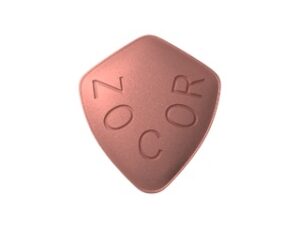
Simvastatin (Medicine Information) — Patient-Friendly Guide (UK)
Simvastatin is a widely used medicine from the statin family. It helps lower cholesterol levels and reduces the risk of certain cardiovascular events. This guide explains how simvastatin works, how it is typically taken in the United Kingdom, what to consider with food, alcohol, and other medicines, and what safety steps can help you use it confidently.
Note: Always follow the advice of your healthcare professional and the instructions on your medicine label. If you have questions about your individual situation, speak to a pharmacist or prescriber.
1) Basic product information
- Generic name: Simvastatin
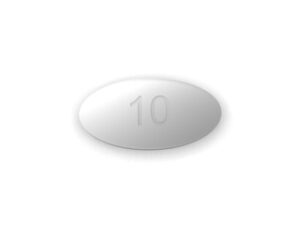
- Medicinal form: Tablets (commonly available in different strengths, e.g., 10 mg, 20 mg, 40 mg; availability may vary)
- Pharmacological group: Statin (HMG-CoA reductase inhibitor)
- Common uses: Lowering LDL (“bad”) cholesterol, triglycerides, and reducing cardiovascular risk
- Brand names: Brand availability varies; simvastatin is commonly sold under various brand names
Simvastatin may be prescribed for people who need cholesterol lowering to support heart and blood vessel health, especially for those with established cardiovascular disease or higher risk based on factors such as age, diabetes, smoking history, and family history.
2) What simvastatin does (mechanism of action)
Simvastatin works by reducing cholesterol production in the liver. Specifically, it inhibits an enzyme called HMG‑CoA reductase. This enzyme is a key step in the body’s production of cholesterol.
- Reduces LDL cholesterol by decreasing hepatic cholesterol synthesis.
- Increases LDL receptor activity, helping the liver clear LDL from the bloodstream.
- May reduce triglycerides and modestly raise HDL (“good”) cholesterol in some people.
Over time, lower cholesterol levels help reduce plaque buildup in arteries and lower the risk of heart attacks and strokes in appropriate groups.
3) Pharmacokinetics (how the body handles simvastatin)
Understanding pharmacokinetics can help explain why timing and interactions matter.
- Absorption: Simvastatin is absorbed from the gut, but overall bioavailability is relatively low because of first-pass metabolism in the liver.
- Activation: Simvastatin is a prodrug—it is converted into its active metabolites primarily in the liver.
- Metabolism: Mainly through the CYP3A4 enzyme system.
- Half-life: The active metabolites have a prolonged effect, which contributes to its once-daily dosing in many regimens.
- Elimination: Primarily via the biliary route (through the liver into bile), with some excretion in faeces.
Why this matters: Medicines that inhibit CYP3A4 can increase simvastatin levels in the body, raising the risk of side effects such as muscle injury (myopathy/rhabdomyolysis). Food patterns and timing can also influence how the medicine behaves.
4) Typical uses in the UK
Simvastatin is used to manage cholesterol levels and to reduce cardiovascular risk. It may be used as part of a broader approach that includes diet, exercise, and lifestyle changes.
Common indications
- Primary hypercholesterolaemia (high LDL cholesterol) when diet and lifestyle measures are not sufficient.
- Mixed dyslipidaemia (elevated cholesterol and triglycerides).
- Prevention of cardiovascular events in people at increased risk, particularly those with established cardiovascular disease.
- After certain cardiovascular events (such as some forms of coronary heart disease), to help reduce the chance of further events.
Your clinician will consider your overall risk profile, cholesterol results, other medical conditions, and current medicines before choosing the dose and target.
5) How and when to take simvastatin (timing guidance)
Simvastatin is often taken once daily. Many people are advised to take it in the evening because cholesterol synthesis in the body is naturally higher at night.
- Typical timing: Evening, unless your clinician/pharmacist instructs otherwise.
- Consistency: Try to take it at around the same time each day.
- If you miss a dose: Take it when you remember unless it is close to the next dose. Do not take a double dose.
Follow your specific label instructions, as different regimens may be used depending on your situation.
6) Food interactions and diet considerations
Food can influence simvastatin in a few important ways:
- Grapefruit and grapefruit juice: Avoid grapefruit products. Grapefruit can interfere with CYP3A4 and may increase simvastatin levels, raising the risk of muscle-related side effects.
- General meals: Taking simvastatin with or without food is often possible; however, if you experience stomach upset, consider taking it with food (unless your clinician advises otherwise).
Lifestyle remains essential: Statins work best alongside dietary measures such as reducing saturated fats, increasing fibre (e.g., oats, beans, wholegrains), and maintaining a healthy weight.
7) Alcohol and medicine interactions
Alcohol considerations
Moderate alcohol use may be tolerated by many people taking statins, but heavy or binge drinking can increase the risk of liver problems and may worsen overall risk.
- Avoid binge drinking.
- Seek medical advice if you have liver disease, drink heavily, or have had abnormal liver blood tests.
Interactions with other medicines (key points)
Because simvastatin is metabolised by CYP3A4, certain medicines can significantly increase simvastatin concentrations. This may increase the risk of muscle injury and liver effects.
Examples of interactions to discuss urgently with a pharmacist or clinician:
- Strong CYP3A4 inhibitors (often require avoiding simvastatin or using an alternative statin):
- Some antibiotics (e.g., clarithromycin)
- Some antifungals (e.g., ketoconazole, itraconazole)
- HIV medicines (certain protease inhibitors)
- Some medicines for hepatitis C (depending on regimen)
- Other lipid-lowering medicines:
- Fibrates (e.g., gemfibrozil, fenofibrate) may increase muscle risk, particularly at higher statin doses.
- Niacin may increase risk of side effects in some situations.
- Certain heart rhythm and cardiovascular medicines may interact depending on type and dose.
- Grapefruit/grapefruit juice should be avoided.
- Some immunosuppressants may also increase risk (details vary by agent).
- Warfarin (and other medicines affecting blood clotting): statins can sometimes alter effects; monitoring may be needed.
Important: This is not a complete list. Always tell your healthcare team about all medicines, supplements, and herbal products you take (including over-the-counter and “natural” remedies).
8) Dosing (typical approach in practice)
Simvastatin dosing is individualised. Factors include your cholesterol levels, overall cardiovascular risk, age, kidney/liver function, and risk of drug interactions.
General dosing principles
- Start dose: Often determined by baseline LDL cholesterol and risk level.
- Adjustment: Dose may be adjusted after blood tests to reach cholesterol targets.
- Maximum dose: Maximum dose limits may depend on interacting medicines and individual risk factors.
- Adherence: Regular daily use is important for effectiveness.
Typical adult dosing (general reference)
Many regimens start in the range of 5–20 mg once daily or 10–20 mg depending on the clinical context, with possible increases for higher-risk patients under supervision. Exact dosing and maximum limits should be confirmed from your product label and prescriber instructions.
If you are taking interacting medicines, your clinician may choose a different statin or use a lower dose to reduce risk.
9) Safety profile: common side effects and warning signs
Most people tolerate simvastatin well, but like all medicines it can cause side effects. The majority are mild and temporary, but some effects require prompt medical attention.
Common side effects (may occur)
- Headache
- Stomach upset (e.g., nausea, constipation, diarrhoea)
- Muscle aches or mild muscle discomfort (often without significant blood test abnormalities)
- Raised liver enzymes on blood tests (usually detected during monitoring)
Serious side effects — seek medical help promptly
- Muscle injury (myopathy/rhabdomyolysis):
- Unexplained muscle pain, tenderness, weakness, or cramps
- Especially if accompanied by fever or dark/tea-coloured urine
- Liver problems:
- Yellowing of skin/eyes (jaundice)
- Severe fatigue, dark urine, or persistent upper abdominal pain
- Allergic reactions:
- Swelling of face/lips, rash, severe itching, breathing difficulties
Monitoring (typical UK practice)
- Cholesterol blood tests: to confirm response and guide dose adjustments.
- Liver blood tests: may be done at baseline and when clinically indicated.
- Muscle-related assessment: if you develop symptoms, blood tests (e.g., creatine kinase) may be considered.
10) Practical use tips for everyday life
- Make it routine: Use a daily reminder (phone alarm, calendar) to help you remember your evening dose.
- Keep a medicine list: Include all prescriptions, over-the-counter products, supplements, and herbal remedies. Show this list to every healthcare professional you see.
- Avoid grapefruit: Check food and drinks labels (including “natural” juices).
- Report muscle symptoms early: Don’t “push through” significant muscle pain—contact a pharmacist or clinician for advice.
- Stay hydrated and active: Gentle regular physical activity supports overall cardiovascular health. If you start an exercise programme, increase gradually.
- Don’t double up: If a dose is missed, follow standard missed-dose guidance and resume your usual schedule.
11) Alternative statin options (if simvastatin isn’t suitable)
If you cannot take simvastatin due to interactions, side effects, or insufficient effect, your clinician may consider another statin or a non-statin option.
Other statins commonly considered
- Atorvastatin
- Rosuvastatin
- Pravastatin (often considered where interactions are a concern)
Non-statin options (depending on eligibility)
- Ezetimibe
- PCSK9 inhibitors
- Bempedoic acid (in selected cases)
- Omega-3 fatty acids may be used for certain triglyceride patterns in some contexts
The best choice depends on your lipid profile, cardiovascular risk, other medicines, kidney/liver function, and how you tolerate therapy.
12) UK market and legal context (what to expect)
In the UK, medicines containing simvastatin are regulated and supplied in accordance with UK medicines legislation and prescribing/supply standards. Information on statins forms part of routine cardiovascular risk management, and cholesterol targets may vary based on individual risk and clinical guidelines.
Recent guidance and updates: UK clinical practice is influenced by national and international cardiovascular prevention guidance and evidence from clinical trials. Over time, guidance has increasingly focused on:
- Risk-based prevention (choosing intensity of treatment based on overall cardiovascular risk)
- Safety monitoring (especially for muscle and liver effects)
- Managing drug interactions to reduce adverse outcomes
- Shared decision-making (discussing benefits, risks, and patient preferences)
Your pharmacist can also advise on general medication safety, checking interactions, and supporting adherence.
13) Delivery and availability (online pharmacy considerations in the UK)
Availability can vary by strength and formulation. When ordering online, you may be asked to confirm that you understand the medicine’s use and safety information.
- Stock status: Most online pharmacies show real-time availability where possible.
- Delivery: Delivery time depends on courier and your location within the UK.
- Packaging: Medicines are typically supplied in manufacturer packaging with patient information included.
- Cold chain: Simvastatin tablets generally do not require refrigeration.
If simvastatin is temporarily out of stock, the pharmacy may offer an alternative strength or equivalent option, subject to availability and clinical appropriateness.
14) Summary table: key practical points
| Topic | What to know |
|---|---|
| Drug name | Simvastatin (statin) |
| Why it’s used | Lowers LDL cholesterol and helps reduce cardiovascular risk |
| How it works | Inhibits HMG‑CoA reductase in the liver |
| How often | Usually once daily |
| Timing | Often taken in the evening |
| Food interaction | Avoid grapefruit/grapefruit juice |
| Alcohol | Avoid heavy drinking; seek advice if you drink heavily or have liver disease |
| Major interactions | Medicines that inhibit CYP3A4 (some antibiotics/antifungals/HIV meds), fibrates in some cases |
| Seek help | Unexplained muscle pain/weakness or dark urine; signs of liver issues |
15) FAQ — Frequently asked questions
How long does it take for simvastatin to work?
Cholesterol reductions can begin within days, but the full effect is usually assessed after a few weeks. Your clinician/pharmacist may schedule repeat blood tests to check response and decide if dose adjustment is needed.
Can I take simvastatin if I have diabetes?
Many people with diabetes take statins to reduce cardiovascular risk. However, your overall risk and your other medicines matter. Tell your healthcare professional about your diabetes medicines and any history of kidney or liver problems.
What should I do if I get muscle aches?
Mild muscle discomfort can occur, but you should not ignore severe or persistent symptoms. Contact a pharmacist or clinician promptly—especially if you also have weakness, fever, or dark urine. Do not stop the medicine without advice unless instructed urgently.
Is it safe to take simvastatin with common painkillers?
Some painkillers are generally compatible, but it depends on the specific product and your health status. Always mention your full medicine list to your pharmacist. If you require regular anti-inflammatory medicines, ask whether monitoring is needed.
Can I drink alcohol while taking simvastatin?
Many people can drink small amounts of alcohol without issues. However, heavy or regular high intake may increase liver risk. If you have liver disease or abnormal liver tests, ask your clinician/pharmacist for personalised advice.
Do I need blood tests?
Blood tests are commonly used to monitor cholesterol response and check liver enzymes where appropriate. If you develop symptoms such as muscle pain or signs of liver problems, additional blood tests may be needed.
What if simvastatin upsets my stomach?
Stomach upset is usually mild. Taking the tablet consistently (often with food if your pharmacist advises it) and maintaining hydration may help. If symptoms persist or worsen, seek advice.
Can I switch from simvastatin to another statin?
Yes, switching may be done if you experience side effects, inadequate cholesterol lowering, or interaction concerns. The dose and timing should be adjusted by a clinician, with appropriate monitoring.
Are there herbal or “natural” products that can interact?
Yes. For example, some supplements and herbal products can affect liver enzymes or drug transport systems. Always check with a pharmacist before starting any new supplements.
Where can I find the most up-to-date safety information?
Your package leaflet contains detailed safety information. If you have concerns about interactions or side effects, your pharmacist can provide tailored guidance based on your exact medicine and dose.
Important safety reminder
Simvastatin is effective for many people, but safety depends on correct dosing, avoiding known interactions (especially grapefruit and interacting medicines), and promptly addressing possible side effects. If you experience severe muscle symptoms, signs of liver problems, or any allergic reaction, seek medical advice urgently.
This page is for general information only and cannot replace advice from a healthcare professional.