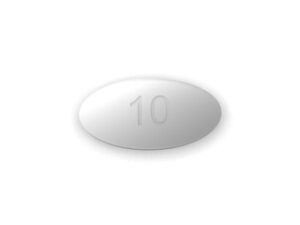
Ursodiol (Ursodeoxycholic Acid) — Patient-Friendly Guide (UK)
Ursodiol is a medicine used to treat certain bile-related conditions. The active substance is ursodeoxycholic acid (UDCA). It can help improve the flow and composition of bile and may dissolve specific types of cholesterol gallstones. It is also used in some chronic liver and bile-duct conditions where bile transport is impaired.
This guide is designed to be easy to read and helpful for people in the United Kingdom. It covers how Ursodiol works, how it is used, typical timing, interactions (including food, alcohol, and other medicines), safety considerations, and practical tips.
Basic product information
- Medicine name: Ursodiol
- Active ingredient: Ursodeoxycholic acid (UDCA)
- Common uses: Gallstones (selected types), and some conditions affecting bile flow
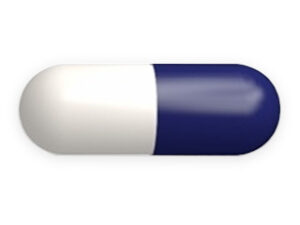
- Presentation (varies by brand): Capsules or tablets
- How it’s taken: By mouth
- Typical strength: Commonly 250 mg per dose (other strengths exist depending on the product)
Note: Brand availability and packaging can differ across UK suppliers. Always check the exact strength and directions on your product label or the enclosed patient information leaflet.
How Ursodiol works (mechanism of action)
Ursodeoxycholic acid is a naturally occurring bile acid found in smaller amounts in human bile. As a medicine, UDCA helps in several ways:
- Improves bile composition: UDCA becomes part of the bile acid pool, making bile less “aggressive” to the bile duct lining.
- Reduces cholesterol saturation: UDCA can help decrease cholesterol concentration in bile, which may encourage gradual dissolution of certain gallstones.
- Supports bile flow: It may help stimulate or improve bile secretion and flow, which can be beneficial in bile transport disorders.
- Protects liver and bile ducts: UDCA can reduce bile acid–related damage at the cellular level and may have anti-inflammatory effects in certain conditions.
Pharmacokinetics (how the body handles it)
Understanding how Ursodiol is processed can help with expectations about timing and consistency.
- Absorption: UDCA is absorbed in the small intestine.
- Distribution: It is distributed via bile and reaches the liver, where it helps form bile.
- Metabolism and elimination: UDCA is processed within the enterohepatic circulation (a cycle between the intestine and liver). A portion is broken down by intestinal bacteria and reabsorbed; the rest is eliminated in faeces.
- Onset of effect: For gallstone dissolution, effects are typically gradual and may take months. For chronic bile-duct disorders, biochemical improvements (such as liver blood tests) may be monitored over time.
Typical uses in the UK
Ursodiol/UDCA is used for specific indications. The exact use depends on the diagnosis and product guidance.
1) Cholesterol gallstones (selected patients)
UDCA may be used to dissolve cholesterol gallstones in the gallbladder when certain criteria are met (for example, small stones and a functioning gallbladder).
2) Primary biliary cholangitis (PBC)
In some bile-duct diseases, such as primary biliary cholangitis, UDCA is used to improve bile flow and reduce bile-related liver injury.
3) Other cholestatic or bile-transport conditions
Your clinician may consider UDCA in other situations affecting bile flow, depending on current local guidance and the underlying diagnosis.
Important: Not all gallstones or bile-duct conditions respond to UDCA. Response depends on stone type and disease characteristics.
Indications and eligibility (what it’s for—and what it’s not)
Ursodiol is generally considered when:
- There is evidence of cholesterol gallstones that may be suitable for medical dissolution.
- There is cholestatic liver disease such as PBC where UDCA is an established therapy.
- There is a recognised need to improve bile flow or reduce bile acid–related injury.
It may be less suitable when:
- Gallstones are likely to be pigment stones (often not dissolved by UDCA).
- There is complete obstruction or certain complications where alternative management is required.
- There is severe disease progression requiring other therapies.
Dosing: typical schedules and how to take it
Always follow the dosing instructions provided with your specific product. Doses can differ depending on the condition being treated, your body weight (for some indications), and your response.
Common dosing approach
Ursodeoxycholic acid dosing is often weight-based for some liver/bile-duct conditions, and may be fixed for others.
The following are general examples of how it may be prescribed:
- Gallstone dissolution: A typical adult regimen is often around 8–10 mg/kg/day, divided into 1–2 doses.
- PBC and bile-duct conditions: Common regimens are typically around 13–15 mg/kg/day, usually split into 2–3 doses depending on tolerance and clinician preference.
Note: Exact dosing should be confirmed for your individual treatment plan.
Timing: when to take Ursodiol during the day
UDCA is usually taken regularly each day. Many people take it with meals to reduce stomach discomfort and to align with bile physiology. If your total daily dose is divided, aim for even spacing.
- If prescribed once daily: take it around the same time each day, typically with food.
- If prescribed twice or three times daily: take doses with meals or soon after meals.
Missed dose: If you miss a dose, take it when you remember unless it is close to the next dose. Do not take a double dose to make up for the missed one.
Food interactions and what to eat
Food can affect bile flow and gastrointestinal comfort. The most practical advice is to take Ursodiol with food (unless your product information or clinician advises otherwise).
Foods that may matter
- High-fat meals: These can stimulate bile release. For some people, taking UDCA with meals may help, but very heavy meals may also increase nausea or digestive discomfort.
- Fasting: Taking UDCA on an empty stomach may cause stomach upset for some individuals.
General approach
Choose a routine you can maintain long-term. If you experience nausea or discomfort, taking the dose with the main meal or dividing the dose (as advised) may help.
Alcohol interactions
Alcohol does not have a specific “direct” interaction with UDCA in the way some medicines do, but it can still affect your liver and bile system.
- If you have a liver condition (such as PBC), regular or heavy alcohol intake may worsen liver health and could counteract the goal of treatment.
- If you choose to drink, do so in moderation and discuss a safe level with your healthcare professional.
Practical advice: If you notice a worsening of symptoms after drinking (for example, increased itching, fatigue, or discomfort in the upper abdomen), avoid alcohol and seek medical advice.
Medicine interactions (important)
Several medicines can reduce or alter bile acid activity, or can affect absorption of medicines. Some interactions can be managed by spacing doses, while others require different therapy.
Medicines that may reduce bile acid effect
- Bile acid sequestrants (used for cholesterol): medicines such as cholestyramine or colestipol may bind bile acids in the gut. This can reduce UDCA effectiveness. If used together, they may need separation by several hours (seek advice).
Hormonal treatments
- Estrogen-containing medicines (including some hormone therapies): these can influence cholesterol levels in bile and may affect gallstone risk. This does not always mean UDCA cannot be used, but it should be considered by your clinician.
Other hepatically metabolised medicines
Ursodeoxycholic acid is generally well tolerated, but your overall liver function and medication list should be reviewed—especially if you take multiple medicines or have existing liver impairment.
What to do
- Keep an up-to-date list of all medicines (including over-the-counter products and herbal remedies).
- Ask a pharmacist or clinician about potential interactions.
- Do not start or stop medicines without advice.
Safety profile: side effects and when to seek help
Many people tolerate Ursodiol well. However, like all medicines, it can cause side effects.
Common or mild side effects
- Stomach discomfort or mild gastrointestinal upset
- Diarrhoea or loose stools
- Nausea
- Abdominal pain (usually mild)
Less common but important reactions
- Allergic reaction (rash, itching, swelling of face/lips, breathing difficulty)
- Worsening liver symptoms in certain circumstances (unusual fatigue, yellowing of skin/eyes, dark urine, persistent severe itching)
Seek urgent medical help if
- You develop signs of an allergic reaction such as swelling or trouble breathing.
- You have severe or persistent symptoms that concern you, particularly if you have known liver disease.
Who should be extra cautious?
- People with significant liver impairment or complex bile-duct disease should be monitored.
- Pregnancy and breastfeeding: discuss risks and benefits with a clinician.
- Children: dosing should be determined by a clinician familiar with paediatric bile-duct conditions.
Practical use tips (getting the best results)
UDCA is commonly used long-term for some bile-duct conditions, and often for months when dissolving gallstones. Consistency matters.
- Take it at the same times each day and stick to your schedule.
- Take with food if it helps your comfort and tolerability.
- Don’t stop early: bile-related conditions typically require sustained treatment. If you feel better, still follow the plan.
- Monitor with tests when indicated: liver blood tests and imaging may be used to track progress.
- Manage symptoms: itching or digestive effects can sometimes be improved by diet adjustments and consistent dosing (discuss options with your pharmacist/clinician).
- Avoid unnecessary supplements: some “liver” herbal products are not well studied. Check first.
Typical course length and what to expect
Expectations depend on the diagnosis:
- Gallstone dissolution: can take months. If stones do not reduce after a period, therapy may be reconsidered.
- PBC and chronic cholestatic disease: treatment may be long-term. Doctors usually monitor liver function tests over time.
Alternative options
Alternative therapies depend on the underlying condition:
For cholesterol gallstones
- Watchful waiting in selected low-symptom cases
- Surgery (such as gallbladder removal) when appropriate
- Other medical therapies are limited for stone dissolution compared with UDCA; eligibility varies
For bile-duct disorders (e.g., PBC)
- Other liver-support medicines may be considered depending on response and guidelines
- Specialist-led options if UDCA response is incomplete
- Symptom-targeting treatments (for example, medicines to manage itching) may be added
Important: The “best” alternative depends on test results, imaging, and your overall health. Discuss options with your healthcare professional.
Market and legal context in the UK (what this means for customers)
In the UK, medicines are supplied in line with regulatory requirements and pharmacy standards. The availability of Ursodiol/UDCA can depend on:
- Licensed indications and authorised product information
- Regulatory status (some medicines are prescription-only, while others may be available under specific conditions from pharmacy services)
- Supply chains and brand/strength availability
Online pharmacy services may provide access to medicines subject to legal and clinical checks, including suitability and safety screening.
Reminder: Always use the product in the way described in the patient information leaflet and any instructions provided by your pharmacy service.
Recent guidance and clinical practice (UK context)
For conditions such as primary biliary cholangitis (PBC), UDCA remains a cornerstone therapy in current international and UK-informed clinical practice. Clinicians commonly:
- Use liver function tests to assess response to UDCA over time
- Consider additional therapies if response is incomplete
- Monitor complications of chronic cholestasis (as appropriate)
For gallstones, medical dissolution with UDCA is typically reserved for selected cases (based on stone characteristics and gallbladder function). Ongoing imaging may be used to determine whether stones are shrinking or dissolving.
Because guidance can evolve, it’s wise to follow the most up-to-date advice from your clinician or specialist centre.
Delivery and availability (UK)
Availability can vary by brand and strength. Online pharmacies typically aim to:
- Confirm stock before dispatch
- Use standard UK delivery options, with tracking where available
- Package medicines securely and discretely
Delivery expectations: Dispatch times depend on processing and courier schedules. If you need the medicine urgently, choose a delivery method shown as fastest at checkout (if offered by your supplier).
Cold storage: Most UDCA products do not require refrigeration; however, always follow storage instructions on the pack.
Keep out of reach of children and do not use after expiry date.
Table: Quick reference for Ursodiol
| Topic | What to know |
|---|---|
| Active ingredient | Ursodeoxycholic acid (UDCA) |
| Main actions | Improves bile composition and flow; may protect bile ducts; can help dissolve cholesterol gallstones |
| Typical use | Selected cholesterol gallstones and certain bile-duct/liver conditions such as PBC |
| How to take | By mouth, usually with food; follow your dose schedule |
| When to expect results | Gallstone dissolution: gradual over months; bile-duct diseases: improvements may be monitored over time |
| Food interactions | Generally taken with meals to improve comfort; very heavy/fatty meals may affect tolerance |
| Alcohol | Moderation is advised, especially if you have liver disease |
| Key medicine interactions | Bile acid sequestrants may reduce effect; spacing may be needed—ask your pharmacist |
| Common side effects | Diarrhoea, nausea, abdominal discomfort |
| Seek urgent help | Allergic reaction symptoms or severe/worsening liver-related symptoms |
FAQ: Ursodiol (UDCA) in the UK
1) What is Ursodiol used for?
Ursodiol (ursodeoxycholic acid) is used for selected types of cholesterol gallstones and for some bile-duct and liver conditions where improving bile flow and reducing bile-related injury is helpful (such as primary biliary cholangitis).
2) How long does it take to work?
For gallstone dissolution, results are usually slow and may take months. For chronic bile-duct diseases, improvements in blood tests and symptoms may be seen over weeks to months, depending on your condition and response.
3) Should I take Ursodiol with food?
In many cases, taking Ursodiol with meals improves tolerability and may help routine adherence. Follow the specific directions provided with your medicine.
4) What if I miss a dose?
Take it when you remember unless it’s almost time for the next dose. Do not take a double dose. If you’re unsure, ask a pharmacist for guidance.
5) Can I drink alcohol while taking Ursodiol?
There is no universally stated “absolute” interaction, but alcohol can affect the liver. If you have liver disease or bile-duct problems, it’s best to keep alcohol to a minimum and discuss suitability with a healthcare professional.
6) Are there medicines I should avoid?
Certain medicines can interfere with bile acids or UDCA’s effect. For example, bile acid sequestrants may reduce UDCA activity. Always tell your pharmacist about all medicines you take.
7) What are the common side effects?
Common side effects include diarrhoea, nausea, and mild abdominal discomfort. Most are manageable, but persistent or severe symptoms should be discussed with your pharmacist or clinician.
8) Is Ursodiol safe for long-term use?
UDCA is commonly used long-term for some chronic bile-duct conditions. Safety and effectiveness are typically monitored through symptoms and periodic blood tests, guided by your healthcare professional.
9) Can Ursodiol cure my condition?
It depends on the diagnosis. UDCA can dissolve certain gallstones and improve bile-duct disease activity, but it may not “cure” all underlying conditions. Your clinician can explain the expected goals for your specific case.
10) How do I store Ursodiol?
Store according to the instructions on the pack, generally at room temperature and out of reach of children. Do not use after the expiry date.
Final note
Ursodiol can be an important treatment for specific bile-related conditions. The best outcomes generally come from taking it consistently, following your dosing schedule, and attending any recommended monitoring (such as liver blood tests or follow-up imaging when relevant).
If you’re unsure whether Ursodiol is suitable for you, or if you have questions about interactions with your other medicines, speak to a pharmacist or healthcare professional.