Bempedoic Acid (UK) — Patient-Friendly Guide
Bempedoic acid is a prescription medicine used to help lower low-density lipoprotein cholesterol (LDL cholesterol), a key factor in cardiovascular risk. It is commonly used for people who need additional cholesterol-lowering treatment despite lifestyle changes and/or other medicines. This page explains how bempedoic acid works, how it is taken, what to expect, and important safety information for use in the United Kingdom.
Quick overview
- Medicine: Bempedoic acid
- What it does: Lowers LDL cholesterol (and often total cholesterol and other lipid markers)
- How it is taken: Usually once daily by mouth
- Typical use: For adults with established cardiovascular disease and/or high cardiovascular risk, often in combination with other lipid-lowering therapies
- Key safety points: Possible rises in uric acid/gout, and an increased risk of tendon rupture (rare)
Basic product information
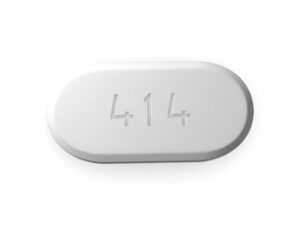
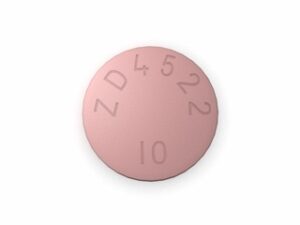
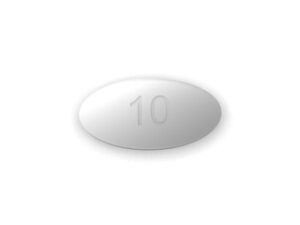
The exact brand name(s) available in the UK can vary depending on supply and licensing arrangements. The active ingredient is bempedoic acid. It is usually supplied as tablets for oral use.
| Category | Details |
|---|---|
| Medicine type | Cholesterol-lowering medicine (inhibitor of cholesterol synthesis pathway upstream of HMG‑CoA reductase) |
| Available form | Oral tablets (strength varies by product) |
| How it’s taken | Once daily (timing can be flexible) |
| Main benefit | Reduces LDL cholesterol and may lower cardiovascular risk in appropriate patients |
How bempedoic acid works (mechanism of action)
Bempedoic acid targets an early step in the cholesterol production pathway. More specifically, it inhibits ATP-citrate lyase, an enzyme involved in converting citrate into acetyl‑CoA, which the body uses to make cholesterol.
By reducing cholesterol synthesis in the liver, the body compensates by increasing the removal of LDL cholesterol from the blood. This leads to lower LDL levels.
- Compared with statins: Bempedoic acid does not act in the same way as statins (it targets a different enzyme upstream), which can be helpful for people who cannot tolerate statins or require additional LDL lowering.
- Activation in the body: It is converted to its active form mainly in the liver, which contributes to its distinctive safety profile compared with some other cholesterol medicines.
What it is used for in the UK (indications)
In the UK, bempedoic acid is generally used for adults who need help lowering LDL cholesterol as part of cardiovascular risk management. It may be recommended for people with:
- Primary hypercholesterolaemia (high cholesterol) or mixed dyslipidaemia where LDL cholesterol remains above target despite lifestyle measures and appropriate lipid-lowering therapy; and/or
- Established atherosclerotic cardiovascular disease (e.g., previous heart attack, certain types of stroke, or known coronary artery disease) to reduce LDL cholesterol as part of an overall risk-reduction plan; and/or
- Statin intolerance or situations where additional LDL-lowering is needed beyond existing treatment.
Your clinician will assess your individual risk and lipid results and decide whether bempedoic acid is suitable, including which other lipid medicines (such as statins, ezetimibe, or other options) are best combined with it.
Typical timing and how to take it
Bempedoic acid is typically taken once a day. Choose a time that is easy to remember.
- With or without food: Generally taken regardless of meals (see food interaction section for details).
- Swallow whole: Follow the tablet instructions provided with your medicine.
- Consistency helps: Taking it around the same time each day can support adherence.
If you miss a dose
If you miss a dose, take it when you remember unless it is close to the next scheduled dose. Do not take a double dose to make up for a missed tablet. If you are unsure, consult the packaging instructions or your pharmacist.
Dosing (general guidance)
The usual adult dose is once daily. The exact dose and tablet strength should be confirmed from your specific product label and local prescribing instructions.
Always use the dose stated on the medicine carton/label. Do not change dose without medical advice, particularly because cholesterol targets and tolerability vary between individuals.
Food interactions and dietary considerations
In general, bempedoic acid can be taken with or without food. However, some practical points are worth noting:
- Timing with meals: If your clinician/pharmacist hasn’t advised otherwise, you can take it at any convenient time.
- Grapefruit and related products: There is no widely used patient guidance stating bempedoic acid must be avoided with grapefruit, but you should follow your pharmacist’s advice regarding individual interactions.
- Cholesterol-lowering diet: Continue lifestyle advice such as reducing saturated fats and following a heart-healthy diet. Medicines work best alongside dietary changes.
If you have any dietary constraints (e.g., due to diabetes, kidney disease, or gout), ask your pharmacist whether any specific adjustments are recommended for you.
Alcohol and medicine interactions
Moderate alcohol consumption is not typically a direct interaction with bempedoic acid for most people. However, alcohol can worsen cardiovascular risk and may also affect the liver and uric acid levels—issues that matter during lipid treatment.
- Uric acid/gout: Alcohol (especially beer/spirits in some people) can increase uric acid and trigger gout attacks. If you have a history of gout, consider limiting alcohol and monitor symptoms.
- Liver considerations: If you have liver disease or drink heavily, discuss alcohol use with a clinician before starting treatment.
If you are concerned about alcohol use, it’s reasonable to ask your pharmacist for personalised guidance based on your medical history and other medicines.
Pharmacokinetics (how the body handles the medicine)
Understanding pharmacokinetics can help explain dosing and timing. The key points below are written in patient-friendly terms.
- Absorption: After oral dosing, bempedoic acid is absorbed and reaches the bloodstream, where it is largely converted to its active form primarily in the liver.
- Activation: The medicine is converted to an active metabolite by hepatic enzymes. This helps concentrate its cholesterol-lowering effect in the liver.
- Protein binding: Like many medicines, it binds to plasma proteins, which can influence distribution in the body.
- Half-life (general concept): The drug and its metabolites persist long enough to allow once-daily dosing; the exact half-life varies by metabolite and patient factors.
- Elimination: The medicine is eliminated primarily through metabolic processing and excretion via the body’s usual routes.
Individual results can vary due to age, kidney function, liver function, and other medications. If you have kidney or liver problems, your pharmacist may advise additional monitoring.
How effective is it? What results to expect
Cholesterol-lowering medicines do not work instantly. LDL cholesterol may start to improve within the first few weeks, with fuller benefit typically assessed after several weeks to months.
- Early changes: Some people notice improvements in blood tests within the first month.
- Monitoring: Clinicians usually arrange blood tests for cholesterol levels and relevant safety parameters.
- Targets: Your LDL target depends on your cardiovascular risk and guideline recommendations.
Safety profile: common and important side effects
Like all medicines, bempedoic acid can cause side effects. Many people experience no problems, but you should know what to watch for. If you experience severe symptoms, seek urgent medical attention.
Common side effects
- Increased uric acid: Blood tests may show higher uric acid levels.
- Muscle-related symptoms: While less common than with some other cholesterol medicines, some patients report muscle aches.
- Changes in laboratory markers: Doctors may check liver enzymes and other parameters.
- Joint discomfort: Some people may develop or flare joint symptoms, particularly if they have gout.
Important (less common but serious) risks
- Tendon rupture (rare): Tell your clinician promptly if you develop sudden pain, swelling, bruising, or difficulty moving a tendon area (commonly Achilles). Stop and seek medical advice if a tendon problem is suspected.
- Gout or gout flare: Because bempedoic acid can increase uric acid, gout may occur in susceptible people. Symptoms include sudden severe pain, redness, and swelling in a joint.
- Liver-related issues (rare): Blood tests may be checked, especially if you have existing liver problems or take medicines that affect the liver.
- Hypersensitivity reactions (rare): Seek urgent help if you develop rash, facial swelling, difficulty breathing, or other signs of allergy.
Who should be extra cautious?
- People with a history of gout or elevated uric acid
- People with a history of tendon disorders
- People with liver impairment or persistent unexplained abnormal liver tests
- People taking medicines that may interact (see medicine interactions section below)
Medicine interactions (alcohol is covered above; other medicines below)
Interactions depend on the full list of your current medicines and supplements. Always provide your pharmacist/clinician with a complete list. Below are common categories of medicines where interaction checks are particularly important.
- Uric acid–affecting medicines: If you take medicines for gout or uric acid management, your clinician may adjust monitoring or treatment.
- Other lipid-lowering drugs: Combinations (for example with statins or ezetimibe) may be used, and your clinician will monitor for side effects and lab changes.
- Medicines affecting liver enzymes: Some medicines can influence drug metabolism. Your pharmacist can check your list for likely interactions.
- Anticoagulants/antiplatelets: Not a typical headline interaction, but monitoring can be needed depending on the specific medicine (e.g., warfarin) and your situation.
If you are unsure whether a medicine or supplement is safe to take with bempedoic acid, ask your pharmacist. This includes “natural” products and herbal supplements.
Practical use tips (day-to-day guidance)
- Keep follow-up blood tests: Cholesterol control and safety monitoring depend on regular testing as recommended.
- Know the warning signs: watch for symptoms of gout (pain/swelling in joints) and tendon problems (sudden tendon pain or swelling).
- Hydration and lifestyle: Staying well hydrated and maintaining a heart-healthy lifestyle may support overall cardiovascular risk reduction.
- Continue your wider plan: Bempedoic acid is one part of cardiovascular prevention—keep up with diet, exercise within safe limits, and any other prescribed preventative measures (e.g., blood pressure or diabetes treatments).
- Report muscle or tendon symptoms early: Prompt action can prevent complications.
Alternative options (if bempedoic acid is not suitable)
Depending on your cholesterol level, cardiovascular risk, previous treatment history, and tolerance, alternatives may include:
- Statins: Common first-line medicines for LDL lowering.
- Ezetimibe: Lowers cholesterol absorption in the intestine.
- PCSK9 inhibitors: Injectable medicines that significantly reduce LDL cholesterol.
- Inclisiran (where available/appropriate): A therapy that reduces PCSK9 production and can lower LDL.
- Other lipid-modifying treatments: Depending on lipid profile and indication (for example, triglyceride-focused treatments).
Your clinician will choose an option based on effectiveness, safety, convenience, and overall risk profile. If you have experienced intolerance to one class of medicines, ask whether another approach is more suitable.
Market and legal context in the United Kingdom
In the UK, medicines are licensed and monitored under the regulatory system led by the Medicines and Healthcare products Regulatory Agency (MHRA), with additional pharmacovigilance support across the NHS. Cholesterol-lowering strategies are guided by national frameworks and clinical evidence, including risk assessment and lipid targets.
Availability can vary by brand name, pack size, and supply. Where a product is listed as available, it is typically managed through routine pharmaceutical distribution channels and pharmacy fulfilment systems.
Recent guidance and updates (how to stay aligned with current care)
Clinical guidance for lipid management evolves as new evidence becomes available. In the UK, clinicians commonly use recommendations from bodies such as the NICE and relevant professional societies, alongside updates from the MHRA regarding safety communications.
- Safety updates: If new safety information emerges, the MHRA may issue updates and healthcare professionals may adjust recommendations.
- Use in treatment pathways: Guidance can affect who is prioritised for therapy and which combinations are preferred.
If you have been advised to start or stop bempedoic acid, it is best to follow your clinician’s current plan. Your pharmacist can also help interpret official product information and advice.
Delivery and availability (online pharmacy considerations in the UK)
When medicines are supplied through an online pharmacy in the UK, availability depends on stock levels, manufacturer supply, and local distribution. Delivery times can vary by postcode, courier, and whether a product is held in local stock.
- Confirm stock status: Some medicines may be in limited supply at times.
- Delivery scheduling: Orders are usually dispatched on working days; delivery is typically provided by a courier service.
- Cold-chain: Bempedoic acid is not generally a cold-chain item; however, always follow handling instructions on packaging.
- Packaging: Medicines are provided in pharmacy-appropriate packaging with patient information.
If you need the medicine urgently, contact the pharmacy support team to ask about dispatch times and alternative options if delays occur.
Frequently Asked Questions (FAQ)
1) What is bempedoic acid used for?
Bempedoic acid is used to lower LDL cholesterol in adults who require additional cholesterol-lowering for cardiovascular risk management. It is often used in combination with other lipid-lowering therapies depending on your individual situation.
2) How quickly will my cholesterol improve?
LDL cholesterol may start to improve within weeks. Your clinician will usually check blood results after a period of treatment to confirm that the medicine is working and that it is safe for you.
3) Can I take it with food?
In general, bempedoic acid can be taken with or without food. Take it at the time of day that best fits your routine.
4) Does bempedoic acid cause muscle problems?
Muscle symptoms can occur with cholesterol medicines in general. Bempedoic acid has a different safety profile compared with statins, but it can still cause side effects in some people. Seek medical advice if you develop persistent muscle pain, weakness, or severe symptoms.
5) Is bempedoic acid safe if I have gout?
People with a history of gout should be extra cautious because bempedoic acid can raise uric acid and may trigger gout flares. Tell your clinician if you have gout or have experienced high uric acid levels before.
6) What should I do if I get tendon pain?
If you develop sudden pain, swelling, or bruising around a tendon—especially the Achilles tendon—stop physical strain and seek prompt medical advice. Tendon rupture is rare but important to recognise early.
7) Can I drink alcohol while taking bempedoic acid?
Moderate alcohol is often possible, but alcohol can worsen uric acid and may increase risk of gout flares in susceptible people. If you have gout or liver concerns, ask your pharmacist for personal guidance.
8) What happens if I miss a dose?
If you miss a dose, take it when you remember unless it is nearly time for the next dose. Do not take a double dose. If unsure, check the patient information leaflet or ask your pharmacist.
9) What other treatments might be used alongside it?
Depending on your LDL level and cardiovascular risk, clinicians may combine bempedoic acid with other lipid-lowering therapies such as statins and/or ezetimibe, or use other alternatives if bempedoic acid is not suitable.
10) Where can I find the official patient information?
The patient information leaflet supplied with your medicine provides detailed information specific to your product, including side effects and instructions. Your pharmacist can also help explain the leaflet content.
Summary
Bempedoic acid is a cholesterol-lowering medicine that helps reduce LDL cholesterol by inhibiting ATP-citrate lyase, a step in cholesterol production. It is typically taken once daily and can be used as part of a broader cardiovascular risk-reduction strategy, particularly when additional LDL lowering is required or when other treatments are unsuitable.
The most important safety considerations include monitoring for increases in uric acid (gout risk) and being alert to rare but serious tendon problems. Keep up with blood tests, follow dosing instructions, and contact a healthcare professional promptly if you notice concerning symptoms.