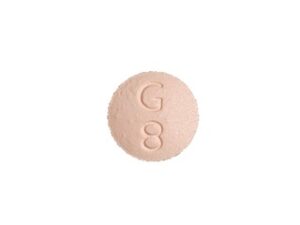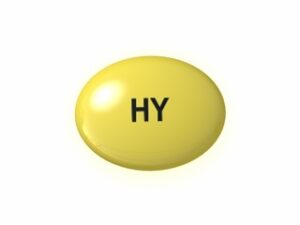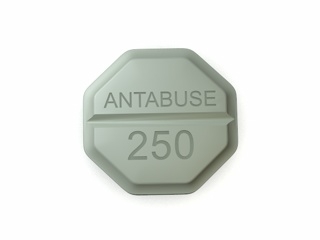


Antabuse (Disulfiram) – Patient Information (UK)
Antabuse contains disulfiram, a medicine used to support treatment for people with alcohol dependence. It works by causing a strong unpleasant reaction when alcohol is taken, helping reduce the urge to drink and supporting long-term recovery.
Quick facts
- Active ingredient: Disulfiram
- What it is for: Alcohol dependence (as part of an agreed treatment plan)
- How it works: Blocks alcohol breakdown, leading to unpleasant effects if alcohol is consumed
- Common form: Tablets (strength varies by product)
- Key safety note: Absolute avoidance of alcohol (including hidden sources) is essential
What Antabuse is
Antabuse (disulfiram) is a medication that deters alcohol use. It is designed to be taken regularly, while the person remains abstinent. If alcohol is consumed, disulfiram interferes with normal metabolism and produces an acute reaction that can be intense and sometimes dangerous.
Antabuse is typically used alongside counselling and psychosocial support. The aim is to help prevent relapse by making the consequences of drinking unpleasant and predictable.
How it works (mechanism of action)
Under normal conditions, the body breaks down alcohol in two main steps. A key enzyme called aldehyde dehydrogenase converts a toxic intermediate (acetaldehyde) into harmless compounds.
Disulfiram inhibits aldehyde dehydrogenase. As a result, when alcohol is taken:
- Alcohol is converted to acetaldehyde but cannot be cleared properly
- Acetaldehyde builds up in the body
- This triggers the classic disulfiram–alcohol reaction
The reaction can include flushing, nausea, vomiting, headache, low blood pressure, and rapid heartbeat. Because the response can be severe, strict avoidance of alcohol is crucial.
Pharmacokinetics (how the body handles disulfiram)
Disulfiram is absorbed after oral dosing and is metabolised in the body to active metabolites that inhibit enzymes involved in alcohol breakdown. The effect is not limited to the day of taking the tablet.
- Onset: Effects typically begin after starting therapy; the severity of reaction depends on timing, dose, and individual factors.
- Duration: The deterrent effect can persist beyond the last dose because of long-lasting enzyme inhibition in some individuals.
- Metabolism & elimination: Disulfiram is metabolised and eliminated over time; kidney and liver function may influence overall exposure and safety.
Your clinician or pharmacist may advise a specific alcohol-free interval before starting Antabuse and a continued avoidance period after stopping.
Typical uses in the UK
Antabuse is used as a deterrent to support abstinence in people with alcohol dependence, often when:
- A person has a strong desire to stop drinking, but relapse risk remains high
- There is a structured treatment plan, such as counselling or behavioural support
- Supervised or supported adherence is available (for example, involvement of a carer or regular follow-up)
It is not a cure on its own. Effectiveness improves when Antabuse is combined with psychosocial interventions.
When to take it (timing and missed doses)
Follow the dosing schedule provided by your healthcare professional and the instructions on the package. General guidance includes:
- Take at the same time each day to maintain steady effect.
- Do not “test” the medicine by attempting to drink alcohol. The reaction can be unpredictable and harmful.
- Alcohol avoidance must be consistent, including medicines containing alcohol.
If you miss a dose, take it only if it is safe and appropriate per your prescriber/pharmacist’s advice. If you have had any alcohol exposure around the time you missed a dose, seek prompt advice.
Food and drink interactions
Alcohol is the main concern. Foods and drinks containing alcohol can trigger a disulfiram reaction. While most normal foods contain minimal alcohol, some products may contain alcohol or alcohol-derived ingredients.
Alcohol sources to avoid
- Beer, wine, spirits, alcopops
- Cooking alcohol (e.g., brandy-based sauces); use alcohol-free alternatives where possible
- Alcohol-containing vinegars and marinades (check ingredients)
- Some desserts and sauces with alcohol
Always check labels
Ingredient lists can vary. If a product contains alcohol, it may be safer to avoid it or ask your pharmacist.
Alcohol reactions: what to expect
The disulfiram–alcohol reaction can range from unpleasant to medically serious. Typical symptoms may include:
- Flushing, warmth, sweating
- Throbbing headache
- Nausea, vomiting
- Palpitations or fast heart rate
- Low blood pressure, dizziness or fainting
- Shortness of breath or chest discomfort (seek urgent medical advice if this occurs)
Symptoms may start within hours of alcohol intake. Severity can depend on the amount of alcohol, your metabolism, and the presence of other factors.
Emergency help: If you or someone else has taken alcohol while on disulfiram and develops severe symptoms such as collapse, chest pain, breathing difficulty, confusion, or persistent vomiting, seek urgent medical assistance.
Medicine interactions (including hidden alcohol)
Disulfiram interacts with a number of medicines and substances. Some interactions are particularly important because they may either increase side effects or increase the risk of a reaction to alcohol.
Medicines that may contain alcohol
Some formulations can contain alcohol, including certain cough/cold syrups, tonics, elixirs, mouthwashes, and some liquid medicines. Always check the product information or ask your pharmacist.
Important medicine interactions (examples)
Your clinician or pharmacist should review your current medicines, including over-the-counter products and supplements. Interactions may include:
- Metronidazole and similar medicines: may increase the risk of adverse reactions; do not combine without medical advice.
- Some anti-epileptic or sedative medicines: may require caution depending on individual risk factors.
- Warfarin or anticoagulants: may require closer monitoring.
- Medicines affecting liver function: may increase risk of liver problems.
- Diabetes medicines using alcohol-containing formulations: may require checks to avoid unintended alcohol exposure.
This list is not exhaustive. Provide your pharmacist with a full list of medicines and brands (including “natural” products).
Alcohol in dental products and hygiene items
- Mouthwashes may contain alcohol. Consider alcohol-free options.
- Aftershaves and some aerosols contain alcohol—avoid ingestion and be cautious around oral use.
Indications: who Antabuse is for
Antabuse (disulfiram) is indicated for alcohol dependence in appropriate adults as part of a structured treatment approach.
It may be unsuitable for some people due to health conditions, medication interactions, or inability to comply with strict avoidance of alcohol. Your prescriber will consider your medical history and risks before starting.
Dosing: typical approach
Dosing depends on your condition, response, and safety profile. Only follow dosing instructions provided with your medicine. Common prescribing patterns include:
- Initial dose: often started at a level intended to establish the deterrent effect.
- Maintenance dose: may be adjusted to the lowest effective dose.
- Supervision: some treatment plans include carer involvement or regular review to improve adherence and safety.
Important: Disulfiram can remain active for some time. Do not stop and restart without medical advice. Do not drink “to see what happens”.
Safety profile and possible side effects
Like all medicines, Antabuse can cause side effects. Not everyone will experience them. Side effects may be more likely if you have liver impairment, kidney impairment, other serious health conditions, or take interacting medicines.
Common or expected side effects
- Headache
- Fatigue or drowsiness
- Bad taste or changes in taste
- Nausea
- Skin reactions (e.g., rash) in some people
Serious side effects: get urgent medical help
Seek urgent advice if you develop signs of severe reaction, including after accidental alcohol exposure, or if you experience:
- Severe chest pain or trouble breathing
- Fainting, severe dizziness, or collapse
- Persistent vomiting or severe dehydration
- Signs of liver problems such as yellowing of the skin/eyes (jaundice), dark urine, or severe right upper abdominal pain
- Confusion, severe weakness, or unusual neurological symptoms
Risk factors that may require extra caution
- Liver disease or abnormal liver blood tests
- Kidney impairment
- Heart disease or low blood pressure
- People at risk of accidental alcohol exposure (e.g., difficulty reading labels)
- Concomitant medication use that interacts with disulfiram
Practical tips for safe use
Antabuse is most effective and safest when routines and safeguards are in place. The following tips can help reduce risk.
Set up a “no alcohol” plan
- Choose alcohol-free versions of drinks and cooking ingredients.
- Check labels for alcohol content (including “non-alcoholic” products—still check ingredients).
- Ask your pharmacist before using any new medicine, including cough syrups and mouthwashes.
Use medication checks
- Keep a list of your medicines and show it to any healthcare professional.
- Tell dentists and other clinicians that you take disulfiram.
- Check for alcohol in liquid formulations and herbal tinctures.
Monitor your wellbeing
- If you feel unwell after taking the medicine, do not drink alcohol to “balance it.” Seek advice.
- Attend follow-up appointments and report side effects promptly.
Consider support with adherence
Because Antabuse relies on consistent use and strict avoidance, support from family members or a support worker can be helpful. Some people benefit from supervised administration or blister packs.
Alcohol and Antabuse: situations to watch for
Alcohol exposure is not only from beverages. Disulfiram sensitivity means even small unexpected alcohol sources can be relevant.
- Medicines: liquid cough/cold preparations, tonics, some mouthwashes, and some syrups may contain alcohol.
- Food: cooking alcohol, some sauces, desserts, and marinades.
- Work and hobbies: some solvents and disinfectants may contain alcohol. Avoid ingestion and ensure safe handling.
- Hospital settings: confirm with staff before any treatment that might involve alcohol-containing products.
If you are unsure whether something contains alcohol, ask a pharmacist.
Alternatives to Antabuse
Depending on your needs, there are other medicines and approaches for alcohol dependence. Your healthcare team may consider:
- Acamprosate: helps support abstinence by affecting brain chemical pathways involved in alcohol dependence.
- Naltrexone: can reduce cravings or the rewarding effects of alcohol by blocking opioid receptors.
- Supportive psychological therapies: counselling, motivational approaches, relapse-prevention programmes, and mutual-help groups.
The best option depends on your health, current drinking pattern, previous treatment responses, and ability to avoid alcohol reliably.
UK market and legal context (overview)
Antabuse (disulfiram) is a well-established medicine used in the UK for alcohol dependence within clinical practice. Availability may vary by strength and manufacturer, and pharmacies may source it through standard wholesale channels.
Medicines in the UK are regulated through established frameworks, and product information is maintained by the relevant regulatory bodies. Local pharmacy procedures will affect how quickly stock can be supplied, particularly for specific strengths or brands.
Recent guidance and clinical considerations (UK)
Clinical practice in alcohol dependence commonly emphasises:
- Individual assessment before choosing a medicine, including liver and kidney function and current medications.
- Clear counselling about strict avoidance of alcohol and alcohol-containing products.
- Ongoing review to support adherence, manage side effects, and reduce relapse risk.
- Safety-first planning for accidental exposure and when to seek emergency help.
Because guidance and best practice can evolve, it is important to follow current advice from your clinician and the information provided with your medicine.
Delivery and availability
Availability depends on stock levels and supply logistics. When requested online, an order may be processed from local or regional distribution centres.
- Dispatch times: vary by availability and can be affected by bank holidays and weekends.
- Substitution: your pharmacy may supply the same medicine from another licensed brand/strength if appropriate (subject to regulations and stock).
- Packaging: medicines are supplied in secure packaging with patient information.
If you have a time-critical need or are concerned about stock for a specific strength, contact the pharmacy for the latest availability and delivery estimates.
Frequently Asked Questions (FAQ)
1) Can I drink “non-alcoholic” beer or drinks?
You should avoid alcohol-containing products while taking disulfiram. Even “non-alcoholic” options can vary in alcohol content. Check labels carefully and ask your pharmacist if you are unsure.
2) How long after stopping Antabuse do I still need to avoid alcohol?
The deterrent effect can last beyond the last dose in some people. Ask your pharmacist or clinician for a specific timeframe based on your dose and medical history. Until you receive clear advice, treat stopping as a reason for continued alcohol avoidance.
3) What if I accidentally drank alcohol?
If you suspect alcohol exposure, do not attempt to “treat it yourself.” Seek medical advice promptly, especially if symptoms develop. If symptoms are severe (such as breathing difficulty, chest pain, fainting, or persistent vomiting), seek emergency help.
4) Do cooking foods count?
Potentially, yes. Some recipes use alcohol-based ingredients (e.g., wine, brandy, spirits). Use alcohol-free alternatives where possible, and check ingredient lists on packaged sauces and marinades.
5) Can I use mouthwash?
Some mouthwashes contain alcohol. Prefer alcohol-free mouthwash and check labels. Avoid swallowing mouthwash. If you are unsure, ask your pharmacist.
6) Can I take painkillers or antibiotics with Antabuse?
Many common medicines can be used, but interactions are possible. Always tell your healthcare professional or pharmacist that you take disulfiram, and check the patient information for alcohol-containing formulations (especially liquid preparations).
7) What if I miss a dose?
Missing a dose may reduce deterrent effect, but you must still avoid alcohol. Follow advice from your pharmacist or clinician on what to do next. If you have taken alcohol around the time of a missed dose, seek medical advice.
8) Who should not take Antabuse?
People with certain conditions—particularly those involving liver impairment, certain medical risks, or situations where strict alcohol avoidance is not feasible— may be unsuitable. Your healthcare professional will assess suitability based on your health and medicines.
9) Can I drive while taking Antabuse?
Some people feel drowsy or unwell. If you experience dizziness, drowsiness, or other symptoms that could affect driving, avoid driving and operating machinery and seek advice. Follow the guidance on the patient information leaflet.
10) Is Antabuse suitable for everyone with alcohol dependence?
No medicine is suitable for everyone. Antabuse may be chosen for certain individuals who can maintain abstinence and comply with strict avoidance of alcohol, but other medicines (such as acamprosate or naltrexone) and psychological therapies may be better options for others.
Summary
Antabuse (disulfiram) supports recovery from alcohol dependence by creating a strong deterrent reaction if alcohol is consumed. It is essential to maintain strict alcohol avoidance, including hidden alcohol in some foods and medicines. When used within a structured treatment plan, with clear counselling and follow-up, it can be a valuable tool to help reduce relapse risk.
At-a-glance product information
| Category | Details |
|---|---|
| Medicine | Antabuse (disulfiram) |
| Uses | Alcohol dependence as part of a structured treatment plan |
| Key action | Inhibits aldehyde dehydrogenase, causing unpleasant reaction if alcohol is consumed |
| Critical requirement | Avoid alcohol completely (including hidden sources) |
| Main interactions | Alcohol-containing medicines/foods; certain drug interactions—pharmacist review recommended |
| Seek urgent help | Severe reaction symptoms, breathing difficulty, chest pain, collapse, jaundice, or persistent vomiting |