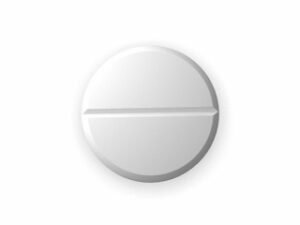
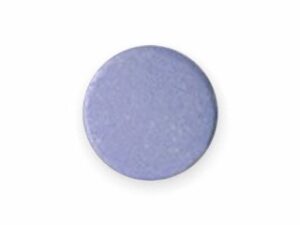
Samsca (Tolvaptan) — Patient-Friendly Guide (UK)
Samsca contains tolvaptan, a medicine used to treat certain types of fluid imbalance in adults. It helps the body get rid of excess water without losing important salts in the same way as older “water tablets” may do. This guide explains how Samsca works, how it is used, important safety considerations, and practical tips for UK patients.
Always follow the instructions you are given by your healthcare professional. If you have questions about your specific situation, speak to a pharmacist or doctor.
Quick facts
- Medicine: Samsca (tolvaptan)
- What it does: Increases removal of water by the kidneys (aquaresis)
- Main use: Certain cases of low sodium in the blood (hyponatraemia)
- How it’s taken: Usually once daily, with careful monitoring early in treatment
- Key safety points: Risk of too-rapid correction of sodium, excessive thirst/urination, dehydration and (in some cases) liver problems
- Common brand availability in the UK: Supplied through standard medicine channels (availability may vary by strength and local stock)
Basic product information
| Item | Details |
|---|---|
| Brand | Samsca |
| Active ingredient | Tolvaptan |
| Medicinal class | V2 receptor antagonist (a “vaptan”) |
| Therapeutic area | Electrolyte/Water balance disorders, hyponatraemia management |
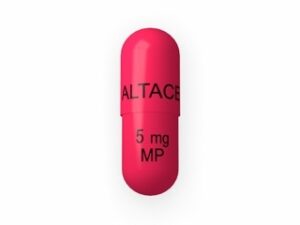
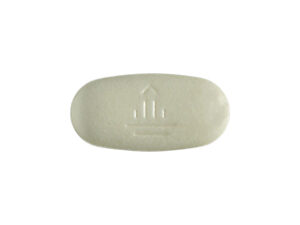
| Typical route | Oral tablets |
| Strengths | Commonly available strengths include 15 mg and 7.5 mg tablets (depending on local availability) |
How Samsca works (mechanism of action)
To understand Samsca, it helps to know why low sodium can happen. In some conditions, the body releases a hormone called vasopressin (also known as antidiuretic hormone, ADH). Vasopressin signals the kidneys to hold onto water, which can dilute sodium levels in the blood.
Tolvaptan blocks vasopressin’s action at the V2 receptors on the kidneys. This prevents the kidneys from reabsorbing too much water. As a result, the body increases excretion of water, leading to an increase in blood sodium concentration (without proportional loss of sodium and potassium).
This effect is sometimes described as aquaretics—removing “free water” rather than salt.
Pharmacokinetics (how the body handles the medicine)
Pharmacokinetics describes absorption, distribution, metabolism and elimination. Individual experiences vary, but the key points below are useful for understanding what to expect.
- Absorption: Tolvaptan is absorbed after oral dosing and reaches peak blood levels within several hours.
- Metabolism: It is metabolised primarily by the liver (CYP-related pathways), so liver health is important.
- Elimination: The medicine and its metabolites are eliminated mainly via hepatic routes (with metabolites excreted into bile/faeces).
- Onset: The water-regulating effect generally starts soon after dosing, which is why early monitoring is important.
- Half-life: The drug’s duration is long enough to support once-daily dosing in typical regimens.
If you have liver disease, significant impairment, or you take medicines that strongly affect liver enzymes, your healthcare professional may adjust the plan or choose an alternative.
What Samsca is used for (indications in UK practice)
Samsca is used in adults with clinically significant hyponatraemia (low sodium in the blood) where it is necessary to correct sodium levels. In many settings, this includes situations such as:
- Euvolemic hyponatraemia (sodium is low but total body fluid appears normal on examination)
- Hypervolemic hyponatraemia (excess fluid with low sodium), for example in some cases of heart failure
- Hyponatraemia that is symptomatic or that requires active correction under close supervision
Samsca is generally considered when other approaches (fluid restriction, treating the underlying cause, or safer alternatives) have not been sufficient or are not suitable for the immediate situation.
Your clinician will decide whether Samsca is appropriate based on your sodium level, symptoms, cause of the imbalance, and overall health.
Timing: when to take Samsca
Timing is important because Samsca can increase urination and thirst—especially early in treatment. Typical guidance for adults includes:
- Usually once daily at the same time each day.
- Treatment is often started and adjusted under monitoring to ensure sodium rises safely.
- Hydration planning: you may be advised to drink according to thirst; in some cases, healthcare teams will instruct you on fluid management.
Do not change your dose or timing without advice. If you miss a dose, follow your clinician’s instructions or the label guidance from your pharmacy.
Dosing (typical approach)
Dosing can differ by individual, sodium level, and clinical setting. Your healthcare team will usually set the dose and may adjust it based on blood tests and symptoms.
Typical starting and adjustment principles
- Start low: therapy is often initiated at a lower dose to reduce the risk of overly rapid sodium correction.
- Check sodium response: blood sodium and fluid status may be monitored frequently after starting.
- Titrate carefully: dose changes are based on how your sodium level responds.
- Stop or adjust if needed: if sodium rises too quickly, the medicine may be stopped or dose reduced.
Because hyponatraemia treatment requires safety monitoring, the dose you receive may be different from what is listed in general information. Always use the dose on your medicine label.
Food interactions and taking Samsca with meals
Food can affect how quickly some medicines are absorbed. With tolvaptan, it is generally advised to consider meal timing: follow the instructions on your label and the advice of your healthcare professional.
- Consistent routine: taking it at the same time relative to meals may help keep absorption predictable.
- Ask if you have special dietary needs: if you have swallowing difficulties, digestive conditions, or take feeding supplements, discuss with a pharmacist.
If you notice nausea, stomach discomfort or changes in thirst after dosing, contact your healthcare team for personalised advice.
Alcohol interactions
Alcohol can affect hydration and may worsen side effects such as dizziness or dehydration. Because Samsca increases water loss, combining it with alcohol could increase the risk of:
- Dehydration (feeling very thirsty, light-headed, dry mouth)
- Dizziness or falls, particularly when standing up quickly
- Confusion or worsening weakness in vulnerable patients
As a general safety measure, it is best to avoid or limit alcohol unless your clinician says it is safe for you. If you plan to drink alcohol, discuss it beforehand.
Medicine interactions (important)
Some medicines can affect liver enzymes involved in tolvtaptan metabolism or influence sodium levels and kidney function. Always tell your pharmacist and clinician about all medicines you take, including:
- Prescription medicines
- Over-the-counter medicines
- Herbal products and supplements
Medicines that may be especially relevant
- Strong CYP3A inhibitors or inducers: these can increase or decrease tolvaptan levels. Examples may include some antifungals, antibiotics (certain types), antivirals, and some epilepsy medicines. Your healthcare team will advise on compatibility.
- Other diuretics (“water tablets”): combining may increase urine output and dehydration risk.
- Medicines affecting sodium balance: drugs used for electrolyte disorders, certain antidepressants, or others that can affect ADH activity.
- Nephrotoxic or kidney-stressing medicines: monitoring kidney function may be necessary.
If you start, stop, or change the dose of any medicine, inform the prescriber or pharmacist. Keep a list of your current medicines to show during reviews.
Safety profile: what to watch for
Like all medicines, Samsca can cause side effects. Many people experience increased urination and thirst, which are direct effects of the medicine. Others may experience more significant issues, particularly if sodium changes too fast or if fluid balance becomes unsafe.
Common side effects
- Increased thirst
- Increased urination
- Dry mouth
- Frequent urination (especially soon after starting)
- Headache or dizziness
- Fatigue
Serious risks (seek prompt medical advice)
Contact a healthcare professional urgently or seek emergency care if you experience:
- Symptoms of dehydration: severe dizziness, fainting, very dry mouth, weakness, reduced urine output
- Signs of overly rapid sodium correction: worsening confusion, severe headache, seizures, or abnormal drowsiness
- Signs of liver problems: yellowing of the eyes/skin (jaundice), dark urine, severe tiredness, upper right abdominal pain, persistent nausea/vomiting
- Allergic reaction: swelling of face/lips, breathing difficulties, rash or severe itching
Because hyponatraemia can itself be dangerous, monitoring and early follow-up are essential. Don’t delay help if you feel significantly worse.
Who needs extra caution?
- Patients with liver impairment or a history of liver disease
- Older adults or anyone prone to falls/dehydration
- People with very low sodium or neurological symptoms
- Patients using other medicines that affect sodium balance
- Those who cannot drink freely or have impaired thirst perception
Practical use tips for UK patients
- Plan for increased urine output: when starting or adjusting dose, consider staying near a bathroom and avoid heavy commuting/long travel until you know how you respond.
- Monitor thirst and hydration: drink according to your clinician’s guidance and your thirst. Do not restrict fluid beyond what you were told—this is especially important for safe sodium correction.
- Keep follow-up appointments: blood tests may be required to check sodium levels and liver function.
- Stand up slowly: dizziness can occur, particularly if dehydration develops.
- Use a medication reminder: Samsca is usually taken once daily; setting an alarm can reduce missed doses.
- Know your “warning signs”: keep an eye out for severe headache, confusion, fainting, or jaundice.
Alternative options
Treatment for hyponatraemia depends on the cause and severity. Alternatives may include:
- Fluid restriction (often first-line for some causes)
- Hypertonic saline under hospital supervision for severe or symptomatic cases
- Urea therapy in some cases to increase solute-related water excretion
- Other vaptans (where appropriate and available) — treatment choice depends on local guidance, patient characteristics, and risk profile
- Treating the underlying cause (for example adjusting heart failure therapy, stopping or changing offending drugs, or addressing hormone-related problems)
Your healthcare professional will choose the option that best balances correcting sodium safely with minimising side effects.
Market and legal context in the UK
In the United Kingdom, medicines are regulated by the Medicines and Healthcare products Regulatory Agency (MHRA). Product information such as the Summary of Product Characteristics (SmPC) is used by healthcare professionals to support safe and appropriate use.
The availability of specific medicines can vary depending on:
- Manufacturer supply and distribution schedules
- Local pharmacy stock levels
- Changes in clinical guidance or prescribing practices
- Regulatory updates, safety communications or risk management plans
If you are unsure about supply or the most current advice for your situation, ask your pharmacist for the latest information.
Recent guidance and safety monitoring (what patients should know)
Across Europe and the UK, the key themes in hyponatraemia management with tolvaptan/vaptans include:
- Careful correction of sodium to avoid neurological complications from overly rapid rises
- Close monitoring at initiation, particularly of sodium levels and overall fluid status (often requiring blood tests and clinical observation)
- Liver safety awareness — tolvaptan is associated with potential liver enzyme elevations and, in some cases, clinically significant liver injury. This is why liver-related tests may be included in monitoring plans.
Your clinician may provide a specific monitoring schedule and targets for your sodium correction. Follow it closely.
Delivery and availability (UK online pharmacy information)
Online pharmacies in the UK typically deliver medicines to eligible addresses using approved carriers. Availability may depend on the strength you need and the current supply situation.
- Stock checks: we recommend ordering early if your treatment schedule is time-sensitive.
- Dispatch times: dispatch may vary between working days and weekends.
- Cold-chain: Samsca tablets generally do not require temperature-controlled delivery under usual conditions (unless otherwise instructed by your pharmacy).
- Packaging: tablets are usually supplied in standard pharmacy packaging with a patient leaflet.
If you need help checking the availability of a specific strength (for example 7.5 mg or 15 mg), contact the pharmacy team before placing an order.
FAQ
1) What does Samsca do to my body?
Samsca helps your kidneys remove excess water by blocking ADH (vasopressin) at V2 receptors. This can raise blood sodium levels by reducing dilution from water retention.
2) Why do I feel very thirsty when taking Samsca?
Because the medicine increases water loss in urine, the body signals thirst. Drinking according to your clinician’s advice and thirst can help prevent dehydration.
3) How quickly does Samsca start working?
Many patients notice increased urination relatively soon after dosing, particularly early in treatment. Sodium changes should be monitored with blood tests to ensure they rise safely.
4) Can I drink alcohol while taking Samsca?
Alcohol may increase dehydration risk and worsen dizziness. It’s usually best to avoid or limit alcohol and ask your clinician or pharmacist what is safe for you.
5) Are there foods I should avoid?
There are no universal “forbidden” foods, but meal timing can affect how medicines are absorbed. Follow your label instructions and maintain a consistent routine. If you have gut problems or special diets, ask for personalised advice.
6) What happens if my sodium rises too much or too fast?
Very rapid correction can be harmful, affecting the brain and causing serious symptoms such as confusion, seizures, or severe neurological problems. That is why monitoring is important, especially when treatment begins or doses change.
7) Who should not take Samsca?
Suitability depends on your health status, including liver function and the cause of hyponatraemia. Your healthcare professional will assess risks and may choose an alternative in certain situations.
8) Can I take Samsca with other diuretics?
Combining with other diuretics may increase urine output and the risk of dehydration or electrolyte changes. Your clinician will decide if combination therapy is appropriate and may adjust doses.
9) What liver monitoring is needed?
Tolvaptan can cause liver enzyme elevations. Your clinician may arrange blood tests to monitor liver function. Seek medical help if you develop symptoms such as jaundice or dark urine.
10) What should I do if I miss a dose?
Follow the advice on your medicine label or provided by your pharmacy. Do not double the dose unless told to do so.
11) Is Samsca suitable for long-term use?
Samsca is used to manage specific hyponatraemia situations under supervision. The appropriate duration depends on your diagnosis, sodium levels, and monitoring results.
12) Can I get side effects even if my sodium improves?
Yes. Side effects may relate to increased water loss, hydration status, or—less commonly—to liver health. If you have concerning symptoms, contact a healthcare professional promptly.
When to seek urgent help
Contact emergency services or seek urgent medical advice if you experience symptoms such as:
- Seizures
- Severe confusion or unusual drowsiness
- Fainting or severe dizziness
- Breathing difficulty or swelling suggestive of allergy
- Jaundice (yellow eyes/skin) or severe persistent nausea with signs of liver problems
Disclaimer: This information is intended to help you understand Samsca in general terms and does not replace medical advice. Always rely on your healthcare professional’s guidance for dosing, monitoring and safety in your individual case.