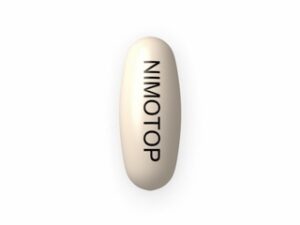


Clopidogrel (Clopidogrel bisulfate) — Patient Guide (UK)
Clopidogrel is an antiplatelet medicine used to help prevent blood clots that can cause serious events such as heart attack and stroke. It works by reducing how “sticky” your platelets are, lowering the chance that a clot forms in narrowed or damaged blood vessels.
This page explains how clopidogrel works, how it is used, what to expect, and important safety information. It is written for patients and carers in the United Kingdom.
1) Basic product information
| Category | Details |
|---|---|
| Generic name | Clopidogrel (as clopidogrel bisulfate) |
| How it works | Antiplatelet (platelet aggregation inhibitor) |
| Common strengths | Typically 75 mg tablets (varies by brand/market) |
| Availability (UK) | Generally supplied under UK healthcare arrangements; availability may vary by pharmacy and local stock |
| Typical dosing frequency | Usually once daily |
Note: Brand names differ. If you have been given a specific brand, follow the directions on your label and the information leaflet supplied with your medicine.
2) Mechanism of action (how clopidogrel works)
Clopidogrel is an antiplatelet medicine. Platelets are blood cells that help form clots to stop bleeding. In some conditions, platelets can clump together inside blood vessels and contribute to clot formation.
Clopidogrel blocks a platelet receptor called P2Y12. By doing this, it prevents platelets from becoming aggregated (clumping together), which helps reduce the risk of clot-related events in people who have:
- Coronary artery disease or recent heart-related events
- Peripheral arterial disease
- Some types of stroke or transient ischaemic attack (TIA)
Clopidogrel requires metabolic activation in the body. After you take it, the active form reduces platelet activity.
3) Pharmacokinetics (how the body handles clopidogrel)
“Pharmacokinetics” describes absorption, metabolism, and elimination. While individual responses vary, the main principles are as follows:
- Absorption: After oral dosing, clopidogrel is absorbed from the gut.
- Activation: Clopidogrel is a prodrug. It is converted to an active metabolite mainly through liver enzymes (notably CYP2C19), then it can inhibit platelet P2Y12 receptors.
- Onset and duration: Platelet inhibition develops over time and is typically assessed in relation to steady effects during ongoing treatment.
- Elimination: Metabolites are cleared largely through the kidneys and the liver/bile pathways.
In some people, genetic differences or interactions with other medicines can reduce activation (and therefore effect). If you have concerns about effectiveness, discuss them with a healthcare professional.
4) Typical use and timing
What clopidogrel is commonly used for
In the UK, clopidogrel is used to lower the risk of atherothrombotic events (events caused by platelet-rich clots on top of plaque in arteries). This includes situations such as:
- After a heart attack (myocardial infarction)
- After certain types of acute coronary syndrome (ACS), such as unstable angina or non-ST-elevation myocardial infarction
- After placement of coronary stents in some regimens (in combination with other medicines, depending on the plan)
- Peripheral arterial disease (reduced blood flow to limbs)
- Some stroke or TIA scenarios (depending on individual clinical factors)
When and how to take it
Clopidogrel is usually taken once daily, often at the same time each day. If your schedule varies, aim for a consistent routine so you do not miss doses.
- Typical timing: Any time of day; choose a time that is easy to remember.
- Consistency matters: Taking it around the same time each day helps maintain steady platelet inhibition.
- If you’re starting: Take the first dose as directed by your healthcare professional.
Missed dose guidance (general): If you miss a dose, take it when you remember on the same day. If it is almost time for the next dose, skip the missed dose. Do not take a double dose to make up for the missed one.
For personalised advice, follow your medicine label or speak with your pharmacist.
5) Food interactions
Clopidogrel can generally be taken with or without food. Food does not usually prevent its action in a clinically significant way.
However, if you experience stomach upset, you may find it easier to take your dose with a meal. Keep the approach consistent day to day unless your clinician advises otherwise.
6) Alcohol and medicine interactions
Alcohol
Alcohol can increase the risk of bleeding for some people, especially when combined with antiplatelet medicines. Clopidogrel reduces clotting ability; heavy alcohol intake may worsen bleeding risk.
- Moderation is important if you drink alcohol.
- Avoid binge drinking.
- Seek advice urgently if you notice unusual bruising, bleeding gums, black/tarry stools, or vomiting blood.
Medicine interactions (important)
Some medicines can either increase bleeding risk or reduce clopidogrel’s activation/effect. Always tell a pharmacist or clinician about all medicines you take, including over-the-counter products and supplements.
- Other antiplatelet medicines (e.g., aspirin, prasugrel, ticagrelor): may be used in certain situations but can increase bleeding risk; combination therapy is typically planned for a defined reason.
- Anticoagulants (e.g., warfarin, apixaban, rivaroxaban, dabigatran): the combination can significantly raise bleeding risk unless specifically recommended.
- Non-steroidal anti-inflammatory drugs (NSAIDs) (e.g., ibuprofen, naproxen, diclofenac): may increase bleeding risk, particularly if used regularly or at higher doses.
- Acid-reducing medicines (proton pump inhibitors, PPIs): some can reduce clopidogrel activation. Clinicians may prefer certain options over others in some patients.
- Omeprazole and esomeprazole are often highlighted in clopidogrel interaction discussions. Do not start or stop a PPI without professional advice.
- Smoking: smoking may affect clot-related risks overall. It can also influence how well platelets behave. Stopping smoking is strongly beneficial; ask for support if you want to quit.
If you require pain relief or treatment for indigestion, ask your pharmacist which options are safest for you while on clopidogrel.
7) Indications (who clopidogrel is for)
Clopidogrel is indicated to help reduce the risk of serious vascular events in people with certain cardiovascular or cerebrovascular conditions. The exact choice of therapy and duration depends on your diagnosis, history, and overall bleeding risk.
Common UK clinical indications include:
- Recent heart attack (as part of secondary prevention)
- Recent ischaemic stroke or TIA in selected patients
- Peripheral arterial disease
- After placement of coronary stents (often alongside other antiplatelet therapy, for a planned period)
- Acute coronary syndromes (in appropriate combinations and time frames)
Your prescriber decides whether clopidogrel is the best option and for how long, balancing the benefit of clot prevention against bleeding risk.
8) Dosing (typical adult dose)
Dose regimens can vary depending on the condition being treated and whether other medicines are used. Always follow your labelled instructions.
General typical dosing
- Common maintenance dose: 75 mg once daily
- Loading dose (where used): some acute situations may involve a higher initial “loading” dose followed by daily treatment. This should only be done under clinical direction.
How long you may need to take it
Many patients take clopidogrel as long-term secondary prevention. Others may take it for a defined period after an event (for example, following certain cardiac procedures), depending on clinical guidance and your individual risk profile.
Do not stop suddenly unless advised by a healthcare professional. Stopping antiplatelet therapy without guidance can increase the risk of clotting events.
9) Safety profile (side effects and when to seek help)
Common side effects
Many people tolerate clopidogrel well. Still, any antiplatelet medicine can increase bleeding tendencies.
- Bruising more easily than usual
- Minor bleeding (e.g., nosebleeds, bleeding gums)
- Stomach discomfort or indigestion
- Rash (occasionally)
Serious risks: bleeding
The most important safety concern with clopidogrel is bleeding. Seek urgent medical help if you experience:
- Unusual or heavy bleeding that doesn’t stop
- Blood in urine or black/tarry stools (may indicate gastrointestinal bleeding)
- Vomiting blood or material that looks like coffee grounds
- Severe headache, sudden weakness, facial droop, speech difficulties (possible stroke/bleeding in the brain)
- Unexplained swelling or pain with signs of internal bleeding
Other uncommon but important side effects
- Severe allergic reactions (swelling of face/lips, difficulty breathing, widespread rash): urgent emergency attention is required.
- Low blood counts (rare): symptoms may include unusual fatigue, persistent fever, or infections.
- Severe skin reactions (rare): blistering or peeling skin requires urgent care.
Who should take extra care
Your clinician may need to review the balance of benefits and risks if you have:
- A history of bleeding disorders or recent serious bleeding
- Active ulcers or gastrointestinal bleeding
- Severe liver problems (reduced clotting factors)
- Low body weight or other factors that raise bleeding risk
- Use of multiple medicines that affect clotting or bleeding
10) Practical use tips (getting the best benefit safely)
- Keep a medication routine: Use a daily alarm or blister pack so you don’t miss doses.
- Know your bleeding signs: Be alert to nosebleeds, gum bleeding, unusual bruising, or prolonged bleeding from cuts.
- Inform healthcare professionals: Tell dentists, surgeons, and emergency staff that you take clopidogrel before procedures.
- Be careful with “extra” medicines: Avoid taking aspirin, ibuprofen, naproxen, or other blood-thinning products unless your pharmacist advises it.
- Check labels: Some cold/flu remedies contain NSAIDs; always read the ingredients.
- Plan around dental or surgical work: Your team may advise whether to continue or pause, based on your condition and procedure risk.
- Stay hydrated and manage constipation: Straining can contribute to bleeding from existing issues (e.g., haemorrhoids).
If you have any uncertainty—especially before dental work, surgery, or starting a new medicine—ask your pharmacist.
11) Alternative options (if clopidogrel isn’t suitable)
Alternative antiplatelet or anticoagulant strategies may be considered depending on your diagnosis, bleeding risk, and how you responded to treatment. Options may include:
- Aspirin (a different antiplatelet pathway)
- Other P2Y12 inhibitors such as prasugrel or ticagrelor (used in specific settings)
- Anticoagulants if your condition requires clot prevention via pathways different from platelet aggregation
- Combination regimens where clinically appropriate (commonly including short planned periods of dual therapy)
Whether alternatives are appropriate depends on your specific condition and medical history. Switching medicines should be done only with clinical guidance.
12) UK market and legal context (supply and oversight)
In the UK, clopidogrel is a widely used medicine for cardiovascular risk reduction. Supply and availability can depend on:
- Regulatory classification and prescribing arrangements within the NHS and private healthcare
- Pharmacy stock and manufacturer availability
- Packaging and strength requirements (for example, 75 mg tablets are commonly supplied)
UK pharmacies follow strict medicines handling standards, including sourcing, storage, and quality checks. Online pharmacies typically provide medicines with appropriate packaging and patient information.
For the most accurate availability details, check the product page and delivery options shown at checkout.
13) Recent guidance and clinical considerations (UK context)
Treatment choices for antiplatelet therapy in the UK can be influenced by updates in national guidance and evidence reviews, including:
- Secondary prevention strategies after heart attack, stroke/TIA, or established vascular disease
- Stent-related antiplatelet plans (balancing clot prevention against bleeding risk)
- Medication interaction management, especially around proton pump inhibitors and other bleeding-increasing medicines
- Risk stratification to identify who benefits most from intensified or prolonged antiplatelet regimens versus those who may benefit from simplified approaches
Because individual clinical circumstances differ, local protocols and prescriber decisions remain essential for correct regimen selection and duration.
14) Delivery and availability (online pharmacy expectations)
Delivery options vary between online pharmacies in the UK. When ordering clopidogrel, you may see:
- Standard or express delivery timeframes
- Order cut-off times for dispatch on the same or next working day
- Stock-based delivery estimates depending on strength/brand
If your required strength is temporarily unavailable, some pharmacies may offer an alternative brand of the same active ingredient. Always ensure the dose (strength) and medicine name match what you have been advised to take.
15) Frequently Asked Questions (FAQ)
How quickly does clopidogrel start working?
Clopidogrel’s antiplatelet effect develops after dosing and becomes more consistent with ongoing daily treatment. The exact timeline can vary between individuals and clinical scenarios.
Can I take clopidogrel with food?
Yes. Clopidogrel can usually be taken with or without food. If it upsets your stomach, taking it with a meal may help.
What should I do if I miss a dose?
Take it when you remember on the same day. If it’s nearly time for the next dose, skip the missed dose and continue as normal. Do not take a double dose.
Can I take aspirin or ibuprofen while on clopidogrel?
Be cautious. Aspirin, NSAIDs (like ibuprofen or naproxen), and some other medicines can increase bleeding risk. Only take them if your pharmacist or clinician has said it’s safe for you.
Are there interactions with omeprazole or other acid reducers?
Some acid-reducing medicines (especially certain PPIs) can affect clopidogrel activation. If you need a PPI, ask your pharmacist which one is most suitable.
Is clopidogrel safe if I have stomach ulcers?
It may still be used in some patients, but the risk of gastrointestinal bleeding can be higher. Your clinician will assess your bleeding risk and may recommend protective strategies.
Can I drink alcohol?
Light to moderate alcohol may be acceptable for some people, but alcohol can increase bleeding risk. Avoid binge drinking and seek advice if you notice unusual bleeding.
Should I stop clopidogrel before surgery or dental treatment?
Do not stop it on your own. Bleeding risk and clot prevention risk must be balanced for your specific procedure. Always tell your dentist or surgeon that you take clopidogrel.
What are the signs that I should get urgent medical help?
Seek urgent care for heavy or persistent bleeding, black/tarry stools, blood in urine, vomiting blood, severe sudden headache, weakness on one side, trouble speaking, or symptoms of severe allergy.
Key takeaways
- Clopidogrel helps prevent dangerous blood clots by reducing platelet activity.
- It is commonly taken once daily at a consistent time.
- The main safety concern is bleeding; know the warning signs.
- Be careful with interacting medicines (especially blood thinners, NSAIDs, and some acid reducers).
- Always inform healthcare professionals before procedures and do not stop suddenly without guidance.
If you would like, tell me the dose/strength you’re considering (e.g., 75 mg tablets) and your key medical background (for example, heart condition, stroke history, stent, and other medicines such as aspirin or a PPI). I can help you check which practical precautions are most relevant to your situation.