
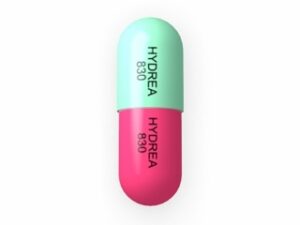

Hydroxyurea (Hydroxycarbamide) — Patient Guide (UK)
Hydroxyurea is a medicine used in several blood-related conditions and certain cancer-related situations. It works by slowing down the overproduction of abnormal blood cells and, in some uses, by helping to control tumour growth. This page is designed to help you understand how hydroxyurea works, how it is typically taken, what to expect, and how to stay safe.
Please remember: everyone’s situation is different. Your care team may adjust the dose and schedule based on your blood test results, your diagnosis, and how you respond to treatment.
Basic product information
- Generic name: Hydroxyurea (also called hydroxycarbamide)
- Common brand names: Varies by manufacturer
- Medicinal form: Capsules or tablets, depending on the product
- Therapeutic category: Cytotoxic/antimetabolite medicine; also used in some non-cancer blood disorders
- ATC code: L01XX05 (antimetabolites)
- Who it’s for: Adults and some children in specific indications under specialist care
How hydroxyurea works (mechanism of action)
Hydroxyurea affects cell growth by interfering with DNA production. It helps to:
- Inhibit ribonucleotide reductase, an enzyme needed for making the building blocks for DNA.
- Reduce DNA synthesis in rapidly dividing cells (cells that are multiplying quickly).
- Slow the production of blood cells in disorders where the bone marrow is overactive.
- Support control of symptoms in conditions such as sickle cell disease by helping reduce complications related to abnormal red blood cells (the exact benefit mechanism involves effects on haemoglobin production and red cell physiology).
Hydroxyurea does not “cure” the underlying conditions on its own in most cases, but it can help to reduce disease activity, complications, and the frequency of symptoms.
Pharmacokinetics: how the body handles hydroxyurea
Pharmacokinetics describes how the medicine is absorbed, distributed, metabolised, and eliminated. Key points include:
- Absorption: After oral dosing, hydroxyurea is absorbed into the bloodstream.
- Distribution: It can distribute throughout the body and reaches tissues where it affects rapidly dividing cells.
- Metabolism: It is partially metabolised in the body.
- Elimination: Hydroxyurea and its metabolites are eliminated primarily through the kidneys.
- Half-life: The medicine has an elimination half-life that supports once-daily or alternate schedules depending on the prescribed regimen.
Because hydroxyurea is cleared partly by the kidneys, your clinician may use blood counts and kidney function tests to guide dosing and safety monitoring.
Typical use in the UK
Hydroxyurea is used for:
-
Myeloproliferative neoplasms (MPNs), such as:
- Polycythaemia vera (PV)
- Essential thrombocythaemia (ET)
- Myelofibrosis (depending on clinical context)
- Sickle cell disease to reduce the frequency of painful crises and other complications in suitable patients.
- Certain cancer-related uses in specialist settings, where it forms part of a treatment plan.
- Other specialist indications may exist depending on the patient and local protocols.
When you may start to see effects (timing)
Response timing varies by condition and dose. Generally:
- Blood counts: Changes may be seen within days to weeks, with regular monitoring to ensure counts do not drop too far.
- Sickle cell benefits: Some patients notice fewer pain episodes after several weeks of treatment, and the full benefit may take longer.
- MPN symptom control: Symptom improvement and blood count stabilisation may occur over several weeks.
Your clinician may adjust the dose (“dose titration”) to balance effectiveness with safety, based on your blood tests.
How to take hydroxyurea: dosing basics
Dosing of hydroxyurea is highly individual. It is commonly adjusted to reach target blood counts while keeping side effects manageable. The schedule may be daily or sometimes modified (for example, alternate-day dosing) depending on the diagnosis and blood results.
Common dosing approach
Many protocols follow this general pattern:
- Start at an initial dose chosen by your specialist.
- Monitor blood tests frequently (often more often at the start).
-
Adjust dose up or down based on:
- White blood cell count
- Neutrophil count
- Platelet count
- Haemoglobin level (depending on indication)
- Kidney and liver function where relevant
- Any side effects
Table: safety-focused “targets” (typical monitoring, not a personal target)
| Blood test | Why it’s monitored | What may lead to dose adjustment |
|---|---|---|
| Neutrophils / white blood cells | Hydroxyurea can lower the immune cells needed to fight infection | If counts drop too low, treatment may be paused or reduced |
| Platelets | Supports clotting; low platelets can increase bleeding/bruising risk | If platelets fall, the dose may be reduced or delayed |
| Haemoglobin / red cell levels | To watch for anaemia and assess treatment balance | If anaemia worsens, dosing may be adjusted |
| Kidney function (creatinine/eGFR) | Hydroxyurea is partly cleared by the kidneys | Reduced kidney function may require more cautious dosing |
Indications: who hydroxyurea is used for
Hydroxyurea is indicated in the UK for specific conditions under specialist management. Typical indications include:
- Polycythaemia vera (PV): to reduce elevated blood counts and lower risk of complications by controlling blood cell production.
- Essential thrombocythaemia (ET): to reduce high platelet levels and lower the risk of clotting events in appropriate patients.
- Myelofibrosis and related MPN scenarios: depending on disease stage and patient risk factors.
- Sickle cell disease: to reduce the frequency of painful crises and related complications in suitable individuals.
- Certain cancer settings: as part of chemotherapy or specialist regimens.
Food interactions and taking with meals
Hydroxyurea can usually be taken with or without food. However, if you notice stomach upset or nausea, taking it with food may improve comfort for some people.
Practical tips:
- Take your dose at the same time each day if prescribed daily.
- Swallow capsules/tablets whole with water (unless your specific product instructions state otherwise).
- If you miss a dose, follow your clinician’s guidance or the instructions provided with your medicine.
- Do not take extra to “catch up” without advice.
Alcohol interactions
There is no single universal rule that hydroxyurea and alcohol are always unsafe together, but alcohol can increase the risk of:
- Side effects such as nausea, stomach irritation, fatigue, and dizziness
- Effects on blood and immunity if you become run down or dehydrated
- Health complications in people with liver or bone marrow vulnerability
If you drink alcohol, discuss a safe limit with your care team—particularly if you have liver problems, low blood counts, or you are experiencing frequent infections.
Medicine interactions: important examples
Hydroxyurea can interact with other medicines by affecting bone marrow function, the immune system, or kidney clearance. Some interactions may increase the chance of infections or blood count suppression.
Tell your clinician/pharmacist about all medicines
Including:
- Medicines that can suppress the immune system
- Other cytotoxic medicines used in cancer treatment
- Some antiviral or chemotherapy-related medicines
- Gout medicines or others cleared via the kidney (discuss individually)
- Over-the-counter products and supplements (especially those affecting blood, immunity, or bleeding risk)
In practice, your specialist will review your medicines and may schedule blood tests more often if there is potential for interaction.
Safety profile: common and serious side effects
Like many medicines that affect rapidly dividing cells, hydroxyurea can cause side effects—most notably changes to blood counts. The most important safety principle is regular monitoring and prompt reporting of symptoms.
Common side effects
- Low blood counts (myelosuppression): may lead to tiredness, higher infection risk, or easy bruising
- Gastrointestinal symptoms: nausea, vomiting, diarrhoea, or loss of appetite
- Skin and nail changes: darkening of skin, dryness, rash, nail changes
- Mouth soreness (stomatitis): painful mouth ulcers
- Headache and fatigue
- Temporary changes in blood tests as the dose is adjusted
Serious side effects — seek urgent medical advice
- Signs of infection: fever, chills, sore throat, or feeling very unwell—especially if you have low white cell counts
- Unusual bleeding or bruising: nosebleeds, gum bleeding, blood in urine/stool, or widespread bruises
- Severe mouth ulcers preventing eating or drinking
- Severe allergic reaction symptoms: swelling of the face/lips, difficulty breathing, or widespread rash (rare)
Long-term considerations
Hydroxyurea is generally used under monitoring for extended periods in suitable patients. Long-term risk assessment is part of specialist review. If you are concerned about longer-term effects, ask your clinician about:
- Appropriate monitoring intervals
- Skin care and sun protection (see below)
- Any additional cancer surveillance recommended for your condition
Practical use tips (daily-life guidance)
- Attend scheduled blood tests: These are central to safe use. Do not skip them.
- Know the warning signs: fever, infections, unusual bruising/bleeding, or severe mouth problems.
- Sun protection: hydroxyurea may increase sensitivity in some people. Use sunscreen and protective clothing, especially during strong sunlight.
- Oral care: if you develop mouth sores, keep good oral hygiene and ask about mouthwashes or gels suitable for you.
- Hydration and comfort: drink enough fluids; treat nausea promptly if it occurs.
- Pregnancy and family planning planning: see the next section for safety information.
- Keep away from children: store securely as advised on the label.
Important safety information: pregnancy, contraception, and breastfeeding
Hydroxyurea can be harmful to an unborn baby and may affect fertility. Your clinician will discuss pregnancy avoidance and contraception requirements before starting treatment.
- Women who could become pregnant: effective contraception is usually required during treatment and for a period after stopping.
- Men taking hydroxyurea: contraception advice may also apply during treatment and after stopping.
- Breastfeeding: breastfeeding is generally not recommended during treatment. Ask your clinician for personalised advice.
If pregnancy is possible or you are planning a family, speak to your healthcare team as early as possible.
Overdose or missed dose: what to do
If you miss a dose
Follow the instructions provided with your medicine or the advice from your healthcare team. In general, do not double up without guidance.
If you take too much
If an overdose is suspected, seek urgent medical help. Hydroxyurea overdose can cause significant blood count suppression and other complications.
Alternative options
Depending on your diagnosis, there may be alternative medicines or different treatment approaches. Your specialist may consider options such as:
- For MPNs (PV/ET): other cytoreductive medicines, risk-adapted strategies, and symptom-directed treatments
- For sickle cell disease: other disease-modifying treatments, supportive care, and transfusion strategies when appropriate
- For cancer indications: chemotherapy combinations, targeted therapies, or other specialist regimens
Whether an alternative is suitable depends on your individual risk factors, existing medical conditions, and monitoring results. Always discuss changes with your clinician.
UK market and legal context (patient-friendly overview)
In the United Kingdom, hydroxyurea is an established medicine used by specialist services. Medicines like hydroxyurea are regulated and supplied in line with UK medicines legislation and NHS/local healthcare requirements.
Because hydroxyurea can affect blood cell counts and may require careful monitoring, it is typically provided through appropriate healthcare pathways with safety checks. Availability can vary by manufacturer and strength.
Important: Always use the exact product and strength provided for your treatment plan, and keep all scheduled monitoring appointments.
Recent guidance and monitoring expectations (UK-focused)
Ongoing clinical guidance in the UK emphasises:
- Regular full blood count monitoring during initiation and dose changes
- Prompt assessment of infection or bleeding symptoms
- Risk–benefit review for longer-term use
- Individualised dosing based on blood results and kidney function
Monitoring schedules may differ between conditions (for example, sickle cell disease vs MPNs) and between adults and children. Your care team will follow the relevant specialist protocols.
Delivery and availability (online pharmacy)
Availability of hydroxyurea can vary depending on stock levels, manufacturer supply, and the strength/form required. Online pharmacy deliveries in the UK typically follow standard UK logistics with secure packaging.
- Dispatch times: depend on stock and order processing
- Delivery area: UK-wide delivery may be available (subject to courier coverage)
- Packaging: medicines should be delivered in protective outer packaging to help prevent damage
- Cold chain: generally not required for hydroxyurea in standard storage conditions
If you require ongoing refills, plan ahead to avoid running out—particularly because stable scheduling and continued monitoring are important for treatment continuity.
Storage instructions
Store hydroxyurea according to the instructions on the package or label. General tips include:
- Keep in the original packaging
- Store at room temperature unless otherwise specified
- Keep out of sight and reach of children
- Do not use after the expiry date
FAQ about hydroxyurea
1) What is hydroxyurea used for?
It is used for certain blood disorders such as polycythaemia vera and essential thrombocythaemia, in some cases of myelofibrosis, and for sickle cell disease to reduce complications. It may also be used in certain specialist cancer settings.
2) How long does it take to work?
Some changes in blood counts can occur within days to weeks. Symptom improvement may take longer—often several weeks—depending on the condition and your individual response.
3) Will I need regular blood tests?
Yes. Regular monitoring of blood counts is essential to keep treatment safe and to guide dose adjustments.
4) Can I take hydroxyurea with food?
Usually yes. If food helps with stomach upset, you may prefer taking it with a meal. Keep the routine consistent.
5) What should I avoid while taking hydroxyurea?
Avoid taking extra doses. Limit alcohol if advised, and seek advice before starting new medicines (including non-prescription products) because some interactions may increase blood or immune risks.
6) Is it safe to drink alcohol?
Moderate alcohol may be acceptable for some people, but alcohol can worsen nausea and overall health, and may increase risks if your blood counts are low. Ask your care team about a safe approach for you.
7) What are the most important warning signs?
Contact urgent medical services or your healthcare team promptly if you develop a fever or signs of infection, unusual bruising or bleeding, severe mouth ulcers, or symptoms of a serious allergic reaction.
8) Can hydroxyurea affect fertility or pregnancy?
It may affect fertility and can be harmful in pregnancy. Effective contraception and pregnancy avoidance guidance is typically required during treatment and for a period after stopping. Discuss individual advice with your specialist.
9) Are there alternatives if hydroxyurea isn’t suitable?
Alternatives depend on your condition and risk profile. Your specialist may consider other medicines and supportive treatment options.
10) What should I do if I develop mouth sores?
Inform your healthcare team. Keep up gentle oral hygiene, consider recommended mouth treatments, and seek urgent help if mouth sores are severe or you cannot eat or drink.
Summary: key takeaways
- Hydroxyurea is a medicine that slows rapidly dividing cells and helps control blood-related disorders.
- Its main safety requirement is regular blood monitoring and prompt attention to infection or bleeding symptoms.
- Take hydroxyurea consistently as advised; food is usually optional.
- Discuss alcohol limits and all other medicines with your clinician or pharmacist.
- Follow storage and handling guidance, and keep appointments for monitoring.