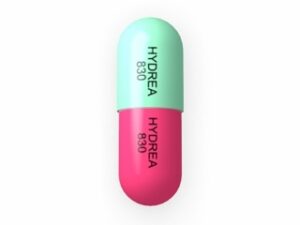


Alkacel (Melphalan) — Patient Information (United Kingdom)
Alkacel is a cancer medicine containing melphalan. It is used in specific types of cancers, usually under the care of specialist oncology teams. This guide explains how Alkacel works, what it’s used for, how it is given, important safety considerations, and practical information to help you prepare for treatment. It is written to be patient-friendly and UK-focused.
Key product information
| Item | Details |
|---|---|
| Medicine name | Alkacel |
| Active ingredient | Melphalan |
| Medicinal class (general) | Chemotherapy / alkylating agent |
| Typical route(s) | Given by healthcare professionals as directed (commonly oral or injected forms depending on local protocol) |
| Use | Selected cancers, including haematological (blood) cancers |
| Monitoring | Regular blood tests and clinical review during treatment |
How Alkacel works (mechanism of action)
Melphalan is an alkylating agent. After it enters the body, it damages the genetic material inside cells. Specifically, it forms chemical bonds with DNA, which can prevent cancer cells from dividing and repairing themselves.
Cancer cells are often more sensitive to DNA damage than normal cells, which is why melphalan can shrink or control certain tumours. However, because it also affects rapidly dividing healthy cells (like those in the bone marrow), it can cause side effects such as lower blood counts.
Pharmacokinetics (what the body does to the medicine)
“Pharmacokinetics” describes how the body absorbs, distributes, metabolises, and eliminates a medicine. For melphalan, key points include:
- Absorption: If given by mouth, absorption occurs through the gastrointestinal tract. Food can influence uptake for some chemotherapy medicines; follow the exact instructions for your specific Alkacel regimen.
- Distribution: Melphalan reaches tissues through the bloodstream. It can be taken up by rapidly dividing cells, including cancer cells.
- Metabolism and elimination: The drug is processed in the body and eliminated mainly via renal and other pathways, so kidney function may be relevant to dosing decisions.
- Monitoring: Because melphalan can affect blood cell production, treatment is guided by periodic blood tests (for example, full blood counts).
Your oncology team may adjust dosing based on factors such as cancer type, treatment goal, blood counts, kidney function, and previous chemotherapy exposure.
Typical uses and indications (what Alkacel is used for)
In the UK, melphalan (Alkacel) is used in particular cancer settings, including:
- Multiple myeloma: A cancer of plasma cells (commonly used as part of combination strategies and/or high-dose approaches).
- Other selected haematological malignancies: Depending on local protocol and specialist judgement.
- Some solid tumour regimens: Rarely, in specialist circumstances where melphalan is appropriate.
The exact regimen (dose, schedule, and combination medicines) varies by diagnosis and treatment plan. Always follow the instructions given for your individual treatment course.
How treatment timing works
Chemotherapy schedules are planned to balance anti-cancer effect with recovery time for healthy tissues. Alkacel is typically taken or administered in cycles, with rest periods in between.
Common timing-related aspects include:
- Cycle-based schedule: Treatment may run for a number of consecutive days followed by a break.
- Lab review: Blood results often determine whether treatment continues on schedule.
- Supportive medicines: Some patients are given anti-nausea treatment, infection prevention guidance, or other supportive care.
If you miss a dose or a clinic appointment, contact your oncology team for advice rather than trying to “catch up” on your own.
Food interactions (what to know about eating)
Food can affect how some chemotherapy medicines are absorbed and tolerated. For melphalan, the key practical guidance is:
- Follow instructions exactly: Your regimen may specify whether to take Alkacel on an empty stomach or with food. Use the written instructions provided by your healthcare team.
- Keep eating routines steady: Changes in meal timing or appetite may affect how you feel and how well you can take the medicine.
- Manage nausea early: If you have nausea, taking prescribed anti-sickness medicines as directed can help you keep up with treatment.
- Food safety matters: During chemotherapy, infection risk can be higher. Use safe food handling practices and consider avoiding foods that may carry higher infection risk if your team advises it.
If you develop vomiting or severe diarrhoea, contact your clinic urgently. Dehydration can make treatment and recovery more difficult.
Alcohol interactions and considerations
Alcohol may worsen side effects such as nausea, fatigue, and mouth irritation. It can also affect liver function and overall nutrition—important during chemotherapy.
- General recommendation: Limit or avoid alcohol during treatment unless your specialist advises otherwise.
- Discuss with your team: Tell your clinicians if you drink alcohol regularly, as this can influence supportive care and safety planning.
- Hydration: If you choose to drink, keep hydration in mind—chemo patients can be more vulnerable to dehydration.
Medicine interactions (including vitamins, herbal products, and OTC medicines)
Many medicines can interact with chemotherapy medicines directly or indirectly (for example, by increasing infection risk, bleeding risk, or affecting the liver/kidneys). For Alkacel (melphalan), the most important approach is to:
- Provide a full list of all medicines and supplements to your oncology team (including “natural” or herbal products).
- Be cautious with:
- Herbal remedies and high-dose supplements
- Non-steroidal anti-inflammatory drugs (NSAIDs) if you have low blood counts or stomach irritation
- Medicines that affect the immune system
- Drugs that may impact kidney or liver function
- Anticoagulants/antiplatelets: If you take blood thinners, your clinic may adjust monitoring because chemotherapy can change bleeding risk.
Always check with your healthcare professional before starting or stopping any medicine during chemotherapy.
Dosing and administration (general guidance)
Alkacel dosing is individualised and depends on factors such as:
- Your specific diagnosis
- Your treatment intent (e.g., induction, consolidation, transplant preparation)
- Your age and general health
- Your blood counts and kidney function
- Whether it is given as standard-dose or high-dose therapy in specialist regimens
Dosing is often calculated using body surface area (BSA) for chemotherapy and may be adjusted between cycles. If you are given instructions to take a dose at home, follow them carefully and do not alter your dose without clinical advice.
If your regimen is taken at home (practical notes)
- Use the correct dose form: Only take what has been prescribed for you.
- Protect skin and eyes: Chemotherapy medicines can be hazardous. Avoid touching tablets directly if instructed otherwise, and follow handling guidance from your clinic or pharmacist.
- Storage: Store as directed (usually at room temperature, away from moisture and out of reach of children).
- Keep a schedule: Use a calendar or medication organiser (if advised) to avoid missing doses.
Because Alkacel can be used in multiple protocols, the safest “dosing advice” is to rely on your personalised written schedule and instructions.
Safety profile: common and serious side effects
Like all chemotherapy medicines, Alkacel can cause side effects. Some are expected and manageable; others need urgent medical attention. Your healthcare team will monitor you closely.
Common side effects
- Low blood counts (myelosuppression): increased risk of infection, anaemia symptoms, or bleeding/bruising.
- Nausea and vomiting
- Diarrhoea or constipation
- Mouth sores (mucositis) or taste changes
- Fatigue and weakness
- Hair thinning (less common than with some other agents, but may occur)
- Skin changes such as rash or irritation
- Loss of appetite
Serious side effects — seek urgent medical help
Contact your urgent care team promptly (or seek emergency help) if you experience:
- Signs of infection: fever, chills, sore throat, or feeling very unwell—especially if your white blood cells may be low.
- Severe bleeding or unusual bruising: nosebleeds that won’t stop, blood in urine/stool, or black tarry stools.
- Breathing difficulties or chest pain.
- Severe allergic-type reactions: swelling of the face/lips, wheezing, or sudden rash with breathing difficulty.
- Severe dehydration: persistent vomiting, inability to keep fluids down, dizziness, or very reduced urination.
When blood tests matter most
Your clinic will commonly monitor:
- Full blood count (FBC) to track neutrophils, haemoglobin, and platelets
- Kidney function (because elimination may involve the kidneys)
- Electrolytes and hydration status if you have gastrointestinal symptoms
Treatment plans may delay or adjust doses if blood counts are too low or if side effects are severe.
Practical use tips for patients
The aim is to reduce avoidable complications and support your comfort and safety during chemotherapy.
1) Plan ahead for infections
- Keep track of temperatures if your clinic has asked you to.
- Follow guidance on hygiene and avoiding close contact with people who are unwell.
- Ask your oncology team about vaccinations (some live vaccines may be avoided during treatment).
2) Support nutrition and hydration
- Eat small, frequent meals if appetite is low.
- Use anti-nausea medicines as prescribed, rather than waiting until symptoms worsen.
- If you have diarrhoea, focus on oral fluids and contact your team for advice.
3) Mouth care
- Maintain gentle oral hygiene.
- Report mouth ulcers or pain early—there are treatments that can help.
4) Avoid injury and manage bleeding risk
- Use a soft toothbrush and avoid rough flossing if your platelets are low.
- Be careful with shaving and activities that could cause cuts.
5) Handling precautions
- Keep chemotherapy medicines out of reach of children and pets.
- Follow your pharmacist’s instructions for safe handling and disposal.
Alternative options (what else may be used)
Treatment choices depend heavily on diagnosis, stage, previous therapy, and patient factors. If melphalan isn’t suitable, clinicians may consider other chemotherapy agents or approaches, such as:
- Other chemotherapy regimens appropriate for your cancer type
- Targeted therapies (for some blood cancers)
- Immunotherapies depending on the exact diagnosis
- Supportive care only in certain situations where risks outweigh benefits
Your oncology team can explain the rationale for choosing melphalan and discuss alternative options if dose reductions, delays, or a change in therapy becomes necessary.
Market and legal context in the UK
In the United Kingdom, cancer medicines are regulated by the Medicines and Healthcare products Regulatory Agency (MHRA). Information and safety updates are also communicated through clinical channels and professional guidance.
Alkacel (melphalan) is an established chemotherapy medicine used in specialist care settings. Supply may be affected by manufacturing availability, cold-chain logistics (if applicable to certain formulations), and hospital pharmacy processes. Availability can vary between regions and treatment centres.
Recent guidance and safety updates (how to stay informed)
Guidance for chemotherapy continues to evolve based on safety data, clinical trial results, and pandemic-related or infection-control considerations. In the UK, patients typically receive the most relevant updates from their oncology team and treatment centre.
- Follow your clinic’s latest monitoring schedule for blood tests and symptom checks.
- Report side effects promptly rather than waiting until the next appointment.
- Keep an up-to-date list of medicines you take, including OTC products.
Delivery, availability, and online pharmacy notes (UK)
Availability of chemotherapy medicines can vary. When you order through an online pharmacy service, delivery may be coordinated with clinical requirements. Some medicines are supplied via specialist distribution channels and may require additional checks.
- Processing time: Orders may take longer than standard goods due to pharmacy verification and stock checks.
- Packaging: Chemotherapy medicines are typically supplied with protective packaging and clear handling information.
- Delivery address: Some medicines may require delivery to a verified address and/or specific care setting.
- Contact us if urgent: If your treatment schedule is time-critical, contact the pharmacy team so they can advise on dispatch options.
If you have questions about availability for your particular formulation and strength, we recommend contacting the pharmacy team before placing an order.
FAQ — Frequently asked questions
1) What is Alkacel used for?
Alkacel (melphalan) is used to treat certain cancers, most notably specific blood cancers such as multiple myeloma, depending on specialist treatment protocols.
2) How does melphalan affect my body?
It works by damaging DNA in rapidly dividing cells, which helps control cancer growth. It can also affect normal fast-growing cells, leading to side effects such as low blood counts.
3) How will I know whether the dose is right for me?
Your team adjusts treatment using information such as blood test results, kidney function, your symptoms, and your overall health. This may mean dose adjustments or cycle delays.
4) Can I take Alkacel with food?
Food instructions can vary by regimen. Follow the exact guidance given to you for your specific schedule. If you’re unsure, contact your pharmacist or oncology team for clarification.
5) What should I do if I vomit after taking a dose?
Do not automatically repeat the dose. Contact your oncology team or pharmacist for advice, as it depends on timing and your specific plan.
6) Can I drink alcohol during treatment?
It’s generally recommended to limit or avoid alcohol during chemotherapy because it may worsen side effects and impact nutrition and hydration. Ask your oncology team for personalised advice.
7) What infections should I watch for?
Fever, chills, sore throat, cough, burning when you pass urine, or feeling suddenly unwell are important to report promptly. If your clinic has given you “fever instructions,” follow them exactly.
8) Will Alkacel lower my white blood cells?
It commonly can. Low white blood cells (neutropenia) is a known risk with many chemotherapy medicines, so regular blood tests are used to monitor this.
9) Are there alternatives if side effects are too strong?
Yes. If side effects are severe, clinicians may adjust dose intensity, change the schedule, or switch to alternative therapies. Discuss options with your oncology team early if symptoms become difficult to manage.
10) How should I store Alkacel?
Store it exactly as directed by your pharmacist or on the label—typically in a safe, dry place at room temperature, away from children.
11) Who should I contact if I have questions before starting?
Contact your pharmacist or oncology team. If you have concerns about interactions with other medicines or supplements, they can check for compatibility.
Important safety reminder
Cancer medicines can be hazardous if used incorrectly. Always follow the instructions provided for your specific medicine type and regimen. If you have severe symptoms—especially fever, bleeding, or signs of severe infection—seek urgent medical advice immediately.
Need help understanding your treatment? If you’re unsure about timing, food instructions, side-effect management, or interactions, speak to your healthcare team or pharmacist.