Acamprosate (Alcohol Dependence Support) – Patient Guide (UK)
Acamprosate is a medicine used to support people who have stopped drinking alcohol. It helps reduce the chance of returning to drinking by affecting brain chemical systems involved in alcohol dependence. This guide is designed to be patient-friendly and explains how acamprosate works, how it is taken, and key safety and interaction information relevant to the United Kingdom.
Important: This information is educational and cannot replace advice from your healthcare professional. If you have questions about your suitability for acamprosate, speak to a pharmacist or clinician.
Basic product information
| Category | Details |
|---|---|
| Medicine | Acamprosate |
| Common purpose | Helps maintain abstinence in alcohol dependence |
| How it is taken | Oral tablets (or granules, depending on brand) |
| Typical regimen | Usually taken three times daily |
| Availability (UK) | Prescription medicine; supply may vary by pharmacy and stock |
What acamprosate is used for (indications)
Acamprosate is used as part of a treatment plan to:
- Support abstinence after alcohol dependence (for example, once you have stopped drinking).
- Reduce the risk of relapse by helping stabilise brain activity related to alcohol withdrawal and long-term dependence.
It is typically used alongside psychosocial support (such as counselling or structured support programmes). Medicines often work best when combined with behavioural and support strategies.
How acamprosate works (mechanism of action)
Alcohol dependence affects signalling in the brain. When alcohol use stops, the brain can become imbalanced, contributing to cravings and relapse risk.
Acamprosate’s mechanism is thought to involve the modulation of brain chemical systems, particularly those linked to glutamate signalling (via NMDA-related pathways) and related excitatory neurotransmission. In simple terms, it helps to restore balance after stopping alcohol.
This is why acamprosate is especially used when you have already achieved abstinence, rather than as a “quick fix” to manage intoxication.
Pharmacokinetics: how your body processes acamprosate
Pharmacokinetics describes what the body does to the medicine—how it is absorbed, distributed, metabolised, and removed.
- Absorption: After oral dosing, acamprosate is absorbed from the gut. Peak levels typically occur within a few hours.
- Distribution: It distributes into body tissues, with levels that reflect its dosing schedule.
- Metabolism: Acamprosate is not extensively metabolised by the liver. This is one reason it generally has fewer drug–drug interactions than medicines that rely heavily on liver metabolism.
- Elimination: It is mainly eliminated via the kidneys. This is important because kidney function affects how much medicine remains in the body.
Clinical takeaway (UK): If you have kidney impairment, dosing may need adjustment and some people may not be suitable. Always follow the dosing instructions given by your healthcare professional.
Typical timing and how to take acamprosate
Acamprosate is usually taken three times daily, often described as morning, afternoon, and evening doses.
General practical timing tips:
- Try to take doses at consistent times each day.
- Use a routine linked to daily activities (e.g., after waking, mid-afternoon, before bed).
- If you miss a dose, take it when you remember unless it is near the time of the next dose.
- Do not take a double dose to make up for a missed one.
How long to take it: The length of treatment varies depending on individual needs and relapse risk. Your clinician will advise a plan and review progress. Acamprosate works as a maintenance therapy, so it is generally continued for a period of time rather than just for a few days.
Food interactions: can you take acamprosate with meals?
Acamprosate can generally be taken with or without food. Food does not typically cause major changes in its effectiveness for most patients.
Patient-friendly guidance:
- If you experience stomach upset, some people find taking it with food or after a meal helps.
- Maintain a consistent approach so your routine remains easy to follow.
Alcohol interactions: why it matters
Acamprosate is intended to support abstinence. The goal is to help you avoid returning to alcohol use.
- If you continue drinking: acamprosate may be less helpful, and relapse risk can remain high.
- Safety: While acamprosate is not typically used to “counteract” drinking, alcohol use can worsen overall health risks and may reduce your ability to follow the treatment plan.
If you relapse or drink again, contact your healthcare professional. It is still possible to restart or adjust treatment as part of an overall plan; support matters.
Interactions with other medicines
Acamprosate has relatively fewer metabolism-related interactions because it is not heavily processed by the liver. However, interactions can still occur through kidney handling or general medication effects.
Be sure to tell your healthcare professional about all medicines and supplements you take**, including:
- Any medicines for anxiety, depression, sleep, or pain
- Medicines that affect kidney function or hydration status
- Over-the-counter products and herbal remedies
Common interaction considerations:
- Kidney function is key: because acamprosate is mainly eliminated by the kidneys, medicines that affect renal function (or dehydration) can influence safety.
- Side-effect overlap: if you are taking other medicines that can cause dizziness or gastrointestinal symptoms, the combined effects may be more noticeable.
If you want, list the medicines you’re taking and we can help you identify questions to ask your pharmacist about interaction checks.
Dosing: how much acamprosate is usually used?
Important: Dosing depends on individual factors, especially kidney function. Always follow the dosing instructions on your medicine label and the plan from your clinician.
Usual adult dosing (general pattern):
- Standard dosing: typically taken 666 mg three times daily (total 1998 mg/day), depending on the product strength and local prescribing guidance.
Kidney impairment and dose adjustment:
- Because acamprosate is eliminated through the kidneys, dose adjustments are often required for people with reduced kidney function.
- Your clinician may set a lower dose or choose an alternative treatment if kidney function is significantly reduced.
Missed doses: If you miss a dose, take it when you remember unless it is close to the next scheduled dose. Avoid doubling doses.
Safety profile: what to expect and when to seek help
Most people tolerate acamprosate reasonably well, but like all medicines it can cause side effects. If side effects are severe or persistent, seek medical advice.
Common side effects
- Diarrhoea
- Nausea
- Stomach discomfort
- Headache
- Dizziness
- Fatigue or weakness
Less common but important risks
- Allergic reactions (seek urgent help if you develop rash, swelling of face/lips, wheezing, or trouble breathing)
- Worsening kidney-related issues in people with pre-existing kidney disease (contact a clinician promptly)
When to get urgent medical help
- Signs of a serious allergic reaction
- Severe or persistent diarrhoea leading to dehydration
- Confusion, marked dizziness, or feeling faint, especially if you cannot keep fluids down
Extra caution: If you have kidney impairment, dehydration, or are taking medicines that can affect kidney function, consult your healthcare professional promptly.
Practical use tips for success
Acamprosate can be one part of a successful recovery plan. These practical tips can help you use the medicine consistently and safely.
- Use reminders: A mobile phone alarm, pill organiser, or calendar can help you remember the three daily doses.
- Hydration matters: If you experience diarrhoea, drink fluids and consider speaking to a pharmacist about symptom management.
- Track your progress: Note cravings, triggers, mood, and side effects. This can help your clinician adjust your plan.
- Keep support close: Recovery is easier with counselling, peer support, or structured alcohol dependence services.
- Avoid “trial and error” with alcohol: If you drink again, seek advice rather than stopping the medicine abruptly without guidance.
Missed doses and relapse: Missing doses can reduce treatment consistency. If you find it hard to take the medication regularly, speak to a pharmacist or clinician—there are usually practical solutions.
Alternative options for alcohol dependence support (UK)
Depending on your situation, clinicians may consider other evidence-based medicines and approaches. Choice may depend on your health history, including liver and kidney function, and on your current drinking status.
Other medicines (examples)
- Naltrexone: Used to reduce alcohol cravings/relapse in some patients. It may require consideration of liver function.
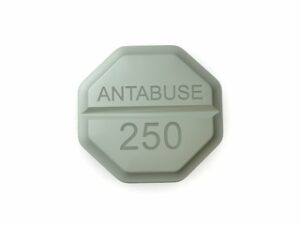
- Disulfiram: Helps deter drinking by causing unpleasant effects if alcohol is consumed. It requires strict adherence and safety screening.
- Other supports: Many people benefit from therapies (e.g., CBT, motivational interviewing), mutual aid groups, and alcohol services.
Which is best? There is no one-size-fits-all option. Your clinician will consider factors such as abstinence status, organ function, side-effect tolerance, and personal preferences.
Market and legal context in the United Kingdom
In the UK, acamprosate is categorised as a medicinal product that is typically supplied via prescription. Availability can differ by manufacturer and pharmacy stock.
Regulatory and quality considerations:
- Medicines supplied in the UK must meet standards for quality, safety, and labelling.
- Pharmacies may carry different brands or pack sizes, and substitutions may be made in line with supply arrangements.
Recent guidance (UK context): National and specialist alcohol treatment services commonly recommend that medication for alcohol dependence is combined with structured psychosocial support and follow-up. Treatment should be reviewed regularly, including assessing adherence, side effects, abstinence goals, and overall mental and physical health.
Delivery and availability (UK online pharmacy)
Availability can vary by location and current pharmacy supply. Many online pharmacies in the UK provide home delivery for prescription medicines using established courier services.
- Check stock status: Some pack sizes may have faster dispatch than others.
- Dispatch times: Orders are typically processed quickly when stock is available; delivery depends on the courier service and your postcode.
- Packaging: Medicines are supplied in appropriate protective packaging to maintain safe handling.
- Delivery address: Use a secure address where someone can receive the parcel.
Cold-chain storage: Acamprosate tablets generally do not require refrigeration. Always check the instructions on the medicine packaging.
If you share your preferred delivery area (postcode sector, not full postcode) and pack size, we can help you understand typical ordering considerations.
FAQ about acamprosate
1. Is acamprosate for stopping alcohol withdrawal symptoms?
Acamprosate is mainly used to help maintain abstinence after you have stopped drinking. It supports long-term recovery by helping stabilise brain signalling linked to dependence. It is not intended as a treatment for acute intoxication.
2. When should I start taking acamprosate?
Many treatment plans start once abstinence has been achieved. Your clinician will advise the right timing for your situation. Starting at the appropriate time can help the medicine support relapse prevention effectively.
3. Can I drink alcohol while taking acamprosate?
The medicine is intended to support staying off alcohol. If you drink, it may undermine the purpose of treatment and increase relapse risk. Seek advice if you slip, rather than stopping treatment without guidance.
4. Does acamprosate work if I missed doses?
Missing doses may reduce effectiveness because acamprosate is designed to be taken consistently across the day. If you regularly miss doses due to routine or side effects, contact your pharmacist for practical solutions.
5. What if I get diarrhoea or stomach upset?
Diarrhoea and gastrointestinal symptoms can occur. If symptoms are mild, monitor and stay hydrated. If diarrhoea is severe, persistent, or you feel unwell, contact a clinician or pharmacist promptly.
6. Are there food restrictions?
Acamprosate can generally be taken with or without food. Choose a routine you can maintain. If food helps your stomach feel better, take it with meals.
7. Can I take acamprosate with other medicines?
It may be compatible with many medicines, but you should confirm with a pharmacist—especially if you have kidney disease or are on multiple treatments. Always inform healthcare professionals of your full medicine list.
8. Is acamprosate safe for people with kidney problems?
Because acamprosate is eliminated by the kidneys, dose adjustments are often required. People with significant kidney impairment may not be suitable. Your clinician should assess kidney function before starting.
9. How soon will I notice an effect?
Some people notice changes in cravings or stability over time, but results vary. Acamprosate is typically considered part of a longer-term relapse prevention approach, not an immediate fix.
10. What are the most important safety checks?
- Kidney function assessment (and dose adjustment if needed)
- Monitoring side effects, especially diarrhoea and dehydration
- Seeking urgent help for allergic reactions or severe symptoms
Summary
Acamprosate is a relapse-prevention medicine for people with alcohol dependence who have stopped drinking. It helps support abstinence by influencing brain chemical systems involved in dependence. It is usually taken three times daily and can generally be taken with or without food. Because it is eliminated via the kidneys, kidney function is an important factor for safe dosing. If you are considering acamprosate, consistent daily use, hydration, awareness of side effects, and ongoing support from alcohol services can improve outcomes.
If you’d like, tell us your age group and whether you have any known kidney problems, and we can help you understand what questions to ask your pharmacist about dosing and suitability.