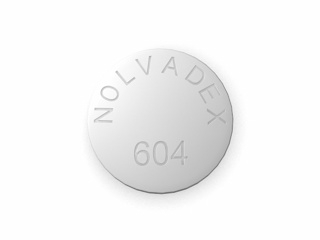

Nolvadex (Tamoxifen)
Nolvadex is the brand name for tamoxifen, a medicine used to treat and prevent certain hormone-dependent breast conditions. It belongs to a group of medicines called selective oestrogen receptor modulators (SERMs). Tamoxifen works by changing how oestrogen acts in different tissues, helping to slow or stop the growth of oestrogen-receptor positive (ER+) breast cancer, and reducing recurrence risk in suitable patients.
This page provides patient-friendly information about how Nolvadex works, how it is usually taken, key safety considerations, and practical tips for everyday use in the United Kingdom.
At a glance
- Active ingredient: Tamoxifen
- What it’s used for: Hormone receptor–positive breast cancer treatment and prevention (depending on individual circumstances)
- How it works: Blocks oestrogen effects in breast tissue (while acting differently in other tissues)
- Common form: Tablets
- Common dose range: Often 10–20 mg once daily (varies by indication)
- Important risks to know: Blood clots, stroke, endometrial changes, cataracts, liver effects (rare)
- Key interactions: Some medicines that affect liver enzymes (e.g., certain antidepressants) may reduce tamoxifen activity
Basic product information
| Feature | Details |
|---|---|
| Brand | Nolvadex |
| Generic name | Tamoxifen |
| Medicine type | SERM (selective oestrogen receptor modulator) |
| Route | Oral (tablets) |
| Typical dosing frequency | Once daily in many regimens (depends on indication) |
| How it’s used | For ER+ breast cancer treatment and/or recurrence prevention, depending on clinical plan |
How Nolvadex (tamoxifen) works (mechanism of action)
Tamoxifen acts on oestrogen receptors. In breast tissue, it generally blocks oestrogen from stimulating cancer cell growth. At the same time, in other tissues (for example, in bone or the uterus), tamoxifen may have oestrogen-like effects.
After you take tamoxifen by mouth, the body converts it into active metabolites. One important step involves liver enzymes that produce forms of tamoxifen capable of binding strongly to oestrogen receptors. This receptor activity helps reduce the growth and spread of hormone-dependent breast cancer cells.
Why receptor status matters
Tamoxifen is most beneficial when breast cancer is oestrogen receptor positive (ER+) (and/or progesterone receptor positive, depending on the clinical situation). Testing determines whether the tumour is likely to respond.
Pharmacokinetics: how the body processes tamoxifen
Pharmacokinetics describes what the body does to the medicine—how it is absorbed, metabolised, and eliminated. Tamoxifen is absorbed after oral dosing and then metabolised in the liver into active compounds.
- Absorption: Tablets are absorbed through the gut and reach peak levels after dosing (timing varies person to person).
- Metabolism: Primarily in the liver via enzyme pathways including CYP2D6, which influences the balance of active metabolites.
- Elimination: Tamoxifen metabolites are cleared over time, with a long duration of action in the body due to the persistence of metabolites.
Because of its metabolism, drug interactions—especially those affecting liver enzymes—can be important.
Typical uses in the UK
In the UK, Nolvadex (tamoxifen) is used for hormone-dependent breast conditions under specialist guidance. Uses commonly include:
Indications (common clinical situations)
- Treatment of ER+ breast cancer (including early and advanced/metastatic settings, depending on the clinical plan)
- Reducing risk of recurrence after surgery and other treatments for suitable patients
- Prevention of breast cancer in specific high-risk groups may be considered in appropriate circumstances
The exact purpose, duration, and dose vary based on factors such as tumour stage, receptor status, whether you are pre- or post-menopausal, and how your body responds.
How and when to take Nolvadex
Nolvadex is taken by mouth as tablets. Many schedules involve taking the tablet once daily. The most important principle is to take it consistently and follow your healthcare professional’s plan.
Timing
- Same time each day: Choose a time you can reliably remember.
- If you miss a dose: Take it when you remember unless it is close to the time for your next dose. Do not double up to make up for a missed tablet.
- During long courses: Setting phone alarms or using a pill organiser can help adherence.
With or without food
Nolvadex can generally be taken with or without food. If stomach upset occurs, taking it with food may make it more comfortable.
Practical use tips
- Swallow whole: Use a glass of water. Do not crush unless told to do so.
- Track side effects: Keep notes on symptoms such as hot flushes, mood changes, bleeding, or visual symptoms.
- Follow monitoring plans: Regular check-ups may include breast and, when relevant, gynaecological assessment.
Food interactions
There are no specific “no food” rules for tamoxifen that apply to most people. However, general practical considerations include:
- Consistency helps: Keep your diet stable so any effects on stomach comfort are predictable.
- Stomach upset: If it happens, try taking with a meal.
- Herbal products: Some supplements can affect liver enzymes. This is more important than normal foods.
Always tell your pharmacist about supplements or “natural” products you take, as these can sometimes interact with tamoxifen metabolism.
Alcohol and medicine interactions
Alcohol does not have a single universally predictable interaction with tamoxifen, but alcohol can worsen certain side effects for some people (for example, nausea, hot flushes, mood changes, or dizziness). If you choose to drink, consider moderate intake and watch for symptom changes.
Medicines that may interact with Nolvadex
Tamoxifen is metabolised in the liver. Some medicines can either increase or decrease the formation of active tamoxifen metabolites. This can affect how well it works or the risk of side effects.
Important examples include:
- Some antidepressants (notably certain SSRIs and others that strongly inhibit CYP2D6): may reduce conversion to active metabolites.
- Some anti-fungal medicines and other agents that affect liver enzymes.
- Other hormone medicines used for breast conditions: may need careful coordination.
- Warfarin or other anticoagulants: may increase bleeding risk or alter clotting balance.
This is not a complete list. Interactions depend on the exact product and your personal situation. Always provide your pharmacist with a full list of medicines, including over-the-counter products.
What to do if you start a new medicine
- Check with your pharmacist before starting a new prescription medicine, supplement, or herbal remedy.
- If you notice unusual bruising, bleeding, severe headache, chest pain, or shortness of breath, seek urgent medical advice.
Dosing: what is commonly used
Tamoxifen dosing depends on the indication (treatment versus prevention), the stage of disease, and individual patient factors. Common adult dosing regimens in practice may include:
- Breast cancer treatment: often 20 mg once daily or other schedules depending on the plan.
- Risk reduction / prevention strategies: dosing may be 10 mg or 20 mg once daily in some programmes.
Your healthcare professional will determine the correct dose and duration. Do not change the dose on your own. If side effects occur, do not stop abruptly without advice—discuss options with your clinician.
Duration of therapy is also individual. Many schedules last months to years, often for recurrence prevention.
Safety profile: important risks and what to watch for
Like all medicines, tamoxifen can cause side effects. Many people tolerate it well, but some effects require prompt medical attention. Below is a patient-friendly overview of the main safety considerations.
Common or expected side effects
- Hot flushes
- Vaginal dryness or changes in discharge
- Changes in menstrual pattern (if pre-menopausal)
- Nausea or stomach discomfort
- Mood changes in some people
- Fatigue
- Headache
- Skin rash (less commonly)
Serious side effects (seek urgent medical advice)
Stop and seek urgent care if you develop symptoms that could indicate a serious problem:
- Blood clot (thrombosis): sudden shortness of breath, chest pain, coughing blood, painful swelling in one leg, or sudden weakness/numbness.
- Stroke symptoms: facial drooping, difficulty speaking, sudden severe headache, or sudden loss of balance.
- Unusual uterine bleeding or heavy bleeding, particularly if you are post-menopausal.
- Severe pelvic pain with bleeding.
- Vision changes: sudden blurring, persistent eye pain, or new visual disturbances.
- Signs of liver problems (rare): yellowing of the skin/eyes, dark urine, severe abdominal pain, persistent nausea/vomiting.
Longer-term risks to discuss
Tamoxifen can increase the risk of certain endometrial (uterine) changes in some patients, and it is also associated with increased risk of blood clots. Your clinician will weigh these risks against the benefits for your specific diagnosis and risk profile.
Who should be extra cautious?
- Anyone with a personal history of blood clots or stroke
- People with significant risk factors for clotting (for example, prolonged immobility, major surgery, or certain conditions)
- People with symptoms suggestive of endometrial problems (especially abnormal bleeding)
- Those taking interacting medicines (especially certain antidepressants)
When to seek medical advice promptly (not necessarily urgent)
- Persistent or worsening hot flushes or mood symptoms
- New or worsening vaginal bleeding or changes after you thought you had reached menopause
- Any persistent visual symptoms
- Symptoms of infection or unexplained fever
- Any side effect that concerns you or affects daily life
Practical tips for daily life
Managing hot flushes
- Dress in layers and keep your environment cool.
- Limit triggers such as spicy foods, alcohol, and hot drinks if they worsen symptoms.
- Discuss treatment options with a clinician if hot flushes are severe.
Bone and muscle considerations
Tamoxifen may have favourable effects on bone density in some people, but it does not replace the need for healthy lifestyle measures. Regular weight-bearing exercise, adequate vitamin D and calcium intake (as advised), and fall prevention can be helpful.
Coping with vaginal dryness
- Use moisturisers and lubricants designed for vaginal use (pharmacist advice may help).
- Seek advice if you experience pain, bleeding, or persistent irritation.
Eye health
Report any new eye symptoms promptly. Some eye conditions have been reported with long-term SERM use.
Alternative options (what else may be used)
Depending on your breast condition, risk level, and menopausal status, clinicians may consider other hormone therapies or additional treatments. Alternatives may include:
- Aromatase inhibitors (commonly used in post-menopausal patients for certain ER+ cancers)
- Oestrogen receptor downregulators or other SERMs in specific contexts
- Targeted therapy (for example, treatments depending on tumour biology)
- Chemotherapy or radiotherapy as part of a combined cancer treatment plan
Switching between options is sometimes possible, but it depends strongly on your diagnosis. If you’re considering alternatives due to side effects, discuss the best course with your healthcare team.
UK market & legal context
In the United Kingdom, Nolvadex (tamoxifen) is an established, regulated medicine used in clinical practice for hormone receptor–related breast conditions. It is provided under the UK medicines framework and is dispensed through pharmacy services in line with current healthcare requirements.
Availability can vary by brand and pack size, but tamoxifen is widely stocked. Generic tamoxifen products may be available as well, depending on supply and prescribing choices made by clinicians.
Recent guidance (high-level)
UK breast cancer care is influenced by clinical guidance and national recommendations that evolve over time. In recent years, emphasis has included:
- Using ER status to guide endocrine therapy choices
- Careful consideration of side-effect management and risk balancing (such as thromboembolic risk and endometrial changes)
- Attention to drug–drug interactions, especially with medicines affecting CYP2D6 metabolism
- Shared decision-making regarding duration of endocrine therapy
Always check with your clinician or pharmacist for updates that apply to your specific treatment plan.
Delivery and availability (UK)
Nolvadex/tamoxifen tablets may be available through UK pharmacies and online pharmacy services, subject to stock levels and regulatory checks. Delivery options typically depend on your location within the UK and the pharmacy’s dispatch schedule.
To get the smoothest service, ensure your address details are correct and that you choose a delivery option that suits your household availability. If temperature-sensitive handling is specified for your specific product, follow the guidance provided at checkout.
How to check availability
- Confirm the strength and pack size you need.
- Look for “in stock” status on the product page.
- If you are offered an alternative equivalent product, verify strength and instructions with the pharmacist.
FAQ
1) What is Nolvadex used for?
Nolvadex (tamoxifen) is used for certain hormone receptor–positive breast conditions. This can include treatment of breast cancer and reducing the risk of recurrence in suitable cases.
2) How does tamoxifen differ from other hormone medicines?
Tamoxifen is a SERM. It blocks oestrogen receptors in breast tissue, but it can act differently in other tissues (for example, it may have effects on bone and the uterus).
3) When should I take my Nolvadex tablet—morning or evening?
Many people take it at the same time each day. Choose the time that suits you best and helps you remember. Food is usually not a major factor.
4) Can I take Nolvadex with food?
Yes. Nolvadex can generally be taken with or without food. If you feel nauseous, taking it with a meal may help.
5) What if I miss a dose?
Take the missed dose when you remember unless it’s nearly time for the next dose. Do not double up. If you are unsure, ask your pharmacist for advice.
6) Are there interactions with antidepressants?
Some antidepressants can interact with tamoxifen metabolism. This can reduce how well it works for some people. If you are taking antidepressants, tell your pharmacist so they can check for interactions.
7) Is it safe to drink alcohol while taking tamoxifen?
Moderate alcohol may be tolerated by many people, but alcohol can worsen certain side effects for some individuals. If you notice increased flushing, nausea, or mood changes, consider reducing intake and discuss with a pharmacist or clinician.
8) What side effects are most common?
Common side effects include hot flushes, vaginal dryness, changes in menstrual pattern (if applicable), nausea, fatigue, and headaches.
9) What side effects are most urgent?
Seek urgent medical advice if you suspect a blood clot or stroke (for example, chest pain, shortness of breath, one-sided leg swelling, or sudden weakness/speech problems), or if you have unusual uterine bleeding or significant vision changes.
10) Are there alternatives if I can’t tolerate Nolvadex?
Alternatives may include other endocrine treatments such as aromatase inhibitors, depending on your menopausal status and diagnosis. Talk to your healthcare team about suitability and side-effect trade-offs.
Important note
This information is intended to help you understand Nolvadex (tamoxifen) and how it is commonly used in the UK. It does not replace personalised advice. If you have questions about your specific situation, your pharmacist or healthcare professional can provide guidance tailored to you.