Microzide (Hydrochlorothiazide) – Patient Guide (UK)
Microzide is a brand of hydrochlorothiazide, a medicine used to help control high blood pressure and to reduce fluid retention (oedema). It belongs to a group of medicines called thiazide diuretics (“water tablets”). This guide explains how Microzide works, how it is used, what to expect, and important safety information for people in the United Kingdom.
This information is for general education. Always follow the advice of your healthcare professional and read the leaflet supplied with your medicine.
Quick overview
| What it is | Hydrochlorothiazide (Microzide) – a thiazide diuretic |
|---|---|
| Common uses | High blood pressure; fluid retention (oedema), often in heart, liver, or kidney conditions |
| How it works | Helps your kidneys remove salt and water, lowering fluid volume and blood pressure |
| How it is taken | Usually once daily (timing matters to reduce night-time urination) |
| Typical start | Urine increase may begin within hours; blood pressure benefits usually build over days to weeks |
| Key safety watch-outs | Low potassium/sodium, dehydration, dizziness, gout, photosensitivity, electrolyte monitoring |
Basic product information
Microzide contains hydrochlorothiazide. Hydrochlorothiazide is widely used in the UK and is available in different strengths depending on the product form and manufacturer.
- Medicine type: Thiazide diuretic (“water tablet”)
- Therapeutic group: Antihypertensive; diuretic
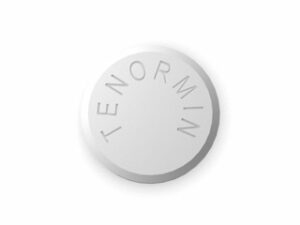
- How it’s supplied: Typically tablets
- How it’s stored: Keep in the original packaging, protected from moisture and heat
If you’re unsure about your specific strength or formulation, check the label and patient leaflet.
Mechanism of action (how Microzide works)
Hydrochlorothiazide works in the kidneys. It primarily acts on the distal convoluted tubule, where it reduces the reabsorption of sodium and chloride. As a result:
- Your body excretes more sodium and water into the urine.
- Because fluid volume decreases, blood pressure can fall.
- Over time, thinning of fluid volume and changes in vascular resistance help stabilise blood pressure.
Because thiazide diuretics can increase the loss of certain electrolytes, Microzide may lower potassium and sometimes magnesium. It may also increase calcium levels in some people.
Pharmacokinetics (how your body handles it)
“Pharmacokinetics” describes what happens to the medicine after you take it—absorption, distribution, metabolism, and elimination.
- Absorption: Hydrochlorothiazide is absorbed from the gastrointestinal tract.
- Onset of action: For diuretic effects, noticeable urine increase often begins within a few hours.
- Peak effect: The blood concentration typically reaches a peak a few hours after a dose (exact timing varies by person).
- Distribution: It distributes into body fluids and tissues.
- Metabolism: It is not extensively metabolised.
- Elimination: Mainly excreted by the kidneys. This means kidney function influences how long it acts.
Practical takeaway: Since it works through the kidneys, kidney function and hydration status can affect both effectiveness and side-effect risk. If you have kidney problems, your clinician may adjust treatment and arrange monitoring.
Typical uses in the UK
Microzide is used for:
- High blood pressure (hypertension): Often to reduce the risk of stroke, heart failure, and kidney damage.
- Fluid retention (oedema): For example, in certain conditions where the body retains fluid (such as some heart, liver, or kidney-related oedema), usually as part of a broader treatment plan.
In many patients, hydrochlorothiazide is prescribed alongside other blood-pressure medicines. Combination therapy can improve control while allowing lower doses of individual medicines.
How and when to take Microzide
Follow the schedule on your label. As a general rule for diuretic medicines:
- Take in the morning to reduce the chance of needing the toilet at night.
- If you are advised to take more than one dose per day, spacing them earlier in the day can help.
- Try to take it at the same time each day.
What to expect:
- Fluid effects: You may urinate more within hours of taking it.
- Blood pressure effects: Some reduction may be noticed early, but the full benefit often takes several weeks as your body responds.
If you miss a dose: Take it when you remember unless it is close to the time for your next dose. Do not double up. If you’re unsure, ask a pharmacist for advice.
Food interactions and what you should know
Hydrochlorothiazide can be affected by your diet, largely due to sodium and electrolyte balance.
- Salt (sodium) intake: A high-salt diet can reduce blood-pressure control and counteract the fluid-salt balance the medicine aims to improve.
- Potassium-rich foods: Thiazides can lower potassium in some people. Including foods rich in potassium (such as bananas, oranges, beans, and potatoes) may help—however, do not rely on diet alone if you have significant electrolyte problems.
- Grapefruit: There is no universal need to avoid grapefruit specifically for hydrochlorothiazide, but maintain a consistent diet and report any unusual side effects.
Simple guidance: Drink normally unless you’ve been told to restrict fluids. Don’t suddenly change your salt intake without medical advice, especially if you have heart failure or kidney disease.
Alcohol and medicine interactions
Alcohol can interact with Microzide effects indirectly by increasing dehydration and lowering blood pressure.
- Risk of dizziness: Combining alcohol with a blood-pressure-lowering diuretic may increase lightheadedness, especially when standing up.
- Dehydration: Alcohol may contribute to fluid loss, which can raise the risk of electrolyte imbalance.
Advice: If you drink alcohol, do so in moderation. Stand up slowly if you feel dizzy and seek advice if you experience fainting, severe weakness, or muscle cramps.
Other medicine interactions: It’s important to check all medicines and supplements you use, as diuretic-related electrolyte shifts can affect how other drugs work.
Other common medicine interactions (important)
Tell your healthcare professional and pharmacist about all medicines you take, including over-the-counter products and herbal supplements. Key interaction categories include:
- Lithium: Diuretics can increase lithium levels, potentially leading to toxicity. Close monitoring or alternatives may be needed.
- NSAIDs (e.g., ibuprofen, naproxen): Regular use may reduce the blood-pressure effect and can affect kidney function—especially if dehydrated.
- Other blood-pressure medicines: The combined effect may increase dizziness or low blood pressure.
- Digoxin: Low potassium increases the risk of digoxin-related heart rhythm problems. Monitoring may be needed.
- Medicines that affect potassium: Examples include certain steroids (like prednisolone), laxatives (if overused), and some asthma medicines—these may influence potassium levels.
- Diabetes medicines: Thiazides may affect blood glucose. Monitoring may be required.
- Gout medicines: Thiazides can raise uric acid and may trigger or worsen gout in some people.
Practical reminder: If you start a new medicine (including painkillers) or stop one, check with a pharmacist to confirm it’s safe with Microzide.
Dosing (what dose is commonly used)
Dosing varies by person and by the reason for taking Microzide. Typical regimens are often once daily, with adjustments depending on response and blood test results.
- Hypertension: Many patients are started on a low dose and then adjusted based on blood pressure readings.
- Oedema: The dose may be chosen to achieve the desired fluid balance while limiting side effects.
Important: Use the dose on your label. Do not change the dose or stop suddenly without medical advice. If your blood pressure drops too far or if side effects occur, your clinician may adjust the regimen.
If you have kidney impairment, dosing and monitoring are particularly important because hydrochlorothiazide is cleared by the kidneys.
Safety profile and side effects
Most people tolerate Microzide well, but it can cause side effects, especially if electrolyte levels become unbalanced or if dehydration occurs.
Common or notable side effects
- More urination (especially at the start)
- Dizziness or lightheadedness (particularly when standing)
- Muscle cramps or weakness (may relate to electrolyte changes)
- Headache
- Low potassium (hypokalaemia) symptoms may include cramps or fatigue
- Increased uric acid leading to gout flares in susceptible people
Less common but more serious risks
- Low sodium (hyponatraemia) which can be serious
- Low blood pressure leading to fainting
- Kidney function changes, particularly with dehydration or certain interacting medicines
- Allergic reactions (rash, swelling, difficulty breathing—seek urgent help)
- Photosensitivity (increased sun sensitivity)
When to seek urgent medical help
Contact urgent care or call emergency services immediately if you experience:
- Severe dizziness, fainting, or confusion
- Signs of a serious allergic reaction (swelling of face/lips/tongue, difficulty breathing)
- Severe weakness, persistent vomiting, or inability to keep fluids down
- Chest pain or a very irregular heartbeat
Monitoring and practical use tips
To use Microzide safely, many patients need routine monitoring, particularly for people starting treatment or adjusting dose.
- Blood tests: Electrolytes (sodium, potassium), kidney function, and sometimes glucose and uric acid.
- Blood pressure checks: Home monitoring can help ensure the dose is effective without causing low blood pressure.
- Watch your symptoms: Dizziness, cramps, unusual tiredness, or reduced urine output can be clues.
Hydration guidance
- Drink adequately unless you’ve been told to restrict fluids.
- If you are unwell (e.g., diarrhoea, vomiting, or fever), you may become dehydrated—seek guidance promptly about whether to temporarily withhold diuretics.
Sun protection
- Use sunscreen and protective clothing if you notice increased sensitivity to sunlight.
Managing gout risk
- If you have a history of gout, tell your clinician. They may monitor uric acid or recommend preventative strategies.
Alternative options for similar conditions
Depending on your diagnosis, overall health, kidney function, and existing medication, a clinician may consider other approaches.
Alternative diuretics
- Other thiazide-type diuretics (e.g., chlortalidone) – may have different dosing schedules.
- Loop diuretics (e.g., furosemide) – often used when stronger diuresis is needed, particularly in certain oedema states.
Alternative blood pressure medicines
- ACE inhibitors
- Angiotensin II receptor blockers (ARBs)
- Calcium channel blockers
- Beta blockers (in specific circumstances)
Why alternatives matter: Some patients may not tolerate thiazides due to electrolyte changes, kidney issues, or gout. Your clinician can choose an option tailored to your situation.
Market and legal context in the United Kingdom
In the UK, medicines like Microzide (hydrochlorothiazide) are regulated and dispensed according to UK medicines legislation and pharmacy practice requirements. Diuretic medicines used for long-term conditions are commonly supplied through community pharmacies and may be available through authorised online pharmacy services where permitted.
Product availability: Availability can vary by manufacturer, pack size, and strength. Generic hydrochlorothiazide products may also be available.
Safety and supply: Reputable pharmacies will only supply to eligible patients and will typically advise on correct use, interactions, and when to seek help.
Recent guidance and best-practice notes (UK context)
UK prescribing and monitoring practices for hypertension commonly emphasise:
- Regular blood pressure assessment and follow-up.
- Electrolyte monitoring when using diuretics, especially soon after starting or adjusting dose.
- Individualised treatment considering kidney function, diabetes, gout history, age, and cardiovascular risk.
While specific recommendations may be updated over time, the general principle in UK practice is to balance blood pressure benefits with the risks of electrolyte disturbance and dehydration.
Delivery and availability (online pharmacy)
Microzide and alternative hydrochlorothiazide brands are generally available through authorised pharmacy channels. Delivery options often include standard and next-day services depending on the supplier and postcode.
- Dispatch times: Typically within 24 hours for in-stock items (varies by pharmacy).
- Packaging: Sent in tamper-evident packaging.
- Storage: Keep tablets in a dry place at room temperature unless the label states otherwise.
Availability check: If your preferred strength isn’t available, the pharmacy may offer an alternative pack or a different manufacturer/generic version, subject to supply and suitability.
Frequently asked questions (FAQ)
1) What is Microzide used for?
Microzide (hydrochlorothiazide) is used to treat high blood pressure and fluid retention (oedema) in certain medical conditions.
2) How quickly does it work?
The diuretic (water-reducing) effect often starts within a few hours. For blood pressure, benefits may become noticeable after days, with full effect typically taking several weeks.
3) Should I take it in the morning?
For many people, taking it in the morning reduces the chance of needing the toilet during the night. Follow your personal dosing instructions.
4) Can I eat normally?
In most cases, you can eat normally. However, a very high-salt diet may make blood pressure harder to control. If you’ve been told to follow a specific diet (e.g., kidney-related diet), follow that advice.
5) Does Microzide cause low potassium?
It can. Low potassium is a known risk with thiazide diuretics. Symptoms may include cramps, weakness, or tiredness. Blood tests help monitor and prevent complications.
6) Will it affect my blood sugar or diabetes?
It may affect glucose levels in some people. If you have diabetes, regular monitoring is advisable and your treatment may need adjustment.
7) Can it trigger gout?
Hydrochlorothiazide can raise uric acid, which may trigger gout attacks in susceptible people. Tell your clinician if you have a history of gout.
8) Is it safe to drink alcohol?
Moderate alcohol may be compatible for some people, but alcohol can increase dizziness and dehydration risk. Avoid heavy drinking and stand up slowly if you feel lightheaded.
9) What medicines should I avoid?
It depends on your situation, but commonly important interactions include lithium, some NSAIDs, medicines that affect potassium, and certain heart medicines. Always review your full list of medicines with your pharmacist.
10) What if I feel dizzy after starting?
Dizziness can occur, especially at the beginning or after a dose change. Sit or lie down until the feeling passes, and contact a healthcare professional if it persists. Your dose or treatment plan may need adjustment.
11) Can I stop taking it if I feel better?
Do not stop suddenly unless advised. Blood pressure and fluid balance often return toward previous levels if treatment stops.
12) How should I handle sick days (vomiting/diarrhoea)?
Illness that causes dehydration can increase diuretic risk. Seek prompt advice about whether to pause diuretics temporarily and when to restart, especially if you cannot keep fluids down.
Summary
Microzide (hydrochlorothiazide) is a thiazide diuretic commonly used in the UK for hypertension and oedema. It helps your kidneys remove salt and water, lowering blood pressure and reducing fluid retention. For best results and safety, take it as directed (often in the morning), maintain appropriate hydration, and attend recommended blood test monitoring to check kidney function and electrolyte levels.
If you notice worrying symptoms such as severe dizziness, muscle weakness, signs of allergy, or reduced urine output, contact a healthcare professional promptly.