
Hyzaar (Losartan / Hydrochlorothiazide) — Patient Information (UK)
Hyzaar is a combination medicine used to treat high blood pressure. It contains two active ingredients: losartan (an angiotensin receptor blocker, or ARB) and hydrochlorothiazide (a thiazide diuretic, often called a “water tablet”). Together, they help lower blood pressure and reduce strain on the heart and blood vessels.
This guide is written for patients and explains how Hyzaar works, how it’s usually taken, common safety points, and what to consider regarding interactions, alcohol, and practical use in the United Kingdom.
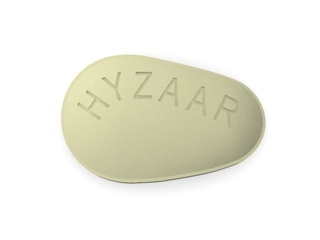
Basic product information
- Brand name: Hyzaar
- Active ingredients: Losartan + Hydrochlorothiazide
- Medicine type: Combination antihypertensive (ARB + diuretic)
- Common strengths (may vary by product availability):
- Losartan 50 mg + Hydrochlorothiazide 12.5 mg
- Losartan 100 mg + Hydrochlorothiazide 12.5 mg
- Other strengths may be available depending on UK supply
- How it’s taken: Swallowed tablets, usually once daily
Note: Always check the strength on your tablet pack and follow your prescriber’s instructions. If you’re unsure, speak to a pharmacist.
What Hyzaar is used for
Hyzaar is primarily used to treat:
- High blood pressure (hypertension) in adults, especially when blood pressure is not adequately controlled with one medicine alone.
It may be used as part of a broader cardiovascular risk management plan, which could include lifestyle measures such as stopping smoking, reducing salt intake, maintaining a healthy weight, and regular physical activity.
How Hyzaar works (mechanism of action)
Hyzaar contains two medicines that work in different ways to lower blood pressure.
1) Losartan (ARB component)
- Losartan blocks the action of angiotensin II at the AT1 receptor.
- Angiotensin II normally causes blood vessels to narrow and increases blood pressure.
- By blocking angiotensin II, losartan helps relax blood vessels and reduce blood pressure.
- It also reduces the effect of hormones that can lead to fluid retention.
2) Hydrochlorothiazide (diuretic component)
- Hydrochlorothiazide belongs to the thiazide diuretics class.
- It helps the kidneys remove sodium and water by increasing urine production.
- This reduces circulating volume and helps lower blood pressure over time.
Why combination therapy? The two components complement each other: losartan helps counterbalance some electrolyte and fluid effects, while hydrochlorothiazide adds additional blood pressure reduction.
Pharmacokinetics (how the body handles the medicine)
Pharmacokinetics describes how a medicine is absorbed, distributed, broken down, and removed from the body.
Losartan
- Absorption: After oral administration, losartan is absorbed from the gut. Peak blood levels typically occur within a few hours.
- Metabolism: Losartan is metabolised mainly in the liver (including formation of an active metabolite).
- Half-life: Both losartan and its active metabolite persist long enough to support once-daily dosing for blood pressure control.
Hydrochlorothiazide
- Absorption: Hydrochlorothiazide is absorbed after swallowing, with peak levels commonly occurring within a few hours.
- Elimination: It is eliminated largely through the kidneys.
- Half-life: It has a duration that supports once-daily dosing in most patients.
Kidney and liver function matter: Because hydrochlorothiazide is cleared via the kidneys and losartan is processed through the liver, your healthcare team may recommend blood tests to monitor kidney function and electrolytes, especially if you have kidney disease, older age, or other risk factors.
Typical timing: when and how to take Hyzaar
Most people take Hyzaar once daily. Many patients find it easiest to take it at the same time each day. Because hydrochlorothiazide can increase urine production, it’s often best to take your dose in the morning to reduce the chance of waking at night.
- Best time for many patients: Morning (e.g., breakfast time)
- With or without food: Usually can be taken with or without food
- Consistency: Try to keep dosing time consistent day to day
If you miss a dose: Take it when you remember unless it’s close to the time for your next dose. Do not take a double dose to make up for a missed tablet. If you’re unsure, ask a pharmacist.
If you have vomiting or severe diarrhoea: This can affect fluid and electrolyte balance. Contact a healthcare professional for advice on whether to continue your medicine.
Food interactions
For most patients, food does not significantly affect the overall effectiveness of Hyzaar. You may take it with or without food.
- Salt intake: Very high salt intake can reduce the blood pressure-lowering effect of antihypertensive medicines. A lower-salt diet may help overall control.
- Grapefruit / citrus: Grapefruit is not typically a key concern with losartan/hydrochlorothiazide, but it’s good practice to discuss any supplement use with your pharmacist.
Electrolytes and diet: Because hydrochlorothiazide can lower potassium and sodium levels, your clinician may advise dietary adjustments or blood tests rather than relying on food alone.
Alcohol and medicine interactions
Alcohol can affect blood pressure and dehydration. With Hyzaar, alcohol may:
- Increase dizziness or light-headedness, especially when you first start treatment or after dose increases
- Worsen dehydration, which may be more likely because hydrochlorothiazide increases urine output
Practical guidance:
- Consider limiting alcohol, especially early in treatment.
- Avoid binge drinking.
- Rise slowly from sitting or lying positions if you feel faint.
Important: If you have frequent falls, blackouts, or already experience dizziness, speak to a pharmacist or clinician before drinking alcohol.
Other medicine interactions (important)
Hyzaar can interact with other medicines. Some interactions are especially important for blood pressure medicines and diuretics.
Medicines that may increase potassium (or affect electrolytes)
- Potassium supplements or salt substitutes containing potassium
- Potassium-sparing diuretics (e.g., spironolactone, amiloride)
- Some heart medicines or other drugs affecting potassium levels
Medicines that may raise lithium levels
- Lithium (mood stabiliser): combined use can raise lithium levels and increase risk of toxicity.
NSAIDs (painkillers) and kidney function
- Non-steroidal anti-inflammatory drugs (NSAIDs) such as ibuprofen or naproxen may reduce the blood pressure effect and can affect kidney function when used regularly, particularly in combination with diuretics and ARBs.
Other antihypertensives
- Taking Hyzaar with other blood pressure medicines may further lower blood pressure—this can be beneficial if monitored, but can increase dizziness if the reduction is too large.
Medicines that can affect sodium/potassium balance
- Some medicines can influence electrolyte balance; your pharmacist can advise based on your specific treatment list.
Diabetes medicines
- Hydrochlorothiazide may affect blood sugar control in some people. If you have diabetes, monitor as advised and report changes.
Always tell your pharmacist about:
- All prescription medicines
- Over-the-counter medicines (including painkillers)
- Herbal products and supplements
Never start or stop other medicines without advice, particularly if you have kidney disease, heart failure, or are older.
Indications and suitability
Hyzaar is indicated for adults with hypertension where combination therapy is appropriate. Suitability depends on your medical history, kidney function, electrolyte levels, current medicines, and blood pressure readings.
Your clinician may consider:
- Whether a single drug has not achieved adequate control
- Your kidney function (because hydrochlorothiazide relies on renal clearance)
- Baseline electrolytes (especially sodium and potassium)
- Potential risks such as dehydration, gout, or diabetes
Dosing: how much to take
Dosing should follow the tablet strength on your pack and your healthcare plan. In general, Hyzaar is taken once daily.
- Typical starting dose: Often one tablet once daily, based on prior treatment and blood pressure response.
- Dose adjustments: May be made gradually depending on blood pressure readings and blood test results.
- Maximum daily dose: Depends on the product strength; your pharmacist or prescriber will confirm your target.
What affects dose decisions?
- Current blood pressure
- Kidney function (creatinine/eGFR)
- Electrolyte levels (sodium, potassium)
- Age and risk of low blood pressure (especially standing)
- Other medicines and hydration status
If you feel unwell after starting: such as significant dizziness, fainting, or cramps, contact a healthcare professional promptly. It may indicate low blood pressure or electrolyte imbalance.
Safety profile and common side effects
Like all medicines, Hyzaar can cause side effects. Many patients tolerate it well, especially when monitoring is in place. Some side effects are more likely early on or after dose increases.
Commonly reported side effects
- Dizziness or light-headedness
- Low blood pressure, especially when standing up (orthostatic symptoms)
- Headache
- Increased urination (commonly from hydrochlorothiazide)
- Fatigue
- Electrolyte changes (e.g., low potassium or sodium)
Less common but important risks
- Kidney function changes (especially if dehydrated or with certain medicines)
- High potassium (less common with thiazides, but can occur due to losartan effects, especially with other potassium-increasing medicines)
- Gout flares in susceptible people
- Changes in blood sugar (diabetes control may be affected)
- Rash or sensitivity reactions
Seek urgent help if you have
- Signs of an allergic reaction: swelling of face/lips/tongue, difficulty breathing, severe rash
- Severe dizziness, fainting, or falls
- Severe dehydration (e.g., persistent vomiting/diarrhoea, unable to keep fluids down)
- Very reduced urine output or sudden worsening kidney-related symptoms
Practical use tips (making treatment easier)
- Take at the right time: consider mornings to reduce night-time urination.
- Hydration matters: drink enough fluids unless you have been advised to restrict fluids (e.g., in some heart failure situations).
- Stand up slowly: especially after the first dose or dose change, to reduce dizziness.
- Track your blood pressure: home readings (if you have a monitor) can help your clinician adjust therapy.
- Attend blood test appointments: kidney function and electrolytes are important with ARB/diuretic therapy.
- Be mindful in hot weather: heat can increase dehydration risk.
- Know your “sick day” plan: if you get severe vomiting/diarrhoea, contact a healthcare professional for advice on whether to pause or continue.
Blood tests and monitoring
Monitoring helps detect electrolyte or kidney changes early. Your clinician may check:
- Kidney function (creatinine, eGFR)
- Sodium
- Potassium
- Uric acid if gout is relevant
- Blood sugar if you have diabetes
Tests are commonly performed after starting treatment, after dose changes, and periodically thereafter based on your risk level.
Alternative options
If Hyzaar isn’t suitable or doesn’t achieve target blood pressure, there are alternative approaches. Options depend on your individual situation.
Alternative combinations
- Other ARB + diuretic combinations
- Other ACE inhibitor + diuretic combinations
Single-agent alternatives
- ARB alone (e.g., losartan without hydrochlorothiazide)
- ACE inhibitor alone
- Calcium channel blocker
- Thiazide-like diuretic (for some patients)
Non-medicine strategies can also support blood pressure control, such as reducing salt intake, improving diet quality (e.g., Mediterranean-style), regular exercise, and weight management.
Discuss alternatives with a healthcare professional rather than switching on your own.
Hyzaar in the UK: market, prescribing, and legal context
In the United Kingdom, antihypertensive medicines are regulated and supplied within the National Health Service (NHS) and through pharmacy channels. Availability may vary by strength and supply, and medicines may be dispensed as brand-name or generic equivalents where permitted.
Key points for UK patients:
- Hyzaar is an established product containing losartan and hydrochlorothiazide.
- As with other blood pressure medicines, patients are typically advised to attend monitoring and follow-up appointments.
- In the UK, medicines are often prescribed according to clinical guidelines and individual patient needs.
- If you have concerns about supply, your pharmacist can advise on suitable alternatives or formulations available locally.
Recent guidance and updates: UK and international blood pressure guidance has continued to emphasise personalised treatment, regular monitoring, appropriate electrolyte checks, and careful assessment of kidney function—especially for combinations including ARBs and diuretics. Always follow the advice given for your situation.
Delivery and availability (UK)
Online pharmacies in the UK may offer delivery services for eligible medicines. Availability can depend on stock levels and tablet strength.
- Check availability: strengths and pack sizes can differ by supplier and location.
- Delivery times: typically shown at checkout, and may vary depending on standard vs express delivery options.
- Packaging: medicines are usually delivered in secure, protective packaging to maintain integrity.
- Cold chain: Hyzaar does not generally require refrigeration for home delivery (unless otherwise stated for a specific product).
If you experience delays or need confirmation of delivery dates, contact the pharmacy’s customer service.
FAQ — Hyzaar (Losartan / Hydrochlorothiazide)
1) How long does Hyzaar take to work?
Some blood pressure reduction can be noticed within days, but full benefits often develop over several weeks. Consistent daily use is important.
2) What should I do if I feel dizzy after taking Hyzaar?
Try taking it in the morning, rise slowly from sitting or lying positions, and avoid alcohol until you know how the medicine affects you. If dizziness is severe, persistent, or you faint, seek medical advice promptly.
3) Can I take Hyzaar with food?
Yes. Hyzaar can usually be taken with or without food. Choose a routine that helps you remember your dose.
4) Does Hyzaar affect urine frequency?
Hydrochlorothiazide can increase urine output, particularly after starting. Taking the tablet in the morning can help reduce night-time trips.
5) Will Hyzaar change my potassium levels?
It can. Hydrochlorothiazide may lower potassium, while losartan can increase potassium. This is why blood tests are often recommended to keep electrolytes in a safe range.
6) Is it safe to drink alcohol while taking Hyzaar?
Alcohol may increase dizziness and dehydration risk. Many people can have moderate alcohol, but it’s wise to limit intake—especially early in treatment—and seek advice if you’re prone to fainting or dehydration.
7) Can I take ibuprofen or other painkillers with Hyzaar?
Occasional use may be appropriate for some people, but regular NSAID use can affect kidney function and reduce blood pressure control. Ask a pharmacist for guidance based on your medicines and kidney health.
8) What if I miss a dose?
Take it when you remember unless it’s near the time of your next dose. Do not take two doses together. If you’re unsure, ask a pharmacist.
9) Are there alternatives if Hyzaar isn’t right for me?
Yes. Options include different dose strengths, different ARB/diuretic combinations, or other antihypertensive classes such as ACE inhibitors or calcium channel blockers. A clinician can tailor the plan to your needs.
10) When should I contact my healthcare team?
Contact them if you experience severe dizziness, fainting, signs of allergy (swelling, breathing problems), significant dehydration (especially with vomiting/diarrhoea), reduced urine output, or if you have concerns about electrolyte or kidney-related symptoms.
Remember: Hyzaar helps control blood pressure, but it works best when taken consistently and accompanied by appropriate monitoring. If you have questions about your tablets, interactions, or blood test results, your pharmacist is a helpful first point of contact.