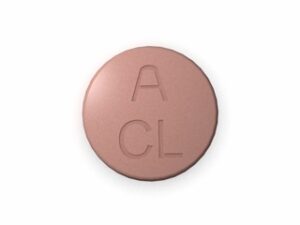
Cartia XT (Diltiazem Hydrochloride) — Patient Information (UK)
Cartia XT contains diltiazem hydrochloride, a medicine from the group known as calcium channel blockers (specifically, a non-dihydropyridine calcium channel blocker). It is used to treat certain heart conditions by helping to relax blood vessels and reduce the workload on the heart. Cartia XT is designed to release diltiazem slowly over time (a “modified-release” formulation), helping to provide more consistent effects across the day.
This page explains what Cartia XT is, how it works, how to take it, common side effects and safety points, and practical guidance for living with the condition it treats. It is written for patients in the United Kingdom.
Quick Facts
- Active ingredient: Diltiazem hydrochloride
- Brand name: Cartia XT
- Formulation: Modified-release (extended/controlled release)
- Medicine type: Calcium channel blocker
- Common uses: Angina, high blood pressure, and some heart rhythm problems (as advised by a healthcare professional)
- How often: Typically once daily with modified-release preparations (follow your specific prescription instructions)
How Cartia XT Works (Mechanism of Action)
Diltiazem works by blocking “L-type” calcium channels in the heart and blood vessel walls. By reducing calcium entry into cardiac and smooth muscle cells, it:
- Relaxes blood vessels (vasodilation), which can lower blood pressure.
- Reduces heart rate and slows electrical conduction through the heart’s conduction system (particularly the atrioventricular node).
- Decreases the heart’s workload and improves the balance between oxygen supply and demand, which can help relieve angina (chest pain caused by reduced blood flow to the heart muscle).
Because Cartia XT releases diltiazem gradually, the medicine aims to maintain steadier drug levels throughout the day.
Pharmacokinetics (How the Body Handles the Medicine)
Pharmacokinetics describes how the drug is absorbed, distributed, metabolised, and eliminated. While individual responses vary, the general points include:
- Absorption: Cartia XT is formulated to release diltiazem slowly. This helps reduce peak-related side effects and supports longer-lasting effect.
- Onset: Many patients notice symptom control over time rather than instantly; full effects are typically assessed over days as dosing becomes steady.
- Metabolism: Diltiazem is metabolised mainly in the liver (including through pathways involving CYP enzymes).
- Elimination: Metabolites and small amounts of unchanged drug are eliminated from the body, primarily via the kidneys and bile.
- Steady state: With regular dosing, blood levels generally reach a steady state after several days.
Important: Your response may depend on other medicines, liver function, age, and individual cardiovascular characteristics. Regular follow-up (such as blood pressure and heart rate checks, and sometimes ECG monitoring) may be recommended.
Typical Uses in the UK
Cartia XT is used in people who have conditions where slowing the heart and/or relaxing blood vessels can be beneficial. Common indications include:
- Angina (stable or chronic): helps prevent chest pain episodes or reduce frequency and severity.
- High blood pressure (hypertension): may be used alone or alongside other blood pressure medicines.
- Some heart rhythm conditions: in selected cases, diltiazem may be used to control heart rate (for example in certain supraventricular arrhythmias), depending on the specific diagnosis and patient profile.
Not all heart rhythm problems are suitable for diltiazem. Decisions are based on ECG findings, symptoms, and overall safety.
Timing and How to Take Cartia XT
Cartia XT is an extended/modified-release medicine. This affects how it should be taken.
When to take it
- Once daily: Modified-release diltiazem preparations are commonly taken once daily.
- Consistency helps: Try to take it at the same time each day.
- If you miss a dose: Take it when you remember unless it is close to your next dose. Do not take a double dose to make up for a missed one.
How to swallow
- Swallow whole: Do not crush, chew, or break modified-release tablets/capsules unless your product instructions explicitly allow it.
- Why it matters: Breaking the formulation can cause the medicine to release too quickly, increasing side effects risk.
With or without food
Food can influence the absorption of some diltiazem formulations. For Cartia XT, many patients can take it with food if it suits them, but it’s important to follow the instructions provided with your specific product and pharmacy label.
Food Interactions
Because diltiazem is processed in the gut and liver, certain foods and drinks may affect drug levels.
- Grapefruit/grapefruit juice: May increase levels of some medicines by affecting metabolism enzymes. It is generally advisable to avoid grapefruit products unless your clinician/pharmacist confirms it is safe for you.
- General diet: If you take Cartia XT at the same time each day, with a similar pattern of meals, it can help reduce day-to-day variability.
Tip: If you want to make dietary changes, ask your pharmacist—especially if you use other medicines that also interact with liver enzymes.
Alcohol and Medicine Interactions
Alcohol: Alcohol may add to diltiazem’s effects on blood vessels and can worsen side effects such as dizziness, flushing, or light-headedness. Moderate intake may be tolerated by some people, but it can be risky if you feel unwell or your blood pressure is already low.
Practical guidance:
- Start cautiously if you drink alcohol.
- Avoid binge drinking.
- Be extra careful if you also take other blood pressure medicines.
Other medicine interactions (common examples): Diltiazem can interact with medicines that affect heart rate, blood pressure, and liver metabolism. Tell your pharmacist about all medicines you take, including “over-the-counter” and herbal products.
- Other heart rate–lowering medicines: beta-blockers (e.g., bisoprolol, metoprolol) may increase risk of slow heart rate or conduction problems.
- Antiarrhythmics: medicines used for rhythm control may require close monitoring.
- Other blood pressure medicines: may increase risk of low blood pressure.
- Statins: some statins may have interaction potential; your clinician may choose specific statins and monitor for side effects.
- Some antibiotics/antifungals: certain drugs can raise diltiazem levels.
- Some antidepressants/antipsychotics: may also affect metabolism and heart rhythm in certain combinations.
- Rifampicin and other enzyme inducers: may reduce diltiazem effect.
Always check: Before starting a new medicine, including “natural” remedies, ask your pharmacist or refer to the patient information leaflet. Interaction risk varies by dose and by the exact product.
Dosing (General Information for Patients in the UK)
Dosing depends on the condition being treated, your age, kidney/liver function, heart rate and blood pressure, and how you respond. Typical dosing ranges for diltiazem modified-release preparations may vary by product and indication.
Follow your label: The dose you take should match what your healthcare professional prescribed.
Usual dosing principles
- Start low, adjust carefully: Many people begin with a lower dose and gradually increase if needed.
- Monitor symptoms: If your chest pain frequency changes or you experience dizziness or fainting, contact a clinician.
- Heart rate and blood pressure: These may be checked regularly, especially when doses change or if combined with other heart medicines.
Example guidance (not a substitute for your prescription)
Cartia XT strengths commonly used in practice include multiple tablet strengths. Your clinician decides the appropriate strength and dosing schedule based on your individual needs.
If you have questions about your exact dose, check your pharmacy label or speak to your pharmacist.
Safety Profile: What to Watch For
Like all medicines, Cartia XT can cause side effects. Many are mild and improve as your body adjusts, but some require medical advice.
Common side effects
- Headache
- Flushing or warmth
- Dizziness or light-headedness
- Swollen ankles/feet (peripheral oedema)
- Fatigue
- Constipation
Less common but important risks
- Slow heart rate (bradycardia)
- Low blood pressure (especially when standing up)
- Heart conduction problems (sometimes detected on ECG)
- Worsening heart failure symptoms in susceptible individuals
- Allergic reactions (rash, swelling, breathing difficulty)
- Liver-related effects (rare; seek advice if you develop unusual tiredness, dark urine, or yellowing of skin/eyes)
Seek urgent help if
- You faint, experience severe dizziness, or have chest pain that is new or worsening
- You have severe shortness of breath, swelling of face/lips, or trouble breathing
- You feel your heart is beating extremely slowly or irregularly with symptoms
Important safety reminder: Contact a healthcare professional promptly if you experience persistent side effects or symptoms of excessively slow pulse, fainting, or severe breathlessness.
Practical Use Tips for Patients
- Check your pulse: If advised, monitor your heart rate and blood pressure. Report significant changes to your clinician.
- Rise slowly: Dizziness can happen. Move gradually from lying or sitting to standing.
- Stay consistent with timing: Taking it at the same time daily helps maintain steady effects.
- Don’t stop suddenly: If you want to discontinue or switch medicines, do so with professional guidance—especially for angina control.
- Keep an up-to-date medicine list: Include prescription medicines, OTC products, and herbal remedies.
- Watch for swelling: Ankle swelling can occur. Mild swelling may be monitored, but sudden or severe swelling needs medical review.
Alternative Options (UK Treatment Considerations)
If Cartia XT isn’t suitable (for example due to side effects, interactions, or a different diagnosis), clinicians may consider other medicines or strategies depending on the condition.
For angina or blood pressure
- Other calcium channel blockers: such as amlodipine (a dihydropyridine) may be used for some patients.
- Beta-blockers: can reduce heart rate and oxygen demand in selected individuals.
- ACE inhibitors/ARBs and other antihypertensives: may be used for blood pressure control.
- Nitrates: may help relieve angina symptoms for some people (long-acting or short-acting preparations depending on plan).
For rhythm/heart rate control
- Beta-blockers or other rate-controlling medicines may be options depending on the rhythm type.
- Other antiarrhythmics may be considered for rhythm control in specialist pathways.
Non-medicine measures: lifestyle changes such as managing stress, maintaining a healthy weight, avoiding smoking, regular physical activity as advised, and heart-healthy diet can support treatment goals. Your clinician can provide personalised guidance.
UK Market / Legal Context and Availability
In the United Kingdom, medicines such as Cartia XT are authorised and regulated. Brand availability can change over time due to supply, manufacturer decisions, and national prescribing practices. Many patients can access these medicines through community pharmacies, with the exact pathway depending on local processes and individual circumstances.
Product availability: Different strengths and pack sizes may be available, while supply can occasionally vary. If you need a specific strength, it can help to check availability ahead of time.
Authorisation status: Diltiazem products are licensed for specific indications and dosing regimens. Your pharmacy label and the patient information leaflet will describe the exact formulation and instructions.
Recent Guidance and Monitoring (What Patients Commonly Need to Know)
Ongoing clinical guidance typically emphasises safe use of calcium channel blockers in combination with other heart medicines, attention to heart rate and conduction effects, and awareness of interaction risks.
- Monitoring: blood pressure and heart rate are commonly monitored, especially during initiation or dose changes.
- ECG considerations: if you have a rhythm history or symptoms such as palpitations, clinicians may request ECG monitoring.
- Interaction awareness: healthcare providers and pharmacists frequently review medication lists for interactions (including antibiotics, antifungals, antiarrhythmics, and some antidepressants/antipsychotics).
- Medication review: UK practice encourages regular review to ensure benefit continues and side effects are managed.
If you’ve been asked to attend follow-up appointments, it is to ensure the medicine remains safe and effective for your specific cardiovascular condition.
Delivery and Availability (Online Pharmacy Information)
Cartia XT may be available from online pharmacies depending on stock and regional requirements. Availability can vary by:
- Strength (mg) and pack size
- Current supply from wholesalers
- Seasonal demand
Delivery: Delivery times may differ by location and service level. When ordering, you can usually select the delivery method available at checkout, such as standard or next-day options (where offered). Some pharmacies also provide tracking updates.
Cold chain: Cartia XT does not typically require special temperature-controlled storage for delivery.
Storage at home: Store in a safe, dry place, away from excessive heat and out of sight of children.
Storage and Handling
- Keep tablets/capsules in the original packaging to protect from moisture and to help identify the product.
- Check expiry date before use.
- Do not use after expiry.
FAQ — Cartia XT (Diltiazem) for Patients in the UK
1) What is Cartia XT used for?
Cartia XT is used to treat conditions where diltiazem can help, commonly including angina and high blood pressure. In selected cases it may also be used to control heart rate in certain rhythm problems, depending on the diagnosis and overall safety.
2) How quickly will I feel the effects?
Some people notice symptom improvement within days, while others may require steady use over longer periods to fully assess benefit. If chest pain increases or you feel unwell soon after starting, contact your clinician promptly.
3) Can I crush or split Cartia XT?
Modified-release forms should generally be swallowed whole. Do not crush, chew, or split unless your product instructions specifically allow it. If you have difficulty swallowing, ask your pharmacist about suitable alternatives.
4) Can I take it with food?
Food may influence absorption for some diltiazem products. Many patients take it with or without food as advised on their label. The safest approach is to follow the instructions given with your pack and maintain a consistent routine.
5) Is grapefruit juice safe with Cartia XT?
Grapefruit products can interact with some medicines by affecting metabolism. Many clinicians recommend avoiding grapefruit/grapefruit juice unless your pharmacist confirms it is safe for you.
6) What should I do if I miss a dose?
If you miss a dose, take it when you remember unless it is close to your next scheduled dose. Do not take a double dose to compensate.
7) What side effects are most common?
Common side effects include headache, flushing, dizziness, tiredness, constipation, and ankle/foot swelling. If you experience severe or worsening symptoms, seek medical advice.
8) When should I seek urgent help?
Seek urgent medical help if you faint, have severe dizziness, trouble breathing, signs of a serious allergic reaction, severe or worsening chest pain, or symptoms suggesting very slow/irregular heartbeat.
9) Can Cartia XT interact with my other medicines?
Yes. Diltiazem can interact with medicines that affect heart rate, blood pressure, and liver metabolism. Tell your pharmacist about all medicines and supplements you take, including OTC products and herbal remedies.
10) Can I drink alcohol?
Alcohol may worsen dizziness or lower blood pressure. If you drink, do so cautiously and avoid excessive intake. If you feel light-headed, stop drinking and contact a clinician if symptoms persist.
Summary
Cartia XT (diltiazem hydrochloride) is a modified-release calcium channel blocker used in the UK to help manage conditions such as angina and high blood pressure, and in selected cases to support heart rate control. It works by relaxing blood vessels and slowing certain electrical signals in the heart, helping to reduce symptoms and cardiovascular strain. Because it is extended-release, it should be taken consistently and swallowed whole. Patients should be aware of side effects such as dizziness and ankle swelling, and they should seek medical help for serious symptoms like fainting, severe breathing difficulties, or worsening chest pain. Interactions—especially with other heart medicines and certain drugs that affect liver metabolism—are important, so always keep your medicine list up to date.
Always follow the instructions provided with your specific pack.
Note: This information is intended for patient guidance and does not replace advice from a healthcare professional. If you are unsure whether Cartia XT is suitable for you or how it fits with your other medicines, speak to your pharmacist or clinician.