Altace (Ramipril) – Patient Information (United Kingdom)
Altace contains the active ingredient ramipril, a medicine from the ACE inhibitor (angiotensin-converting enzyme inhibitor) group. Altace is used to treat several conditions involving the heart and blood circulation, and it can help reduce the risk of serious cardiovascular events in selected patients.
This page is designed to be patient-friendly and to help you understand how Altace works, how it is usually taken, and what safety points to consider. Always follow the instructions given by your healthcare professional and the information in the patient leaflet supplied with your medicine.
Basic product information
- Brand name: Altace
- Active ingredient: Ramipril
- Medicine type: ACE inhibitor
- Common strengths: Available in different tablet strengths (your pack will confirm the exact strength)
- How it works: Lowers blood pressure and reduces strain on the heart by affecting hormones that control blood vessels
Note: Some people use “Altace” to refer to ramipril tablets in general, but other brands and generics of ramipril may also be available.
What Altace is used for (indications)
Altace is used in the UK for:
- High blood pressure (hypertension)
- Heart failure (symptomatic chronic heart failure), including when caused or worsened by reduced heart pumping ability
- After a heart attack to improve outcomes in certain patients, particularly when there are signs of heart failure or left ventricular dysfunction
- Reducing risk of cardiovascular events in patients at higher risk (for example, certain people with cardiovascular disease or diabetes with additional risk factors)
- Diabetic kidney disease or protection of kidneys in selected patients with diabetes and kidney involvement (as advised by your clinician)
Your exact indication determines your starting dose and how your treatment may be adjusted over time.
Mechanism of action (how it works)
Ramipril belongs to the class of ACE inhibitors. The ACE enzyme plays a role in producing angiotensin II, a hormone that causes blood vessels to tighten and stimulates the release of chemicals that raise blood pressure.
Altace helps by:
- Blocking ACE, leading to lower levels of angiotensin II
- Dilating (widening) blood vessels, which can lower blood pressure and reduce the effort the heart needs to pump blood
- Reducing fluid retention in some patients (indirectly affecting kidney handling of salt and water)
- Potentially improving long-term cardiovascular outcomes by reducing harmful stress on blood vessels and the heart
In some patients, effects on blood pressure are visible within hours to days, while benefit for heart failure and long-term risk reduction may take weeks to months.
Pharmacokinetics (how the body handles ramipril)
Pharmacokinetics describes absorption, distribution, metabolism, and elimination—how ramipril moves through the body. The key points include:
- Absorption: Ramipril is absorbed from the gut after you take a tablet.
- Conversion (activation): Ramipril is converted in the body to its active metabolite, mainly ramiprilat.
- Time to effect: Blood pressure lowering may begin relatively soon, but maximum effects can evolve over days.
- Protein binding: The active metabolite is substantially bound to blood proteins.
- Elimination: Metabolites and drug are eliminated mainly via the kidneys (important for kidney function).
Because ramipril and its active form are cleared partly by the kidneys, your dose and monitoring may be adjusted if you have reduced kidney function.
Timing: when to take Altace
Many people take Altace , though dosing schedules vary based on your condition and the exact strength prescribed. Choose a time that you can stick to every day.
- Consistency helps: Taking it around the same time each day supports steady medicine levels.
- If you feel light-headed: Your prescriber may advise taking it at an evening time or after a meal to improve comfort.
- Missed dose: If you miss a dose, take it when you remember unless it is close to the next dose. Don’t take a double dose to make up for a missed tablet.
Food interactions and taking with meals
Altace can be taken with or without food. For most people, food does not prevent Altace from working effectively. However, individual tolerability may vary.
- Practical approach: If you experience stomach discomfort, nausea, or dizziness, you may find taking it with a meal helps.
- Absorption considerations: Food may slightly affect absorption rates for some ACE inhibitors, but clinical effectiveness is generally maintained.
Always keep your routine stable once you’ve found a way of taking the tablets that suits you.
Alcohol and medicine interactions
Alcohol can increase the likelihood of side effects from Altace, particularly light-headedness or faintness due to lowered blood pressure. If you drink alcohol, consider:
- Starting with small amounts and seeing how you feel
- Avoiding heavy or binge drinking
- Standing up slowly, especially at first starting treatment or after dose increases
Also note that some medicines can interact with Altace to change kidney function, potassium levels, or blood pressure. See the section below on medicine interactions.
Medicine interactions (important)
Tell your healthcare professional about all medicines you take, including over-the-counter products and herbal supplements. Some interactions are particularly relevant with ACE inhibitors like ramipril:
Common interaction categories
- Potassium supplements or potassium-containing salt substitutes: may increase the risk of high potassium (hyperkalaemia).
- Diuretics (“water tablets”), especially potassium-sparing types: may affect blood pressure and potassium levels.
-
Non-steroidal anti-inflammatory drugs (NSAIDs) (e.g., ibuprofen, naproxen):
can reduce kidney blood flow and may increase the risk of kidney problems, particularly in older adults or those who are dehydrated. If NSAIDs are needed, use the lowest effective dose for the shortest possible time and discuss with your clinician. - Other blood pressure-lowering medicines: may have an additive effect, which can be beneficial but may also increase dizziness or low blood pressure.
-
Medicines that affect the renin-angiotensin system (for example, ARBs like losartan, or aliskiren in certain situations):
combining may increase risk of kidney issues and high potassium. In the UK, combination therapy is typically restricted and closely monitored. - Lithium: ACE inhibitors can raise lithium levels and increase toxicity risk; close monitoring is required if used together.
- Diabetes medicines: ramipril can interact with blood sugar control in some people, potentially increasing risk of hypoglycaemia in certain cases.
Herbal and other products
- Herbal remedies (such as those containing licorice root) and supplements may affect blood pressure or potassium—seek advice if unsure.
- Salt substitutes often contain potassium; check ingredients.
Dosing: typical dosing approach in the UK
Altace dosing is individualized based on your condition (e.g., high blood pressure vs. heart failure), your kidney function, your blood test results (particularly potassium), your blood pressure, and tolerability.
Important: The dosing below is a general guide. Your prescriber may start you on a lower dose and increase gradually.
General titration principles
- Starting dose: often low, especially in patients who are older, have kidney impairment, low blood pressure, or are taking diuretics
- Gradual increase: the dose may be increased every 1–2 weeks (or at other intervals) depending on blood pressure and blood tests
- Monitoring: blood pressure, kidney function, and electrolytes (especially potassium) are commonly checked
Typical dose patterns (illustrative)
| Condition | Typical starting approach | How dosing may be adjusted |
|---|---|---|
| Hypertension | Low starting dose once daily | Gradual titration to achieve target blood pressure, guided by clinical response and tests |
| Heart failure | Low starting dose once daily | Careful up-titration with frequent monitoring of blood pressure, symptoms, kidney function, and potassium |
| After myocardial infarction / high-risk patients | May start after stabilization, low dose | Increases depending on tolerability and lab results |
| High cardiovascular risk | Often a specific titration schedule | Adjust to balance benefit with side effects |
If you are switching from another ACE inhibitor, your dose may be adjusted and monitoring may be continued to ensure your blood pressure and blood tests remain safe.
How to use Altace in practical terms
- Take regularly: Use a daily routine (e.g., after breakfast or in the evening) to avoid missed doses.
- Attend blood tests: ACE inhibitors often require monitoring of kidney function and potassium, especially after starting and after dose changes.
- Monitor symptoms: If you feel dizzy, faint, unusually tired, or have swelling around the face/lips, seek medical advice promptly.
- Hydration matters: Dehydration (for example from vomiting, diarrhoea, or excessive sweating) can increase the risk of kidney issues with ACE inhibitors.
If you have an illness causing dehydration, ask your healthcare professional whether you should continue Altace or temporarily pause it (a “sick day” plan). This is especially relevant for patients with kidney disease, heart failure, or those taking diuretics.
Safety profile: side effects and when to seek help
Like all medicines, Altace can cause side effects. Many are mild and improve as your body adjusts. Some effects are more serious and require urgent attention.
Common or relatively frequent side effects
- Dizziness (especially when starting or after increasing the dose)
- Dry cough (often persistent, usually non-productive)
- Headache
- Fatigue or tiredness
- Nausea or abdominal discomfort (sometimes)
Serious side effects (seek urgent medical advice)
- Angioedema (allergic swelling): symptoms may include swelling of the face, lips, tongue, throat, or difficulty breathing. This can be life-threatening—call emergency services immediately.
- Severe allergic reactions or widespread rash with breathing difficulty
- Signs of very low blood pressure: fainting, severe dizziness, confusion
- Kidney problems: reduced urine output, significant weakness, or worsening kidney function on blood tests
- High potassium (hyperkalaemia): may present with muscle weakness, abnormal heart rhythms, or can be detected on blood tests
- Jaundice or severe liver-related symptoms: yellowing of skin/eyes, dark urine, severe fatigue
Who needs extra caution?
- People with kidney impairment
- People with low blood pressure or dehydration risk
- Older adults (more likely to experience dizziness or kidney function changes)
- Those with diabetes or pre-existing high potassium
- People with a history of angioedema related to ACE inhibitors
If you experience a troublesome dry cough, your clinician may review your treatment options. Sometimes switching to an ARB (angiotensin receptor blocker) is considered if appropriate.
Recent UK guidance and clinical monitoring context
In the UK, ACE inhibitors like ramipril are widely used as first-line options in many cardiovascular indications. Ongoing clinical practice emphasizes:
- Blood pressure monitoring and dose titration to targets agreed with your care plan
- Renal function and potassium checks after starting and after dose increases
- Avoiding or carefully managing certain combinations (for example, potassium supplements/salt substitutes or medicines that can raise potassium)
- Considering a tailored approach for patients at higher risk of side effects (older adults, kidney disease, dehydration)
“Sick day rules” (temporary medication adjustments during vomiting/diarrhoea/dehydration) have been widely discussed in primary care to reduce the risk of acute kidney injury. Your healthcare professional can provide a personal plan for when to pause and when to restart.
Delivery and availability in the United Kingdom
Altace (ramipril) is typically available through UK pharmacies (including community pharmacies and online pharmacy services where permitted by law and regulation). Stock availability may vary by strength and pack size, and some strengths may be supplied as brand or generic formulations.
If you’re ordering online, the website typically provides:
- Estimated delivery times and shipping costs
- Product strength and pack details before checkout
- Customer support options for questions about availability
- Packaging information ensuring medicines are delivered securely
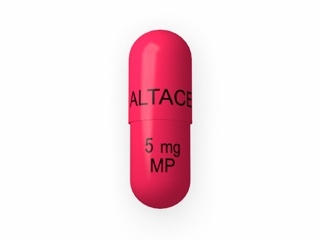
Always check that the strength you receive matches your intended dose and that the appearance of tablets is consistent with your previous supply. If anything seems different, contact the pharmacy before taking the medicine.
Alternative options (if Altace isn’t suitable)
Depending on why you’re taking ramipril and how you tolerate it, alternatives may include other medicines that affect the same pathways. Your clinician can advise what is appropriate for you.
Possible alternatives include
- ARBs (angiotensin receptor blockers) (often considered if ACE inhibitors cause an intolerable cough)
- Other antihypertensives such as calcium channel blockers or thiazide-like diuretics (for blood pressure control)
- For specific heart failure regimens, additional heart-failure medicines may be used in combination, depending on your clinical profile
Do not switch medicines without clinician guidance. Stopping ACE inhibitors suddenly may be unsafe in some conditions; your prescriber can plan any changes safely.
Practical use tips (to improve safety and comfort)
- Stand up slowly: Especially when first starting, rising from bed or a chair may cause dizziness.
- Keep a simple log: Track blood pressure readings, symptoms, and any side effects after starting.
- Plan for blood tests: Arrange labs around dose changes so results guide safe adjustments.
- Avoid “double dosing”: If you miss a tablet, don’t take two the next day.
- Check salt substitutes: Many contain potassium and can increase hyperkalaemia risk.
- Be cautious with NSAIDs: If you need pain relief regularly, discuss options with your pharmacist or clinician.
FAQ about Altace (Ramipril)
1) How long does it take for Altace to work?
Blood pressure may start to lower within the first days, but noticeable improvement can take one to a few weeks. For heart failure and long-term cardiovascular risk reduction, benefit may build over several weeks to months.
2) What should I do if I feel dizzy?
Sit or lie down until you feel better. This is more likely when starting or after dose increases. Contact your healthcare professional if dizziness is persistent, severe, or you faint.
3) Will Altace cause a cough?
A dry, persistent cough can occur with ACE inhibitors. If the cough is troublesome, speak to your healthcare professional—sometimes a change in treatment is considered.
4) Can I take Altace with food?
Yes. Altace can generally be taken with or without food. If it upsets your stomach, taking it with a meal may improve tolerability.
5) Can I drink alcohol while taking Altace?
Alcohol may increase dizziness or low blood pressure. If you drink, keep it moderate and avoid binge drinking. If you feel light-headed, reduce alcohol or speak to your clinician.
6) Are there medicines I should avoid?
Interactions depend on what you take. Be cautious with potassium supplements, salt substitutes, certain diuretics, NSAIDs (like ibuprofen), lithium, and some blood pressure medicines. Always check with a pharmacist if you are unsure.
7) Can Altace be taken if I have kidney problems?
It can sometimes be used, but dose and monitoring may need adjustment. Your clinician will assess kidney function and potassium levels and may request blood tests soon after starting.
8) What if I vomit or have diarrhoea?
Dehydration can make ACE inhibitors harder for the kidneys to tolerate. Many patients are advised to follow “sick day” guidance. If you’re unwell, contact your healthcare professional for personalized instructions.
9) What happens if I miss a dose?
Take it when you remember unless it’s almost time for your next dose. Do not take two doses at once. If you frequently miss doses, discuss strategies to stay consistent.
10) What should I do if I notice swelling (face/lips/tongue)?
Swelling can be a sign of angioedema, which can be dangerous. Seek urgent medical help immediately (call emergency services), and do not take further doses until you have urgent advice.
Legal and market context in the United Kingdom
In the UK, medicines such as Altace are supplied in line with UK medicines legislation and pharmacy regulations. Online pharmacy services must follow applicable legal requirements, including safe supply processes and verification steps where needed. Availability can vary by brand, strength, and supply chain conditions.
If you have questions about supply or the exact product you’ll receive (for example brand vs. generic), contact the pharmacy prior to ordering.
Summary
Altace (ramipril) is an ACE inhibitor used in the UK for conditions such as high blood pressure, heart failure, after heart attack in selected patients, and in some people to reduce the risk of cardiovascular events. It works by relaxing blood vessels and reducing harmful cardiovascular strain.
- It is usually taken once daily, with dosing tailored to your condition and blood test results.
- Food generally does not prevent its action; you can take it with or without meals.
- Monitoring of kidney function and potassium is important, especially after starting or increasing the dose.
- Be cautious with alcohol and medicines that can affect kidneys or potassium (including NSAIDs and potassium supplements).
- Seek urgent help for symptoms of angioedema or severe side effects.
If you’d like, tell us which Altace strength you are considering and what you’re using it for (e.g., blood pressure or heart failure), and we can tailor the practical guidance section to match common patient concerns.