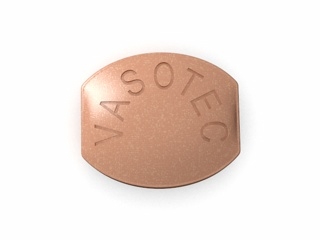


Vasotec (Enalapril) — Patient Information (UK)
Vasotec is a medicine that contains enalapril, an ACE inhibitor used to treat certain cardiovascular conditions. This guide is written to help you understand what Vasotec does, how it works in the body, and how to use it safely. If you have any questions about your own treatment, talk to your healthcare professional.
1) Basic product information
| Category | Details |
|---|---|
| Medicine | Vasotec |
| Active ingredient | Enalapril |
| Drug class | ACE inhibitor (Angiotensin-Converting Enzyme inhibitor) |
| Common forms | Tablets (strengths vary by product) |
| Typical use | High blood pressure (hypertension); heart failure; sometimes certain heart conditions |
2) What Vasotec does (mechanism of action)
Enalapril works by blocking an enzyme called ACE (angiotensin-converting enzyme). In the body, ACE helps produce angiotensin II, a substance that narrows (tightens) blood vessels and can increase blood pressure. By reducing angiotensin II:
- Blood vessels relax, helping lower blood pressure.
- The heart may work more efficiently, which can be beneficial in heart failure.
- Aldosterone levels can decrease, which may reduce sodium and water retention.
Many people feel no immediate change after taking a first dose, but the benefits develop as treatment continues.
3) Pharmacokinetics (how enalapril behaves in the body)
Pharmacokinetics describes how the medicine is absorbed, distributed, metabolised, and removed from the body. Key points include:
- Absorption: Enalapril is absorbed from the gut after oral dosing.
- Conversion (pro-drug effect): Enalapril is converted in the body to its active form, enalaprilat.
- Distribution: The active form distributes throughout the bloodstream and tissues where the ACE pathway is relevant.
- Elimination: The medicine (including active metabolites) is largely cleared through the kidneys. This is why dose adjustments may be required in kidney disease.
- Onset: Blood-pressure lowering can begin within hours of a dose, while long-term effects build over days to weeks.
4) Typical uses in the UK
Enalapril may be used for:
- Hypertension (high blood pressure): to reduce blood pressure and lower the risk of cardiovascular complications.
- Heart failure: to help reduce symptoms and improve outcomes in selected patients.
- Other cardiac indications: in some cases it may be used as part of management for specific heart conditions as advised by a clinician.
5) When to take Vasotec (timing and adherence)
Follow your healthcare professional’s instructions. In general, enalapril is taken once or twice daily, depending on the condition and dose plan.
Practical timing tips
- Try to take it at the same times each day to maintain stable medicine levels.
- If you take it twice daily, spacing doses approximately 12 hours apart can help.
- If you miss a dose, take it when you remember unless it is close to the next dose. Do not take a double dose. If you are unsure, ask a pharmacist for advice.
- Keep taking the medicine even if you feel well—many cardiovascular benefits continue only while you take it.
6) Food interactions
Enalapril can generally be taken with or without food. However, your body may absorb medications differently depending on individual circumstances. For consistency:
- Consider taking Vasotec the same way each day (either always with meals or always without).
- If you experience stomach upset, taking it with a light meal may help.
7) Alcohol and medicine interactions
Alcohol
Alcohol can increase the chance of low blood pressure or dizziness, especially when you first start enalapril or after dose increases. If you drink alcohol, keep amounts moderate and avoid driving or operating machinery if you feel light-headed.
Important medicine interactions
Several medicines can affect blood pressure, kidney function, or potassium levels. Tell your healthcare professional (or pharmacist) about all medicines you use, including over-the-counter products and herbal remedies.
Medicines that may interact significantly
- Potassium supplements and salt substitutes containing potassium (risk of high potassium).
- Other blood pressure medicines, especially:
- Diuretics (“water tablets”), which may affect kidney function and potassium.
- Angiotensin receptor blockers (ARBs) or aliskiren (combination use can increase risks in some patients).
- Other ACE inhibitors are not usually combined.
- NSAIDs (e.g., ibuprofen, naproxen, diclofenac, sometimes high-dose aspirin): may reduce kidney protection and increase risk of kidney problems, especially in older adults or those with dehydration.
- Lithium: enalapril may raise lithium levels, increasing toxicity risk.
- Immunosuppressants or medicines affecting blood counts: may influence risk of blood-related side effects.
- Medicines that affect potassium, including some medicines used for certain heart rhythm conditions or infections.
If you need new pain relief or anti-inflammatory medicine, ask a pharmacist what is safest for you to take alongside Vasotec.
8) Indications (why it is prescribed)
Vasotec is indicated for conditions where lowering blood pressure and/or reducing strain on the heart can improve outcomes. Common indications include:
- Essential hypertension: ongoing high blood pressure without an identifiable single cause.
- Heart failure: to improve symptoms and reduce risk of worsening in appropriate patients.
- Selected cardiac conditions: clinicians may use enalapril based on clinical evaluation and guideline recommendations.
Your clinician may also consider your kidney function, electrolyte levels (especially potassium), blood pressure readings, and other medicines before selecting a dose.
9) Dosing (typical dosing approach in adults)
Dosing varies widely depending on the condition being treated, blood pressure response, kidney function, and concomitant medicines. Only a healthcare professional can confirm the correct dose for you. Below is a general overview used for patient understanding.
How dosing is usually started and adjusted
- Start low: many patients start at a lower dose to reduce the chance of dizziness or blood pressure drop.
- Titrate upwards: the dose may be increased gradually based on blood pressure readings, symptoms, and blood tests (kidney function and potassium).
- Special caution in kidney impairment: dose may need adjustment because the medicine is removed via kidneys.
Typical adult dosing patterns (for guidance)
Doses commonly fall into once-daily or twice-daily regimens. Your prescribed regimen may differ from the general patterns below. Always follow the exact instructions on your medicine label.
- Hypertension: often started at a low dose once or twice daily, then adjusted.
- Heart failure: often started at very low doses and increased slowly with close monitoring.
- Kidney impairment: lower starting doses and/or longer intervals may be used.
If you have kidney disease or are elderly, you may require more frequent blood tests when starting or changing the dose.
10) Safety profile (what to watch for)
Like all medicines, enalapril can cause side effects. Many are mild and manageable, but some can be serious. The most important safety topics for ACE inhibitors are listed below.
Common side effects
- Dizziness or light-headedness (especially when standing up)
- Dry cough (often persistent)
- Headache
- Fatigue
- Nausea or stomach discomfort
Less common but important risks
- Low blood pressure (hypotension), particularly during treatment initiation, dehydration, or with other blood pressure medicines.
- High potassium (hyperkalaemia), which may cause weakness or heart rhythm problems in severe cases.
- Kidney function changes, especially in people with existing kidney disease, dehydration, or certain medication combinations.
- Angioedema (swelling of face, lips, tongue, throat). This can be life-threatening and requires urgent medical attention.
- Allergic reactions such as rash or itching.
Seek urgent medical help if
- You develop swelling of the face, lips, tongue, or throat, or have difficulty breathing/swallowing (possible angioedema).
- You feel faint, have severe dizziness, or pass out.
- You experience palpitations or severe muscle weakness (possible severe electrolyte disturbance).
- You develop signs of serious infection or unexplained bruising/bleeding (rare, but important).
Blood tests and monitoring
Your clinician may monitor:
- Kidney function (creatinine/eGFR)
- Potassium
- Blood pressure and sometimes urine or other parameters
Monitoring is commonly more frequent when starting treatment, after dose changes, or during illness that affects hydration.
11) Practical use tips (getting the best from your treatment)
- Stand up slowly if you feel dizzy. A brief pause seated can help your body adjust.
- Hydration matters: dehydration (vomiting/diarrhoea, heavy sweating, or poor fluid intake) can increase the risk of kidney problems and low blood pressure. If you become unwell, seek advice on whether to temporarily hold ACE inhibitor therapy.
- Be careful with “new” supplements, especially potassium-containing products.
- Check for cough: a dry, persistent cough can occur with ACE inhibitors. Report it to your pharmacist or clinician.
- Medication diary: consider noting doses and blood pressure readings to support your review appointments.
- Do not stop suddenly without advice, even if you feel well, unless you have a serious side effect requiring urgent action.
12) Alternative options (other medicines you may hear about)
Depending on your diagnosis and suitability, clinicians may consider other classes of blood pressure or heart medicines. Alternatives may include:
- ARBs (Angiotensin II Receptor Blockers) (for some patients who cannot tolerate ACE inhibitors, such as due to cough).
- Beta blockers (commonly used in heart failure and certain cardiovascular conditions).
- Diuretics (to reduce fluid overload in heart failure and manage blood pressure).
- Calcium-channel blockers (for blood pressure control).
- Other heart-failure therapies that may be used based on symptoms, ejection fraction, and guideline-based care.
The best option depends on your individual health, test results, and other medicines. Do not switch without professional guidance.
13) UK market and legal context (what to expect when buying)
In the United Kingdom, enalapril-containing medicines are regulated by the Medicines and Healthcare products Regulatory Agency (MHRA) and marketed under product licences for specific indications, formulations, and strengths.
Availability in an online pharmacy typically depends on:
- the medicine’s legal status and supply requirements in the UK
- age and suitability checks
- providing relevant health information requested during an online consultation or ordering workflow
To comply with UK requirements, online pharmacies should provide clear product information, storage instructions, and safe-use guidance.
14) Recent guidance and monitoring themes (UK context)
ACE inhibitors such as enalapril remain widely used. Over recent years, UK clinical practice has emphasised:
- Routine monitoring of kidney function and electrolytes (particularly potassium) after starting or changing dose.
- Medicines safety during illness: dehydration (e.g., from vomiting or diarrhoea) can increase risk; clinicians may advise temporary adjustments (“sick day rules”) in some situations.
- Careful review of interacting medicines (e.g., NSAIDs, potassium supplements, lithium).
- Pregnancy prevention and urgent review if pregnancy is possible, because ACE inhibitors can harm the developing baby.
Guidance may vary by patient group and local protocols—always follow advice given to you by your clinician.
15) Delivery and availability (online pharmacy)
Availability and delivery times can vary by supplier and stock levels. Typical expectations include:
- Packaging: medicines are usually supplied in protective packaging to help prevent damage in transit.
- Delivery: many online pharmacies offer next-day or scheduled deliveries; confirm at checkout.
- Availability: if a specific strength is not immediately available, the pharmacy may contact you or offer alternatives.
- Storage: store tablets as directed on the packaging, typically at room temperature away from moisture and heat. Keep out of reach of children.
If you have urgent needs (for example, you have run out unexpectedly), contact the pharmacy for advice on fastest options.
16) FAQ
Can I take Vasotec with food?
Generally, yes. Enalapril can be taken with or without food. Taking it the same way each day can help you stay consistent.
How quickly will Vasotec work?
Blood-pressure effects may begin within hours, but noticeable benefits and safe stabilisation often take days to weeks. In heart failure, improvements may develop over time with monitoring.
What should I do if I miss a dose?
Take it when you remember unless it is near the time for your next dose. Do not take a double dose. If you are unsure, ask a pharmacist for guidance.
Does Vasotec cause a cough?
A dry, persistent cough is a well-known possible side effect of ACE inhibitors. If you develop a troubling cough, tell your clinician—an alternative treatment may be considered.
Is it safe to drink alcohol?
Alcohol may increase the risk of dizziness or low blood pressure. If you drink, keep it moderate and avoid driving if you feel light-headed, particularly after starting or increasing your dose.
Can I take ibuprofen or other painkillers?
NSAIDs such as ibuprofen may affect kidney function and reduce some of the protective effects of ACE inhibitors. It’s best to ask a pharmacist what is suitable for you, especially if you use Vasotec long-term or have kidney issues.
Do I need blood tests while taking enalapril?
Often, yes. Monitoring kidney function and potassium is important, particularly after starting treatment, after dose changes, or if you become unwell.
What happens if I become dehydrated?
Dehydration can increase the risk of low blood pressure and kidney problems. If you have vomiting or diarrhoea, contact your healthcare professional for advice. Some patients receive “sick day rules” for ACE inhibitors—follow your clinician’s instructions.
Who should not take Vasotec?
ACE inhibitors like enalapril may not be suitable for everyone. Extra caution is required if you have a history of angioedema, significant kidney impairment, certain electrolyte disturbances, or if pregnancy is possible. Discuss your medical history and current medicines with a healthcare professional.
Are there alternatives if I can’t tolerate the medicine?
Yes. Some patients may be switched to an ARB or to other heart- and blood pressure–related therapies depending on their condition and side effects. Only switch under professional guidance.
17) Summary
Vasotec (enalapril) is an ACE inhibitor used in the UK for conditions such as hypertension and heart failure. It works by relaxing blood vessels and reducing strain on the heart. Because it can affect kidney function and potassium levels, monitoring and safe-use practices are important. If you experience serious side effects such as swelling of the face or difficulty breathing, seek urgent medical assistance immediately.