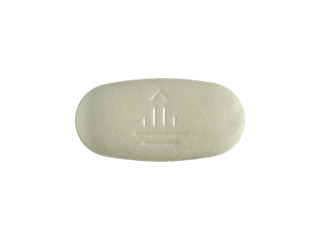


Micardis (Telmisartan) — Patient-Friendly Guide (UK)
Micardis is a brand of telmisartan, a medicine used to treat high blood pressure and to reduce the risk of certain heart and blood vessel problems in some adults. This guide explains what Micardis is, how it works, how to take it safely, what to expect, and what to discuss with your clinician or pharmacist.
This information is designed for patients in the United Kingdom and aims to be easy to read. It does not replace advice from healthcare professionals.
Basic product information
| Item | Details |
|---|---|
| Medicine | Micardis |
| Active ingredient | Telmisartan |
| Medicine type | Angiotensin II receptor blocker (ARB) |
| Common strengths | Typically available as 20 mg, 40 mg, 80 mg tablets (availability may vary) |
| Typical dosing schedule | Once daily (same time each day often helps) |
| Use | High blood pressure; may reduce cardiovascular risk in certain patients |
What Micardis does (mechanism of action)
Telmisartan belongs to the ARB group. It helps relax blood vessels by blocking the effects of angiotensin II, a substance in the body that narrows blood vessels and increases blood pressure.
By blocking the angiotensin II type 1 (AT1) receptor, Micardis can:
- Lower blood pressure by reducing vessel constriction
- Reduce stress on the heart over time
- Help protect the cardiovascular system in appropriate patients
Pharmacokinetics (how the body handles telmisartan)
Pharmacokinetics describes absorption, distribution, metabolism, and elimination. Understanding these can help set expectations for when benefits may appear and how consistent dosing should be.
- Absorption: Telmisartan is absorbed after swallowing. The medicine can be taken with or without food.
- Peak levels: Blood concentrations typically peak within a few hours (commonly around 1–2 hours).
- Half-life: It has a long terminal half-life, which supports once-daily dosing.
- Distribution: Telmisartan is highly protein-bound in plasma.
- Metabolism: It is metabolised mainly through conjugation (glucuronidation).
- Excretion: Mainly eliminated via bile/faeces; only a small amount is cleared by the kidneys.
Practical takeaway: because it is long-acting, many people notice steady blood pressure control when taken consistently each day.
Typical uses in the UK
Micardis is used to treat:
- Hypertension (high blood pressure): Helps reduce the risk of stroke, heart disease, and kidney complications over time.
- Cardiovascular risk reduction: In some adults who are at higher risk (for example, those with established vascular disease), telmisartan may be used to help lower the risk of cardiovascular events.
When and how to take Micardis (timing)
Micardis is generally taken . You can choose a time that fits your routine.
General timing tips
- Try to take it at the same time every day to maintain consistent effect.
- If you miss a dose: Take it as soon as you remember on the same day. If it is close to the next dose, skip the missed dose and continue as normal. Do not take a double dose.
- Even if you feel well, keep taking it—blood pressure often has no symptoms.
Food interactions and what to expect
Micardis can usually be taken with or without food. Food may slightly change absorption, but this is generally not clinically significant for day-to-day use in most patients.
Practical tip: If you prefer a consistent routine, take it in the same way each day (for example, always with breakfast or always on an empty stomach).
Alcohol and medicine interactions
Alcohol
Drinking alcohol may increase the risk of light-headedness or dizziness, particularly when you first start treatment or after a dose increase. Alcohol can also affect blood pressure control.
- If you choose to drink, consider keeping it moderate.
- Avoid dehydration (for example, excessive alcohol intake can worsen fluid balance).
Important medicine interactions
Interactions can affect blood pressure, kidney function, and potassium levels. Tell your clinician or pharmacist about all medicines and supplements you take, including over-the-counter products.
Common interaction areas include:
- Potassium supplements or salt substitutes containing potassium: Telmisartan can raise potassium levels.
- “Water tablets” (diuretics): Some may increase the risk of low blood pressure or affect kidney function depending on the combination.
- Non-steroidal anti-inflammatory drugs (NSAIDs): Regular or high-dose NSAID use (e.g., ibuprofen, naproxen) with ARBs may increase the risk of kidney problems, especially in older adults or those who are dehydrated.
- Medicines that also increase potassium: Examples can include certain diuretics (such as spironolactone or eplerenone) and some other agents depending on your health profile.
- Other blood pressure medicines: Combining medicines can further lower blood pressure; your prescriber may adjust doses accordingly.
If you are starting a new medicine (including herbal remedies), check with a pharmacist—some combinations may require monitoring.
Indications (who it is for)
Micardis is indicated for:
- Treatment of hypertension in adults.
- Reduction of cardiovascular morbidity/mortality in selected adults at higher risk, depending on clinical judgement and local prescribing practice.
Eligibility depends on your medical history (for example, blood pressure readings, kidney function, diabetes status, and cardiovascular risk).
Dosing: what is typical and what to expect
Doses vary depending on the condition being treated and your individual response. Your clinician will decide the best dose for you.
Common dosing patterns
- High blood pressure: Often started at a lower dose, then adjusted based on blood pressure response.
- Cardiovascular risk reduction: Often uses a higher dose strategy in suitable patients.
Micardis tablets are available in different strengths; typical daily doses in adults may include 20 mg, 40 mg, or 80 mg once daily, depending on the indication and individual factors.
Dose adjustments and monitoring
- Kidney or liver function: Dose adjustments may be needed based on blood tests and overall health.
- Blood pressure response: If your readings are not at target, your prescriber may adjust the dose or add another blood pressure medicine.
- Electrolytes: Blood tests may be performed to monitor potassium and creatinine (kidney function), especially after starting or changing dose.
Safety profile and side effects
Like all medicines, Micardis can cause side effects. Many people experience none, while others may have mild effects that settle as the body adjusts. Serious side effects are uncommon but important to recognise.
Common side effects (may occur)
- Dizziness or feeling light-headed (especially after starting)
- Low blood pressure symptoms such as faintness
- Headache
- Fatigue or weakness
- High potassium may be detected on blood tests (often without symptoms)
Less common but important effects
- Kidney function changes: sometimes seen as raised creatinine on blood tests.
- Allergic reactions: rare, but symptoms like swelling of the face/lips or rash should be treated urgently.
Seek urgent medical help if you experience
- Swelling of the face, lips, tongue, or throat; difficulty breathing
- Severe dizziness or fainting
- Chest pain or symptoms of a serious cardiovascular event
- Signs of high potassium (for example, unusual muscle weakness or abnormal heartbeats)—often needs immediate assessment
Who needs extra caution
- Pregnancy: ARBs are not recommended during pregnancy. If pregnancy is possible, discuss contraception and planning with your clinician promptly.
- Breastfeeding: suitability depends on your circumstances; seek advice.
- Kidney disease or narrowing of kidney blood supply
- Dehydration or conditions causing fluid loss
- Very low blood pressure or risk of falls due to dizziness
Practical use tips (to get the best results)
- Check your blood pressure regularly: Home blood pressure monitoring can help you and your clinician assess whether the dose is working.
- Stand up slowly: If you feel light-headed, rise slowly from sitting or lying positions.
- Stay hydrated: Dehydration increases the chance of kidney-related side effects. Follow medical advice, particularly if you have vomiting or diarrhoea.
- Don’t “double up” after a missed dose: Resume your usual schedule unless you have been advised otherwise.
- Keep an eye on blood tests: Potassium and kidney function tests may be repeated after starting or changing dose.
- Be careful with salt substitutes: Many contain potassium—ask your pharmacist if they’re safe for you.
What to do during illness (vomiting/diarrhoea)
If you develop a significant illness with dehydration risk (for example, vomiting, diarrhoea, or heavy sweating), the balance of fluid and electrolytes can change. In these situations, ARBs may need temporary review to reduce the risk of kidney problems.
Ask your clinician or pharmacist about your personal “sick day” plan. Many UK services refer to this approach as “safety netting” during dehydration.
Alternative options to Micardis (telmisartan)
Depending on your diagnosis and response, alternative medicines may be considered. These may include:
Other ARBs
- Losartan
- Valsartan
- Candesartan
- Olmesartan
ACE inhibitors (not ARBs, different class)
- Enalapril
- Lisinopril
- Ramipril
Other blood pressure medicine classes
- Calcium channel blockers (e.g., amlodipine)
- Thiazide-like diuretics (e.g., indapamide)
- Beta-blockers (selected patients)
Your prescriber selects alternatives based on kidney function, potassium levels, other medical conditions (such as diabetes or heart failure), age, and tolerability.
UK market and legal/regulatory context (patient overview)
In the United Kingdom, medicines are regulated and quality-assured through established processes. Telmisartan products such as Micardis are used widely in primary care and cardiology settings.
Key points for patients:
- Medicines are supplied through licensed channels in accordance with UK pharmacy and medicines regulations.
- Generic medicines may be available: Telmisartan is also available as generics in many forms, which can offer similar active ingredients.
- Information and safety updates can occur over time, based on regulator communications and clinical guidance.
If you are comparing products, ensure you check the active ingredient (telmisartan) and the strength (mg) before switching.
Recent guidance and clinical considerations (UK)
Clinical practice for blood pressure management in the UK commonly follows national and professional guidance focusing on:
- Achieving target blood pressure while considering individual risk and tolerance
- Monitoring kidney function and potassium when using ARBs or related medicines
- Reviewing medicines that may increase kidney risk, especially NSAIDs, and managing dehydration risk during illness
- Using combination therapy when needed: many people require more than one medicine to reach target levels
Your prescriber may follow evidence-based approaches from UK healthcare bodies and local formularies. If you have questions about your personal plan, ask your pharmacist—small adjustments can make a big difference.
Delivery and availability in the UK
Availability can vary by strength and brand. In the UK, telmisartan tablets are generally obtainable through pharmacy supply chains, and generic versions may also be available.
Delivery options often depend on the online pharmacy service, stock status, and local regulations. Common practical points include:
- Dispatch times: may vary depending on stock for each strength.
- Packaging: medicines are typically dispatched in tamper-evident packaging.
- Order tracking: some services provide updates during delivery.
- Cold-chain: not usually required for tablets like Micardis.
If you need a specific strength (for example, 40 mg or 80 mg), consider checking availability before ordering.
Storage information
- Store tablets according to the label instructions.
- Keep out of sight and reach of children.
- Store in a dry place at room temperature (avoid damp areas like bathrooms unless the pack states otherwise).
- Do not use after the expiry date on the pack.
FAQ: Micardis (telmisartan) in plain language
1) How quickly does Micardis lower blood pressure?
Many people notice blood pressure begins to improve within the first days. Full benefit may take several weeks as your body adjusts and as your dose is optimised. If you monitor at home, you may see gradual changes rather than an immediate overnight shift.
2) Can I take Micardis at any time of day?
Yes—Micardis is typically taken once daily and can usually be taken morning or evening. Choose a time that helps you remember and use consistently. If you feel dizzy after taking it, consider switching the time after speaking with your pharmacist or clinician.
3) Should I avoid Micardis if I have kidney problems?
Not necessarily. Some kidney conditions are treated with ARBs, but kidney function and potassium must be monitored closely. Your prescriber may also adjust the dose and check blood tests after starting or changing treatment.
4) What if my blood pressure becomes too low?
If you have symptoms such as faintness, severe dizziness, or feeling unusually weak, seek medical advice promptly. Your dose may need adjustment, especially if you are also taking diuretics or have dehydration.
5) Are there foods I must avoid?
There are no specific foods that must be avoided in most cases. Micardis can generally be taken with or without food. However, be cautious with salt substitutes that contain potassium, and discuss dietary changes with your pharmacist if you have been told you have high potassium.
6) Can I drink alcohol while taking Micardis?
Moderate alcohol is often possible, but alcohol may increase dizziness or light-headedness. Avoid excessive drinking and ensure you remain hydrated.
7) What medicines should I tell my pharmacist about?
Tell them about:
- NSAIDs (like ibuprofen, naproxen) used regularly
- Potassium supplements and salt substitutes
- Other blood pressure medicines
- Diuretics (“water tablets”)
- Any herbal products or supplements
8) Is Micardis suitable during pregnancy?
ARBs are generally not recommended in pregnancy. If you may become pregnant or are trying for a baby, discuss options with your clinician as early as possible.
9) What should I do if I miss a dose?
Take it when you remember if it is still on the same day. If it is close to your next scheduled dose, skip the missed dose and continue as normal. Do not take two doses at once.
10) Are generics of telmisartan the same as Micardis?
Generics contain the same active ingredient (telmisartan) and are designed to work similarly. You should still check the strength (mg) matches what you need. If you switch brands, consider monitoring your blood pressure and discussing any concerns with your pharmacist.
Summary
Micardis (telmisartan) is an ARB medicine used to treat high blood pressure and, in selected patients, to reduce cardiovascular risk. It works by relaxing blood vessels through blocking angiotensin II effects. The medicine is typically taken once daily and can be taken with or without food. As with other ARBs, monitoring of kidney function and potassium may be recommended, especially after starting or changing dose.
If you are unsure about timing, side effects, interactions, or what to do during illness, speak to your pharmacist or clinician for personalised advice.