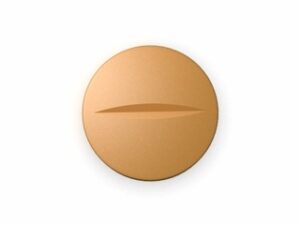
Amiloride (UK) – Patient Information Guide
Amiloride is a medicine most commonly used as a diuretic (“water tablet”) to help your body remove excess fluid. It is particularly known for helping to reduce fluid retention while also helping protect potassium levels—a key reason it is often used when clinicians want to minimise the risk of low potassium (hypokalaemia).
This guide explains how amiloride works, when it’s used, how to take it, what to watch for, and practical tips to help you use it safely. It’s written for people in the United Kingdom and includes important information about interactions and safety.
Quick facts
- Common name: Amiloride
- How it works: Blocks sodium reabsorption in the kidney and reduces potassium loss
- Typical form: Tablets (strengths vary by brand)
- Who may be prescribed it: People with fluid retention, sometimes with other diuretics or in certain kidney-related conditions
- Key safety focus: Risk of high potassium (hyperkalaemia) in susceptible people
Basic product information
Amiloride is a potassium-sparing diuretic. Depending on your individual situation, it may be used alone or together with other “water tablets” such as loop diuretics (e.g., furosemide) or thiazides (e.g., bendroflumethiazide). Combining diuretics is common because it can balance fluid reduction with electrolyte safety.
In the UK: Amiloride is available through routine healthcare channels, and stock and brand names can vary. Your pharmacist or prescriber can tell you the exact strength you have been given.
Mechanism of action (how amiloride works)
Amiloride acts in the kidney, mainly at the distal tubule (a part involved in adjusting salt and water balance). It:
- Blocks epithelial sodium channels (ENaC) in the kidney
- Reduces the reabsorption of sodium (salt) into the bloodstream
- Decreases water reabsorption indirectly, promoting urine production
- Helps prevent potassium loss by limiting potassium secretion (so it is “potassium-sparing”)
Why this matters: Many other diuretics increase potassium loss. If potassium drops too low, it can affect muscle function and heart rhythm. Amiloride is used to help reduce that risk.
Pharmacokinetics (absorption, distribution, metabolism, elimination)
“Pharmacokinetics” describes what the body does to the medicine.
| Process | What typically happens |
|---|---|
| Absorption | Amiloride is absorbed after oral administration. The effect can vary slightly between individuals. |
| Onset of action | Diuretic effects usually begin within a few hours. Your clinician will advise how quickly to expect benefit. |
| Peak effect | Peak blood levels typically occur within several hours after a dose. |
| Distribution | Amiloride distributes into body tissues and works primarily in the kidneys. |
| Metabolism | Amiloride is not extensively broken down in the body; it is largely excreted unchanged. |
| Elimination | Primarily excreted via the kidneys. Kidney function strongly influences how quickly it clears from the body. |
Kidney function is especially important: If your kidneys don’t work well, amiloride can accumulate, increasing the risk of potassium-related side effects. Regular blood tests are often required.
Typical use and indications
Amiloride is used for conditions where reducing fluid retention and maintaining safe potassium levels are important. Common indications include:
- Oedema (fluid retention), where a potassium-sparing approach is needed
- Hypertension in some treatment plans, particularly where diuretics are used to support blood pressure control
- To prevent or treat low potassium caused by other diuretics (especially when used with thiazides or loop diuretics)
- Conditions involving aldosterone activity, depending on your clinician’s diagnosis and the overall regimen
Important note: The exact reason you are taking amiloride depends on your medical history and test results (such as kidney function and electrolyte levels).
How to take amiloride: dosing and timing
Always follow the instructions provided with your medicine. Doses can vary based on age, kidney function, the reason for treatment, and whether other medicines are used alongside amiloride.
Typical dosing principles (general information)
- For many people, doses are once daily or split into two doses, depending on the strength and clinical plan.
- Your clinician may adjust the dose after blood tests, especially to avoid high potassium.
- Some people may start at a lower dose and increase gradually.
Timing
Because amiloride works as a diuretic, it can increase urination. Many people find it helpful to take it earlier in the day to reduce disruption at night. Your prescriber may advise timing based on your symptoms and sleep pattern.
- Morning dosing is often preferred.
- If you are prescribed twice daily, evening doses should be taken early enough to avoid night-time bathroom visits.
If you forget a dose
- If you remember soon after the missed dose, take it if it doesn’t bring you too close to the next dose.
- If it is near your next scheduled dose, skip the missed dose and continue as normal.
- Do not take a double dose to make up for a missed tablet.
Food interactions and dietary considerations
Amiloride may be affected by your overall salt and potassium intake. While it is not usually “food-dependent” in the way some medicines are, the following points are important:
- Salt substitutes: Many salt substitutes contain potassium. Using them alongside amiloride can raise potassium levels and increase risk. Avoid potassium-containing substitutes unless your clinician specifically approves them.
- Low-salt diets: If you follow a low-salt diet, your doctor should still check electrolytes regularly because dietary patterns may interact with diuretic effects.
- General eating: Taking amiloride with or without food may be acceptable depending on your brand and instructions. If you notice stomach upset, taking it with food may help (confirm with your pharmacist).
Hydration tip: Drink normally unless you have been told to restrict fluids. During hot weather or illness with vomiting/diarrhoea, dehydration can change how your kidneys handle electrolytes.
Alcohol interactions
There is no single “universal” rule that amiloride must be avoided with alcohol, but alcohol can still be relevant:
- Dehydration risk: Alcohol can contribute to dehydration, which may affect kidney function and electrolyte balance.
- Blood pressure effects: If alcohol lowers your blood pressure, you may feel dizzy or light-headed, especially when combined with diuretics.
Practical advice: If you drink alcohol, do so moderately and pay attention to symptoms such as dizziness, weakness, or palpitations. If you feel unwell, stop drinking and seek medical advice.
Medicine interactions (including important safety combinations)
Some medicines can change the risk of electrolyte imbalance or affect kidney function. Tell your pharmacist or healthcare professional about all medicines you use, including over-the-counter products and herbal remedies.
Common interaction categories
-
Other potassium-increasing medicines
Examples may include some medicines used for blood pressure or heart conditions, such as:- ACE inhibitors (e.g., enalapril, lisinopril)
- Angiotensin II receptor blockers (ARBs) (e.g., losartan, candesartan)
- Direct renin inhibitors (less commonly)
-
Potassium supplements
Using supplements alongside amiloride can increase potassium levels substantially. -
Non-steroidal anti-inflammatory drugs (NSAIDs)
Examples include ibuprofen, naproxen, diclofenac and similar products. NSAIDs can affect kidney function and reduce the diuretic effect, and in combination with kidney-related medicines may increase risk of electrolyte disturbances. -
Other diuretics
Amiloride is often paired with thiazides or loop diuretics specifically to balance potassium effects. However, monitoring remains important. -
Medicines affecting heart rhythm
Low potassium or high potassium can influence heart rhythm. If you take medicines that affect the heart (for example, some anti-arrhythmics), clinicians will be especially careful about monitoring potassium and magnesium. -
Trimethoprim (an antibiotic) and related medicines
Trimethoprim can also raise potassium, and the combination with amiloride may increase risk.
Herbal and “natural” products
Not all herbal remedies are well studied. Some may have effects on blood pressure, kidney function, or electrolytes. It’s safest to disclose any supplements or herbal products to your pharmacist.
Safety profile: side effects and who needs extra caution
Most people tolerate amiloride well when it’s used as directed. However, it can affect electrolytes and kidney function, so monitoring is essential—especially for people with kidney problems or those taking interacting medicines.
Common or notable side effects
- Dizziness or light-headedness (particularly when starting or after dose changes)
- Frequent urination (usually temporary as your body adjusts)
- Gastrointestinal upset (e.g., nausea or stomach discomfort in some people)
- Headache or tiredness (less common)
Serious side effects: seek urgent help
Amiloride can cause high potassium, which may be dangerous. Seek urgent medical advice if you experience symptoms that could suggest potassium imbalance, such as:
- Muscle weakness or heaviness
- Unusual fatigue
- Palpitations, irregular heartbeat, or chest discomfort
- Severe weakness or difficulty moving
Also seek prompt medical advice if you have signs of kidney problems, such as reduced urine output, severe dehydration, or rapidly worsening swelling.
Who needs extra caution
- Kidney impairment or reduced kidney function
- Older adults (kidney function may decline with age)
- People taking ACE inhibitors/ARBs, potassium supplements, or medications that raise potassium
- People with conditions that predispose to electrolyte imbalance
- Those who have frequent vomiting or diarrhoea (risk of dehydration and altered electrolyte handling)
Practical use tips (helpful habits for safer treatment)
- Attend blood test monitoring (often urea/creatinine/eGFR and electrolytes, especially potassium). If your doctor asks for regular tests, don’t skip them.
- Know your “potassium” risks: Avoid potassium-rich salt substitutes unless approved by your clinician.
- Track symptoms early after starting or changing dose: dizziness, muscle weakness, or unusual tiredness should be reported.
- Stay consistent with your dosing schedule.
- Be careful during illness: If you have vomiting/diarrhoea or feel very dehydrated, contact your healthcare professional for advice—this can affect potassium levels.
- Medication check: Review your medicines (including NSAIDs and antibiotics) when you start new treatments.
Alternative options
Depending on why you’re taking amiloride, alternatives may include other diuretics or potassium-sparing approaches. Your healthcare professional will choose based on your condition, blood tests, and overall risk profile.
Diuretic alternatives (general examples)
- Thiazide-like diuretics (e.g., bendroflumethiazide depending on availability and indication)
- Loop diuretics (e.g., furosemide)
- Other potassium-sparing diuretics (e.g., spironolactone, eplerenone) for certain hormone-related fluid retention
Important: Alternatives are not automatically interchangeable. Each affects potassium and fluid balance differently. Only switch with clinical guidance.
Market and legal context in the UK
In the United Kingdom, medicines are regulated by the Medicines and Healthcare products Regulatory Agency (MHRA), with advice and guidance also supported by bodies such as National Institute for Health and Care Excellence (NICE) for condition-specific recommendations. Pharmacy supply also follows professional standards set out by the General Pharmaceutical Council (GPhC) and relevant NHS and pharmacy policies.
Product availability: The exact presentation (strengths, brands, and pack sizes) may vary. Availability can also be influenced by supply chain changes. If your usual brand is temporarily unavailable, your pharmacist may offer an alternative product with the same active ingredient and comparable strength (subject to availability and suitability).
Recent guidance and monitoring (what clinicians commonly emphasise)
Across UK clinical practice, diuretics—especially those that affect potassium—are commonly managed with emphasis on:
- Baseline kidney function and electrolytes before starting or increasing dose
- Regular follow-up blood tests after dose changes and periodically during maintenance
- Medication review to reduce interaction risk (especially NSAIDs, potassium supplements, and ACE inhibitor/ARB combinations)
- Individualised fluid and diet advice, including caution with salt substitutes
If you are taking amiloride with other medicines that affect potassium or kidney function, this monitoring is particularly important.
Delivery and availability (online pharmacy information)
Online pharmacies in the UK typically deliver medicines to eligible UK addresses using standard or courier delivery options. Availability depends on:
- Stock status at the pharmacy
- Whether the required strength and pack size are currently in supply
- Compatibility with your region and delivery service area
Delivery times: Delivery times vary by supplier and chosen service. Your order confirmation should include expected dispatch and delivery estimates.
Packaging: Medicines are usually supplied in secure, child-resistant packaging where applicable, with clear labelling and patient information.
Storage: Store as directed on the outer pack (commonly at room temperature, protected from excessive heat and moisture, and kept out of sight of children).
FAQ – Amiloride
1) What is amiloride used for?
Amiloride is used to treat conditions involving fluid retention (oedema) and may be used to support blood pressure control in certain cases. It can also be used to help prevent or correct low potassium caused by other diuretics.
2) How quickly will it start working?
Amiloride’s diuretic effect usually begins within a few hours. How quickly you notice changes in swelling or fluid retention can vary between people and depends on your overall treatment plan.
3) Will it lower my potassium?
Unlike many other diuretics, amiloride is potassium-sparing. The concern is often the opposite—potassium can become too high in some people, particularly those with kidney impairment or who take interacting medicines.
4) Can I take it with food?
In many cases, amiloride can be taken with or without food. If your tablets cause stomach upset, taking them with food may help. Follow the instructions supplied with your specific product and confirm with your pharmacist if unsure.
5) Should I avoid salt?
Do not make drastic changes to your diet without advice. However, avoid potassium-containing salt substitutes unless your clinician has specifically said it’s safe for you.
6) Can I drink alcohol?
Moderate alcohol may be acceptable for some people, but alcohol can contribute to dehydration and may worsen dizziness or low blood pressure symptoms. If you feel light-headed or unwell after drinking, avoid alcohol and seek advice.
7) What blood tests will I need?
Your clinician may monitor kidney function and electrolytes, especially potassium. The frequency depends on your risk factors and whether the dose is changed.
8) What should I do if I miss a dose?
Take it when you remember if it’s not close to the next dose. Otherwise, skip the missed dose and continue. Do not take a double dose.
9) Are NSAIDs safe with amiloride?
NSAIDs (such as ibuprofen) can affect kidney function and electrolytes. It doesn’t automatically mean you can’t use them, but you should discuss it with a pharmacist or clinician—especially if you have kidney disease or take other medicines that affect potassium.
10) What signs mean I should contact my doctor urgently?
Contact urgent medical care if you have symptoms suggestive of potassium imbalance (such as significant muscle weakness, palpitations, or severe fatigue), signs of kidney problems (such as reduced urine output), or any serious deterioration in your health.
Final reminder
Amiloride can be very helpful for managing fluid retention while protecting potassium balance, but it requires sensible monitoring due to the potential for high potassium—especially if you have kidney problems or take certain interacting medicines. If you have questions about your dose, timing, diet, or interactions, speak to your pharmacist or healthcare professional.