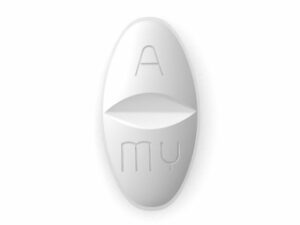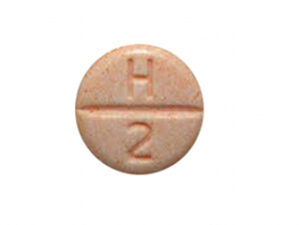



Inderal (Propranolol) – Patient Information (UK)
Inderal contains propranolol, a medicine from the beta‑blocker group. It is used to treat several conditions, including some heart and circulation problems and certain non-heart conditions such as migraines and tremor. This guide explains how Inderal works, how it’s usually taken, key safety information, and practical tips for day-to-day use in the United Kingdom.
Always follow the instructions given to you by your healthcare professional and the leaflet supplied with your medicine.
1) Basic product information
- Medicine: Inderal (propranolol)
- Type: Beta‑blocker
- How it may be supplied: Different formulations may exist (for example, immediate-release and long-acting preparations), depending on the product you’ve been prescribed.
- How it works: Reduces the effects of adrenaline on the heart and circulation.
- Common uses in the UK: Angina, certain heart rhythm problems, high blood pressure (in selected cases), migraine prevention, and performance anxiety/tremor in some situations (depending on individual assessment).
2) How Inderal works (mechanism of action)
Propranolol blocks beta‑adrenergic receptors (mainly beta‑1 receptors in the heart and beta‑2 receptors in the lungs and other tissues). By blocking these receptors, it:
- Slows the heart rate and reduces the strength of contraction.
- Reduces electrical “excitability” in parts of the heart, which can help with certain abnormal heart rhythms.
- Reduces blood pressure by decreasing cardiac output and affecting blood vessel tone over time.
- Can reduce symptoms of tremor and help with physical symptoms related to adrenaline.
- Helps prevent migraine attacks in some people, although the exact mechanism for migraine prevention is not fully understood.
Because it also affects beta‑2 receptors, propranolol can influence breathing in some people, particularly those with asthma or certain lung conditions.
3) Pharmacokinetics (how the body handles it)
Pharmacokinetics describes what the body does to a medicine—how it is absorbed, distributed, metabolised, and eliminated.
- Absorption: Propranolol is absorbed after you take it by mouth. Absorption can vary depending on formulation and individual factors.
- First-pass metabolism: Much of the drug is metabolised in the liver after absorption, which can reduce the amount that reaches the bloodstream.
- Distribution: Propranolol distributes throughout the body. It can cross into the brain in some people, which is one reason some individuals experience vivid dreams or fatigue.
- Metabolism: Primarily broken down by the liver, involving enzymes that can be affected by other medicines.
- Elimination: Metabolites are removed mostly via the kidneys.
- Time to effect: Some effects may start within hours, but the full benefit (such as for migraine prevention or long-term blood pressure control) may take longer.
Note: If you are taking a long-acting (modified release) product, the dosing schedule and “how long it lasts” may differ from immediate-release formulations.
4) Typical uses (indications)
Inderal/propranolol is used for multiple indications. The most common include:
- Heart and circulation conditions
- Angina pectoris (to help reduce chest pain)
- Some abnormal heart rhythms (as advised by a clinician)
- High blood pressure (selected cases, often alongside other treatments depending on your situation)
- Migraine prevention (helps reduce frequency and severity in suitable patients)
- Tremor (such as essential tremor, depending on the individual)
- Some symptoms related to adrenaline
- For example, physical symptoms in certain forms of performance anxiety may be managed with a beta‑blocker, but this depends on the person and the setting.
- Thyroid-related symptoms
- Propranolol may be used to reduce symptoms caused by increased thyroid hormone activity in some circumstances.
Important: Indications can vary by formulation and patient factors. Your clinician will determine whether propranolol is appropriate for you.
5) Timing & how to take Inderal
How you take Inderal depends on the specific formulation (immediate-release versus long-acting) and your prescribed schedule.
General timing guidance
- Try to take it at the same times each day to maintain stable blood levels.
- If your regimen is once daily, take it at a consistent time and follow the instructions for your product.
- If your regimen is two or three times daily, spread doses evenly across the day as directed.
Missed dose
- If you miss a dose, take it as soon as you remember unless it is close to the time of your next dose.
- Do not take a double dose to make up for a missed one.
- If you are unsure, ask a pharmacist or follow the leaflet for your specific product.
Stopping suddenly
Do not stop propranolol suddenly unless your healthcare professional instructs you to. Stopping abruptly can worsen angina, increase heart rate, and potentially trigger other problems. If discontinuation is needed, it is usually done gradually (“tapered”).
6) Food interactions (what to know about meals)
Food generally does not pose severe interaction risks for propranolol, but individual effects can occur.
- Consistency matters: Take your doses in a way that is consistent with the product guidance. For example, some people prefer taking it with food to improve tolerability.
- Absorption may vary: For immediate-release tablets, food can affect absorption patterns in some people.
- Grapefruit and certain juices: While grapefruit interactions are better known with some other beta‑blockers, it is still sensible to discuss significant dietary changes with your pharmacist, especially if you also take other liver-metabolised medicines.
Practical tip: If you feel “off” after a dose, note whether it was taken with or without food and mention this to your pharmacist or clinician.
7) Alcohol and medicine interactions
Alcohol
Alcohol may increase the risk of side effects such as dizziness and low blood pressure. It may also make you feel more fatigued. If you drink alcohol, consider:
- Start with small amounts to see how you react.
- Avoid binge drinking.
- Be careful if you are prone to fainting or low blood pressure.
Other medicine interactions
Propranolol can interact with other medicines, potentially changing propranolol levels or affecting heart rate and blood pressure.
Tell your pharmacist or clinician about all medicines you take, including:
- Medicines for heart rhythm (antiarrhythmics)
- Other blood pressure medicines
- Medicines that affect the liver enzymes that metabolise propranolol (some antidepressants, antimalarials, and others)
- Medicines for diabetes (beta‑blockers can affect recognition of low blood sugar symptoms)
- Medicines for asthma/COPD (beta‑blockers may worsen breathing in susceptible people)
- Some pain medicines and anti-inflammatory drugs (rarely may affect blood pressure control in certain people)
Important safety note: The combination of propranolol with other medicines that slow the heart (or lower blood pressure) may increase the risk of bradycardia (slow heart rate), dizziness, or fainting. Conversely, some medicines can raise propranolol levels, increasing side effects.
8) Dosing (typical approach)
Dosing is individual and depends on the condition being treated, your age, kidney and liver function, and how you respond. Your healthcare professional will adjust the dose to achieve benefit while limiting side effects.
How dosing is commonly determined
- Start low, increase gradually where appropriate—particularly when treating blood pressure or symptoms.
- For migraine prevention or tremor, dose changes are often done carefully over time.
- People with slower heart rates, low blood pressure, or certain heart conduction problems may require more cautious dosing.
General principles
- Take tablets exactly as directed.
- Do not alter the dose to “test” how you feel.
- If you experience troublesome side effects (such as marked tiredness, light-headedness, or breathing symptoms), contact a pharmacist promptly—your dose may need adjustment.
Formulation matters: Inderal may be available in different formulations. Ensure you are clear on whether you are using immediate-release or long-acting propranolol, as the dosing schedule may differ.
9) Safety profile & who should take extra care
Like all medicines, propranolol can cause side effects. Many people tolerate it well, but it is important to know what to watch for.
Common side effects
- Tiredness or reduced energy
- Dizziness or light-headedness
- Cold hands and feet
- Slow heartbeat (bradycardia) or palpitations with other symptoms
- Sleep disturbances (sometimes vivid dreams)
- Gastrointestinal upset (nausea, diarrhoea, or abdominal discomfort)
- Sexual dysfunction in some people
Serious but less common warnings
Seek urgent medical advice if you develop:
- Fainting, severe dizziness, or collapse
- Severe shortness of breath, wheezing, or asthma worsening
- Chest pain that is new or worsening
- Signs of an allergic reaction (swelling of face/lips, rash with breathing difficulty)
Conditions requiring extra caution
- Asthma or COPD: Beta‑blockers can worsen breathing for some people. A clinician may choose a more selective beta‑blocker if appropriate.
- Heart block or very slow heart rate: Propranolol may be unsuitable or require close monitoring.
- Low blood pressure or fainting tendency
- Diabetes: Beta‑blockers can mask warning signs of low blood sugar (such as fast heartbeat). It does not eliminate risk, so careful monitoring is needed.
- Peripheral circulation problems (Raynaud’s phenomenon may worsen)
- Thyroid disease: Beta‑blockers can mask symptoms of hyperthyroidism; do not stop abruptly if you have thyroid issues.
Pregnancy & breastfeeding (general information)
Propranolol may be used in pregnancy or breastfeeding when benefits outweigh risks, but it must be discussed with a clinician. If you are pregnant, trying to conceive, or breastfeeding, seek medical advice for a personalised plan.
10) Practical use tips
- Check your pulse if advised: Your clinician may ask you to monitor heart rate and blood pressure, especially during dose changes.
- Stand up slowly: If you feel dizzy, rise gradually from sitting or lying positions.
- Be consistent with your routine: Taking at the same time each day reduces fluctuations.
- Carry a medication list: Useful for you and for healthcare staff, especially if you have heart rhythm conditions.
- Don’t stop suddenly: If you need to discontinue, doses are usually reduced gradually.
- Watch for breathing changes: Report wheeze or increased breathlessness early.
When to contact a clinician or pharmacist
- Your dizziness becomes severe or you feel faint.
- You experience wheezing or asthma symptoms that are new or worsening.
- Your heart rate is consistently very low (if you’ve been given a threshold to monitor).
- You notice unusual bruising, rash, or signs of an allergic reaction.
11) Alternative options
Depending on your condition, clinicians may consider other treatments or different beta‑blockers. Alternatives may include:
- Other beta‑blockers (some are more selective for the heart, which may help in people with asthma risk)
- Calcium channel blockers for angina or certain blood pressure and rhythm problems
- Anti‑migraine preventive medicines (depending on your migraine type and risk profile)
- Other tremor therapies (including medicines or specialist interventions)
If propranolol doesn’t suit you due to side effects or other reasons, a pharmacist or clinician can discuss options based on your diagnosis and history.
12) UK market and legal context (overview)
In the UK, propranolol-containing medicines are regulated and supplied through community pharmacies and other authorised channels. Availability and prescribing/dispensing routes may vary depending on:
- The specific product and strength
- Local clinical protocols
- Whether the medicine is supplied as a brand product or generic product
- Supply chain availability and stock levels
Recent guidance and practice note: In UK clinical practice, beta‑blockers are commonly used for suitable cardiovascular indications and certain non-cardiac indications (such as migraine prevention) where appropriate. Clinicians follow up-to-date national guidance (including NHS pathways and professional recommendations) to balance benefits against risks—particularly in people with asthma, diabetes, low blood pressure, or heart rhythm conduction issues.
Important: Guidance and availability can change. Your pharmacist can help confirm the correct product and formulation for your needs.
13) Delivery, availability, and what to expect
Availability of specific strengths and formulations can vary. When ordering online, you may be able to choose between brand and generic propranolol options depending on what is compatible with your treatment plan.
- Stock: Some strengths or long-acting formulations may be intermittently out of stock.
- Delivery: Delivery options depend on your location and the pharmacy’s service model.
- Packaging: Medicines are typically supplied in secure, tamper-evident packaging with patient information included.
- Order accuracy: Double-check you are receiving the correct strength and formulation.
Tip: If you use a long‑acting formulation, ensure the description matches your usual product to avoid timing differences.
14) FAQ
Is Inderal the same as propranolol?
Yes. Inderal is a brand name that contains propranolol. There may also be generic versions available with the same active ingredient.
How quickly will I feel the effects?
Some effects (such as heart rate reduction) may occur within hours. For conditions like migraine prevention and longer-term blood pressure control, noticeable benefit may take longer. Your clinician may adjust the dose gradually depending on response.
Can I take Inderal with food?
Many people can take propranolol with or without food. However, taking it in the same way each day can help with consistency. If you experience stomach upset, taking it with food may help.
What should I do if I forget a dose?
Take it when you remember unless it’s close to the next dose. Do not take a double dose. If you’re unsure, ask a pharmacist or refer to the patient leaflet.
Can I drink alcohol while taking Inderal?
Alcohol may increase dizziness or low blood pressure. If you drink, keep it moderate and see how you respond. Avoid driving or risky activities if alcohol worsens dizziness.
Will Inderal make my asthma worse?
It can, especially in people with asthma or reactive airway disease. Tell your clinician or pharmacist if you have asthma/COPD so they can assess suitability and monitoring needs.
Does Inderal affect diabetes?
Propranolol can mask some symptoms of low blood sugar (such as a fast heartbeat). It does not remove the risk of hypoglycaemia. If you have diabetes, monitor blood glucose as advised and discuss warning signs with your healthcare team.
What are the most important side effects to watch for?
Contact urgent medical help if you have severe shortness of breath, fainting, severe dizziness, new/worsening chest pain, or signs of an allergic reaction. More common side effects include tiredness, dizziness, and cold extremities.
Can I stop Inderal suddenly?
Usually, no. Beta‑blockers should typically be withdrawn gradually. Stopping suddenly can worsen heart symptoms or trigger other problems. Always seek professional advice before stopping.
Are there alternatives if I can’t tolerate propranolol?
Yes. Depending on your reason for treatment, options may include other beta‑blockers, calcium channel blockers, or different preventive medicines (e.g., for migraines). A clinician can advise the best alternative based on your health profile.
Are there any “new” UK guidance updates?
Clinical practice evolves. UK prescribers and pharmacists consider up-to-date professional recommendations, particularly around cardiovascular safety, asthma risk, diabetes monitoring, and appropriate selection of beta‑blockers. If you want the latest local guidance, ask your pharmacist—they can point you to current information resources.
Summary
Inderal (propranolol) is a beta‑blocker used for conditions such as angina, certain heart rhythm problems, migraine prevention, tremor, and other symptoms linked to adrenaline. It works by blocking beta receptors, which slows the heart and reduces effects of stress hormones. While many people tolerate it well, important safety considerations include low heart rate and blood pressure, potential breathing effects in asthma, and masking of low blood sugar warning signs. If you’re starting, adjusting, or considering stopping propranolol, take it consistently, monitor how you feel, and consult a pharmacist or clinician for personalised advice.