
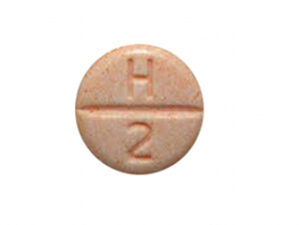
Hygroton (Chlorthalidone) – Patient Information Guide (UK)
Hygroton is a medicine containing chlorthalidone, a type of diuretic (“water tablet”) used to treat certain cardiovascular and fluid-related conditions. This guide explains what Hygroton is for, how it works, how it is usually taken, key safety information, and what to expect in day-to-day life.
This information is designed to help you understand your medicine. Always follow your prescriber’s instructions and read the patient information leaflet that comes with your medicine.
Quick overview
- Active ingredient: Chlorthalidone
- Medicine type: Thiazide-like diuretic (water tablet)
- Main uses: High blood pressure (hypertension), and fluid retention in selected conditions
- How it works: Helps the kidneys remove extra salt and water, lowering blood pressure and reducing fluid build-up
- When it’s taken: Usually once daily in the morning (often with food if needed)
Basic product information
Hygroton is available in tablet form. The exact strength and packaging can vary by brand presentation. In the UK, chlorthalidone-containing medicines are supplied through standard pharmacy channels under licensed pharmaceutical products.
Important: Your dose may be adjusted gradually depending on your condition and blood test results (such as kidney function and electrolytes like sodium and potassium).
How Hygroton works (mechanism of action)
Chlorthalidone belongs to the thiazide-like diuretics. It works mainly in the kidney at the level of the distal convoluted tubule. It reduces sodium reabsorption, leading to increased removal of sodium and water in the urine. This helps:
- Lower blood pressure: By reducing circulating fluid volume and by causing longer-term changes in blood vessel tone.
- Reduce fluid retention (oedema): By decreasing total body water and salt.
- Improve symptoms in selected heart and kidney conditions: When used alongside other treatments.
Because it has a relatively long duration of action, chlorthalidone can be effective with once-daily dosing for many patients.
Pharmacokinetics (how the body handles the medicine)
While individual experiences vary, the general patterns for chlorthalidone in adults include:
- Absorption: Tablets are absorbed after swallowing. Food may slightly affect the speed of absorption, but it does not usually remove the medicine’s overall benefit.
- Distribution: The medicine distributes throughout body tissues and circulates in the bloodstream.
- Metabolism: Chlorthalidone is not extensively metabolised; most activity relates to the parent drug.
- Excretion: Mainly eliminated via the kidneys. Kidney function therefore strongly influences both effect and risk of side effects.
- Duration: Chlorthalidone has a long half-life compared with some other diuretics, supporting once-daily regimens.
Your prescriber may monitor electrolytes (sodium, potassium, and sometimes magnesium) and kidney function (such as creatinine/eGFR) especially when starting treatment, changing dose, or if you are unwell.
Typical uses in the UK
In the UK, chlorthalidone is used for:
- Hypertension (high blood pressure): Often as part of a broader treatment plan that may include lifestyle measures and other blood pressure medicines.
- Fluid retention (oedema): For selected patients where fluid build-up is present, sometimes in the context of heart or kidney-related conditions.
- Adjunctive treatment for cardiovascular risk management: Depending on the overall clinical picture and other medicines you may be taking.
Your exact indication and target blood pressure/weight goals should be set by your clinician based on your health history.
When to take Hygroton (timing and routine)
Diuretics can increase urination. For most people, taking Hygroton in the morning helps reduce the chance of needing the bathroom during the night.
- Typical timing: Once daily, usually in the morning.
- With or without food: You can generally take it with or without food. If it upsets your stomach, taking it with food may help.
- Consistency matters: Take it at around the same time each day.
If you are unsure about your dosing schedule, check your label or speak to your pharmacist.
Food interactions and dietary considerations
Hygroton is affected by hydration status and electrolyte balance. While there are no universal “forbidden” foods, certain dietary patterns may increase the risk of electrolyte disturbances.
Key points
- Potassium balance: Chlorthalidone can lower potassium in some people. A diet rich in potassium (such as fruit and vegetables) may help, but you should not start potassium supplements or high-potassium diets without advice—especially if you have kidney disease or are taking other medicines that can raise potassium.
- Salt (sodium): Reducing excessive salt intake can support blood pressure control. However, do not make drastic changes without guidance if you have complex medical conditions.
- Grapefruit/citrus: Unlike some other medicines, chlorthalidone is not classically associated with grapefruit-specific interactions, but citrus may still affect your overall diet and hydration choices.
- Alcohol and dehydration: Excess alcohol can contribute to dehydration and worsen dizziness; see the alcohol section below.
Hydration tips
- Maintain sensible fluid intake unless your clinician has restricted fluids.
- If you become unwell (vomiting/diarrhoea) or you’re sweating heavily, ask your pharmacist or clinician about whether you should continue your tablets and whether blood tests are needed.
Alcohol and medicine interactions
Alcohol can worsen side effects of blood pressure medicines and diuretics, particularly dizziness and low blood pressure (especially when standing up). It may also contribute to dehydration, which can increase the risk of kidney stress and electrolyte imbalance.
- Moderation is advised: Try to keep alcohol intake within national guidelines unless your clinician has told you otherwise.
- Be careful at first: When starting treatment or adjusting dose, avoid alcohol until you know how you respond.
- Watch for symptoms: Light-headedness, faintness, or severe weakness can indicate low blood pressure or dehydration.
For “medicine interactions”, the most relevant are those that can affect electrolytes, kidney function, or blood pressure. Always tell your pharmacist about:
- Other blood pressure medicines (e.g., ACE inhibitors, angiotensin receptor blockers, beta-blockers, calcium-channel blockers)
- Non-steroidal anti-inflammatory drugs (NSAIDs) such as ibuprofen or diclofenac
- Other diuretics or medicines that affect kidney function
- Digoxin (heart medicine)
- Lithium
- Medicines that influence potassium (e.g., certain steroid medicines, some asthma medicines, potassium supplements)
- Diabetes medicines (blood sugar may be affected in some people)
Your pharmacist can check for specific interaction risks based on your exact regimen.
Indications (what it is prescribed for)
Chlorthalidone is used primarily for conditions where fluid and salt balance affects overall health, most notably:
- Hypertension: To reduce blood pressure and lower cardiovascular risk.
- Oedema/fluid retention: Sometimes as part of a combination approach in selected patients.
The exact choice of diuretic and dose depends on your overall health, kidney function, and the medicines you take alongside it.
Dosing guidance (how much is usually taken)
Dosing can vary widely depending on the condition and individual factors such as kidney function and blood test results. Follow your label or clinician’s instructions.
General principles
- Start low, adjust carefully: Many patients begin on a lower dose to assess tolerability and effect.
- Monitor blood tests: Electrolytes and kidney function may be checked after starting or increasing dose.
- Once daily dosing is common: Due to the drug’s long duration of action.
Common dosing patterns
In typical clinical practice, chlorthalidone may be prescribed at low tablet strengths with possible dose adjustments. Your prescriber will select the dose most appropriate for you.
- Hypertension: Often managed with once-daily tablets, sometimes combined with other first-line antihypertensives.
- Oedema: Doses may differ and may be adjusted based on response and laboratory monitoring.
Do not change the dose without checking first, particularly because stopping or missing doses can affect blood pressure, while taking extra can increase dehydration and electrolyte imbalance.
Safety profile: side effects and what to do
Like all medicines, Hygroton can cause side effects. Not everyone experiences them. Some side effects are mild and improve, while others require prompt medical attention.
Common or more likely side effects
- Increased urination (especially after starting)
- Thirst or mild dehydration symptoms
- Headache or mild tiredness
- Muscle cramps or weakness (may relate to electrolyte changes)
- Dizziness, especially when standing up
Electrolyte-related effects (important)
Chlorthalidone can alter levels of:
- Sodium: Low sodium can cause confusion, extreme tiredness, or in severe cases seizures.
- Potassium: Low potassium can cause muscle weakness, cramps, abnormal heart rhythm sensations, or palpitations.
- Magnesium: Some patients may develop low magnesium.
Because these effects may not always cause immediate warning signs, blood tests are a key part of safe treatment.
Serious side effects – seek urgent medical help
Contact urgent care or seek medical help if you develop:
- Fainting, severe dizziness, or signs of severe low blood pressure
- Severe muscle weakness or persistent spasms
- Irregular heartbeat, severe palpitations, or chest pain
- Confusion or severe lethargy (possible severe sodium disturbance)
- Signs of an allergic reaction such as swelling of the face/lips, rash with breathing difficulty
- Marked reduction in urine output or sudden worsening of kidney symptoms (especially if you are dehydrated or unwell)
Practical use tips for everyday life
1) Reduce night-time bathroom trips
Take Hygroton in the morning. If you still find it affects your sleep, discuss timing or dose with your pharmacist/clinician.
2) Monitor blood pressure safely
- Use a validated home blood pressure monitor if advised.
- Measure at consistent times (often morning and evening).
- Record readings and bring them to reviews.
3) Be alert to dehydration and dizziness
- Stand up slowly from sitting or lying positions.
- If you’re out in hot weather or exercising, plan for extra rest and sensible hydration.
- If you develop vomiting/diarrhoea, contact your clinician for “sick day” advice.
4) Keep up with blood tests
Electrolytes and kidney function are commonly monitored. If you miss blood tests, speak to your healthcare team promptly.
5) Medication list check
Keep an up-to-date list of medicines and supplements. Tell your pharmacist about:
- Herbal remedies
- Over-the-counter painkillers (especially NSAIDs)
- Potassium supplements or salt substitutes
Alternatives to Hygroton (chlorthalidone)
Depending on why you are taking Hygroton and your medical history, other treatment options may include:
- Other diuretics: Such as indapamide or hydrochlorothiazide (thiazide-type options), or loop diuretics like furosemide for some conditions.
- Non-diuretic blood pressure medicines: ACE inhibitors, ARBs, calcium-channel blockers, and beta-blockers, often chosen based on your comorbidities.
- Combination therapy: Many people benefit from tailored combinations rather than a single medicine.
If Hygroton isn’t suitable for you due to side effects, labs, or availability, your prescriber can consider other options.
UK market and legal context (what you should know)
In the United Kingdom, medicines are regulated by the Medicines and Healthcare products Regulatory Agency (MHRA) and must be supplied in accordance with UK medicines regulations. Products like Hygroton are typically licensed for specific indications and strengths.
- Authorised product information: Your medicine will have an approved summary of product characteristics (SmPC) and patient information leaflet (PIL).
- Pharmacy supply: Chlorthalidone-containing medicines are supplied through pharmacy under the standard frameworks for prescription-only medicines and controlled processes.
- Pharmacovigilance: Side effects are monitored through reporting systems used in the UK.
If you have questions about a particular brand, strength, or packaging change, your pharmacist can confirm what is currently available.
Recent guidance and monitoring considerations
Clinical guidance for hypertension and diuretic use in the UK typically emphasises:
- Individualised treatment: Considering age, kidney function, diabetes status, cardiovascular history, and tolerance.
- Regular electrolyte and renal monitoring: Especially soon after starting or increasing diuretics.
- Awareness of dehydration risk: Diuretics can increase susceptibility during illness (e.g., gastroenteritis).
- Rational use of potassium: Avoiding unnecessary potassium supplements unless indicated and safe.
Because guidance can evolve, your clinician may update monitoring intervals or supportive measures based on your current labs and your overall cardiovascular risk.
Delivery and availability (UK online pharmacy)
Availability of Hygroton tablets can vary due to manufacturer supply schedules and pharmacy stocking practices. Many online pharmacies in the UK aim to provide:
- Reliable delivery options: Typically with standard and express services depending on location.
- Tracking: Delivery updates are often provided through a carrier link.
- Secure packaging: Medicines are generally dispatched in protective, tamper-evident packaging.
If you order and face supply delays, contact customer support or your pharmacy so they can confirm alternative arrangements or expected restock dates.
FAQ – Frequently asked questions
1) What is Hygroton used for?
Hygroton (chlorthalidone) is commonly used to treat high blood pressure and, in selected cases, fluid retention. Your exact use depends on your diagnosis and overall treatment plan.
2) How long does Hygroton take to work?
Some diuretic effect (more urine) may be noticeable shortly after taking the first dose. Blood pressure effects typically develop over days, with full benefit often assessed over longer periods. Your clinician may adjust dose based on readings and blood tests.
3) Can I take Hygroton with food?
Yes. Food can help if you feel nauseous. It is generally safe to take Hygroton with or without food, unless your prescriber has told you otherwise.
4) Will Hygroton make me pee more?
Yes. Diuretics increase urine production. Taking it in the morning reduces disruption to sleep.
5) What blood tests are needed?
Tests often include kidney function (e.g., creatinine/eGFR) and electrolytes (such as sodium and potassium). Monitoring frequency depends on your health status and whether your dose is changed.
6) Can I drink alcohol while taking Hygroton?
Alcohol may increase dizziness and the risk of dehydration. If you drink, keep it moderate and be cautious—especially when starting or changing dose. Seek advice if you feel faint or unwell.
7) Are there medicines I should avoid?
Interaction risk depends on your specific medicines. Commonly relevant groups include NSAIDs (e.g., ibuprofen), lithium, digoxin, and certain medicines that affect potassium or blood pressure. Your pharmacist can check interactions for your medication list.
8) What should I do if I miss a dose?
If you miss a dose, take it when you remember unless it is close to the next scheduled dose. Do not take a double dose. If you’re unsure, ask your pharmacist for advice.
9) What “sick day” advice should I know?
If you become seriously unwell—particularly with vomiting or diarrhoea—your clinician may recommend pausing certain medicines temporarily and contacting the surgery/pharmacist for guidance. Ask for personalised advice in advance.
10) What are warning signs that I should contact a doctor urgently?
Contact urgent medical services if you experience severe dizziness/fainting, irregular heartbeat, severe weakness or confusion, or symptoms suggesting dangerously low sodium/potassium. If you have an allergic reaction (e.g., swelling of lips/face, difficulty breathing), seek urgent help.
Summary
Hygroton (chlorthalidone) is a thiazide-like diuretic used in the UK to help manage hypertension and certain forms of fluid retention. It reduces salt and water reabsorption in the kidneys, helping lower blood pressure and reduce oedema. Because it can affect electrolytes and kidney function, regular monitoring and attention to hydration, diet, and interactions are important. Taking it in the morning and following your blood test schedule can improve safety and comfort.
For the best outcomes, keep your medication routine consistent and discuss any side effects, lifestyle changes, or new medicines with your pharmacist or clinician.