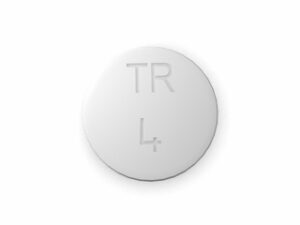
Desogestrel / Ethinyl estradiol — Patient-Friendly Guide (UK)
Desogestrel and Ethinyl estradiol is a combined oral contraceptive pill (often shortened to “COC”). It contains two hormones: desogestrel (a progestogen) and ethinyl estradiol (an oestrogen). Many people use it to prevent pregnancy and, in some cases, to help with cycle-related symptoms.
This guide explains how the medicine works, how it’s used, what to expect, key safety points, and practical considerations—written for patients in the United Kingdom.
Basic Product Information
- Medicine name: Desogestrel / Ethinyl estradiol
- Type: Combined oral contraceptive pill (COC)
- Active ingredients: Desogestrel (progestogen) + Ethinyl estradiol (oestrogen)
- How it’s taken: Oral tablet, usually once daily
- Common pack format: Typically 21 active tablets followed by a 7-day break (or placebo days, depending on brand)
Note: Brand strengths and pack instructions can vary slightly between products. Always follow the instructions provided with your specific brand and the guidance from your clinician/pharmacist.
How It Works (Mechanism of Action)
Desogestrel / ethinyl estradiol works mainly by preventing ovulation and changing the local environment in the reproductive tract:
- Prevents ovulation: The combined hormones suppress signals from the brain (including luteinising hormone), making ovulation less likely.
- Thickens cervical mucus: Progestogen makes cervical mucus thicker, helping reduce sperm passage.
- Alters the uterine lining: The endometrium becomes less suitable for implantation.
Because the pill works in multiple ways, consistent daily use is important to maintain reliable contraception.
Pharmacokinetics (Absorption, Distribution, Metabolism, Excretion)
Pharmacokinetics describes what the body does to a medicine. While exact values differ by person and formulation, the general pattern for COCs is:
- Absorption: Both components are absorbed after oral administration. Peak blood levels typically occur within a few hours of taking the dose.
- Distribution: The hormones are largely bound to plasma proteins (including sex hormone-binding globulin for sex-steroid–like components).
- Metabolism: The hormones are metabolised mainly in the liver. Ethinyl estradiol undergoes hepatic metabolism and additional processing (including enterohepatic circulation).
- Elimination: Metabolites are cleared primarily via bile and then the gastrointestinal tract, with some renal (kidney) excretion.
What this means for you: Because metabolism involves the liver and is affected by certain medicines, antibiotics/antifungals/anti-epileptics and herbal products (notably St John’s wort) may reduce contraceptive effectiveness.
Typical Use and When to Start
Desogestrel / ethinyl estradiol is usually taken as part of a structured daily cycle. Many packs include:
- Active pills: typically taken daily for 21 days
- Break or inactive period: typically 7 days (where you may experience a bleed/withdrawal bleeding)
- Then a new pack: the next day after the break
When to start (general principles):
- Quick-start / day-1 options: Starting at the right time can determine whether you need backup contraception for the first 7 days.
- Switching from another method: Timing depends on what you used before and when your last active pill/withdrawal period occurred.
Because starting timing rules can differ based on personal circumstances (e.g., recent childbirth, miscarriage, switching methods, cycle irregularity), it’s best to follow the instructions in your pack leaflet or ask a pharmacist for guidance.
Timing: Taking Your Pill Correctly
To work reliably, take your pill once every day at approximately the same time each day.
- Consistency helps: Small variations are usually not an issue, but regular timing reduces the risk of missed-dose effects.
- Missed pill rules: If you miss doses, follow the specific advice in your product leaflet—rules depend on how many pills were missed and where you are in the pack.
- Vomiting or severe diarrhoea: If vomiting occurs soon after taking a tablet (commonly within a few hours), it may not have been fully absorbed; you may need to treat it as a missed dose.
Practical tip: Set a daily phone alarm or use a blister-pack reminder method. If you’re likely to forget, consider a routine you can attach to an existing habit (e.g., after brushing teeth).
Food Interactions
In general, food does not significantly affect the absorption of combined oral contraceptives for most people.
- Take with or without food: You may take it after meals or at any time that suits your routine.
- Gastrointestinal illness: If you have vomiting or severe diarrhoea, absorption may be reduced—treat as a missed dose according to the leaflet.
Alcohol and Medicine Interactions
Alcohol
Moderate alcohol use is not usually expected to directly reduce contraceptive effectiveness. However:
- Heavy drinking may indirectly increase risk by increasing the chance of missed doses.
- If you vomit after alcohol, consider whether absorption was affected.
Other Medicines and Interactions
Some medicines can reduce the effectiveness of combined oral contraceptives by increasing hormone metabolism or affecting enterohepatic circulation. These include:
- Enzyme-inducing medicines (often important for contraception):
- Some anti-epileptics (e.g., carbamazepine, phenytoin, topiramate at certain doses, phenobarbital)
- Rifampicin/rifabutin (TB treatments)
- Some HIV/HCV treatments
- Herbal remedies: St John’s wort may reduce effectiveness.
- Some antibiotics/antifungals: Most commonly used antibiotics do not usually affect COC effectiveness, but exceptions exist and the leaflet or a pharmacist can confirm what applies to your medicine.
What to do: If you start a new medicine while taking Desogestrel / ethinyl estradiol, ask a pharmacist or check the patient information leaflet for interaction guidance. Backup contraception (e.g., condoms) may be advised for a period.
Indications (What It’s Used For)
Desogestrel / ethinyl estradiol is indicated for:
- Contraception: Prevention of pregnancy.
- Cycle and symptom control: Some people use the pill to help with regularity and symptoms such as heavy or painful periods. The exact benefits vary person to person.
In the UK, people may choose a pill based on convenience, cycle control needs, medical history, and tolerance. Your healthcare professional can help decide if a combined pill is suitable for you.
Dosing: How to Take Desogestrel / Ethinyl estradiol
Most packs follow a standard daily dosing schedule:
- Dose: One tablet once daily
- Schedule: Typically 21 consecutive active tablets followed by a break of 7 days (or placebo tablets), then a new pack
- Bleeding: Withdrawal bleeding may occur during the break/placebo days
Important: The dosing regimen depends on your exact pack. Some brands use 24 active pills plus shorter breaks; some include a different arrangement. Always use the schedule on your pack.
What if you miss a dose?
Missed pill instructions depend on:
- How many pills were missed
- How late the missed dose was
- Which part of the pack you’re in
Follow the leaflet for exact steps and consider using condoms until protection is restored.
Safety Profile: Who Should Be Cautious
Like all combined hormonal contraceptives, desogestrel/ethinyl estradiol has potential risks, particularly related to blood clots. These risks are higher than in non-users but vary by individual risk factors.
Key warnings (blood clots and cardiovascular risk)
Seek urgent medical advice if you experience signs of a blood clot, including:
- Leg swelling or pain (often in one leg), warmth or redness
- Sudden shortness of breath, coughing blood, or chest pain
- Sudden severe headache, vision changes, weakness/numbness, or difficulty speaking
Also seek advice promptly if you develop symptoms that could indicate a serious side effect (e.g., severe abdominal pain, jaundice).
Other potential side effects
Commonly reported side effects may include:
- Nausea
- Breast tenderness
- Headache
- Changes in bleeding pattern (spotting or breakthrough bleeding, especially in the first few months)
- Mood changes
These often settle after the first 2–3 cycles, but persistent or troubling symptoms should be reviewed.
Who may not be suitable
Combined pills are typically not recommended for people with certain conditions or higher-risk profiles, such as:
- A history of blood clots (venous thromboembolism)
- Some types of migraine (especially with aura)
- Uncontrolled high blood pressure or certain cardiovascular disease
- Severe liver disease
- Certain cancers that are hormone-sensitive
- Unexplained vaginal bleeding that needs medical assessment
Your suitability depends on your personal medical history and risk factors.
Pregnancy and breastfeeding considerations
Combined contraceptives are for use to prevent pregnancy. If pregnancy is suspected or confirmed, the pill should generally be stopped and medical advice sought. Breastfeeding may influence contraceptive choice; some methods are preferred early postpartum.
Practical Use Tips (Make It Easier and Safer)
- Use reminders: Phone alarm, calendar, or pill organiser.
- Keep your supply accessible: If you travel, carry enough tablets for the entire trip.
- Plan for sick days: If you vomit or have severe diarrhoea, follow missed-dose guidance and use condoms if advised.
- Don’t skip “quietly”: If you decide to pause or stop, consider alternative contraception immediately to prevent unintended pregnancy.
- Review interactions: If you start new medicines or supplements, check with a pharmacist.
- Be alert to warning symptoms: Know the signs of blood clots and seek urgent help if they occur.
Alternative Options
If Desogestrel / ethinyl estradiol doesn’t suit you, there are many other contraceptive choices available in the UK, including:
- Other combined pills: Different progestogens/oestradiol combinations may be better tolerated.
- Progestogen-only methods:
- Progestogen-only pills (POPs)
- Hormonal injections
- Hormonal implants
- Intrauterine contraception: Hormonal IUS/IUD or non-hormonal IUD
- Barrier methods: Condoms (also help protect against sexually transmitted infections)
- Long-acting reversible contraception (LARC): Implants and IUD/IUS options can reduce daily adherence concerns.
A clinician or pharmacist can help you compare effectiveness, side effects, and suitability based on your health history and preferences.
Market and Legal Context in the UK
In the United Kingdom, combined oral contraceptives are widely available through pharmacies and other healthcare routes. Supply is regulated and products must meet UK standards for quality, safety, and labelling.
Patient information leaflets and local guidance emphasise:
- Appropriate screening: suitability checks based on medical history and risk factors
- Clear interaction advice: especially for enzyme-inducing medicines
- Education on missed doses: to maintain contraceptive reliability
Where appropriate, contraception services in the UK also include sexual health clinics and GP services, offering advice, ongoing support, and method switching when needed.
Recent Guidance and Ongoing Considerations
Contraceptive guidance in the UK is periodically updated. While specific updates can vary by organisation and year, common themes include:
- Ensuring correct use: emphasis on missed-dose counselling and backup contraception when relevant
- Drug interaction awareness: heightened focus on enzyme-inducing medicines and St John’s wort
- Risk assessment: regular evaluation of clot risk factors, smoking status, migraines, and blood pressure
- Patient-centred choice: selecting the method that best fits lifestyle, health needs, and preferences
If you have questions about whether your personal circumstances affect suitability, speak to a pharmacist or healthcare professional.
Delivery and Availability (UK)
Desogestrel / ethinyl estradiol may be available through online pharmacy services across the UK, depending on local processes and product availability. Availability can also depend on:
- Your selected brand and pack size
- Current stock levels
- Local delivery coverage and dispatch times
What you can generally expect:
- Secure packaging: medicines are delivered in appropriate protective packaging.
- Dispatch times: delivery schedules vary by provider and whether the item is in stock.
- Tracking: many services provide tracking or delivery confirmation.
Please check the specific retailer’s website for current delivery options, costs, and estimated dispatch times.
FAQ — Frequently Asked Questions
1) How effective is Desogestrel / ethinyl estradiol?
Effectiveness depends on correct daily use. When taken correctly, combined oral contraceptives are highly effective at preventing pregnancy. Missed pills, late starts, vomiting/diarrhoea, and drug interactions can reduce effectiveness.
2) Will I get a bleed on the pill?
Many people experience withdrawal bleeding during the break/placebo period. Some may have spotting or lighter bleeding, especially in the first few months.
3) Can I start the pill at any time?
You can start at different times depending on your cycle and previous contraception. Starting rules affect whether you need backup contraception in the first 7 days. Refer to the product leaflet and seek advice if you’re unsure.
4) What should I do if I forget a tablet?
Follow the missed-dose instructions in your product leaflet. The correct steps depend on how many tablets were missed and how late they were. You may need condoms and you may need to take the missed tablet(s) as advised.
5) Does taking it with food matter?
Food usually does not significantly affect absorption. However, vomiting soon after taking your tablet may mean it didn’t absorb properly, and you may need backup contraception.
6) Are antibiotics a problem?
Most common antibiotics do not usually reduce effectiveness, but there are exceptions and individual circumstances matter. Check with a pharmacist if you’re prescribed any antibiotic or other new medicine.
7) Can I drink alcohol while taking it?
Moderate alcohol use is generally not expected to affect the pill directly. The main concern is missing doses or vomiting after heavy drinking.
8) What are the serious warning signs I should know?
Get urgent medical help for symptoms suggestive of a blood clot, such as chest pain, sudden shortness of breath, leg swelling/pain, sudden severe headache, or neurological symptoms (weakness, speech or vision changes).
9) What if I have migraines?
Migraine type and other risk factors affect pill suitability. If you develop migraine with aura (visual disturbances or other neurological symptoms), seek medical advice urgently.
10) What are my options if I want to stop?
You can stop the pill whenever you choose, but you should use an alternative contraception method immediately if pregnancy prevention is still needed. Ask a pharmacist for advice about switching methods.
Summary
Desogestrel / ethinyl estradiol is a combined oral contraceptive used to prevent pregnancy and can help some people manage cycle-related symptoms. It works primarily by suppressing ovulation, thickening cervical mucus, and modifying the uterine lining. For best protection, take your tablet daily at a consistent time and be alert to missed-dose rules, vomiting/diarrhoea, and medicine/herbal interactions.
If you’re unsure whether this pill is suitable for you, or if you’re starting new medicines, talk to a pharmacist or healthcare professional in the UK for personalised advice.