Singulair (Montelukast) — Patient Guide (UK)
Singulair contains montelukast, a medicine used to help control certain lung and allergy conditions. It works by blocking the action of a substance in the body called leukotriene, which plays a role in inflammation and symptoms such as wheeze, coughing, and nasal symptoms.
This guide explains what Singulair is used for, how it works, how it’s taken, what to watch for, and practical tips to get the best results. Information is written for people in the United Kingdom and reflects general NHS-style guidance and UK regulatory context.
1. Basic product information
- Medicine name: Singulair
- Active ingredient: Montelukast
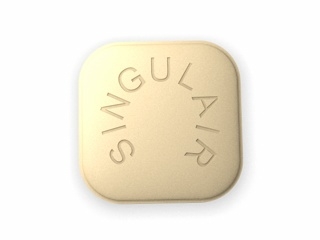
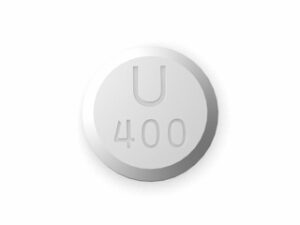
- How it comes: tablets and chewable tablets depending on strength/age group (exact formats can vary by product)
- Usual dosing timing: often once daily, typically in the evening
- Medicine type: leukotriene receptor antagonist (LTRA)
Note: Always check the strength printed on your pack and follow the instructions provided by your healthcare professional and/or the product leaflet.
2. How Singulair works (mechanism of action)
Montelukast blocks leukotriene receptors, mainly CysLT1. Leukotrienes are chemical messengers involved in:
- Airway inflammation
- Airway swelling
- Constriction (narrowing) of airways
- Mucus production
By blocking leukotrienes, Singulair helps to:
- Reduce symptoms such as wheezing and night-time coughing
- Improve control of asthma symptoms in suitable patients
- Help with allergic rhinitis (hay fever) symptoms, especially where a leukotriene pathway contributes
Important: Singulair is not a “reliever” (it does not act quickly like a rescue inhaler). It helps prevent symptoms when taken regularly as directed.
3. Pharmacokinetics (how the body handles montelukast)
Understanding how the medicine behaves in the body can help you know what to expect.
| Property | General description (patient-friendly) |
|---|---|
| Absorption | Montelukast is absorbed after you take it by mouth. It’s absorbed reasonably well and reaches peak levels after a few hours (timing can vary by formulation). |
| Distribution | It binds to proteins and spreads through the body to target sites, including the lungs. |
| Metabolism | It is metabolised mainly by the liver (through CYP enzymes such as CYP3A4 and others). |
| Elimination | Montelukast and its metabolites are removed from the body mainly via bile/urine. |
| Onset | You may notice improvements within days, but full benefit can take longer. It is intended for ongoing control. |
If you have liver problems, your clinician may review whether any extra monitoring is needed.
4. Typical uses in the UK
Singulair is used for conditions where leukotriene activity contributes to symptoms. Depending on your age and symptom pattern, it may be considered for:
- Asthma:
- As an add-on treatment for people who are not adequately controlled with other therapies.
- For exercise-induced bronchoconstriction (in suitable patients, as directed).
- To help with night-time symptoms.
- Allergic rhinitis (hay fever):
- Help with symptoms such as a runny nose, sneezing, nasal itching, and congestion.
- Overlap conditions:
- Sometimes used when a person has both asthma and allergic rhinitis and a single option may help both symptom areas.
Key practical point: For asthma, your inhalers remain central. Singulair is a controller medicine in appropriate cases; it usually does not replace inhaled steroid therapy or a reliever inhaler.
5. When and how to take Singulair (timing and routine)
For most patients, Singulair is taken . Many people take it in the evening, as symptoms such as coughing and wheeze can be worse at night. However, follow your own dosing instructions exactly.
- Consistency helps: taking it at the same time each day supports steady control.
- If you miss a dose:
- Take it when you remember, unless it’s close to the next dose.
- Do not take a double dose to make up for a missed one.
- Keep taking: montelukast is usually used for ongoing prevention even when you feel well.
Tip: If you’re new to Singulair, consider setting a reminder on your phone and linking it to an evening routine (e.g., after brushing teeth).
6. Food interactions and what to eat
Montelukast can generally be taken with or without food. Many people prefer taking it after food in the evening to make routine easier and reduce the chance of stomach upset.
- No specific “avoid” food lists are typically required for montelukast.
- If you experience nausea: try taking it with a meal or a snack (unless your clinician has told you otherwise).
Always follow the instructions specific to your tablet strength and formulation.
7. Alcohol and medicine interactions
Alcohol
There is no common direct interaction that mandates complete avoidance of alcohol for all patients taking montelukast. However:
- Alcohol can worsen asthma symptoms in some people.
- Alcohol may increase sleep disruption and can interfere with symptom awareness at night.
- If you notice that alcohol triggers coughing, wheeze, or nasal symptoms, consider limiting alcohol and discuss this with a clinician.
Other medicines
Montelukast can be affected by some medicines, and it can also affect how other medicines work indirectly (for example, by changing symptom control and inhaler needs). Key interaction considerations include:
- Enzyme inducers (medicines that increase liver enzyme activity) may reduce montelukast levels. Examples can include some epilepsy medicines and certain antibiotics/antifungals—ask a pharmacist if you’re taking multiple medicines.
- Enzyme inhibitors may increase montelukast levels, though this is usually less clinically significant than the overall treatment context.
Practical advice: Tell your pharmacist about all medicines and supplements you take (including over-the-counter products). This is especially important if you use multiple asthma medicines, allergy treatments, or have other long-term conditions.
8. Indications (when Singulair is appropriate)
“Indication” means the medical condition(s) the medicine is used to treat. In the UK, montelukast is commonly used for:
- Asthma
- As add-on therapy for people whose asthma is not fully controlled with other standard treatments.
- For specific asthma patterns such as exercise-induced symptoms, as clinically appropriate.
- Sometimes used where asthma symptoms are mainly nocturnal.
- Allergic rhinitis (hay fever) to relieve symptoms.
Not for acute attacks: Singulair should not be used to treat sudden asthma attacks. For sudden symptoms, you need a reliever as advised by your asthma plan.
9. Dosing information (typical regimens)
Doses vary by age, formulation (tablet vs chewable), and the condition being treated. Below are general examples of how montelukast dosing is often structured. Always confirm the exact dose on your pack or label.
| Age / situation | Typical dosing pattern | Notes |
|---|---|---|
| Children | Often once daily, with dose strength depending on age. | Chewable options may be used where appropriate. |
| Adolescents and adults | Often once daily in the evening. | May be prescribed as add-on therapy for asthma or for allergic rhinitis. |
| Exercise-related symptoms | Usually daily control rather than “just before exercise”. | Use only as directed by your clinician; do not replace your reliever inhaler. |
How to take:
- Tablets: swallow with water.
- Chewable tablets: chew thoroughly before swallowing.
If you are unsure: ask your pharmacist to confirm the correct strength and timing for your specific product.
10. Safety profile and side effects
Like all medicines, Singulair can cause side effects. Most people tolerate montelukast well, but it’s important to know what to watch for.
Common side effects
These are not everyone’s experience, but may include:
- Headache
- Stomach pain, indigestion, nausea
- Unusual tiredness or fatigue
- Flu-like symptoms (in some cases)
Less common or serious effects
Some people may experience changes that require prompt medical advice, including:
- Allergic reactions such as rash, swelling, or breathing difficulties (seek urgent help if severe).
- Mood and behaviour changes (see below for more important information).
Important UK safety guidance: neuropsychiatric effects
Montelukast has been associated with reports of neuropsychiatric events. These can include:
- Sleep disturbances (e.g., nightmares, insomnia)
- Agitation, irritability
- Depression
- Hallucinations
- Suicidal thoughts or behaviour (rare)
What to do:
- Stop and seek urgent medical advice if you (or your child) develop worrying mood, behaviour, or sleep-related changes.
- Discuss any new symptoms promptly with a healthcare professional, especially if they are persistent or worsening.
Always weigh benefit vs. risk with a clinician if you have a history of mental health problems or sleep disorders.
When to seek urgent help
- Severe allergic symptoms (swelling of face/lips, difficulty breathing, collapse)
- Serious behavioural changes, severe depression, or thoughts of self-harm
- Signs of a significant asthma worsening that do not respond to your usual reliever plan
11. Practical use tips for better results
- Use it as a controller: Singulair is designed for daily prevention in suitable people—avoid “as needed” use unless specifically instructed.
- Keep your asthma plan: Continue using your inhaled steroid and reliever according to your plan. Singulair typically supports control but doesn’t replace fast relief.
- Track patterns: If symptoms are worse at night or around allergens, keeping a simple diary can help assess whether the medicine is working.
- Check technique for inhalers: Even the best controller medicines won’t work well with incorrect inhaler technique.
- Don’t stop suddenly without advice: If it’s stopping for any reason, a clinician may advise how to manage the transition.
- Be alert to mood/sleep changes: particularly in children and teenagers. Early reporting allows timely review.
12. Alternative options (what else may be used)
Alternatives depend on whether you are treating asthma, allergic rhinitis, or both. Common UK options include:
For asthma
- Inhaled corticosteroids (ICS) (foundation treatment for many)
- Long-acting beta-agonists (LABA) in combination products for people needing additional control
- Reliever medicines (e.g., short-acting beta-agonists) for sudden symptoms
- Other add-on controllers (selected by clinicians based on asthma type, severity, and response)
- Allergen-targeted treatments in specific circumstances
For allergic rhinitis (hay fever)
- Antihistamines (tablets or nasal sprays)
- Intranasal corticosteroids (often very effective for nasal blockage and sneezing)
- Saline rinses to reduce allergen load (supportive)
A pharmacist or clinician can help you compare options based on your symptoms and history. If montelukast isn’t suitable, there are usually other effective approaches.
13. Market and legal context in the UK
In the UK, Singulair (montelukast) is an established prescription medicine. UK clinical practice and regulatory communications have emphasised that montelukast should be used thoughtfully due to the potential for neuropsychiatric effects.
Recent guidance themes that are relevant to patients include:
- Using montelukast where benefits are expected to outweigh risks (particularly for allergy indications where alternatives may be suitable).
- Clear patient awareness of mood/sleep-related side effects.
- Prompt review if neuropsychiatric symptoms occur.
Local availability and formulation strengths can change, but the active ingredient and the core safety considerations remain the same.
14. Delivery and availability (UK online pharmacy context)
Availability of Singulair can vary depending on formulation and strength (for example, different chewable/tablet formats for children vs adults). When ordering online in the UK:
- Stock checks: many pharmacies check availability before dispatch.
- Packaging: medicines are supplied in manufacturer packaging with the leaflet included where applicable.
- Lead times: delivery times may vary by location and stock status.
- Cold-chain: montelukast does not generally require special cold-chain handling.
Always ensure the strength and form match what you have been told to use.
15. Frequently Asked Questions (FAQ)
Is Singulair the same as a rescue inhaler?
No. Singulair helps prevent symptoms by controlling inflammation and leukotriene activity. It does not relieve sudden breathing problems the way a reliever inhaler does.
How quickly will I feel better?
Some people notice improvement within days, especially for allergic rhinitis symptoms. For asthma control, the full benefit may take longer. Keep taking it daily as directed and review progress with your healthcare professional.
What should I do if I forget a dose?
Take it as soon as you remember, unless it’s close to the next dose. Do not take a double dose. If you’re unsure, ask a pharmacist.
Can I take Singulair with food?
Yes. It can generally be taken with or without food. If you feel any stomach upset, taking it with a meal may help.
Does alcohol affect Singulair?
There isn’t a universal required avoidance, but alcohol may worsen asthma symptoms in some people. If you notice symptoms after drinking, consider reducing alcohol and discuss this with a clinician.
Can Singulair be taken long-term?
For appropriate patients, it may be used long-term as part of a plan to control symptoms. Regular review is important to confirm it continues to help and remains suitable.
Are there any serious side effects I should know about?
Yes. Although uncommon, montelukast has been linked with neuropsychiatric events such as mood changes, agitation, sleep disturbances, and in rare cases suicidal thoughts or behaviour. Seek medical advice promptly if you notice worrying changes.
What if my asthma worsens while taking Singulair?
Use your reliever as advised in your asthma plan and seek medical help urgently if symptoms are severe, persistent, or worsening quickly. Singulair is not meant to treat acute attacks.
What are the most common reasons people stop montelukast?
Some stop because it’s not helping enough, side effects occur, or asthma/allergy management is adjusted. If you want to stop, discuss it first so your condition stays controlled.
What alternatives are available if Singulair isn’t right for me?
Depending on whether you have asthma, allergic rhinitis, or both, alternatives can include inhaled therapies for asthma and antihistamines or intranasal corticosteroids for hay fever. A clinician or pharmacist can help tailor options to your symptoms.
16. Summary
Singulair (montelukast) is a leukotriene receptor antagonist that supports symptom control in suitable people with asthma and/or allergic rhinitis. It works by blocking leukotrienes that contribute to airway and nasal inflammation. It’s usually taken once daily (often in the evening) and generally can be taken with or without food.
Most people tolerate montelukast well, but it’s important to be aware of possible mood and sleep-related effects. If you notice worrying changes, seek medical advice promptly. For acute asthma symptoms, always follow your reliever and action plan.