Proventil (Salbutamol) – Patient Information (UK)
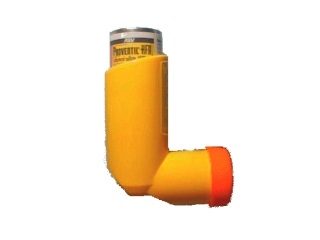
Proventil contains the active substance salbutamol, a medicine used to relieve symptoms of reversible airway conditions such as asthma and certain types of wheeze. It works quickly to relax the muscles in the airways, making it easier to breathe.
This page is designed to be patient-friendly and to help you understand how Proventil works, when it is used, what to expect, and how to use it safely. Always follow the instructions provided with your specific product and seek medical advice if you are unsure.
Quick overview
- Active ingredient: Salbutamol
- Common purpose: Quick relief of sudden breathing difficulties (e.g., wheeze, breathlessness)
- How it works: Relaxes airway muscles by stimulating beta2 receptors
- Onset: Usually within minutes for inhaled forms
- Key safety note: If you need your reliever more often, your asthma may not be well controlled
What Proventil is
Proventil is a brand name for salbutamol. It is available in different inhaler and nebuliser formats in the UK (availability varies by manufacturer and pharmacy). Commonly, Proventil is used as a reliever (rescue) medicine to treat episodes of wheezing or shortness of breath.
Because different products deliver different doses, it is important to check the label on your specific pack for the exact strength and usage instructions.
How Proventil works (mechanism of action)
Salbutamol is a short-acting beta2-agonist. It acts on receptors in the smooth muscle lining the airways. When these receptors are activated, it:
- Relaxes bronchial smooth muscle, helping open the airways
- Reduces airway resistance, making breathing easier
- Improves airflow, which helps relieve symptoms such as wheeze, chest tightness and breathlessness
Proventil is designed for symptom relief. It does not replace anti-inflammatory “preventer” medicines (such as inhaled corticosteroids) that treat the underlying inflammation in many people with asthma.
Pharmacokinetics (how the body handles salbutamol)
Pharmacokinetics can vary depending on the formulation (inhaler vs. nebuliser vs. oral preparations). In general:
- Absorption: Inhaled salbutamol reaches the airways quickly; some amount may be swallowed and absorbed via the gut.
- Distribution: After absorption, salbutamol distributes through the bloodstream to tissues.
- Metabolism: Mainly metabolised in the liver.
- Elimination: Excreted largely via the kidneys (urine), typically as metabolites and partly as unchanged drug.
Because it is a reliever medicine, the clinical effect is expected to start quickly (especially for inhaled products), even though the duration of action may be shorter than long-acting inhalers.
What it’s used for (indications) in the UK
Proventil/Salbutamol is commonly used for:
- Asthma – relief of acute bronchospasm (wheezing, breathlessness)
- Reversible airway disease with bronchospasm
- Exercise-induced symptoms – to reduce wheeze or breathlessness in some patients (your clinician may advise timing)
- Certain cases of chronic obstructive pulmonary disease (COPD) – for symptom relief of reversible bronchospasm (local guidance may vary)
Important: If you have asthma, increasing reliance on reliever inhalers may indicate poor control and may require a review of your overall asthma plan.
Timing and how quickly it works
With inhaled salbutamol, symptoms typically improve within minutes. For many people, the benefit lasts for a few hours, but the exact duration varies by dose, inhaler technique, and individual response.
- Sudden symptoms: Use as soon as you feel wheeze or breathlessness (follow your asthma action plan).
- Before exercise (if advised): Many patients take a reliever about 10–15 minutes before activity. Your prescriber’s plan may differ.
If you do not get relief, or symptoms return quickly, seek medical advice. Severe breathlessness or inability to speak in full sentences requires urgent attention.
Food interactions
For inhaled salbutamol, food interactions are generally not expected to be clinically significant because the drug is delivered directly to the lungs and works locally. If your specific Proventil product involves a route other than inhalation, interaction risk may be different.
Practical tips:
- There is usually no need to avoid food while using inhaled salbutamol.
- If you experience nausea or swallowing of medication after inhalation, try to rinse your mouth after use (especially with multiple puffs) unless your device instructions say otherwise.
Alcohol and medicine interactions
Alcohol
There is no specific, well-established “hard” interaction between salbutamol and alcohol for most patients. However:
- Alcohol can worsen breathing symptoms in some people (e.g., by affecting sleep, reflux, or sedation).
- Both alcohol and salbutamol may contribute to temporary changes in heart rate or feelings of shakiness in susceptible individuals.
If you choose to drink alcohol, do so in moderation and monitor how you feel, especially if you have heart disease or anxiety-like symptoms.
Other medicines
Some medicines can affect how salbutamol works or increase side effects. Tell your pharmacist or clinician if you take any of the following:
- Beta-blockers (including some eye drops such as timolol): may reduce the effect of salbutamol.
- Other asthma relievers (e.g., additional short-acting beta2 agonists): may increase risk of side effects if used together excessively.
- Diuretics (“water tablets”) (especially loop or thiazide types): can increase risk of low potassium when combined with high doses of beta2 agonists.
- Systemic corticosteroids: may be used in exacerbations; together with high-dose beta2 agonists can contribute to potassium changes (clinician oversight is important during severe attacks).
- Digoxin: low potassium can increase sensitivity to digoxin effects.
- Monoamine oxidase inhibitors (MAOIs) and some antidepressants: may influence beta-agonist effects (interaction likelihood depends on the specific medicine).
Always check your labels: If you are using more than one inhaler, confirm which one is your reliever and which is your preventer.
Dosing – what to expect
Dosing depends on your condition, age, and the specific Proventil product you have. Below are typical dosing approaches for salbutamol reliever therapy in adults and adolescents. For children, dosing may differ—always follow the instructions on the pack or your clinician’s plan.
| Situation | Typical approach (inhaled salbutamol) | When to seek advice |
|---|---|---|
| Acute wheeze / sudden symptoms | Often 1–2 inhalations initially, then further inhalations if needed per your asthma action plan or pack guidance. | If symptoms are not improving promptly, or you need frequent doses (e.g., repeated doses over a short period), contact urgent medical help. |
| Before exercise (if advised) | Commonly 1–2 inhalations about 10–15 minutes before activity. | If you still get symptoms during exercise, your overall management plan may need review. |
| Regular “as required” use | Use only when needed; do not exceed the maximum daily dose stated on your specific product. | If you need it more often than usual, talk to a clinician to assess asthma control. |
Key principle: Don’t keep taking extra doses without proper review. Needing reliever inhaler more frequently can indicate worsening asthma control and may increase the risk of an exacerbation.
Correct inhaler technique is essential for the intended dose to reach your lungs. If you’re unsure, ask your pharmacist to demonstrate.
Practical use tips (how to get the best effect)
Different inhalers work differently, but these general tips help improve delivery:
- Check expiry dates and ensure the device is functioning properly.
- Shake if your device requires it (many pressurised metered-dose inhalers do).
- Breathe out fully first before inhaling the dose.
- Seal lips around the mouthpiece and start to inhale slowly as you actuate (press).
- Hold your breath for several seconds after inhalation if you can.
- If using more than one puff, wait between puffs as directed by your inhaler instructions.
- Consider using a spacer if recommended or if technique is difficult—spacers can improve lung delivery and reduce mouth/throat side effects.
After use: If your regimen includes preventer therapy too, use it as directed. Rinsing your mouth (where advised) can help reduce irritation.
Safety profile – side effects and when to seek help
Most people tolerate salbutamol well when used correctly. However, because it stimulates beta2 receptors, side effects can occur—especially at higher doses or with frequent use.
Common side effects
- Shaking (tremor)
- Headache
- Fast heartbeat (palpitations) or feeling your heart race
- Restlessness
- Muscle cramps (sometimes)
Less common but important effects
- Low potassium (hypokalaemia) – more likely with high doses or repeated use during severe episodes
- Chest pain or unusual heart rhythm symptoms
- Worsening wheeze (paradoxical bronchospasm is rare but possible)
Seek urgent medical help if
- You have severe difficulty breathing, cannot speak full sentences, or your symptoms are rapidly worsening.
- Your reliever inhaler gives little or no relief, or the effects wear off very quickly.
- You experience fainting, severe chest pain, or serious palpitations.
- You notice signs of an allergic reaction (e.g., swelling of lips/face, hives, difficulty breathing).
In asthma, emergencies should be handled promptly. If you have an asthma action plan, follow it and contact urgent care if instructed.
Special considerations
Heart conditions
If you have a history of heart rhythm problems, angina, or other cardiac conditions, use reliever medicines carefully and seek advice about your best plan. Palpitations and fast heart rate may occur.
Diabetes
Beta2 agonists can sometimes affect blood sugar. If you have diabetes and notice changes after using reliever inhalers, discuss this with your clinician.
Pregnancy and breastfeeding
Salbutamol is commonly used when needed for asthma symptoms during pregnancy and breastfeeding; however, decisions should be individualised. If you are pregnant, planning pregnancy, or breastfeeding, consult a healthcare professional for personalised advice.
Recent guidance and practical management context in the UK
In the UK, asthma management is typically guided by evidence-based frameworks such as the British Thoracic Society (BTS) and National Institute for Health and Care Excellence (NICE) asthma guidance, alongside local services and healthcare professional training.
Key themes relevant to Proventil/Salbutamol use include:
- Reliever-first isn’t prevention: Salbutamol relieves symptoms but does not treat airway inflammation.
- Reliever overuse signals risk: Using a reliever more frequently can indicate poor control and a higher risk of severe exacerbations.
- Regular review improves outcomes: Patients are often advised to have asthma reviewed periodically, including inhaler technique checks.
- Preventer therapy matters: Many people benefit from inhaled corticosteroids (alone or as part of an inhaler strategy) to reduce attacks.
If you find you need Proventil more often than usual, it is a good idea to arrange a medication review promptly.
Alternative options (reliever and other inhaled medicines)
Depending on your condition and current asthma/COPD plan, your clinician may recommend one of the following alternatives:
- Other short-acting beta2 agonists (same class; different brands/devices)
- Reliever inhalers combined with other components (where appropriate under local guidance)
- Different reliever strategy (e.g., combination reliever approaches for some asthma plans, depending on age and severity)
- Longer-acting bronchodilators for COPD or specific asthma phenotypes, often as maintenance rather than quick relief
- Non-pharmacological steps: allergen control, smoking cessation support, and action plans
Note: Alternatives may not be interchangeable by dose or device. Always check with a pharmacist or clinician before switching.
Delivery and availability in the UK
Availability can vary by strength, device type, and current supply conditions. Online pharmacy listings typically show the formulation and size of pack. Where delivery is offered:
- Dispatch times depend on stock availability and the time of order.
- Delivery options may include standard and express services (based on the selected provider and address).
- Cold chain is usually not required for salbutamol inhaler products, but follow the product handling instructions.
When you order, confirm the active ingredient, strength, and device type match what you need (e.g., inhaler vs. nebuliser solution, if applicable).
Market and legal context (UK)
In the UK, medicines are regulated and supplied under established frameworks. Salbutamol products may be available in different categories depending on formulation and intended use.
- Medicines are expected to meet UK regulatory requirements for quality, safety and effectiveness.
- Pharmacy supply processes typically include patient identification and/or checks where required by the product category and regulations.
- Patients should use the medicine exactly as instructed and store it according to the label.
Always use medicines responsibly and keep them out of reach of children.
Storage
- Store according to the pack instructions (commonly at room temperature and away from direct heat and sunlight).
- Keep devices clean and follow manufacturer guidance for mouthpiece care.
- Do not use after the expiry date.
FAQ – Proventil (Salbutamol)
1) Is Proventil the same as a preventer inhaler?
No. Proventil (salbutamol) is a reliever medicine. Preventers (often inhaled corticosteroids) treat inflammation and help reduce the chance of attacks.
2) How fast should I feel the effect?
For inhaled salbutamol, many people feel relief within minutes. If it doesn’t help promptly or symptoms worsen, seek medical advice.
3) Can I use Proventil every day?
It can be used “as required” for symptoms. However, needing it frequently can mean your asthma is not well controlled. A review of your overall treatment plan is recommended if you’re using your reliever more than usual.
4) What should I do if my inhaler doesn’t seem to work?
- Check expiry date and whether the device is functioning.
- Review inhaler technique—this is one of the most common causes of poor effect.
- If symptoms are severe or not improving, seek urgent help.
5) Are there any activities I should avoid?
Most people can continue normal activities when symptoms are controlled. If you use Proventil before exercise (if advised), follow your plan. If exercise repeatedly triggers symptoms, talk to a clinician about adjusting your treatment.
6) Can I drive or operate machinery?
Proventil itself is not generally expected to impair driving. However, severe breathlessness, anxiety, or palpitations may affect your ability to drive safely. If you feel unwell, avoid driving until you are confident you can do so safely.
7) Will Proventil interact with my other inhalers?
It can depend on what other inhalers you use. If you’re using both a reliever and a preventer, that is common. Always confirm correct timing and which device is for symptoms vs. prevention.
8) What side effects should concern me?
Seek urgent advice if you have severe breathing difficulty, chest pain, fainting, serious palpitations, or signs of an allergic reaction. Common mild side effects like mild tremor or headache can occur, especially soon after dosing.
9) Can children use Proventil?
Children can use salbutamol reliever medicines, but the dose and device are specific to the product and child’s age. Always use the pack instructions and advice from a healthcare professional.
10) Where can I get help if I’m unsure?
Your pharmacist is a good first step—ask them to check inhaler technique and review how often you’re using your reliever. If symptoms worsen or you have an asthma emergency, seek urgent medical help.
Disclaimer: This information is for general guidance and does not replace personalised medical advice. If you have questions about your specific Proventil product, your condition, or your treatment plan, speak to a qualified healthcare professional.