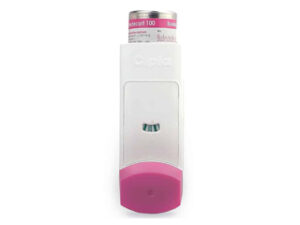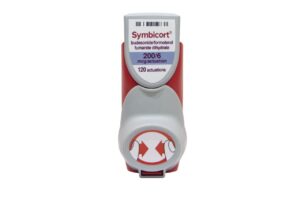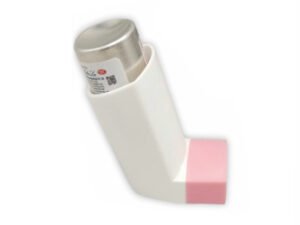
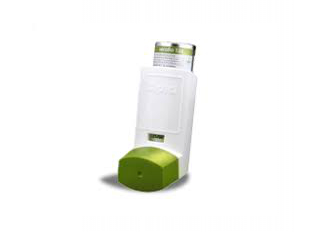
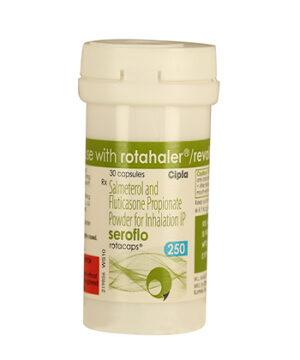
Fluticasone + Salmeterol (Fluticasone + Salmeterol): Patient Guide (UK)
Fluticasone + Salmeterol is a combination inhaler medicine used to help control long-term breathing problems such as asthma and chronic obstructive pulmonary disease (COPD). It contains two medicines working in different ways: fluticasone (an inhaled corticosteroid) and salmeterol (a long-acting bronchodilator).
This page explains what the medicine does, how it works, how to take it safely and effectively, and what to expect in the UK. It also covers practical tips, possible side effects, interactions, and frequently asked questions.
Quick Facts
- What it is: Combination inhaler containing fluticasone + salmeterol
- Used for: Long-term control of asthma and/or COPD (depending on the product strength and licence)
- How it works: Reduces airway inflammation (fluticasone) + relaxes airway muscles for longer-lasting symptom relief (salmeterol)
- When to take it: Usually twice daily at regular times
- Not for: Quick relief of sudden breathlessness during an attack (usually needs a separate “reliever” inhaler)
- Key practical tip: Rinse your mouth or brush your teeth after each dose to reduce mouth/throat side effects
Basic Product Information
| Category | Details |
|---|---|
| Medicine | Fluticasone + Salmeterol (inhaler combination) |
| Active ingredients | Fluticasone (inhaled corticosteroid) + Salmeterol (long-acting beta2-agonist, LABA) |
| Typical dosing schedule | Often twice daily (morning and evening), depending on your inhaler strength and plan |
| Common strengths | May vary (e.g., fluticasone micrograms / salmeterol micrograms) by product |
| Form | Inhalation (dose delivered to lungs) |
Strength and device type (for example, specific inhaler models) can differ. Always follow the instructions provided with your inhaler and your individual care plan.
How Fluticasone + Salmeterol Works
1) Fluticasone: reduces inflammation
Fluticasone belongs to the group of inhaled corticosteroids (ICS). In asthma and COPD, the airways can become inflamed and overly sensitive. Fluticasone helps to:
- Reduce inflammation inside the airways
- Decrease mucus production and swelling
- Improve airflow over time
- Lower the likelihood of flare-ups when used regularly
2) Salmeterol: relaxes airway muscles
Salmeterol is a long-acting beta2-agonist (LABA). It works by:
- Relaxing the smooth muscle around the airways
- Keeping airways open for a longer period
- Improving breathing and reducing breathlessness
The combination provides both anti-inflammatory control (fluticasone) and long-lasting bronchodilation (salmeterol).
Mechanism of Action (in more detail)
Fluticasone is taken by inhalation and acts locally in the lungs. It binds to glucocorticoid receptors in airway tissue, leading to reduced inflammatory signalling. This results in fewer inflammatory cells and mediators, improving airway stability.
Salmeterol stimulates beta2-receptors in the bronchial smooth muscle, which activates intracellular signalling that increases bronchodilation and decreases airway constriction. Because salmeterol is designed for long action, it helps maintain airway openness between doses.
Pharmacokinetics (how the body processes it)
When used correctly, most of the medication effect is local within the lungs. Some medicine may still be swallowed after inhalation. The extent of absorption varies with device technique and lung deposition.
Fluticasone (systemic absorption)
- Part of the inhaled dose deposits in the lungs and can enter the bloodstream.
- Any swallowed portion is absorbed through the gut.
- Metabolism is largely via liver enzymes (notably CYP3A4), with inactive metabolites formed and excreted mainly by the liver.
Salmeterol (systemic absorption)
- Systemic levels can be influenced by lung deposition, swallowing, and individual metabolism.
- Metabolism also involves the liver, with multiple pathways producing metabolites.
- Long-acting activity is driven by local receptor effects in the airways.
In general, the inhaled route aims to keep systemic exposure relatively low compared with oral steroids. However, higher doses, incorrect technique, and interactions that affect metabolism can increase systemic effects.
Typical Use in the UK
Asthma
Fluticasone + salmeterol is used as a controller medicine for asthma when symptoms are not adequately controlled by inhaled corticosteroid alone, or when a combination approach is appropriate.
It helps reduce symptoms, improve day-to-day breathing, and lower the risk of asthma flare-ups.
COPD
For COPD, fluticasone + salmeterol is used in people who have persistent symptoms and a history of flare-ups where a combination inhaler is considered suitable. It helps improve airflow and reduce exacerbations.
Your exact indication and dose depend on your diagnosis, symptom severity, and previous treatments.
Timing and How to Take It
When to take it
- Most people take it twice daily.
- Try to take doses at roughly 12-hour intervals.
- If prescribed once daily for a specific product or plan, follow that schedule exactly.
How to use the inhaler effectively
Effective treatment depends on correct inhalation technique. If your technique is suboptimal, less medicine reaches the lungs and benefits can drop.
- Shake the inhaler if your device instructions require it (many but not all pressurised devices do).
- Exhale fully before using the inhaler (away from the mouth).
- Seal your lips around the mouthpiece.
- Start to inhale slowly and deeply, then press to release the dose if using a metered-dose inhaler.
- Continue inhaling for a full deep breath.
- Hold your breath for as long as comfortable (often 5–10 seconds).
- If a second dose is required, wait about 30–60 seconds before repeating.
After each dose
- Rinse your mouth and spit out (or brush your teeth) after using.
- This reduces the chance of oral thrush and hoarseness linked to inhaled steroids.
What if you miss a dose?
- If you remember soon after missing, take the dose when you can.
- Do not double to make up for a missed dose.
- If you’re unsure, follow the advice from your pharmacist or prescriber and your medicine label instructions.
Food Interactions
Because this medicine is taken by inhalation, food interactions are generally unlikely. The main interactions relate to other medicines that affect how the liver metabolises the components.
That said, if you have to take your inhaler with a spacer or you are managing reflux, try to use your inhaler as directed. Maintaining good oral hygiene remains important regardless of meals.
Alcohol and Medicine Interactions
Alcohol
There is no direct “must avoid” rule for alcohol with fluticasone + salmeterol in most patients. However:
- Alcohol can sometimes worsen breathing symptoms in some people (for example by affecting sleep, hydration, or airway tone).
- Severe intoxication may impair inhaler technique and adherence.
If you notice that alcohol worsens your breathing, consider limiting intake and discuss concerns with a healthcare professional.
Common medicine interactions
Interactions can be clinically important, especially with medicines that influence liver enzymes or potassium levels. Always inform your pharmacist about all medicines you use, including over-the-counter products and herbal supplements.
- CYP3A4 inhibitors (can raise steroid levels): Medicines such as certain antifungals (e.g., ketoconazole, itraconazole) and some antibiotics (e.g., clarithromycin) may increase fluticasone exposure. This can raise the risk of systemic steroid effects.
- Beta-blockers: Some beta-blocker medicines (including some eye drops) can counteract the bronchodilator effect. If you need a beta-blocker, it should be chosen carefully and monitored.
- Other LABAs or long-acting bronchodilators: Using multiple similar bronchodilators may increase side effects and is usually avoided unless specifically advised.
- Diuretics (“water tablets”) and corticosteroids: These can affect potassium levels. When combined with beta-agonists, there may be an increased risk of low potassium, which can matter for heart rhythm.
- Some antidepressants and heart medicines: Certain medicines can increase the likelihood of rhythm changes in people with risk factors.
If you have a heart condition, are prone to palpitations, or take medicines that affect rhythm, it’s especially important to seek advice when starting this combination.
Indications (what it is used for)
In the UK, fluticasone + salmeterol is licensed for use in:
- Asthma (to help control symptoms and reduce exacerbations in suitable patients)
- COPD (to help reduce symptoms and exacerbations in suitable patients)
The exact indication and age range depend on the specific inhaler product and strength. Always check the leaflet supplied with your medicine.
Dosing: How much and how often
Dose varies by the product strength and your condition. Common approaches include:
Asthma (general pattern)
- Typically two inhalations twice daily for some strengths, but actual dosing may differ.
- Clinicians may step doses up or down depending on control.
COPD (general pattern)
- Often taken twice daily at a strength appropriate for symptom control and exacerbation risk.
Important: Always follow the dosing instructions on the medicine label and the patient information leaflet. Do not change the dose on your own.
Safety Profile and Side Effects
Common side effects
Side effects vary between individuals. Inhaled medicines are generally well tolerated, but possible side effects include:
- Hoarseness or voice changes
- Sore throat
- Thrush (oral candidiasis)
- Headache
- Nervousness or mild tremor (often related to salmeterol)
- Muscle cramps
- Palpitations (awareness of heartbeat)
Less common but important effects
- Adrenal suppression or steroid-related effects: Risk increases with higher doses, long-term use, and interactions that raise steroid levels.
- Increased risk of pneumonia in COPD: People with COPD may have a higher pneumonia risk with inhaled steroids, particularly in certain groups.
- Bone effects and eye effects (long-term): With long-term high-dose inhaled steroids, there can be an increased risk of osteoporosis and cataracts/glaucoma.
When to seek urgent help
Contact urgent medical services or seek urgent advice if you experience:
- Severe breathing difficulty that is not relieved by your reliever inhaler
- Swelling of the face, lips, tongue, or throat; or trouble swallowing or breathing (possible allergic reaction)
- Chest pain, fainting, or a severe or irregular heartbeat
Managing oral side effects
- Rinse your mouth after each dose.
- Use a spacer if recommended for your inhaler type (this can improve lung delivery and reduce oropharyngeal deposition).
- If thrush occurs, speak to a pharmacist or clinician—treatment may be needed.
Practical Use Tips for Better Control
- Use every day as directed: Fluticasone + salmeterol works best as a controller and does not replace quick relief.
- Check inhaler technique regularly: Even small errors can reduce dose delivery. Ask a pharmacist to observe your technique.
- Consider a spacer (where appropriate): Spacers can improve delivery and reduce mouth deposition, especially in children and some adults.
- Track symptoms: Keep an eye on daytime symptoms, night waking, and reliever use.
- Have an action plan: Know what to do if symptoms worsen and when to seek help.
- Don’t stop suddenly: In general, controller inhalers should not be stopped abruptly without medical advice.
Alternative Options
There are several inhaler options available in the UK for asthma and COPD. Alternatives include:
For asthma
- Inhaled corticosteroid (ICS) alone (for milder or specific maintenance regimens)
- ICS + formoterol combinations
- ICS + other LABA combinations depending on availability and individual response
- Biologic medicines for selected patients with severe asthma (specialist-led)
For COPD
- Long-acting bronchodilators (LABA or LAMA)
- Dual therapy (LABA + LAMA)
- Triple therapy (ICS + LABA + LAMA) in selected patients
The best alternative depends on diagnosis, exacerbation history, lung function, side effect tolerance, and current guidelines. A clinician can help decide what suits you best.
Market/Legal Context in the United Kingdom
In the UK, asthma and COPD medicines are widely used and regulated by the Medicines and Healthcare products Regulatory Agency (MHRA). Inhaled medicines like fluticasone + salmeterol are designed for consistent, long-term control and are subject to prescribing and supply requirements aligned with UK healthcare pathways.
Availability can also be influenced by product-specific licensing, strengths, and device types. Online pharmacy supply depends on compliance with UK pharmacy regulations and customer eligibility checks as required.
Recent guidance (overview)
UK asthma and COPD management continues to evolve. Key themes in recent guidance include:
- Regular review of symptom control and inhaler technique
- Stepping treatment up or down based on control, risk, and exacerbation history
- Reducing reliance on reliever-only therapy and focusing on controllers for long-term stability
- COPD inhaler choices tailored to exacerbation history and symptom burden, weighing benefits of inhaled steroids against risks such as pneumonia in some groups
Always use the most up-to-date advice from your healthcare professional for your specific condition.
Delivery and Availability (UK online pharmacy)
Fluticasone + salmeterol inhalers are commonly stocked by UK pharmacies, though availability can vary by:
- Exact brand or generic option
- Inhaler device type (and whether it is a dry powder or pressurised metered-dose inhaler)
- Strength and pack size
Delivery timelines can differ depending on location and stock status. Where next-day delivery is offered, it typically depends on order cut-off times and local courier services. You can check the product page for current delivery options and estimated dispatch/arrival times.
If stock is temporarily unavailable, some online pharmacies offer:
- Alternative strengths or equivalent devices
- Back-in-stock notifications
- Advice on suitable substitutions
FAQ
1) Is fluticasone + salmeterol a reliever inhaler?
No. It is a controller inhaler for long-term control. It usually does not work fast enough to treat sudden breathlessness. You should have a separate reliever inhaler for acute symptoms as advised in your asthma/COPD plan.
2) How long does it take to work?
Some improvement may be felt within days, but best benefits for inflammation control often develop over 1–2 weeks (sometimes longer). If symptoms do not improve, check inhaler technique and discuss with your healthcare professional rather than stopping the inhaler.
3) Can I stop this inhaler when I feel better?
Generally, don’t stop controller therapy without advice. Even if symptoms improve, airway inflammation can persist, and stopping may lead to worsening control or flare-ups.
4) Will it affect my heart?
Some people may experience palpitations or a tremor due to salmeterol. These effects are usually mild. If you have heart disease, a history of rhythm problems, or you experience significant chest pain, dizziness, or irregular heartbeat, seek medical advice promptly.
5) How can I prevent thrush?
Rinse your mouth and spit out (or brush your teeth) after each dose. Using a spacer (if appropriate for your inhaler type) can also reduce the amount of medicine deposited in the mouth and throat.
6) Are there any food or drinks I should avoid?
Food interactions are generally not expected. Alcohol is usually not a direct interaction, but heavy drinking can worsen breathing symptoms in some people and may affect adherence and technique.
7) What medicines commonly interact with fluticasone + salmeterol?
The most important interactions involve medicines that inhibit liver enzymes (such as some antifungals and some antibiotics), certain beta-blockers, and medicines that affect heart rhythm or potassium levels. Always ask a pharmacist if you’re unsure about compatibility.
8) Can children use it?
Some strengths and devices are suitable for children depending on age and product licence. Always check the patient leaflet and consult a healthcare professional for dosing and technique, especially in younger users.
9) What should I do if I need urgent help with my breathing?
If you have severe symptoms or a flare-up, use your reliever inhaler as part of your action plan and seek urgent medical help if symptoms are not improving or are severe.
Summary
Fluticasone + salmeterol is an inhaled combination medicine designed for long-term control of asthma and/or COPD. It combines an anti-inflammatory steroid (fluticasone) with a long-acting bronchodilator (salmeterol) to improve breathing and reduce flare-ups. For best results, use it consistently at the right times, apply correct inhaler technique, and rinse your mouth after each dose.
If you have questions about your inhaler, side effects, or how it fits your individual condition, speak to a pharmacist who can help ensure you use it safely and effectively.