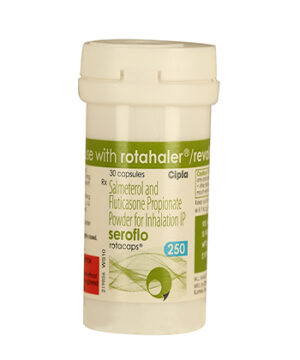
Budecort (Budesonide) – Patient Information
Budecort contains budesonide, a corticosteroid medicine used to reduce inflammation in specific conditions affecting the airways and the gut. This page explains how Budecort works, how it’s typically used in the UK, important safety information, and practical tips to help you get the best results.
Note: Budecort is available in different formulations (for example, inhaled or oral forms). Your exact directions may vary depending on the product strength and how it’s administered. Always follow the instructions given with your specific medicine.
Basic product information
- Active ingredient: Budesonide
- Medicinal class: Corticosteroid (anti-inflammatory)
- Common uses: Conditions where inflammation in the lungs or gastrointestinal tract needs to be controlled
- Brand name: Budecort
- Availability in the UK: Usually dispensed through pharmacies as medicines availability and product form depend on current marketing and supply
What to check on the label: The formulation (e.g., inhaler, nebuliser solution, or oral forms), the strength, and the prescribed schedule.
How Budecort works (mechanism of action)
Budesonide is a steroid medicine that works mainly by reducing inflammation.
In the body, it binds to glucocorticoid receptors in cells. This changes the expression of inflammatory proteins, leading to:
- Less release of inflammatory chemicals
- Reduced swelling and mucus production
- Improved airway or gut lining stability
- Lower immune-driven inflammation
Because budesonide is designed to act locally where it’s delivered (especially for inhaled and gut-targeted forms), it tends to have less whole-body steroid effect than some other steroids at comparable doses.
Pharmacokinetics (how the body handles budesonide)
Pharmacokinetics describes how the medicine is absorbed, distributed, metabolised, and eliminated.
- Absorption: Depends on the formulation. Inhaled budesonide primarily acts in the lungs, while oral forms are absorbed through the gastrointestinal tract to varying degrees.
- Metabolism: Budesonide is extensively metabolised by the liver (notably via CYP3A4). This contributes to lower systemic activity compared with some other steroids.
- Distribution: After metabolism and systemic circulation, metabolites circulate and are eventually cleared.
- Elimination: Most metabolites are excreted primarily via the kidneys.
Implication for you: Medicines that strongly affect CYP3A4 (for example, certain antifungals or antibiotics) may change budesonide levels, which could affect safety.
Typical use in the UK
Budecort is commonly used to treat inflammatory conditions such as:
- Asthma (commonly as an inhaled corticosteroid depending on the product)
- COPD in selected patients (depending on the formulation and local treatment plan)
- Inflammatory bowel disease (certain oral or gut-acting budesonide products may be used in specific subtypes and settings)
It is often used as a controller medicine (to reduce inflammation over time) rather than for immediate symptom relief.
When to take it (timing and routine)
The exact timing depends on your form and prescribed schedule.
Inhaled budesonide (general timing guidance)
- Use consistently at the times your healthcare professional advises.
- If you are instructed to take it once daily, it’s often best to choose a time you can keep reliably.
- If it’s twice daily, spacing doses evenly across the day may help maintain steady control.
Oral/gut-targeted budesonide (general timing guidance)
- Follow label directions closely regarding morning vs evening and whether it should be taken with or without food.
- Some formulations work best with specific routines (for example, certain gut-targeted products are often taken at set times daily).
Practical note: If you’re using an inhaler, rinsing your mouth and avoiding swallowing rinse water can reduce risk of oral thrush and throat irritation.
Food interactions
Food can influence budesonide in some formulations and schedules.
- Inhaled forms: Food usually has little direct effect, but maintaining good routines (such as rinsing after inhalation) matters.
- Oral forms: Some oral corticosteroids show greater effects when taken with food. However, whether food is allowed depends on your specific budesonide product and formulation.
Advice: Check the patient information leaflet (or label) for your exact Budecort preparation. If you’re unsure, ask your pharmacist.
Alcohol interactions
Alcohol does not usually have a single, direct “forbidden” interaction with budesonide for most people, but there are important considerations:
- General steroid safety: Heavy or frequent alcohol intake may worsen general health and can affect liver function.
- Liver metabolism: Budesonide is metabolised by the liver; conditions that affect liver health may increase steroid exposure.
Practical advice: If you drink alcohol, keep it moderate and inform your pharmacist or doctor if you have liver disease or regularly drink large amounts.
Medicine interactions (important)
Because budesonide is broken down mainly by CYP3A4, medicines that inhibit or induce this pathway can affect steroid levels.
Examples of interaction types
- CYP3A4 inhibitors (can increase budesonide levels): Some antifungal medicines (e.g., ketoconazole), certain antibiotics (e.g., clarithromycin), and some antivirals may increase steroid exposure.
- CYP3A4 inducers (can reduce budesonide levels): Some epilepsy medicines (e.g., phenytoin, carbamazepine), rifampicin, and St John’s wort may reduce budesonide effect.
- Other steroids: Taking additional steroid medicines (including oral prednisolone or other inhaled steroids) may increase the risk of steroid side effects.
- Immunosuppressive medicines: Combining therapies that affect immunity may increase infection risk.
What to do: Tell your pharmacist about all medicines you take, including over-the-counter products and herbal remedies.
Indications (what Budecort is used for)
Budecort is indicated for conditions where controlling inflammation is important. Exact indications depend on your formulation and strength.
In the UK, budesonide products are most commonly used for:
- Asthma control (to reduce symptoms and exacerbations, often alongside or instead of other inhalers)
- COPD management in selected patients (often as part of an inhaler regimen)
- Inflammatory bowel disease flare management in certain circumstances, depending on the type and product form
Important: Inhaled or oral budesonide is not a substitute for a fast-acting reliever inhaler (such as a short-acting bronchodilator) when you need immediate symptom relief.
Dosing (general guidance)
Dose requirements vary by diagnosis, severity, age, and the specific Budecort formulation. The information below is general and does not replace your personalised plan.
Common dosing principles
- Lowest effective dose: Clinicians aim for the smallest dose that controls inflammation.
- Stepwise adjustment: Doses may be increased temporarily during flares or reduced when stable.
- Don’t stop suddenly (for higher-dose or longer-term use): Abrupt discontinuation may be unsafe, depending on dose and duration. Follow your clinician’s tapering advice.
How long it takes to work
- Inhaled budesonide: Symptom improvement may begin within days, but best control can take 1–2 weeks or longer depending on severity.
- Gut-targeted budesonide: Improvement may take days, but full benefit can take longer—your clinician will guide targets and timing.
Missed dose: Take it when you remember unless it is near the time of the next dose. If you’re unsure, ask a pharmacist for advice specific to your formulation.
Safety profile and side effects
Like all medicines, budesonide can cause side effects. Many are dose-related and depend on the route of administration.
Common side effects (may vary by formulation)
- Inhaled forms: Hoarseness/voice changes, throat irritation, oral thrush (especially if you don’t rinse after use)
- Oral forms: Upset stomach, nausea, headaches
- General steroid effects: Mild changes in sleep, appetite, or mood in some people
Less common but important risks
- Adrenal suppression: Higher doses or longer-term use may affect the body’s natural steroid production. This is why dose changes should be managed carefully.
- Infection risk: Corticosteroids can increase susceptibility to infections (including some viral or fungal infections).
- Eye problems: Long-term use may increase risk of cataracts or glaucoma in susceptible individuals.
- Bone effects: Prolonged high-dose steroid exposure can contribute to reduced bone density.
- Skin changes: Bruising or thinning of skin may occur with long-term steroid exposure.
- Growth effects in children: Long-term steroid therapy may impact growth, so children need monitoring.
Seek urgent medical help if you develop
- Signs of a severe allergic reaction (swelling of face/lips, difficulty breathing)
- Serious infection symptoms (high fever, severe weakness, shortness of breath worsening rapidly)
- Severe breathing difficulty that does not respond to your usual reliever medication
- Sudden vision changes or severe eye pain
Why this matters: Many steroid side effects are preventable or minimised with correct use, regular reviews, and appropriate dosing.
Practical use tips (getting the most from Budecort)
If you use an inhaler
- Use the correct technique: Incorrect inhaler technique is a common reason for poor control.
- Rinse and spit (or brush teeth): After each dose, rinse your mouth with water and spit it out. Avoid swallowing rinse water if advised.
- Check your inhaler: Keep track of doses and expiry dates.
- Use a spacer if prescribed: Spacers can improve delivery and reduce throat deposition.
If you use oral/gut-targeted budesonide
- Take as directed: Keep a consistent routine with your prescribed schedule.
- Swallow safely: If your product has specific instructions for swallowing (e.g., capsule forms), follow them carefully.
- Keep follow-up appointments: Dose adjustments are often based on symptom response and clinical monitoring.
General tips
- Carry your medicines list: Helpful if you see a GP, pharmacist, or emergency service.
- Don’t skip controller doses: Budesonide works best when used regularly, even when you feel well.
- Review your action plan: If you have asthma or COPD, ensure you understand when to escalate treatment during flare-ups.
Alternative options
If Budecort isn’t suitable or you need a different approach, other treatments may be considered depending on your condition and formulation. Options may include:
- Other inhaled corticosteroids (ICS): Such as beclometasone, fluticasone, or mometasone (for asthma/COPD in appropriate cases)
- ICS/LABA combinations: In many asthma and COPD regimens, inhalers combine a steroid with a long-acting bronchodilator
- Oral corticosteroids: Used for specific situations and typically for shorter courses where appropriate
- Other anti-inflammatory agents for gut conditions: Treatment choices depend heavily on the type of inflammatory bowel disease
Always discuss changes with a pharmacist or clinician to ensure they fit your diagnosis and safety considerations.
UK market & legal context (what this means for you)
In the UK, availability and prescribing/dispensing status of medicines can vary by formulation and strength. Budesonide-containing products may be classified differently depending on how they are supplied and regulated at the time of sale. Online pharmacies typically provide clear product details, manufacturer information, and patient leaflets.
Important points for UK customers:
- Product-specific instructions: Different formulations (inhaled vs oral) have different device technique requirements and safety considerations.
- Regulatory compliance: Reputable UK pharmacy services follow legal requirements for medicines supply and customer checks.
- Pharmacist support: UK pharmacies can advise on safe use, interactions, and side-effect management.
Recent guidance and clinical practice (UK context)
UK clinical guidance for asthma and COPD generally emphasises:
- Regular review of symptom control and inhaler technique
- Stepping treatment up or down based on control and exacerbation risk
- Preventing steroid side effects with correct technique and the lowest effective dose
For inflammatory bowel disease, treatment decisions are often based on disease subtype, location, and activity level, with budesonide considered where appropriate for targeted anti-inflammatory control.
Tip: If you have had recent changes to your symptoms, it’s worth speaking with a healthcare professional to ensure your current Budecort regimen is still the best fit.
Delivery and availability in the UK
Budecort availability can depend on formulation (for example, whether you need an inhaler, nebuliser solution, or oral product) and current supply conditions.
When ordering from a UK online pharmacy, you can usually expect:
- Clear product listings specifying strength, form, and quantity
- Fast dispatch options depending on order time and stock status
- Standard and express delivery (where offered) with tracked delivery options
- Packaging checks to ensure medicines are supplied safely and sealed
Delivery considerations: Keep medicines at the temperatures stated on the label. If your product is a device, store it according to the manufacturer’s instructions.
Table: quick reference
| Topic | What to know |
|---|---|
| What it is | Budecort contains budesonide, an anti-inflammatory corticosteroid. |
| Main benefit | Reduces inflammation to improve symptoms and lower flare risk in certain conditions. |
| How fast it works | Often days to notice improvement; maximum benefit may take 1–2 weeks or longer. |
| Typical timing | Follow your regimen (once or twice daily is common depending on formulation). |
| Food effects | Varies by formulation; follow label instructions. Inhaled forms are usually unaffected by food. |
| Alcohol | Moderation is sensible; caution if you have liver issues or take interacting medicines. |
| Interactions | Medicines affecting CYP3A4 may change budesonide exposure (e.g., some antifungals, antibiotics, antivirals). |
| Common side effects | Hoarseness/thrush with inhaled forms; GI upset or headaches with oral forms (varies by product). |
| Important precautions | Don’t stop suddenly without advice if used long-term/high-dose. Report infections and severe symptoms promptly. |
FAQ – Budecort (Budesonide)
1) Is Budecort for quick relief?
No. Budecort is a corticosteroid that helps control inflammation over time. It is not intended for immediate relief of sudden breathing problems. If you have asthma or COPD, you’ll usually have a separate fast-acting reliever inhaler.
2) How long does it take for Budecort to work?
Many people notice some improvement within days. However, it can take 1–2 weeks or longer to reach full benefit, especially for airway inflammation.
3) What should I do if I miss a dose?
Take it when you remember unless it’s nearly time for your next dose. Don’t take two doses at once. If you’re unsure, ask your pharmacist for advice based on your specific Budecort product.
4) Can I take Budecort with food?
For inhaled forms, food usually makes little difference. For oral/gut-targeted products, whether you should take it with or without food depends on the exact formulation. Always follow the label or leaflet for your specific product.
5) Do I need to rinse my mouth after using an inhaler?
Yes, for most inhaled corticosteroids it’s recommended to rinse and spit after each use to reduce the chance of oral thrush and throat irritation. If you have a spacer or a specific device, follow the device guidance given with your medicine.
6) Are there interactions with antibiotics or antifungals?
Some antibiotics and antifungal medicines can interact by affecting CYP3A4 and potentially increasing budesonide levels. Always tell your pharmacist about current medicines (including “short courses”).
7) Can I drink alcohol while using Budecort?
Moderate alcohol use is usually acceptable for many people, but caution is sensible if you have liver problems or take interacting medicines. If you’re unsure, speak to your pharmacist.
8) What side effects should I watch for?
Common issues include hoarseness or thrush with inhaled use, or headaches/GI upset with oral forms. Seek urgent advice if you develop signs of a severe infection, severe breathing deterioration, allergic symptoms, or significant eye pain/vision changes.
9) Can Budecort be used during infections?
Certain infections may require medical assessment. If you develop fever or symptoms that suggest a significant infection while on budesonide, contact a healthcare professional promptly. Don’t stop treatment without advice unless instructed.
10) Are there alternatives to Budecort?
Depending on your condition, alternatives may include other inhaled corticosteroids, combination inhalers, or other anti-inflammatory treatments (including different approaches for inflammatory bowel disease). Your pharmacist or clinician can help choose the most suitable option.
Need help choosing the right Budecort product? If you tell us the condition you’re treating and the form/strength you have, a pharmacist can help confirm you’re using the correct preparation and provide safe-use advice.