
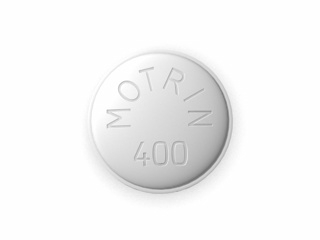

Motrin (Ibuprofen) – Patient Guide (UK)
Motrin is a brand of ibuprofen, a medicine from the group known as non-steroidal anti-inflammatory drugs (NSAIDs). It is commonly used to relieve pain, inflammation, and fever. This guide explains what Motrin is, how it works, how the body handles it, and how to use it safely for typical conditions in the United Kingdom.
Always read the patient information leaflet included with your product and follow the directions on the pack or from a healthcare professional. If you have any concerns—especially if you are pregnant, have existing medical conditions, or take other medicines—seek advice before use.
1. Basic product information
| Feature | What it means |
|---|---|
| Medicine | Motrin (ibuprofen) |
| Drug class | NSAID (painkiller/anti-inflammatory) |
| Main uses | Pain relief, fever reduction, inflammation-related symptoms |
| Common forms | Tablets/capsules/suspension depending on product line |
| Strength | Varies by product (follow your pack) |
| Availability (UK) | Widely available in pharmacies and other retail outlets; some formulations may be prescription-only depending on strength/packaging |
2. How Motrin works (mechanism of action)
Ibuprofen reduces pain and fever by blocking the production of certain body chemicals called prostaglandins. Prostaglandins are involved in:
- Inflammation (swelling, redness, soreness)
- Pain signalling
- Fever by affecting the temperature set point
As an NSAID, ibuprofen helps to lower prostaglandin levels, which can lead to symptom improvement in conditions such as headaches, dental pain, period pain, and muscular aches.
3. Pharmacokinetics: what happens in the body
“Pharmacokinetics” describes how the body absorbs, distributes, metabolises, and eliminates ibuprofen. While exact values can vary by person and formulation, the general pattern is:
- Absorption: Ibuprofen is absorbed from the gut after swallowing. Taking it by mouth is typical for Motrin tablets/capsules.
- Peak effect (onset): Many people begin to feel relief within 30–60 minutes. Full effect may take longer depending on the type of pain.
- Distribution: The medicine circulates in the bloodstream and reaches sites of inflammation.
- Metabolism: The liver breaks ibuprofen down into inactive (or less active) metabolites.
- Elimination: Metabolites are cleared primarily through the kidneys (urine).
Because ibuprofen is handled by the liver and kidneys, it’s particularly important to use caution if you have liver disease, kidney disease, dehydration, or older age.
4. What Motrin is typically used for (indications)
Motrin/ibuprofen is used to relieve symptoms such as:
- Headache (including tension-type headache)
- Migraine symptoms (best taken early when appropriate)
- Toothache and dental pain (alongside advice from a dentist when needed)
- Period pain (dysmenorrhoea)
- Muscle aches, backache, sprains, and minor sports injuries
- Joint pain and stiffness (short-term symptomatic relief)
- Fever and flu-like symptoms
- Inflammation-related pain (e.g., after minor injury)
If you have symptoms that are severe, persistent, or worsening—such as fever lasting more than a few days, severe tooth pain, or pain that does not improve—get medical/dental advice promptly.
5. Timing and how to take Motrin
When to take it
For many minor conditions, you can take ibuprofen when you need symptom relief. Try to use the lowest effective dose for the shortest possible duration.
How long it takes to work
- Onset: often within 30–60 minutes
- Peak effect: commonly within the next 1–2 hours
- Duration: relief may last 4–6 hours for many adults
If symptoms are not improving, reassess your situation and consider speaking to a pharmacist or healthcare professional.
Typical dosing intervals
Many over-the-counter ibuprofen products recommend dosing intervals of around 6 to 8 hours depending on the strength and age. Always follow the instructions on your specific product pack (or the guidance given on this site if provided for your selected strength/form).
6. Food interactions and practical considerations
Food can affect how ibuprofen is tolerated and, to some extent, when it starts to work.
With or without food
- Taking with food (or soon after a meal) may reduce the risk of stomach upset.
- Taking on an empty stomach may lead to faster absorption in some people, but it also increases the likelihood of indigestion, heartburn, nausea, or stomach pain.
Hydration
Staying well hydrated is helpful, particularly if you are unwell (e.g., fever) or elderly. Dehydration can increase the risk of kidney problems with NSAIDs.
7. Alcohol and medicine interactions
Alcohol
Avoid or minimise alcohol when taking ibuprofen. Combining NSAIDs with alcohol can increase the risk of stomach irritation and gastrointestinal bleeding, and can also worsen dizziness or drowsiness in some people.
Important medicine interactions
Interactions can be clinically significant. Tell your pharmacist or healthcare professional about all medicines you take, including over-the-counter products. Common interactions to be aware of include:
- Other NSAIDs (e.g., naproxen, diclofenac, aspirin for pain): increases risk of stomach bleeding and kidney issues. Do not combine unless advised.
- Low-dose aspirin (for heart protection): may be used under specific guidance, but the combination should be treated carefully.
- Anticoagulants (e.g., warfarin): increased bleeding risk.
- Antiplatelets (e.g., clopidogrel): may increase bleeding risk.
- Selective serotonin reuptake inhibitors (SSRIs) (e.g., sertraline, citalopram): may increase gastrointestinal bleeding risk.
- Systemic corticosteroids (e.g., prednisolone): increases the risk of stomach ulcers/bleeding.
- Blood pressure medicines, especially ACE inhibitors (e.g., lisinopril) and ARBs (e.g., losartan): “triple whammy” risk with diuretics can affect kidneys (particularly if dehydrated).
- Diuretics (water tablets): can increase kidney-related risk when combined with NSAIDs.
- Lithium: NSAIDs can increase lithium levels.
- Methotrexate: NSAIDs can affect methotrexate clearance, increasing toxicity risk (especially at higher doses).
- Digoxin: NSAIDs may increase digoxin levels in some cases.
- Some diabetes medicines (e.g., sulfonylureas): monitor for blood sugar changes if advised.
- Herbal products such as St John’s wort may interact through liver metabolism in some individuals.
If you’re not sure whether a medicine is an NSAID, check the label. When in doubt, ask a pharmacist.
8. Dosing guidance (adults and older people)
Dosing depends on your age, the strength of the product, and the condition being treated. For safety, follow the instructions on the pack. Below is general UK-focused guidance commonly seen with ibuprofen products. Your specific product may differ, so confirm the dosing for your exact strength and formulation.
Adults
- Typical single dose: often 200–400 mg as needed
- Minimum interval: usually at least 6 hours between doses
- Maximum daily dose: often 1,200 mg per day for over-the-counter use (check your pack)
Older people
Older adults may be more sensitive to NSAID side effects, particularly stomach bleeding and kidney effects. Use the lowest effective dose and consider speaking to a pharmacist if you need ibuprofen for more than a day or two.
Children
Ibuprofen for children is usually weight-based and is provided as specialised paediatric formulations (e.g., oral suspension). Follow the child-specific dosing instructions on the pack. Do not use adult strengths for children unless a clinician/pharmacist advises it.
When to avoid self-dosing
- If you have a history of stomach ulcers or GI bleeding
- If you have kidney disease, severe liver disease, or significant dehydration
- If you have previously had asthma triggered by NSAIDs
- If you’re taking interacting medicines (anticoagulants, steroids, certain BP medicines, etc.)
9. Safety profile: who should be cautious and red flags
Common side effects
- Indigestion, heartburn, nausea
- Stomach discomfort
- Headache or dizziness in some people
- Water retention (fluid retention) in some cases
Serious risks (seek urgent advice)
Although uncommon, serious side effects can occur with NSAIDs. Stop taking ibuprofen and seek urgent medical advice if you experience:
- Signs of stomach bleeding: vomiting blood or material like “coffee grounds”, black/tarry stools
- Allergic reactions: facial swelling, difficulty breathing, widespread rash or wheezing
- Severe or persistent stomach pain
- Chest pain, sudden breathlessness, or weakness on one side of the body (possible serious cardiovascular events)
- Reduced urination, swelling of hands/feet, or severe weakness (possible kidney issues)
- Severe headache with stiff neck, sensitivity to light, or confusion (rare; needs prompt assessment)
Important contraindications/cautions (general)
- History of NSAID-induced asthma or NSAID allergy
- Active stomach ulcer or previous GI bleeding
- Severe kidney impairment
- Severe heart failure and other serious cardiovascular conditions (risk may be increased)
- Pregnancy: avoid unless specifically advised—particularly in later pregnancy
10. Practical use tips for safer symptom relief
- Use the lowest effective dose for the shortest period needed.
- Don’t “stack” NSAIDs: avoid taking ibuprofen with other NSAIDs.
- Prefer consistent timing if you need repeated doses (e.g., every 6–8 hours per pack instructions).
- Take with food if you have a sensitive stomach or have experienced indigestion before.
- Check other products: cold/flu remedies sometimes contain additional painkillers. Avoid accidentally doubling up.
- Consider non-drug measures for pain and fever (rest, fluids, cold compresses, gentle stretching).
- Record your dose if using for more than a day or two to avoid accidental overuse.
How to stop safely
If ibuprofen is helping, you can continue for a short period as directed. Once symptoms improve, stop taking it. If you need it continuously beyond a few days, or symptoms return quickly, seek advice rather than escalating dose.
11. Alternatives to Motrin (ibuprofen)
Depending on your symptoms and medical history, you may consider other options:
Paracetamol (acetaminophen)
- Often used for pain and fever.
- Generally gentler on the stomach than NSAIDs.
- Overdose can cause serious liver damage—follow dosing limits carefully.
Other NSAIDs
- Some people find another NSAID effective, but they share similar NSAID safety concerns.
- Do not use two NSAIDs together.
Non-medicine approaches
- Heat or cold therapy for aches and sprains
- Rest and activity modification
- Stretching and physiotherapy for persistent musculoskeletal pain
- Topical pain relief gels (e.g., some NSAID-containing gels) may help for localised pain with less systemic exposure
If you’re unsure which option is best for your situation—especially if you have stomach problems, kidney disease, or take interacting medications—ask a pharmacist.
12. United Kingdom market and legal context
In the UK, ibuprofen products are widely available and may be sold as:
- Over-the-counter medicines (for many common strengths and pack sizes), typically through pharmacies and other retailers.
- Pharmacy-only products (depending on strength/pack size and local classification).
- Prescription-only medicines for some strengths or indications, depending on formulation and regulatory classification.
Online pharmacies in the UK are expected to follow strict standards for sourcing, licensing, and compliance. Products should be obtained from authorised supply chains and provided with appropriate packaging and instructions.
Recent and ongoing safety focus
Guidance across recent years has consistently emphasised:
- Lowest effective dose and shortest duration
- Heightened caution for people at higher risk of stomach bleeding or cardiovascular problems
- Careful prescribing/dispensing in people with kidney disease, dehydration, or interacting medicines
- Pregnancy caution, particularly in later stages
For accurate, up-to-date recommendations, check NHS and medicine regulatory resources or ask your pharmacist.
13. Delivery and availability (UK)
Motrin/ibuprofen is commonly stocked by UK pharmacies and many online retailers. Availability can vary by:
- Strength (mg per tablet/capsule)
- Formulation (tablets, capsules, suspension)
- Pack size
- Local demand (e.g., seasonal cold and flu periods)
Delivery services usually aim for prompt dispatch and trackable delivery. Where possible, choose the right product for your age group (adult vs paediatric formulations) and check expiry dates.
If you need it for a child, ensure you select the correct paediatric product and dosing instructions. If you’re treating someone with complex health needs, consider speaking to a pharmacist before ordering.
14. FAQ – Common questions about Motrin (ibuprofen)
1) Can I take Motrin for a headache?
Yes, ibuprofen is commonly used for headaches. Take it early if appropriate and follow the pack instructions. If you get frequent headaches, migraines, or require pain relief regularly, seek advice to identify the cause.
2) How quickly does Motrin work?
Many people feel relief within 30–60 minutes. Taking it with food may slow absorption slightly but can improve stomach comfort.
3) Is Motrin safe with food?
Often, yes. Taking ibuprofen with food can reduce indigestion. If your stomach is sensitive, choose after-meal timing.
4) Can I drink alcohol with ibuprofen?
It’s best to avoid or minimise alcohol. Alcohol can increase the risk of stomach irritation and bleeding when combined with NSAIDs.
5) Can I take Motrin with paracetamol?
In many cases, paracetamol and ibuprofen can be used together because they work differently. However, dosing limits still apply. If you’re considering alternating doses, follow a clear plan from the pack guidance or ask a pharmacist.
6) What if I accidentally take too much?
Overdose can be dangerous. If you suspect too much has been taken—especially in children—seek urgent advice immediately (contact your local urgent care provider or NHS 111 for guidance, or emergency services if severe symptoms occur).
7) Who should not use Motrin?
People with certain conditions (e.g., past NSAID-related allergic reactions or asthma, active stomach ulcers, significant kidney problems) should avoid or only use with professional advice. If you’re unsure, ask a pharmacist.
8) Can Motrin be used during pregnancy?
Caution is important. Ibuprofen is generally not recommended unless specifically advised, especially in later pregnancy. If you’re pregnant or trying to conceive, seek advice before use.
9) Will Motrin upset my stomach?
Some people experience indigestion or stomach discomfort. Taking with food, using the lowest effective dose, and not combining with other NSAIDs can help reduce risk. If you have a history of ulcers or bleeding, avoid without medical advice.
10) Is there an age limit?
Dosing for children is weight-based and must be calculated carefully using the child-specific product. Do not use adult Motrin formulations for younger children unless directed.
11) What if my pain gets worse or doesn’t improve?
If symptoms are worsening, new symptoms appear, fever persists, or pain doesn’t improve after a short time, stop and seek advice from a pharmacist, GP, or appropriate specialist (e.g., dental advice for toothache).
Summary
Motrin (ibuprofen) is a commonly used NSAID in the UK for relieving pain, reducing inflammation, and treating fever. It works by lowering prostaglandins, helping symptoms such as headaches, dental pain, period pain, muscular aches, and minor inflammatory discomfort. For best safety, use the lowest effective dose, follow dosing intervals on your specific pack, consider taking with food, and be alert to drug interactions—especially if you take blood thinners, steroids, or certain blood pressure medicines.
If you have ongoing symptoms, significant medical conditions, or are unsure about interactions, a pharmacist can help you choose the safest option.