Colcrys (Colchicine) — Patient Information (UK)
Colcrys contains colchicine, a medicine used to treat and prevent certain painful inflammatory conditions, particularly
1) Basic product information
| Feature | What it means |
|---|---|
| Active ingredient | Colchicine |
| Brand name | Colcrys |
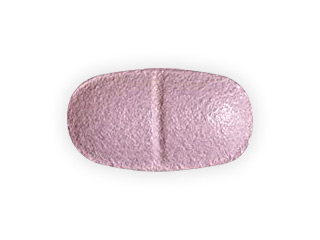
| Medicinal form | Oral tablets (strength varies by pack) |
| Type of medicine | Anti-inflammatory (works by affecting inflammatory pathways) |
| Common uses | Gout flares; prophylaxis for gout; some other inflammatory conditions as advised |
Note: Strength, tablet size, and exact dosing can differ between regimens. Check your pack for the stated strength and instructions.
2) What Colcrys does (mechanism of action)
Colchicine reduces inflammation by interfering with how white blood cells move and activate during inflammation.
- It affects microtubules inside cells, which are involved in cell movement and inflammatory responses.
- It reduces release of inflammatory mediators that contribute to pain, swelling, and tenderness.
- In gout, it helps calm the acute inflammatory reaction triggered by urate crystals in joints.
When used for gout: Colcrys works best by reducing the intensity and duration of an acute flare, and it may also help prevent flares when taken as prophylaxis during periods of urate-lowering treatment.
3) Pharmacokinetics (how your body handles it)
Understanding pharmacokinetics can help explain why interactions and dose adjustments matter—especially with other medicines that affect the liver and kidneys.
- Absorption: Colchicine is absorbed after oral dosing, but absorption can vary between people.
- Distribution: It distributes into tissues and may remain active for some time.
- Metabolism: Mainly processed in the liver (involvement of CYP3A4 and other pathways is important clinically).
- Elimination: Excreted through a mix of biliary (via bile) and renal (kidneys) routes.
- Half-life: The active clearance time can vary; therefore, certain interacting drugs can substantially increase colchicine exposure.
Why this matters: Colchicine levels can rise dangerously if it is taken with certain inhibitors of liver/kidney transport systems or enzyme pathways, increasing the risk of severe side effects.
4) Typical uses in the UK
Colcrys is used to treat or help prevent episodes of inflammatory disease, especially:
- Gout flares (acute gout): Reduces pain and inflammation during an attack.
- Prevention of gout flares (prophylaxis): Often used temporarily when starting or adjusting urate-lowering therapy.
- Other inflammatory conditions: Your clinician may recommend colchicine for selected conditions depending on your diagnosis and risk profile.
Important: The exact indication and dosing schedule depend on your specific condition, kidney/liver function, and concurrent medicines.
5) When to take it (timing and practical approach)
For an acute gout flare
- Start early: Colchicine is generally most helpful when taken as soon as possible after flare symptoms begin.
- Follow the flare regimen: Dosing is not the same for prevention and treatment. Use the plan provided for acute episodes.
For prevention (prophylaxis)
- Consistency matters: For flare prevention, taking colchicine regularly (if prescribed) helps maintain a steady anti-inflammatory effect.
- Duration: Preventive courses are often time-limited, especially around starting urate-lowering treatment, but your clinician will advise for your situation.
Missed dose: If you forget a dose, take it when you remember unless it is close to the next scheduled dose. Do not double up.
6) Food interactions and lifestyle
Food generally does not completely prevent colchicine from working, but certain habits can affect tolerability and risk.
- Take with or after food if it upsets your stomach (to reduce nausea, diarrhoea, or abdominal pain).
- Avoid excessive grapefruit or other strong inhibitors of relevant enzymes/transporters unless your pharmacist/clinician confirms it is safe for you. (Grapefruit can increase colchicine levels for some people.)
- Stay hydrated, especially during flares where dehydration can worsen kidney function.
Tip: If you’ve previously had stomach upset with colchicine, ask your pharmacist about taking it with meals and about anti-nausea strategies if appropriate.
7) Alcohol interactions
There is no single universal “safe” amount of alcohol for everyone taking colchicine, but alcohol can increase the risk of stomach irritation, can worsen dehydration, and may affect liver function.
- Limit alcohol: Avoid heavy drinking.
- During a gout flare: Try to avoid alcohol, particularly beer and spirits, as these can sometimes trigger flares in susceptible people.
- If you drink alcohol regularly: Discuss this with your pharmacist/clinician, especially if you have liver or kidney disease.
8) Medicine interactions (very important)
Colchicine can interact with many medicines. Some interactions can substantially increase colchicine levels and cause serious toxicity. Always review your current medicines (including over-the-counter products and herbal supplements).
Common interaction risk areas
- Strong inhibitors of CYP3A4 and/or P-glycoprotein (P-gp): can increase colchicine exposure.
- Some antibiotics/antifungals: may raise colchicine levels.
- Some HIV/HCV medicines: can affect colchicine clearance.
- Other medicines that affect kidneys or liver: may require dose adjustment.
Examples of medicine types to discuss urgently
- Macrolide antibiotics (e.g., clarithromycin/erythromycin)
- Azole antifungals (e.g., ketoconazole, itraconazole)
- Protease inhibitors used for HIV
- HCV antivirals (depending on the regimen)
- Certain statins or fibrates
- Other interacting anti-inflammatory or pain medicines—not necessarily harmful with colchicine, but tolerability and kidney considerations may apply
Statins / muscle risk: Colchicine can increase the risk of muscle damage (myopathy/rhabdomyolysis), particularly when combined with some cholesterol-lowering medicines. Seek medical advice promptly if you develop muscle pain, weakness, or dark urine.
Do not start new medicines (including herbal products such as St John’s wort) without checking interaction risk.
9) Indications (what conditions it treats or helps)
In the UK, colchicine is used for:
- Acute gout attacks to reduce inflammation and pain.
- Gout prophylaxis to reduce flare frequency, commonly around initiating urate-lowering therapy.
- Selected inflammatory conditions as determined by clinical guidance and your diagnosis.
If you are unsure why you were given Colcrys, check your prescription label/medication plan or ask your healthcare professional for clarification.
10) Dosing information (general guidance)
Follow your individual dose plan. Colchicine dosing depends on the condition being treated, age, kidney function, liver function, and interacting medicines. The regimens for acute gout and prevention differ.
Key safety principles for dosing
- Do not exceed the prescribed dose. Overdosing increases risk of severe gastrointestinal effects and systemic toxicity.
- Kidney or liver impairment often requires dose reduction and closer monitoring.
- Some medicines may require dose changes or avoidance.
Typical dosing patterns (illustrative; confirm with your clinician)
In practice, dosing for gout may be split into:
- Acute flare regimens: often involve a short course starting early in the flare.
- Prophylaxis regimens: lower ongoing dosing for prevention over a set period.
Because exact dosing schedules vary by product strength and patient factors, your pharmacist or clinician will provide the correct regimen for you. If you have questions about the number of tablets and timing, ask before taking them.
11) Safety profile: side effects and warnings
Most people tolerate Colcrys well when used as directed, but colchicine can cause serious toxicity if levels become too high.
Common side effects
- Diarrhoea
- Nausea
- Vomiting
- Abdominal pain or cramping
Serious side effects (seek urgent medical advice)
- Signs of severe gastrointestinal toxicity: persistent severe diarrhoea, vomiting, dehydration
- Muscle problems: muscle pain, tenderness, weakness (especially if on a statin or interacting medicines)
- Blood disorders (rare): unusual bruising, infections, or persistent fever
- Liver problems (rare): yellowing of skin/eyes, dark urine
- Symptoms of overdose: severe stomach symptoms, weakness, or unusual drowsiness
Who needs extra caution
- People with kidney disease or reduced kidney function
- People with liver disease
- Older adults (risk of side effects and interactions may be higher)
- People taking interacting medicines, particularly certain antibiotics/antifungals and some cholesterol-lowering medicines
- Pregnancy or breastfeeding: discuss with a healthcare professional before use
12) Practical use tips (how to get the best results safely)
- Keep an up-to-date medicine list (including OTC products and supplements) to review with your pharmacist.
- Start early in a gout flare if your clinician has advised colchicine for acute attacks.
- Hydrate during flares and avoid dehydration, especially if you have reduced kidney function.
- Use with food if you get stomach upset.
- Do not “top up” doses if pain continues—follow the dosing plan. Too much colchicine can be harmful.
- Watch for side effects early: if diarrhoea or vomiting starts, contact your healthcare professional for advice.
- Be cautious when switching medicines: if a new antibiotic or antifungal is started, ask whether it affects colchicine levels.
13) Alternative options for gout or prevention (discuss with your clinician)
Colchicine is one option for gout management. Alternatives may include:
- Anti-inflammatory pain relief (e.g., NSAIDs) for acute flare control, if suitable for you.
- Corticosteroids (oral or injected) in selected cases when other options aren’t appropriate.
- Urate-lowering therapy (e.g., allopurinol or febuxostat) to reduce long-term urate levels, often combined with short-term flare prophylaxis.
- Other anti-inflammatory strategies depending on flare frequency and comorbidities.
Your best option depends on your kidney and liver function, age, current medicines, and your history of gout flares.
14) UK market and legal context (what to know)
In the United Kingdom, medicines containing colchicine are regulated and supplied according to their legal classification and clinical guidance. Availability through pharmacies is subject to national regulations and pharmacy dispensing practices.
- Quality and safety: Colcrys is an established medicine with ongoing safety monitoring.
- Risk minimisation: Because of interaction potential and the risk of serious toxicity, clinicians and pharmacists emphasise correct dosing and avoidance of certain combinations.
- Package guidance: Always use the specific instructions supplied with your product and any written plan you receive.
Recent guidance and safety updates: In recent years, healthcare authorities and prescribers have continued to highlight strict dose limits, careful assessment of kidney/liver function, and avoiding interacting medicines—particularly for older adults and people on interacting antibiotics/antifungals or cholesterol-lowering drugs. Your pharmacist can also advise based on the most current product information.
15) Delivery and availability (UK online pharmacy)
Availability of Colcrys may depend on stock levels, pack size, and strength. When ordering online:
- Delivery: Your order is typically dispatched once payment and verification checks are complete.
- Timeframes: Delivery times vary by supplier and location in the UK (England, Scotland, Wales, Northern Ireland).
- Track your order: Many pharmacy services provide tracking details once dispatched.
- Packaging: Medicines are supplied in tamper-evident packaging and protected for transit.
Keep your medicine in the original container to ensure correct identification of the strength and expiry date.
16) FAQ: Frequently asked questions
Can I take Colcrys with food?
Yes. Many people find it easier on the stomach when taken with or after food. If your clinician has given specific instructions, follow those.
What should I do if I forget a dose?
If you remember soon after your usual time, take it if it won’t cause you to take too much. If it is near your next dose, skip the forgotten dose and continue normally. Don’t double up.
Is Colcrys only for gout?
It is widely used for gout flares and prevention strategies. In certain situations it may be used for other inflammatory conditions as decided by clinicians. Your reason for use should be stated on your medication plan.
How quickly does Colcrys work during a gout flare?
Many people notice improvement within a day, though responses vary. Starting early in the flare and using the correct regimen improves the likelihood of benefit.
Can I drink alcohol while taking Colcrys?
Limit alcohol and avoid heavy drinking. Alcohol can worsen stomach irritation and dehydration. If you have liver or kidney conditions, ask your pharmacist for personalised advice.
What interactions are most dangerous?
Medicines that strongly affect colchicine metabolism/transport can significantly increase colchicine levels and increase the risk of severe toxicity. Tell your pharmacist about all medicines you take, including antibiotics, antifungals, statins, HIV/HCV medicines, and herbal products.
Should I stop Colcrys if my stomach upsets?
If you develop severe diarrhoea, vomiting, or signs of dehydration, contact urgent medical advice promptly. Don’t simply continue through severe symptoms—colchicine toxicity can worsen.
Can Colcrys be used if I have kidney problems?
It may be used with caution and dose adjustment, but kidney impairment increases risk. Always consult your clinician/pharmacist so the dosing is appropriate for your kidney function.
Is Colcrys safe to take long term?
Long-term use depends on the diagnosis and the plan agreed with your healthcare professional. For gout, prophylaxis is often time-limited. Ongoing treatment requires periodic review, especially if you’re elderly or have kidney/liver issues.
Are there alternatives if Colcrys isn’t suitable for me?
Yes. Alternatives may include other anti-inflammatory treatments for acute flares and urate-lowering approaches for prevention. The right option depends on your medical history and other medicines.
Summary
Colcrys (colchicine) helps reduce inflammation associated with gout flares and may prevent attacks when used in an appropriate regimen. Because colchicine levels can rise with certain medicines and in kidney/liver impairment, safe use depends on correct dosing and careful interaction checks. If you experience severe gastrointestinal symptoms, muscle pain/weakness, or other concerning effects, seek medical advice urgently.