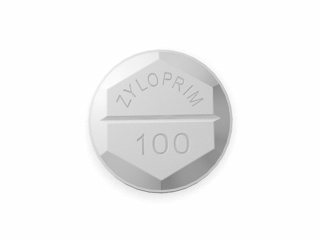

Zyloprim (Allopurinol) – Patient-Friendly Guide
Zyloprim is a brand of allopurinol, a medicine used to help control high levels of uric acid in the body. Uric acid can form crystals that contribute to conditions such as gout and uric acid kidney stones. This guide explains what Zyloprim/allopurinol does, how it works, how it is taken, and what you should know about safety and interactions.
In the UK, allopurinol is widely used and supported by long-standing clinical practice. Individual treatment plans vary depending on your condition, kidney function, and other medicines.
At-a-glance: key facts
- Active ingredient: Allopurinol
- What it helps with: Long-term reduction of uric acid to prevent gout attacks and treat uric acid stones
- How it works: Lowers uric acid production
- Common benefits: Reduces gout flares over time and helps prevent stones
- Important note: It’s generally not used to stop an ongoing gout flare immediately
Basic product information
| Feature | Information |
|---|---|
| Medicine name | Zyloprim (allopurinol) |
| Therapeutic category | Xanthine oxidase inhibitor (uric acid–lowering medicine) |
| Main goal | Reduce uric acid levels to prevent complications of hyperuricaemia |
| Typical use pattern | Daily, long-term (maintenance) |
| Strengths | Zyloprim is commonly available in multiple strengths (confirm exact strength from the product page) |
Mechanism of action: how Zyloprim works
Allopurinol belongs to a group of medicines called xanthine oxidase inhibitors. In the body, the enzyme xanthine oxidase helps convert purines (substances found in the body and in some foods) into uric acid.
Zyloprim works by blocking xanthine oxidase, which leads to:
- Lower production of uric acid
- Reduced uric acid levels in blood and urine over time
- Less formation of urate crystals in joints and kidneys
Because uric acid takes time to change in the body, Zyloprim is typically used for prevention and long-term control. During the early period, some people may still experience gout flares, even as uric acid levels begin to improve.
Pharmacokinetics: what happens in the body
“Pharmacokinetics” describes how the body absorbs, distributes, metabolises, and eliminates a medicine. For allopurinol, the key points are:
- Absorption: Allopurinol is absorbed from the gut after oral dosing.
- Metabolism: Allopurinol is converted in the body mainly to oxypurinol, an active metabolite.
- Half-life: Oxypurinol tends to last longer than allopurinol, supporting once-daily dosing in many cases.
- Elimination: Both allopurinol and oxypurinol are eliminated mainly through the kidneys.
This kidney involvement is one reason clinicians pay close attention to dosing in people with reduced kidney function.
Typical use in the UK
Zyloprim/allopurinol is commonly used to manage long-term hyperuricaemia (high uric acid) and related conditions, such as:
- Gout: Helps prevent recurrent gout flares by reducing uric acid levels
- Uric acid kidney stones: Reduces the chance of stones forming
- Other high uric acid states: In certain situations determined by a specialist
Timing: when and how to take Zyloprim
Zyloprim is usually taken . Many people take it at the same time each day to help remember the dose.
- Try to take it consistently (e.g., after breakfast or in the evening).
- Continue long-term unless your prescriber advises otherwise.
- Early flares may occur: During dose initiation or adjustment, gout attacks can sometimes happen even if the medicine is working.
If you miss a dose, take it when you remember unless it is close to the next scheduled dose. Avoid taking a double dose to make up for a missed tablet. If you are unsure, ask your pharmacist for advice.
Food interactions and dietary guidance
Zyloprim is not known for major food-drug interactions. However, diet can strongly influence uric acid levels and flare risk. The following approaches may help alongside your medicine:
- Hydration: Drink enough fluids to help support healthy urine flow.
- Limit high-purine foods: Some red meats, organ meats (such as liver), and certain seafood can raise purine intake.
- Reduce sugary drinks: Soft drinks and foods with high fructose may increase uric acid.
- Moderate alcohol: Alcohol can trigger gout in many people.
There is no universal “must avoid” list for everyone, but reducing triggers often improves control and may reduce the need for additional flare treatment.
Alcohol interactions
Alcohol does not typically cause a direct interaction with allopurinol in the same way as some medicines do. However, alcohol can increase the risk of gout flares for many people, particularly:
- Beer and spirits (including spirits and liqueurs)
- Binge drinking or frequent heavy drinking
- Sweet cocktails (often high in sugary mixers)
If you drink alcohol, consider keeping it low and consistent, and monitor whether it affects your symptoms. If you have frequent flares, it may be worth discussing alcohol reduction with your healthcare professional.
Interactions with other medicines
Some medicines can increase the risk of side effects or require dose adjustment when used with allopurinol. Always check your full medicine list with a pharmacist or healthcare professional.
Important interaction categories
- Medicines affecting blood clotting: Allopurinol may interact with warfarin in some cases, affecting clotting control.
- Diuretics (“water tablets”): Some diuretics can influence uric acid and kidney handling. Your clinician may monitor your response and kidney function.
- Other gout medicines: You may be advised to use a short course of anti-inflammatory medication (commonly an NSAID or colchicine) during start-up if you are prone to early flares.
- Immunosuppressants and chemotherapy: Certain cancer or immune medicines can increase the risk of blood disorders or skin reactions when combined. Specialist guidance is essential.
- Azathioprine and mercaptopurine: These are purine-based medicines; their levels can be significantly increased by xanthine oxidase inhibition. This can require major dose changes or avoidance depending on your situation.
- Other medicines linked to kidney function: Because elimination involves the kidneys, medicines that affect kidney health may require monitoring.
- Antibiotics: Some antibiotics may affect the risk of certain adverse reactions. Tell your pharmacist if you are starting or stopping any antibiotics.
This is not an exhaustive list. If you want help identifying interaction risks, you can share your medicine names with a pharmacist.
Indications: what Zyloprim is used for
In practice, Zyloprim/allopurinol is used to manage conditions associated with persistent elevated uric acid. Indications commonly include:
- Gout (chronic management): Prevention of recurrent attacks and reduction of urate crystals over time.
- Uric acid stones: Prevention of further stones by lowering uric acid in urine.
- Hyperuricaemia due to high cell turnover or specific conditions: Sometimes used under specialist direction.
- To manage raised uric acid levels when complications occur: Such as tophi (urate deposits) or kidney problems related to urate.
Dosing: how much Zyloprim is usually taken
Dosing depends on the condition being treated, your kidney function, and your measured uric acid levels. A key principle with allopurinol is to start low and go slow to reduce the risk of adverse effects and gout flares.
General dosing approach
- Starting dose: Often low, especially in people with reduced kidney function.
- Titration: The dose may be increased gradually until uric acid goals are reached.
- Maintenance: A stable daily dose is used long-term to maintain control.
Your doctor/pharmacist may monitor:
- Uric acid levels in blood
- Kidney function (e.g., creatinine and estimated GFR)
- Full blood count and liver function tests, especially if you are at higher risk or taking other medicines
How long until it works?
Allopurinol begins lowering uric acid relatively quickly, but visible symptom improvement and prevention of future flares may take weeks to months, especially when starting or adjusting dose. Continue taking it as advised even if symptoms do not improve immediately.
Safety profile: what to watch for
Most people take allopurinol without serious problems. However, like all medicines, it can cause side effects in some individuals. The majority are mild, but some reactions can be serious.
Common side effects
- Skin reactions (rash or itching; severity varies)
- Stomach discomfort (nausea, indigestion)
- Headache or feeling unwell
- Changes in liver-related blood tests (usually monitored if you remain on therapy)
Serious side effects (seek urgent medical advice)
Stop the medicine and seek urgent medical help if you develop signs of a potentially serious reaction such as:
- Severe or rapidly spreading rash
- Blistering of the skin or mouth sores
- Fever or feeling very unwell alongside rash
- Swelling of face/lips or trouble breathing
- Yellowing of skin/eyes or dark urine (possible liver involvement)
A well-known rare risk associated with allopurinol is severe cutaneous adverse reactions (SCAR), which can include conditions such as Stevens–Johnson syndrome or toxic epidermal necrolysis. Risk can be higher in certain groups.
Risk factors for serious skin reactions
Risk may be increased with:
- Starting at higher doses or increasing too quickly
- Pre-existing kidney impairment
- Some genetic risk factors (genetic screening may be discussed by clinicians in relevant cases)
- Taking certain interacting medicines
Practical use tips for daily life
- Take it every day: Consistency helps maintain steady uric acid control.
- Don’t stop suddenly if symptoms improve—uric acid can rise again.
- Manage flare risk early: If you are starting or increasing the dose, consider asking your pharmacist about strategies to reduce the chance of flares (for example, anti-inflammatory prophylaxis may be used in some cases).
- Hydrate: Unless you have a reason to restrict fluids (e.g., specific heart or kidney conditions), adequate hydration is helpful.
- Track triggers: Note foods, alcohol, dehydration, illness, or sudden changes in activity that precede flares.
- Follow monitoring plans: Attend blood tests and check-ups, especially when dose changes occur.
Alternative options
If allopurinol is not suitable (e.g., due to intolerance or side effects), other approaches may be considered depending on your needs. Options may include:
- Febuxostat: Another urate-lowering medicine that works differently. Suitability depends on your overall health and risk profile.
- Uricosuric medicines (specialist use): These increase uric acid excretion in some patients.
- For acute gout flares: Separate treatments are used to relieve symptoms during a flare (e.g., anti-inflammatory medicines). Zyloprim/allopurinol is for long-term urate control rather than immediate flare relief.
- Diet and lifestyle changes: Reducing triggers, improving hydration, and maintaining a healthy weight can support overall management.
Your pharmacist or clinician can help you discuss which alternative is most appropriate if a change is needed.
Market and legal context in the United Kingdom
In the UK, allopurinol is an established urate-lowering therapy. Product availability may include branded and generic forms. Medicines are supplied according to UK medicines regulations and pharmacy processes.
Healthcare professionals may recommend allopurinol as a first-line option in many cases due to its long history of use and effectiveness when appropriately dosed. Public health and clinical guidance emphasise careful dose titration, monitoring, and adherence to long-term urate-lowering therapy.
Recent guidance and clinical practice themes (UK)
UK clinical practice commonly reflects evidence-based approaches to gout and hyperuricaemia management, including:
- Treating to target: Adjusting urate-lowering therapy to achieve and maintain appropriate uric acid levels.
- Start low, go slow: Minimising adverse effects and flare risk.
- Continue long-term: Urate-lowering medicines are intended for ongoing control, not short courses.
- Prophylaxis for early flares: Some patients may receive preventive anti-inflammatory treatment during initiation or dose increases.
- Review comorbidities: Considering kidney function and cardiovascular risk factors when selecting therapy.
Delivery and availability
Zyloprim (allopurinol) is typically available in many strengths and pack sizes, depending on supply. Delivery options may vary by online pharmacy, but many UK pharmacies offer:
- Home delivery with standard or tracked options
- Packaging designed to protect tablets and support privacy
- Regular restocking for common strengths
If a specific strength is temporarily unavailable, most pharmacies can suggest alternative strengths, equivalent generic products, or delivery timing. Please check the delivery estimate displayed on the website for your selected item.
FAQ
1) Is Zyloprim used to treat a sudden gout attack?
No. Zyloprim/allopurinol is mainly used for long-term urate control to prevent future gout attacks and complications. Acute gout flare relief usually requires separate treatment prescribed by your healthcare professional.
2) How long does it take for allopurinol to start working?
Uric acid levels can begin to fall within days, but preventing attacks and dissolving urate deposits typically takes weeks to months. Early flares can occur, especially when starting or increasing the dose.
3) What should I do if I get a rash?
Contact your pharmacist or urgent medical services promptly, particularly if the rash is severe, spreading, or accompanied by fever, blistering, or mouth sores. Do not ignore rash symptoms.
4) Can I take Zyloprim with painkillers or anti-inflammatories?
Some anti-inflammatory medicines may be used for flare treatment or prevention during initiation. Whether they are appropriate depends on your health conditions (for example kidney disease, stomach ulcer history, or blood pressure). Ask a pharmacist to check safety with your current medicine list.
5) Does Zyloprim interact with antibiotics?
Certain antibiotics can interact with allopurinol or affect the risk of adverse reactions. Tell your pharmacist about your Zyloprim use before starting antibiotics.
6) Should I avoid alcohol completely?
Not everyone needs to avoid alcohol completely, but alcohol can trigger gout flares in many people. Keeping alcohol low and monitoring your symptoms is sensible. If you experience frequent flares, discuss reduction or avoidance with your healthcare professional.
7) Do I need blood tests?
Many people on urate-lowering therapy have periodic blood tests to monitor uric acid levels and kidney/liver function. Testing frequency varies depending on dose changes and your individual risk factors.
8) What if I have kidney problems?
Allopurinol dosing often needs adjustment in reduced kidney function. Your clinician may start with a lower dose and increase gradually while monitoring kidney tests and uric acid levels.
9) Are there any dietary tips I can follow?
Hydration and reducing high-purine foods, sugary drinks (especially fructose-rich drinks), and excessive alcohol can help support long-term control. Diet alone may not replace medicine for preventing gout complications, but it can reduce flare triggers.
10) Can I switch from Zyloprim to a generic allopurinol?
In many cases, switching between branded and generic allopurinol can be done safely, as they contain the same active ingredient. If you notice changes in control or side effects after switching, speak with a pharmacist or clinician.