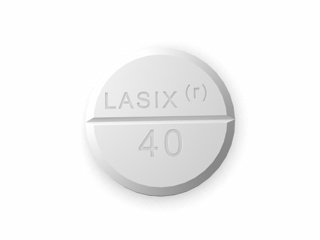


Lasix (Furosemide) – Patient-Friendly Guide (UK)
Lasix is a well-known medicine containing furosemide. It belongs to a group of medicines called loop diuretics, which help the kidneys remove extra water and salts from the body. Lasix is used for a range of conditions where reducing fluid build-up is important, and it may also help manage certain blood pressure problems.
This guide explains how Lasix works, how it’s used, what to expect, and important safety information for adults in the United Kingdom. If you have specific questions about your situation, always follow advice from your healthcare professional.
1. Basic product information
| Category | Details |
|---|---|
| Medicine | Lasix (furosemide) |
| Active ingredient | Furosemide |
| Medicinal class | Loop diuretic (high-ceiling diuretic) |
| Common forms | Tablets and other presentations may be available depending on local supply |
| Who it’s for | Used in adults for fluid retention and related conditions; paediatric use depends on specialist guidance |
| Manufacturer / brand | Lasix is a brand name; generic furosemide may also be available |
2. How Lasix works (mechanism of action)
Furosemide works by acting on the kidneys. It targets a part of the kidney tubule called the thick ascending limb of the loop of Henle. This is where the body normally reabsorbs sodium (salt) and chloride back into the bloodstream.
- Blocks sodium and chloride reabsorption in the loop of Henle.
- As sodium and chloride are not reabsorbed, water follows, increasing urine production.
- This leads to reduced fluid retention and can help relieve symptoms such as swelling in the legs (oedema) and breathlessness related to fluid in the lungs.
Because Lasix is a “high-ceiling” diuretic, it can be especially effective when other diuretics haven’t worked well enough or when kidney function is reduced.
3. Pharmacokinetics (how the body handles it)
Understanding how furosemide is absorbed and eliminated can help you time your doses and recognise expected effects.
Absorption
- Furosemide is absorbed from the gastrointestinal tract after oral dosing, though absorption may vary between individuals.
- Some formulations may be more consistent than others; your product information and prescriber instructions are key.
Onset and duration
- Onset of action is usually within a short period after taking a dose.
- Peak effect may occur within a few hours, depending on the formulation and the person.
- Duration is typically several hours; this influences when you should take it during the day.
Metabolism and elimination
- Furosemide is mostly eliminated via the kidneys.
- In people with reduced kidney function, the effect may be prolonged or the overall response may be altered.
- Regular blood tests are often used to check kidney function and electrolyte levels (such as potassium and sodium).
4. Typical uses of Lasix in the UK
Lasix is primarily used to manage fluid retention (oedema) and conditions where removing excess fluid can help improve symptoms and outcomes.
Common indications
- Oedema due to heart failure (including congestive heart failure)
- Oedema due to kidney problems (such as nephrotic syndrome)
- Oedema due to liver disease (including ascites, where specialist care is required)
- Hypertension (high blood pressure) in selected patients, often as part of combination therapy
In some situations, Lasix may be used for other conditions where fluid balance and urine output are clinically important. The exact reason for use should be clearly stated in your treatment plan.
5. Timing: when to take Lasix
Because Lasix increases urine production, timing matters for comfort and daily routine.
- Take earlier in the day when possible to reduce night-time waking to urinate.
- If you’ve been advised to take it more than once daily, the dosing schedule should minimise disruption at night.
- Try to take it at consistent times each day so your body adapts to the routine effect.
Important: Always follow the schedule given by your healthcare professional for your exact product and condition. If you’re unsure, check the instructions provided with your medicine or seek advice.
6. Food interactions
In general, furosemide can be taken with or without food. However, food may affect how quickly the medicine acts for some people. The key practical points are:
- Consistency is helpful: take it the same way each day (with or without food) unless your clinician advises otherwise.
- Watch for dehydration risk: if you’re unwell (for example, with vomiting or diarrhoea) and your fluid intake is reduced, diuretics can increase the risk of dehydration and electrolyte imbalance.
If your medicine label or patient information leaflet for your specific Lasix product says anything different, follow the leaflet instructions.
7. Alcohol interactions
Alcohol can increase the risk of side effects with diuretics, mainly by contributing to:
- Dehydration (especially if alcohol is consumed in larger amounts)
- Dizziness or light-headedness, which may be more likely when blood pressure drops
- Electrolyte changes in heavy or frequent drinking, particularly if eating patterns are irregular
If you choose to drink alcohol, do so cautiously and consider avoiding heavy or binge drinking. If you feel dizzy, unsteady, or unusually weak after drinking, avoid alcohol and speak to a clinician.
8. Medicine interactions (important)
Lasix affects salt and water balance and can alter levels of minerals in the blood. For this reason, certain other medicines may interact—sometimes significantly. Always keep your healthcare professional and pharmacist informed about all medicines you take, including over-the-counter products and herbal supplements.
Common interaction categories
- NSAIDs (e.g., ibuprofen, naproxen, diclofenac): may reduce the diuretic effect of furosemide and can increase kidney strain in some people.
- Other blood pressure medicines (including ACE inhibitors, ARBs, and other diuretics): may increase the risk of low blood pressure, especially at treatment initiation or dose changes.
- Digoxin: changes in potassium and magnesium can increase risk of digoxin-related side effects.
- Lithium: diuretics can raise lithium levels, increasing toxicity risk.
- Diabetes medicines (insulin and some tablets): furosemide may affect blood glucose control in some individuals.
- Corticosteroids (e.g., prednisolone): may increase potassium loss, raising risk of low potassium.
- Electrolyte-altering drugs: medicines that also lower potassium or magnesium can increase electrolyte imbalance risk.
- Potassium levels: Lasix may lower potassium (hypokalaemia). Some people may be given potassium supplements or potassium-sparing medicines depending on monitoring results.
Herbal and supplement considerations
- Be cautious with “water tablets” from herbal sources, as they may add to the diuretic effect.
- Discuss potassium supplements and salt substitutes with your pharmacist—some salt substitutes contain potassium and may not be suitable for everyone.
9. Dosing: typical approach (UK)
Dose requirements vary widely depending on your condition (for example, heart failure vs. kidney-related oedema), kidney function, and how well you respond. The dose also may be adjusted based on blood tests and symptoms.
Always use your prescribed dose and do not change it without medical advice.
How dosing is commonly determined
- Start with the lowest effective dose in many patients.
- Adjust gradually based on urine output, symptoms, and blood test results (especially kidney function and electrolytes).
- Some people require once daily, while others may need split dosing (e.g., morning and early afternoon) to avoid night-time urination.
What dose information you may see
- Lasix is available in multiple strength tablets and other presentations depending on availability in the UK.
- Your clinician may prescribe a specific number of milligrams (mg) and a frequency (e.g., once or twice daily).
If you’d like, you can tell us which specific Lasix strength and dosing schedule you were given, and we can help you understand how to fit it into daily routines—without replacing your clinician’s instructions.
10. Safety profile and side effects
Like all medicines, Lasix can cause side effects. Many are related to its effects on fluid balance and electrolyte levels. Monitoring and dose adjustment can reduce risk.
Common side effects
- Increased urination (expected, especially early after a dose)
- Dizziness or light-headedness, particularly when standing
- Headache
- Muscle cramps or weakness (may relate to low potassium or magnesium)
- Low blood pressure (more likely in people who are also dehydrated or on other blood pressure medicines)
Important risks (need prompt advice)
- Dehydration or fainting
- Electrolyte disturbances such as:
- Low potassium (hypokalaemia)
- Low sodium (hyponatraemia)
- Low magnesium (hypomagnesaemia)
- Kidney function changes, especially if you are dehydrated or taking NSAIDs
- Rarer reactions such as hearing issues or severe allergic-type reactions (seek urgent medical help if you develop swelling of face/lips, difficulty breathing, or severe rash)
Blood test monitoring
Your healthcare professional may arrange blood tests to monitor:
- Kidney function (e.g., creatinine/eGFR)
- Electrolytes (potassium, sodium, magnesium)
- Uric acid (in some cases, diuretics can affect gout risk)
11. Practical use tips (what helps day-to-day)
- Plan around bathroom access: Lasix can increase urine frequency and urgency, especially soon after dosing.
- Stay hydrated appropriately: follow your clinician’s guidance on fluid intake. Don’t overdrink “to compensate” unless instructed—diuretics change fluid balance in a condition-specific way.
- Check for dizziness: rise slowly from sitting or lying down to reduce the risk of falls.
- Keep track of swelling and weight: in many fluid-retention conditions, changes in body weight can reflect fluid levels. If you’re monitoring weight, do it consistently (e.g., same time each day, similar clothing).
- Don’t skip monitoring: attend scheduled blood tests and appointments.
- Be cautious with sick days: if you have vomiting or diarrhoea, you may become dehydrated. Contact your clinician for advice about continuing or adjusting medicines.
12. When to seek urgent help
Contact urgent care or emergency services if you experience severe symptoms such as:
- Fainting or severe dizziness
- Severe weakness, confusion, or muscle paralysis-like symptoms
- Signs of dehydration (very dry mouth, minimal urine output, or inability to keep fluids down)
- Breathing difficulties that worsen suddenly
- Allergic-type reactions (swelling of face/lips, rash with breathing trouble)
If you suspect low potassium (for example, marked muscle cramps or palpitations) seek medical advice promptly.
13. Alternative options
Depending on why you take Lasix, alternatives may include other diuretics or different classes of medicines. Your clinician chooses based on your diagnosis, kidney function, blood pressure, and electrolyte needs.
Diuretic alternatives
- Thiazide and thiazide-like diuretics (e.g., bendroflumethiazide, indapamide): often used for hypertension and some fluid conditions.
- Potassium-sparing diuretics (e.g., spironolactone, eplerenone): may help in certain heart failure regimens and reduce potassium loss, but require careful monitoring.
- Other loop diuretics (e.g., bumetanide, torsemide): may be options if furosemide is not suitable or not effective enough.
Non-diuretic alternatives or add-ons
- For some conditions (notably heart failure), specialists may use medicines such as beta-blockers, ACE inhibitors/ARBs, and other agents depending on current UK guidance and your health status.
- For swelling due to other causes, treating the underlying condition is essential.
Do not switch between diuretics without medical direction, as dosing and potency can differ.
14. UK market and legal context
In the United Kingdom, furosemide is a prescription-only medicine for most uses under standard pharmacy practice. Regulations can vary depending on product type and local availability. Online pharmacy services follow UK medicine supply and safety requirements, including age checks and appropriate patient screening.
Lasix and furosemide products may be available through community pharmacies and online dispensaries, subject to stock and eligibility. Your pharmacy team can confirm what is available and what information is required to supply your item safely.
15. Recent guidance and monitoring approach (UK)
Diuretic use is commonly guided by national and local clinical practices and by ongoing updates in cardiology, nephrology, and general medicine. While the exact recommendations may differ by condition, typical themes include:
- Regular electrolyte and kidney function monitoring, particularly after starting or changing dose.
- Individualised dosing using the lowest effective dose.
- Careful management of blood pressure and volume status to avoid dehydration or worsening kidney function.
- In heart failure, diuretic dosing is often adjusted to symptom control while disease-modifying therapies are optimised.
Your healthcare professional may also consider risk factors such as diabetes, kidney impairment, older age, and concurrent medications that increase fall or electrolyte disturbance risk.
16. Delivery and availability (UK)
Availability can vary by strength and formulation. When ordering online in the UK, delivery time depends on stock status, carrier service, and your location.
What to expect:
- Orders are typically dispatched on working days when in stock.
- Delivery options may include standard and tracked services.
- Some products may have limited availability; substitutions (such as a generic version) depend on pharmacy policies and your prescriber’s requirements.
If you need Lasix urgently, contact the online pharmacy’s support team to check current delivery estimates and stock.
17. Lasix FAQ
1) How quickly does Lasix start working?
Most people notice increased urine output within a short period after taking a dose. The timing can vary by formulation and by individual absorption. Taking it earlier in the day helps reduce disruption at night.
2) Should I take Lasix with food?
Many patients can take it with or without food. For best consistency, take it the same way each day unless your leaflet or clinician advises otherwise.
3) Can Lasix be taken at night?
It’s often best to avoid late-night dosing because it can cause frequent urination. However, if you were instructed to take it at a specific time, follow your schedule.
4) Will Lasix affect my potassium levels?
Yes. Furosemide can lower potassium. This is why blood tests are important, and in some cases your clinician may recommend supplements or additional medicines to balance electrolytes.
5) What side effects should I watch for most closely?
Seek advice promptly for dizziness/fainting, severe weakness or muscle cramps, palpitations, signs of dehydration, worsening kidney symptoms, or allergic reactions. In many cases, dose adjustment or monitoring can help.
6) Can I take ibuprofen or other painkillers?
NSAIDs like ibuprofen can interact with diuretics and may increase kidney strain. If you need pain relief, ask your pharmacist what’s safest for you, especially if you have kidney problems or heart failure.
7) Is it safe to drink alcohol while taking Lasix?
Alcohol may increase dehydration and dizziness risk. If you drink, keep it modest and pay attention to how you feel. Avoid binge drinking.
8) What should I do if I miss a dose?
Generally, take it when you remember unless it’s close to the time of your next dose. Do not take a double dose. If you’re unsure, ask your pharmacist for guidance based on your dosing schedule.
9) Why am I monitored with blood tests?
Lasix can change kidney function and electrolyte levels. Monitoring helps ensure the dose remains safe and effective for you.
10) Can Lasix help weight loss?
Lasix removes excess fluid, which may lead to short-term weight changes. However, it is not a weight-loss medicine, and using it for this purpose can be dangerous due to dehydration and electrolyte imbalance.
Summary
Lasix (furosemide) is a loop diuretic used in the UK to treat conditions involving fluid retention, such as oedema in heart failure and certain kidney or liver-related conditions. It works by increasing salt and water excretion through the kidneys. Because Lasix can affect electrolytes and kidney function, safe use commonly involves dose individualisation, careful timing, and regular blood test monitoring.
If you’re taking Lasix, take it as directed, plan dosing to minimise night-time disruption, and seek medical advice promptly if you experience concerning symptoms such as severe dizziness, dehydration, or irregular heartbeats.
Note: This information is intended for general patient education and does not replace advice from your healthcare professional.