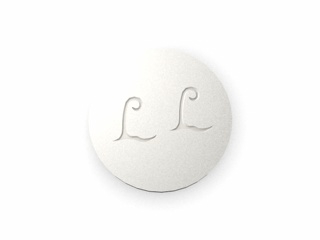
Myambutol (Ethambutol Hydrochloride) – Patient Information (UK)
Myambutol contains ethambutol hydrochloride, an antibiotic used as part of combination treatment for certain types of mycobacterial infections, most commonly tuberculosis (TB). This guide explains what Myambutol does, how it works, how it’s typically taken, and important safety information to help you use it confidently.
This information is for patients and carers and is not a substitute for advice from a healthcare professional.
Key product information
| Product | Details |
|---|---|
| Brand name | Myambutol |
| Generic name | Ethambutol hydrochloride |
| Medicinal group | Antibiotic active against mycobacteria (TB medicines) |
| Typical use | Combination therapy for active tuberculosis; sometimes other mycobacterial infections per clinical assessment |
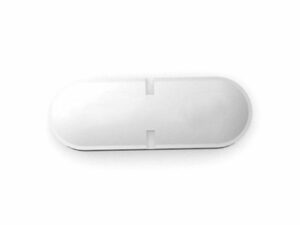
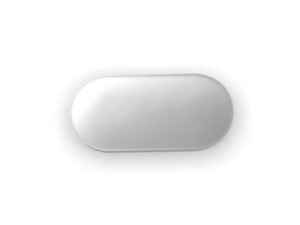
| Common dosage forms | Oral tablets (strengths vary by product packaging) |
| How it’s used | Usually taken once daily (schedule depends on your regimen) |
| Availability (UK) | Supplied via UK pharmacies; availability may depend on supply and treatment requirements |
How Myambutol works (mechanism of action)
Ethambutol targets mycobacterial cell growth. It interferes with the bacteria’s ability to make certain cell wall components by inhibiting pathways involved in arabinolipid synthesis (a key part of the mycobacterial cell envelope). This helps stop the organism from multiplying.
Myambutol is usually used alongside other TB medicines because:
- Mycobacteria are hard to treat and require multi-drug therapy.
- Combination treatment reduces the risk of antibiotic resistance.
- Different drugs act at different stages of bacterial growth.
What Myambutol is used for (indications)
In the UK, ethambutol-containing regimens are mainly used for:
- Active pulmonary and extrapulmonary tuberculosis (TB) as part of combination therapy.
- Mycobacterial infections where ethambutol is considered appropriate by clinical teams.
In many cases, Myambutol is included because it helps cover organisms while cultures and tests confirm the diagnosis and sensitivities.
Typical timing and how to take Myambutol
Your exact schedule depends on your treatment plan. Many regimens include once-daily dosing, but some schedules may differ.
Practical timing tips
- Try to take it at the same time each day to maintain steady levels.
- Consistency matters for long courses of TB treatment.
- If you are taking other TB medicines, follow the order and times given by your healthcare team.
If you miss a dose
- Take it as soon as you remember if it is still close to your usual time.
- If it is nearly time for the next dose, skip the missed dose and continue with your regular schedule.
- Do not double up to make up for a missed tablet, unless your clinician tells you to.
If you have missed multiple doses, contact your healthcare provider promptly for specific advice.
Dosing (general information)
Dosage depends on weight, the specific regimen, kidney function, and the type of infection. Ethambutol doses are often calculated in relation to body weight.
Because doses may vary, always use the strength and number of tablets provided for your personal prescription instructions. Do not adjust your dose on your own.
Who may need extra monitoring
- People with kidney impairment may require dose adjustments and/or more careful monitoring.
- Older adults may need closer review if kidney function is reduced.
- People with eye problems or prior vision issues should discuss risk and monitoring plans with their clinician.
Food interactions
Ethambutol can generally be taken with or without food. However, taking your tablet with food may help if it causes mild stomach discomfort.
Practical advice:
- Choose a routine that you can stick to daily.
- Stay hydrated, particularly if you experience nausea.
- Avoid sudden major changes in diet during treatment unless advised (not because of a direct food interaction, but to maintain overall nutrition during prolonged therapy).
Alcohol and Myambutol interactions
Alcohol can worsen side effects and may increase stress on the liver, especially during TB treatment where multiple medications may already affect liver function. For this reason, it is generally recommended to avoid or limit alcohol during treatment unless your healthcare team advises otherwise.
What to watch for
- Increased nausea, fatigue, or poor appetite
- Yellowing of the skin/eyes (jaundice), dark urine, or severe upper abdominal pain
- New/worsening dizziness or weakness
If you drink alcohol while on treatment and develop concerning symptoms, seek medical advice promptly.
Medicine interactions (other medicines)
Ethambutol may interact with other medicines in ways that affect:
- Risk of side effects (particularly vision-related effects and kidney-related side effects)
- Overall safety when combined with TB medicines or other antibiotics
- How quickly the body clears the medicine (especially if kidney function is affected)
Before starting Myambutol, tell your clinician and pharmacist about all medicines you take, including:
- Other TB medicines (commonly combined regimens)
- Medicines that affect the kidneys
- Medicines that may cause vision changes
- Herbal products and supplements
Important: Always ask your pharmacist if you are uncertain about interactions. This is particularly relevant when starting new medicines during TB therapy.
Pharmacokinetics (how your body handles Myambutol)
Pharmacokinetics describes what happens after you swallow a medicine: absorption, distribution, metabolism, and elimination.
- Absorption: Ethambutol is absorbed after oral dosing. The degree and speed of absorption can vary between individuals.
- Distribution: It distributes into body tissues, including areas where mycobacteria may be present. Distribution supports its use for TB.
- Metabolism: Ethambutol is metabolised to some extent in the body.
- Elimination: The medicine is cleared mainly via the kidneys. Because of this, kidney function influences blood levels.
Why this matters: If kidney function is reduced, ethambutol may remain in the body longer, which can increase the risk of side effects—especially eye-related effects. Clinicians may adjust dose and schedule or increase monitoring where appropriate.
Safety profile: important side effects and what to do
Like all medicines, Myambutol can cause side effects. Many people tolerate it well, but certain effects require prompt attention.
Most important: vision-related side effects
The most well-known risk with ethambutol is optic neuritis, which can affect vision.
Contact a healthcare professional urgently if you notice:
- Blurred vision
- Reduced visual acuity
- Changes in colour vision (for example, difficulty distinguishing red/green)
- Eye pain, especially with movement
Tip: If you have any visual symptoms, do not wait for a routine review—seek advice promptly.
Other possible side effects
- Gastrointestinal: nausea, vomiting, stomach discomfort
- General: headache, fatigue
- Rash (less commonly)
- Changes in blood tests (your clinician may monitor as part of TB care)
Serious symptoms—seek urgent help
Get medical help right away if you develop signs of a severe allergic reaction or significant liver problems, such as:
- Swelling of the face/lips/tongue, difficulty breathing
- Severe skin rash or blistering
- Yellowing of the skin/eyes (jaundice), dark urine, or severe abdominal pain
Practical use tips for patients
1) Follow your monitoring plan
People taking ethambutol are often advised to have eye assessment—especially if doses are higher, treatment is prolonged, or there are other risk factors. Your healthcare team may schedule baseline and follow-up checks.
2) Know your risk factors
- Higher doses and longer duration can increase risk of vision effects.
- Reduced kidney function may increase risk.
- Existing eye conditions should be discussed early.
3) Take medicines consistently
- Use a pill organiser or smartphone reminder.
- If TB treatment is complex (multiple tablets at different times), keep a written timetable.
- If you have trouble swallowing tablets, speak with your pharmacist about options.
4) Keep track of symptoms
During TB treatment, it helps to note new symptoms (especially vision changes) and share them with your clinician promptly.
5) Don’t stop early if you feel better
TB medicines usually need a prolonged course. Stopping early can lead to relapse and contribute to antibiotic resistance. If you’re struggling with side effects or adherence, contact your healthcare provider—there are often ways to manage issues without compromising care.
Alternative options (what clinicians may consider)
Alternative treatments depend on the type of infection, local resistance patterns, the results of tests, and your medical history (including eye and kidney health).
Common antibiotic alternatives in TB regimens
- Other first-line TB medicines (often used in multi-drug combinations)
- Medicines tailored to drug-susceptibility results
Note: Ethambutol is not interchangeable with other TB drugs one-for-one. Switching or adjusting your regimen should be decided by a clinician based on your case.
UK market and legal context (availability and regulation)
In the United Kingdom, medicines are regulated under the Human Medicines Regulations and are subject to requirements for quality, safety, and supply. Ethambutol-containing products are used in NHS and private care pathways depending on clinical need and commissioning arrangements.
For online pharmacies, availability may vary depending on:
- Packaging and tablet strength
- Current supply levels
- Whether the product is commonly stocked or needs to be ordered
Always ensure you receive genuine medicinal products from reputable suppliers.
Recent guidance and monitoring (what to expect)
TB management and safety monitoring in the UK are guided by clinical standards and public health recommendations. Across these pathways, common themes include:
- Combination treatment to prevent resistance
- Baseline and follow-up monitoring for key side effects
- Adherence support for prolonged regimens
- Risk-based eye monitoring during ethambutol therapy
- Safety review if kidney function changes
Your healthcare team may also request blood tests and clinical checks throughout treatment. Follow their plan even if you feel well.
Delivery and availability (online pharmacy information)
Myambutol availability can depend on local stock levels and supply chain timing. When you order online:
- Dispatch times may vary by whether items are in stock.
- Some pharmacies offer standard delivery and tracked delivery.
- To reduce missed doses, consider ordering with enough buffer before you run out.
Storage: Keep tablets in their original packaging, at room temperature, away from excessive heat, moisture, and direct sunlight. Keep out of the sight and reach of children.
If you receive damaged packaging or suspect the medication is not genuine, contact the supplier immediately.
FAQ
Is Myambutol used for TB?
Yes. In the UK, ethambutol is most commonly used as part of combination therapy for active tuberculosis. It may also be used in selected mycobacterial infections based on clinical decisions.
How long will I need to take Myambutol?
TB treatment usually lasts months. The exact duration depends on the infection site, test results, and your response to therapy. Your clinician will set the timetable for your specific regimen.
Can I take Myambutol with food?
Typically, yes. Taking it with food may help if you experience stomach upset. Follow any specific instructions given by your healthcare professional or pharmacist.
What should I do if I notice changes in colour vision?
Contact a healthcare professional urgently. Colour vision changes can be a sign of optic nerve involvement, which requires prompt assessment.
Do I need regular eye checks?
Often, yes. Many treatment plans include baseline and follow-up visual assessments, especially if treatment is prolonged, doses are higher, or you have risk factors such as reduced kidney function.
Can I drink alcohol while taking Myambutol?
It’s generally advised to avoid or limit alcohol during TB treatment because multiple medicines can affect the liver, and alcohol can worsen side effects. Ask your clinician for personalised advice.
Does ethambutol affect driving or operating machinery?
If you experience vision changes, you should avoid driving and seek medical advice. If your vision is normal, the medicine may still cause tiredness or dizziness in some people—use caution until you know how you respond.
What if I have kidney problems?
Because ethambutol is cleared by the kidneys, kidney impairment may increase the risk of side effects. Your clinician may adjust the dose and schedule and may arrange extra monitoring.
What are the signs of a serious allergic reaction?
Seek urgent medical help if you develop swelling of the face/lips/tongue, trouble breathing, or a severe rash with blistering.
Are there alternatives if I cannot tolerate ethambutol?
Depending on your diagnosis and sensitivity results, clinicians may adjust your regimen. Alternatives may be used, but changes should be decided by healthcare professionals to ensure effective and safe treatment.
When to seek help
Seek medical advice promptly if you experience:
- Any vision changes (blurred vision, colour changes, eye pain)
- Symptoms suggesting liver problems (jaundice, dark urine, persistent severe abdominal pain)
- Signs of severe allergy (swelling, breathing difficulties, widespread rash)
For non-urgent concerns such as mild nausea or general tiredness, speak to your pharmacist or healthcare team for guidance on supportive measures.
Remember: Myambutol works best when taken as part of the complete treatment plan. If you have questions about your schedule, side effects, or interactions with other medicines, ask your clinician or pharmacist.