
Advent DT (Amoxicillin/Clavulanic Acid) — Patient-Friendly Guide (UK)
Advent DT contains amoxicillin and clavulanic acid. It is an antibiotic used to treat certain bacterial infections. This page explains how it works, typical uses, how to take it, food and alcohol considerations, safety information, and practical tips.
Important: This information is for general guidance. Always follow the instructions provided with your medicine and seek medical advice if you are unsure.
1. Basic product information
Medicine name: Advent DT (amoxicillin/clavulanic acid)
Active ingredients: Amoxicillin + Clavulanic acid
Type: Antibiotic (penicillin-class)
Common formulation notes: “DT” commonly indicates a dispersible/fast-dissolving tablet format in some product markets. Your pack may provide specific instructions on dispersing or taking the tablet. Follow the leaflet for your exact strength and formulation.
What strengths might be available?
Advent DT products are typically available in different strengths (e.g., varying amounts of amoxicillin and clavulanate). Choose the exact strength you were provided and use the dosing schedule accordingly.
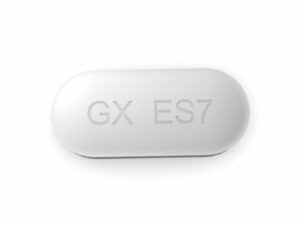
How it should look
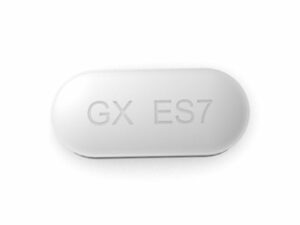
Appearance can vary by strength and manufacturer. If your tablets look different from usual, check the pack details (strength, colour, imprint) before taking.
2. How Advent DT works (mechanism of action)
Advent DT combines:
- Amoxicillin: a beta-lactam antibiotic that kills bacteria by interfering with bacterial cell wall formation.
- Clavulanic acid: a beta-lactamase inhibitor. Many bacteria produce enzymes called beta-lactamases that can break down amoxicillin and make it ineffective. Clavulanic acid helps prevent this breakdown, allowing amoxicillin to work more reliably.
Together, these components broaden coverage against bacteria that may otherwise resist amoxicillin alone.
3. Pharmacokinetics (what the body does to the medicine)
Pharmacokinetics describes absorption, distribution, metabolism, and elimination. While exact values can vary between individuals and tablet strengths, the key points below are typical for amoxicillin/clavulanate.
Absorption
- Amoxicillin and clavulanic acid are absorbed from the gut.
- Taking doses with food helps improve absorption and can reduce stomach upset.
Distribution
- Both components distribute into body tissues and fluids, including sites relevant to many infections.
- Clavulanic acid generally has different tissue distribution from amoxicillin, but both contribute to infection control.
Metabolism and elimination
- Amoxicillin is partly excreted unchanged via the kidneys.
- Clavulanic acid is metabolised and also cleared through the kidneys and other metabolic routes.
- People with reduced kidney function may require adjusted dosing.
4. What Advent DT is used for (indications)
Advent DT is used to treat infections where bacteria are likely to be susceptible to amoxicillin/clavulanate. Typical indications (examples) include:
- ENT (ear, nose, throat) infections such as sinusitis or certain ear infections
- Dental infections, including infections affecting the tooth/gums
- Respiratory tract infections such as some cases of chest infections where bacterial causes are suspected
- Skin and soft tissue infections
- Urinary tract infections (in selected cases, based on local guidance and susceptibility)
- Other bacterial infections as determined by a clinician, after considering symptoms, examination, and local resistance patterns
Antibiotics only work against bacterial infections. They do not treat viral illnesses like colds and most flu-like symptoms.
5. Typical use and when it starts working
Most people begin to feel some improvement within a few days, although the full course is often required to fully clear the infection.
If symptoms do not improve or worsen after a few days, contact a healthcare professional for advice. Persistent fever, severe pain, spreading redness, breathing problems, or signs of dehydration require prompt assessment.
6. How to take Advent DT (timing, dosing, and duration)
The correct dose depends on the infection being treated, your age, kidney function, and the specific strength of your tablets. Always use the dosing instructions provided with your pack.
General timing tips
- Try to take it at evenly spaced times to maintain effective levels.
- Take with food (start of a meal is often a good option) to reduce stomach upset.
- Complete the full course even if you feel better.
Dosing (example schedules)
Antibiotic dosing regimens can vary. Below are illustrative example patterns commonly used for amoxicillin/clavulanic acid products in adults and children; your exact regimen will be printed on your label. Do not rely on this table to set your own dose—always follow your prescription/label instructions.
| Patient group | Common frequency patterns (examples) | Notes |
|---|---|---|
| Adults | Two or three times daily (often twice daily) | Dose may be adjusted by infection type and severity, and by kidney function. |
| Children | Twice daily schedules are common | Dosing is often based on weight and the tablet strength must match the regimen. |
| Older adults | May be standard schedule | Extra attention may be needed if kidney function is reduced. |
If you miss a dose
- Take it as soon as you remember unless it is close to the next dose.
- If it’s nearly time for the next dose, skip the missed dose.
- Do not double the dose to make up for a missed one.
How to use dispersible/DT tablets (practical notes)
If Advent DT is a dispersible/DT tablet in your strength, the pack leaflet will describe the correct method (e.g., placing in water and dispersing, or dissolving as directed). Follow the instructions closely, including how much water to use and how to consume the dose promptly after dispersing.
7. Food interactions and meal advice
Food does not usually reduce effectiveness for amoxicillin/clavulanic acid. In fact, taking it with meals can:
- Improve absorption
- Reduce the chance of nausea or stomach discomfort
If you get an upset stomach, consider taking the dose at the start of a meal (or with a snack), rather than on an empty stomach.
8. Alcohol and medicine interactions
Alcohol
Moderate alcohol may not directly interact with amoxicillin/clavulanic acid in a clinically dramatic way for most people. However, alcohol can worsen side effects such as:
- Nausea
- Diarrhoea
- Dizziness or tiredness
For best recovery, consider avoiding alcohol while you are unwell and during the course of treatment.
Other medicine interactions (common considerations)
Some interactions can change levels of other medicines or affect bleeding risk, gut flora, or kidney handling. Tell your healthcare professional/pharmacist about all medicines you take, including over-the-counter products and herbal supplements.
- Oral anticoagulants (blood thinners) (e.g., warfarin): antibiotics may affect gut bacteria and bleeding tendency. Extra monitoring of clotting tests (INR) may be needed.
- Allopurinol: may increase the likelihood of skin reactions in some people.
- Probenecid: may affect kidney excretion of amoxicillin, potentially increasing levels.
- Methotrexate: antibiotics can affect kidney clearance; monitoring may be required.
- Oral contraceptives: while most antibiotics do not reliably reduce effectiveness, severe vomiting or diarrhoea can reduce absorption of contraceptives. If you experience significant GI upset, use additional contraception advice (seek guidance).
If you are taking any long-term medicines, confirm with a pharmacist for personalised interaction checks.
9. Safety profile: who should be cautious
Advent DT is generally well tolerated, but like all medicines it can cause side effects. The majority of side effects are mild and manageable, but some require urgent medical attention.
Do not take (or seek urgent advice) if:
- You have a known allergy to amoxicillin, clavulanic acid, or other penicillins/cephalosporins
- You previously had allergic reactions to beta-lactam antibiotics
- You have had liver problems related to amoxicillin/clavulanic acid in the past
Common side effects
- Diarrhoea (often mild)
- Nausea / indigestion
- Stomach discomfort
- Headache
Less common but important side effects
- Skin rash or itching
- Vaginal yeast infection (thrush) or oral thrush
- Elevated liver enzymes (usually detectable on blood tests)
Seek urgent help if you develop
- Signs of severe allergy (swelling of face/lips, trouble breathing, wheezing, severe rash or blistering)
- Severe, persistent diarrhoea (especially watery or bloody) or severe abdominal cramps
- Jaundice (yellowing eyes/skin), dark urine, or severe fatigue with illness (possible liver reaction)
- Unusual bruising/bleeding (rare; especially relevant if taking anticoagulants)
Pregnancy and breastfeeding
Amoxicillin/clavulanic acid is commonly used in pregnancy when clinically indicated. If you are pregnant, planning pregnancy, or breastfeeding, discuss the risks and benefits with a healthcare professional.
10. Practical use tips for better tolerance
- Take with food to reduce stomach upset.
- Stay hydrated, especially if you develop diarrhoea.
- Use a reminder (phone alarm) for dosing times.
- Do not stop early unless advised—partial treatment can allow bacteria to persist.
- Watch for diarrhoea. Mild loose stools can occur, but severe diarrhoea should be assessed promptly.
- Keep track of side effects and let your pharmacist know if they become troublesome.
- If your tablets are dispersible/DT: prepare and take the dose exactly as instructed for your tablet strength.
11. Alternative options
Alternatives depend on the infection, suspected bacteria, your allergy history, local resistance patterns, and whether cultures have been taken. For some bacterial infections, options may include other antibiotics such as:
- Amoxicillin alone (where clavulanate is not needed)
- Cephalosporins (only if appropriate and if allergy risk allows)
- Macrolides (e.g., for certain respiratory infections or penicillin alternatives)
- Other targeted antibiotics based on guidelines and susceptibility
For non-bacterial causes (viral infections, inflammatory conditions, some dental pain), antibiotic treatment may not help. A clinician may advise symptomatic care instead.
12. UK market and legal/regulatory context (overview)
In the United Kingdom, antibiotics are regulated medicines. Supply and use must follow UK medicines and prescribing regulations. Community use is guided by national and local antimicrobial stewardship efforts intended to reduce antibiotic resistance.
Antimicrobial stewardship matters: Using antibiotics only when needed, taking them correctly, and completing the course helps protect future effectiveness. If you are unsure whether your symptoms need antibiotics, contact a healthcare professional or use NHS advice services.
How guidance is typically updated in the UK
UK clinical guidance for antibiotic selection and duration is regularly reviewed by professional groups and reflected in national pathways and local formularies. Exact recommendations can vary depending on infection type and whether resistance patterns exist in your area.
13. Recent guidance and important considerations
Current UK antimicrobial guidance emphasises:
- Confirming bacterial likelihood where possible
- Correct first-line choices based on local susceptibility patterns
- Shortest effective duration to reduce side effects and resistance risk
- Reviewing treatment if there is no improvement or if symptoms worsen
- Considering patient-specific factors such as allergy history and kidney function
Follow the instructions on your label and consult a healthcare professional if you have concerns or side effects.
14. Delivery and availability (UK)
Advent DT may be available from online pharmacies subject to legal and regulatory requirements. Availability can vary by strength and pack size. Most online pharmacies provide:
- Clear product details including strength, form (e.g., dispersible/DT), and pack quantity
- Delivery estimates based on location and stock status
- Customer support for questions about product selection and safe use
If your order is time-sensitive (for example, you need to start treatment promptly), check the estimated delivery window shown at checkout. Ensure you store the tablets according to the pack instructions (typically in a cool, dry place, away from children).
15. FAQ — Frequently asked questions
Can I take Advent DT on an empty stomach?
It’s often better to take it with food to reduce stomach upset and improve tolerance. If the leaflet or your instructions allow it, you can take it with a snack if a full meal isn’t possible.
How long will it take to start working?
Many people notice improvement within 48–72 hours. If there is no improvement or symptoms worsen, seek medical advice. Some infections may take longer depending on severity and site.
What if I develop diarrhoea?
Mild diarrhoea can occur. However, severe diarrhoea (watery/bloody) or diarrhoea with significant abdominal pain should be assessed promptly. Stay hydrated and consult a clinician/pharmacist for guidance.
Is it safe to drive or operate machinery?
Most people can drive as normal while taking this antibiotic. If you feel dizzy, unwell, or experience side effects such as headache, avoid driving until you feel steady.
Can I drink alcohol while taking Advent DT?
Moderate alcohol may not directly interact for everyone, but it can worsen nausea, diarrhoea, and tiredness. For best recovery, consider avoiding alcohol during the course, especially if you are unwell.
Will Advent DT affect contraception?
Antibiotics generally do not reduce contraceptive effectiveness reliably. However, if you experience vomiting or severe diarrhoea, absorption of oral contraceptives may be reduced—follow advice from your pharmacist or the product guidance about what to do in that situation.
What should I do if I’m allergic to penicillin?
If you have had an allergic reaction to penicillin antibiotics, you should not take amoxicillin/clavulanic acid unless specifically advised by a healthcare professional. Seek urgent care if symptoms of severe allergy occur.
Can I take Advent DT with other medicines?
Some medicines may interact, particularly blood thinners (e.g., warfarin) or medicines that affect kidney clearance. Tell your pharmacist about your full list of medicines and supplements for personalised interaction checking.
What if my infection returns after finishing the course?
If symptoms come back, you may need reassessment. Do not restart antibiotics without advice. The cause may be resistance, incomplete treatment, a different organism, or a non-bacterial condition.
How should I store Advent DT?
Store as directed on the pack, typically below 25°C in a dry place, protect from moisture, and keep out of the reach of children. Check expiry date before use.
16. Summary
Advent DT (amoxicillin/clavulanic acid) is a penicillin-class antibiotic used for selected bacterial infections. It works by combining amoxicillin’s antibacterial action with clavulanic acid’s ability to block beta-lactamase enzymes produced by some bacteria. For best results and comfort, take doses with food, complete the course as instructed, and seek advice if you experience severe side effects or no improvement.