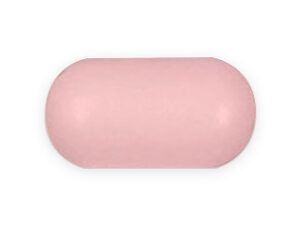



Fluvoxamine (SSRIs) – Patient-Friendly Guide (UK)
Fluvoxamine is a medicine most commonly used to treat obsessive-compulsive disorder (OCD) and related conditions. It belongs to a group of antidepressant medicines called selective serotonin reuptake inhibitors (SSRIs). This page explains what fluvoxamine is, how it works, how the body handles it, typical uses, timing, food and medicine interactions, safety information, and practical tips for getting the best results.
This information is designed to help you understand your medicine. It is not a substitute for advice from your healthcare professional or the instructions in the package information.
1) Basic product information
Generic name: Fluvoxamine
Medicine class: SSRI (Selective Serotonin Reuptake Inhibitor)
Common uses: OCD (and sometimes other anxiety-related conditions under specialist guidance)
How it may be taken: Tablets or capsules (formulation varies)
Brand availability: Different brands may exist depending on supply and manufacturer
| Category | Details |
|---|---|
| Therapeutic group | Antidepressant / anxiety medicine (SSRI) |
| Typical starting approach | Low dose, then gradual increase to improve tolerability |
| Common times of day | Often once daily in the evening; some regimens divide the dose |
| Onset of benefit | May take several weeks; OCD improvements often build gradually |
2) How fluvoxamine works (mechanism of action)
Fluvoxamine increases the levels and effects of serotonin in the brain by blocking the reuptake of serotonin at nerve endings. Serotonin is a chemical messenger involved in mood regulation, anxiety, and obsessive thoughts.
Over time, changes in serotonin signalling help reduce symptoms such as:
- Intrusive, unwanted thoughts (obsessions)
- Repetitive behaviours or mental rituals (compulsions)
- General anxiety and distress related to OCD
Like other SSRIs, fluvoxamine’s full benefit often develops gradually as the brain adapts to the medication.
3) Pharmacokinetics: what happens in the body
“Pharmacokinetics” describes how your body absorbs, distributes, metabolises, and clears a medicine. Key points for fluvoxamine include:
- Absorption: Fluvoxamine is absorbed after oral dosing. Food may influence the rate of absorption, and dosing guidance may differ between formulations.
- Distribution: It distributes throughout the body, including the brain where serotonin pathways are involved.
- Metabolism: Fluvoxamine is extensively metabolised by the liver (primarily via CYP enzymes). This is one reason it can interact with other medicines.
- Elimination: The medicine and its metabolites are removed mainly through metabolism and excretion. The effective “half-life” can be long enough that consistent daily dosing is important.
Because it is metabolised by the liver, fluvoxamine may require extra caution in people with liver impairment, and it may interact with other medicines that use the same metabolic pathways.
4) What fluvoxamine is typically used for (indications)
In the UK, fluvoxamine is most widely used for:
- Obsessive-compulsive disorder (OCD): A condition involving obsessions and/or compulsions that cause distress or interfere with daily life.
Sometimes, clinicians may consider SSRIs for other anxiety-related or mood conditions where appropriate. Whether fluvoxamine is suitable for a particular condition depends on your history, symptoms, and tolerability.
If you are unsure why you have been given fluvoxamine, ask your pharmacist or prescriber.
5) Timing and how to take fluvoxamine
The best timing depends on your formulation and how you respond. Many people take fluvoxamine once daily, but some dosing plans may use divided doses. Follow the instructions provided for your specific medicine.
Common practical timing patterns
- Once daily (often evening): Some people prefer evening dosing if they experience sleepiness or to help reduce daytime side effects.
- Divided dosing: If your schedule calls for more than one dose per day, try to keep the timing consistent.
- Consistency: Taking it at the same time each day supports steadier levels.
Missed dose guidance (general)
If you miss a dose, take it when you remember unless it is close to your next dose. Do not double up to make up for the missed dose.
If you are uncertain, contact your pharmacist for advice specific to your dosing schedule and formulation.
6) Food interactions and stomach comfort
Fluvoxamine can be taken with or without food depending on the product instructions. Some people find that taking it with food reduces nausea or stomach upset.
- Nausea: If you feel sick after taking fluvoxamine, try taking it with a meal or after food.
- Gastrointestinal effects: Mild diarrhoea or constipation may occur; hydration and a balanced diet can help.
- Formulation differences: Follow your package leaflet instructions for your specific tablet/capsule type.
If you have ongoing vomiting, severe diarrhoea, or cannot keep fluids down, seek medical advice promptly.
7) Alcohol and medicine interactions
Alcohol
It is generally recommended to avoid or limit alcohol while taking fluvoxamine. Alcohol can worsen side effects such as dizziness, drowsiness, reduced coordination, and mood changes. It may also make it harder to judge how well you are responding to treatment.
Important medicine interactions
Fluvoxamine is known for drug interactions due to liver enzyme effects and serotonin-related pathways. Tell your pharmacist or clinician about all medicines you take, including:
- Over-the-counter products (including cough/cold remedies)
- Herbal supplements (for example, St John’s wort)
- Vitamins and minerals
- Prescription medicines for other conditions
Particular caution may be needed with:
- Other serotonergic medicines (increases risk of serotonin-related side effects): for example other antidepressants, some migraine medicines, tramadol, linezolid, and certain medicines for nausea and pain.
- Monoamine oxidase inhibitors (MAOIs): combinations are usually avoided due to serious interaction risk.
- Medicines affecting bleeding risk: such as aspirin, warfarin, and some anti-platelet medicines. SSRIs may increase bleeding tendency in some people.
- Medicines metabolised by the liver: because fluvoxamine can influence liver enzymes, some blood levels of co-administered medicines may change.
- Antipsychotics and certain heart rhythm medicines: interactions may affect side effect risk.
- Some benzodiazepines and other sedatives: may have altered effects.
If you start, stop, or change the dose of any medicine, it is good practice to check interaction risk with your pharmacist.
8) Dosing: typical approach and titration
Dosing varies by individual, formulation, and condition severity. Clinicians commonly start at a lower dose and then increase gradually to improve tolerability and effectiveness.
General principles
- Start low, go slow: especially if you are sensitive to side effects.
- Gradual dose increases: allows your body to adjust and can reduce early discomfort.
- Individual tailoring: dose may depend on age, liver function, other medicines, and symptom response.
- Longer-term treatment: OCD symptom control may require several weeks or months.
Typical dose ranges (overview)
The exact dose for you should come from your healthcare professional and the medicine instructions. For reference, fluvoxamine dosing commonly falls into lower single-digit tens of milligrams per day at initiation, with adjustments upward depending on response and tolerability.
Do not adjust your dose without clinical guidance. If you are struggling with side effects or if you feel the dose is too high or too low, speak to your pharmacist or prescriber promptly.
9) Safety profile: side effects and when to seek help
Common side effects
Many side effects improve after the first 1–2 weeks as your body adapts. Common effects may include:
- Nausea or indigestion
- Headache
- Dizziness
- Sleep changes (sleepiness or insomnia)
- Fatigue or agitation
- Dry mouth
- Constipation or diarrhoea
- Increased sweating
- Reduced appetite
Sexual side effects
Some SSRIs may cause changes in sexual function, such as reduced libido or difficulty achieving orgasm. These effects can be discussed with your healthcare professional if they occur.
Serious but less common risks
Seek urgent medical advice if you experience symptoms that could indicate a serious reaction, such as:
- Serotonin syndrome: fever, confusion, severe agitation, sweating, tremor, diarrhoea, or muscle stiffness
- Severe allergic reaction: swelling of the face/lips, difficulty breathing, rash with blistering
- Unusual bleeding: black stools, vomiting blood, or unexplained bruising
- Mania or hypomania: unusually elevated mood, reduced need for sleep, racing thoughts, risky behaviour
- Hyponatraemia (low sodium): severe headache, weakness, confusion, or seizures (more likely in some older adults)
- Worsening suicidal thoughts: especially in younger people early in treatment or after dose changes
If you feel unsafe or have thoughts of harming yourself, seek immediate help. In the UK, you can contact emergency services or use urgent mental health support.
10) Practical use tips for better results
What to expect in the first weeks
Many people notice side effects early on before symptom improvement. For OCD, improvement may be gradual. A steady routine and giving the treatment time (while monitoring tolerability) can be important.
Follow a routine
- Take fluvoxamine at the same time each day.
- Keep track of side effects and symptom changes (a simple note app or diary can help).
- If you feel unwell after starting, speak to your pharmacist rather than stopping abruptly.
Do not stop suddenly
Stopping SSRIs abruptly can lead to discontinuation symptoms in some people (for example dizziness, nausea, irritability, sensory disturbances, or sleep changes). If discontinuation is needed, it is usually done gradually with guidance.
Management of common early effects
- Nausea: consider taking after food and stay hydrated.
- Sleep changes: try adjusting dosing time (only if suitable for your instructions) and maintain good sleep hygiene.
- Headache or jitteriness: ensure adequate fluid intake and report persistent severe symptoms.
11) Alternatives to fluvoxamine (UK options)
If fluvoxamine is not suitable or does not provide enough benefit, clinicians may consider other options. Alternatives may include:
Other SSRIs used for OCD/anxiety
- Sertraline
- Fluoxetine
- Citalopram / Escitalopram (choice depends on individual factors)
Other treatment approaches
- Psychological therapies: especially cognitive behavioural therapy (CBT) with exposure and response prevention (ERP) for OCD
- Combination strategies: medication plus structured therapy may improve outcomes for some people
- Specialist options: in treatment-resistant cases, specialist review may consider other medication classes
Your best alternative depends on your symptom profile, previous response, side effect history, and other medicines you take.
12) UK market and legal context
In the United Kingdom, fluvoxamine is an established medicine and is supplied under UK pharmaceutical regulatory standards. Availability can vary by formulation and supply chain conditions.
Like all medicines, fluvoxamine is subject to UK medicines regulation and quality requirements. Online pharmacies in the UK should comply with applicable regulations for safe supply, identity checks where required, and transparent product information.
Guidance for OCD and anxiety management in the UK commonly emphasises patient-centred care, psychological therapy where appropriate, and careful monitoring of SSRI benefits and side effects.
13) Recent guidance and monitoring (what to expect)
UK mental health guidance generally supports SSRIs as part of evidence-based OCD management, with:
- Assessment of symptom severity and functional impact
- Shared decision-making about medication choice, dose, and expected time to benefit
- Monitoring early in treatment for side effects and changes in mood or behaviour
- Consideration of therapy such as ERP-based CBT where available
Medication plans should be reviewed regularly, especially during the first weeks or after dose changes. If you experience new or worsening symptoms, contact your healthcare professional.
14) Delivery, availability, and how online pharmacies may supply
Delivery options depend on the specific online pharmacy service you choose and may include:
- Standard delivery: typically within a few working days
- Express options: where available, based on region and stock
- Stock checking: some suppliers may confirm availability before dispatch
Availability may vary for particular strengths or formulations. If a product is temporarily unavailable, the pharmacy may offer an alternative strength or manufacturer where permitted, or advise on next steps.
Always check product details carefully on arrival, including strength, expiry date, and whether the appearance matches what you ordered.
15) FAQ about fluvoxamine
How long does it take for fluvoxamine to work?
Some people notice changes early, but for OCD the main benefits often develop gradually over several weeks. It may take longer to see full effect, depending on the dose and individual response.
Can I take fluvoxamine at night?
Many people take it in the evening. Whether this is suitable for you depends on your dosing schedule and how you respond. Follow the instructions provided for your specific regimen.
Will fluvoxamine make me feel drowsy?
Sleepiness or insomnia can occur. Some people find taking it later helps with daytime drowsiness, while others feel more alert when taken at a certain time. If sleep-related side effects persist, speak to your pharmacist.
Is fluvoxamine safe with painkillers?
Many painkillers are compatible, but it depends on the exact medicine. Some combinations may increase bleeding risk or affect serotonin pathways. Tell your pharmacist which painkiller you use (including over-the-counter products).
Can I drink alcohol while taking fluvoxamine?
It is generally recommended to avoid or limit alcohol. Alcohol can worsen side effects and may affect mood and coordination.
What happens if I miss a dose?
Take it when you remember unless it is near the time for your next dose. Do not take a double dose to make up for a missed one. If you are unsure, ask your pharmacist.
Can I stop fluvoxamine suddenly?
Stopping suddenly may cause discontinuation symptoms in some people. If you want to stop or change treatment, discuss a gradual plan with a healthcare professional.
Does fluvoxamine interact with herbal remedies like St John’s wort?
Yes. St John’s wort can affect serotonin levels and may increase the risk of side effects. Always inform your pharmacist about herbal products.
Who should take extra care with fluvoxamine?
Extra caution may be needed if you have liver problems, a history of bipolar disorder or mania, seizure history, or low sodium. Also consider interaction risk if you take multiple medicines.
What should I do if I experience severe side effects?
If you have symptoms such as signs of a serious allergic reaction, serotonin syndrome, heavy bleeding, or severe worsening of mood, seek urgent medical help. Contact your healthcare professional or emergency services as appropriate.