
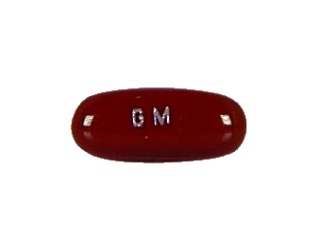


Lamprene (Clofazimine) – Patient Information (UK)
Lamprene is a medicine containing clofazimine. It is used to treat certain serious infectious conditions, particularly leprosy and, in some circumstances, other infections where this medicine is appropriate. This guide explains what Lamprene is, how it works, how it’s taken, and what to watch for.
Always follow the advice of your healthcare professional and the information on your medicine label. If you have questions about your individual treatment, ask your clinician or pharmacist.
1. Basic product information
| Product name | Active ingredient | Common form | Typical use area |
|---|---|---|---|
| Lamprene | Clofazimine | Oral capsules | Serious infections such as leprosy |
- Medicine class: Anti-mycobacterial agent (antibacterial/antileprosy medicine)
- How it’s usually supplied: Capsules for oral use
- Where it’s used: Typically within combination regimens for leprosy and other specialist indications
2. How Lamprene works (mechanism of action)
Clofazimine is active against Mycobacterium leprae (the bacterium that causes leprosy) and some other mycobacterial organisms. Its action is linked to how it affects the bacteria inside the body.
- Reduces bacterial survival: Clofazimine is thought to interfere with processes the bacteria need to live and reproduce.
- Targets metabolism in the bacterium: It accumulates preferentially in infected tissues and can disrupt cellular functions.
- Supports combination therapy: In leprosy, Lamprene is typically used alongside other agents to reduce resistance and improve cure rates.
Key point: Clofazimine is not generally used alone for leprosy. It is usually part of a planned treatment regimen designed by specialists.
3. Pharmacokinetics (how your body handles it)
Pharmacokinetics describes what happens to the medicine after you take it—how it is absorbed, distributed, broken down, and eliminated.
- Absorption: Clofazimine is absorbed variably from the gut. Taking it as directed helps maintain consistent exposure.
- Distribution: It distributes widely into body tissues and has a tendency to accumulate due to its chemical properties.
- Metabolism: Clofazimine undergoes metabolism in the body.
- Elimination: It is eliminated slowly, meaning it may remain in the body for a long time after starting treatment—and also after stopping.
- Half-life: Because of its slow elimination, the effects and side effects can persist while on treatment and sometimes after.
Practical implication: Because the medicine stays in tissues, side effects—especially skin-related ones—may develop gradually and may take time to improve even after treatment changes.
4. What Lamprene is used for (indications)
Lamprene (clofazimine) is used for infections caused by certain bacteria, most notably:
- Leprosy (Hansen’s disease): Clofazimine is used as part of multi-drug treatment regimens. It is particularly associated with treatment of multibacillary leprosy in many guidelines and national programmes.
- Other specialist uses: In some settings, clofazimine may be used for other infections where it is considered beneficial under specialist direction.
This page is for general information. Your exact treatment plan depends on your diagnosis, severity, and local guidance.
5. When and how to take Lamprene (timing & dosing approach)
Lamprene is taken by mouth. The exact dose and schedule depend on your condition and the regimen you are prescribed. Typical dosing information used in practice may include different strengths and schedules depending on whether the regimen is for adults and/or children.
Typical dosing principles
- Follow your regimen: Leprosy treatment regimens are often adjusted and monitored over time.
- Consistency matters: Try to take your capsules at the same times each day.
- Full course is important: Even if you feel better, completing the course helps prevent relapse and reduces the chance of resistance.
How to take it
- Swallow capsules whole with water.
- If you have difficulty swallowing, speak to your pharmacist for advice (do not alter capsules unless instructed).
- If you miss a dose, take advice from your prescriber or pharmacist on what to do next. Do not take double doses unless advised.
Note: In leprosy regimens, clofazimine may be started with a particular schedule and then changed over time. Your healthcare professional will specify the plan for you.
6. Food interactions (can you take it with meals?)
For many people, medicines like clofazimine can be taken with or without food, but individual product advice and your prescriber’s instructions should be followed.
- Take as directed: If your label says “with food” or “after food,” follow that guidance.
- Stomach comfort: If you experience nausea or stomach upset, taking it with a light meal may help.
- Absorption considerations: If you are advised about specific timing relative to other medicines, follow that plan carefully.
If you want to confirm the best routine for you, ask your pharmacist, especially if you have other long-term medicines or dietary restrictions.
7. Alcohol and medicine interactions
Alcohol
Lamprene may not have a single specific “no-alcohol” rule for every patient, but alcohol can worsen side effects such as fatigue, dizziness, or gastrointestinal upset. It can also interfere with how well you feel while you’re taking treatment for a serious condition.
- Recommendation: If you drink alcohol, do so sparingly and avoid binge drinking.
- Watch symptoms: If alcohol seems to worsen nausea, abdominal discomfort, or general wellbeing, consider avoiding it.
Other medicines (important interactions)
Clofazimine can interact with other medicines due to how drugs affect the body (including metabolism and effects on the gut/liver). Interaction risk is also influenced by your kidney/liver function and the other medicines you take.
- Tell your pharmacist/doctor all medicines you take: Include prescription medicines, over-the-counter products, herbal remedies, and supplements.
- Extra caution with QT-prolonging medicines: Some medicines can affect heart rhythm. If you take any heart rhythm medicines or have a history of rhythm problems, seek personalised advice.
- Other anti-infectives or immunomodulators: Combination regimens for infection may require careful coordination.
- St John’s wort and similar products: Herbal products can affect drug levels; discuss before use.
Action step: Provide your complete medication list when your treatment is started and at reviews. If you are unsure about any interaction, ask your pharmacist.
8. Safety profile: side effects and what to do
Like all medicines, Lamprene can cause side effects. Many are manageable, but some require urgent medical attention.
Common and expected effects
One of the most well-known features of clofazimine is skin and body-fluid changes.
- Skin discolouration: Clofazimine can cause red-brown or brown discoloration of the skin. This can develop gradually.
- Dryness and itching: Some people experience dry skin or itching.
- Changes in body fluids: It may cause reddish-brown discolouration of tears, urine, stool, sweat, or saliva. This is usually not harmful but can be surprising.
- Gastrointestinal symptoms: Nausea, abdominal discomfort, or reduced appetite may occur.
- Fatigue or malaise: Feeling tired can happen, especially early on.
Less common but important effects
- Severe abdominal symptoms: Severe or persistent abdominal pain, vomiting, or diarrhoea should be assessed promptly.
- Blood count changes: Rarely, blood tests may show abnormalities; this may be monitored depending on your regimen.
- Heart rhythm issues: Rarely, medicines in this category can affect electrical activity of the heart. Seek help if you have fainting, severe dizziness, or palpitations.
- Allergic reactions: Seek urgent advice for rash with swelling of face/lips, breathing difficulty, or sudden widespread hives.
When to get urgent medical help
- Breathing difficulties, swelling of face/lips/tongue, or severe allergic reaction signs
- Severe abdominal pain, persistent vomiting, or blood in vomit/stool
- Fainting, severe dizziness, or chest pain
- High fever with worsening symptoms or signs of severe infection
Monitoring: Your clinician may schedule blood tests or follow-up visits, particularly if you’re on long treatment courses.
9. Practical tips for using Lamprene
The goal is to maximise benefit and reduce avoidable side effects. The tips below can help you stay comfortable while taking clofazimine.
Managing skin changes
- Expect gradual changes: Discolouration often develops over time.
- Moisturise and protect skin: Use moisturisers to reduce dryness and itching.
- Sun protection: Wear clothing that covers skin and use broad-spectrum sunscreen (SPF 30+), especially if you notice increased sensitivity.
- Itch management: Emollients and gentle skin care may help; ask your pharmacist about suitable options.
Body-fluid discolouration
- Reassurance: Tears, urine, and sweat may become reddish-brown.
- Hygiene: Be aware that clothing and bedding may stain; consider protective bedding where practical.
- Seek advice if unusual: Discolouration alone is expected; however, combine it with symptoms like pain, burning, or fever should be reviewed.
Reducing gastrointestinal upset
- Take with food if needed: If your stomach feels unsettled, taking with a light meal may help.
- Hydrate: Drink water regularly.
- Report persistent symptoms: Ongoing severe nausea, diarrhoea, or abdominal pain should be discussed promptly.
Adherence and follow-up
- Keep a schedule: Use reminders to avoid missed doses.
- Don’t stop suddenly without advice: If you feel unwell or want to stop due to side effects, speak to your pharmacist or clinician first.
- Attend reviews: Long-term infections often require structured follow-up.
10. Alternative options (discuss with your clinician)
Alternative treatments depend on the underlying condition and the severity/type of infection. For leprosy, treatment is commonly multi-drug and may include medicines such as:
- Rifampicin
- Dapsone
- Other specialist regimens based on national protocols and individual needs
If Lamprene isn’t suitable (for example, due to side effects or interactions), your healthcare professional may adjust the regimen. Alternatives for other infections—where clofazimine may be used in special circumstances—can also differ.
Important: Do not switch medicines without medical guidance, particularly in leprosy where regimen structure matters.
11. UK market and legal context (high-level)
In the United Kingdom, availability and prescribing rules for medicines like clofazimine are governed by medicines legislation and the roles of healthcare professionals. Lamprene is typically managed through standard UK healthcare pathways for infectious disease treatment.
- Healthcare oversight: Specialist review is usually involved for serious infections.
- Medicines supply: Supply of established medicines may vary based on stock and licensing arrangements.
- Quality assurance: Medicines offered through licensed channels meet UK standards for manufacture and distribution.
Recent guidance note: Leprosy management in the UK follows national and international public health guidance. Regimens may evolve as expert groups update protocols. Your clinician will use the most up-to-date approach for your specific condition.
12. Delivery and availability in the UK (what to expect)
Availability can vary based on supplier lead times and stock levels. When ordering through an online pharmacy website, you typically can expect:
- Stock checks: Many services check availability before dispatch.
- Dispatch times: Orders are usually dispatched within a set working-day window if in stock.
- Delivery method: Royal Mail or a courier service depending on the pharmacy’s process and the product.
- Packaging: Medicines are shipped in appropriate packaging to protect capsules and comply with regulations.
Tip: If you need a medicine by a specific date (e.g., to avoid missing doses), contact the pharmacy’s customer service to confirm dispatch timelines.
13. FAQ – Lamprene (Clofazimine)
1) How long does it take for Lamprene to work?
For leprosy and other infections, improvement can take time. Symptom relief and reduction in bacterial activity may be gradual, and treatment courses can be months or longer depending on diagnosis and regimen. Follow-up appointments are important to track progress.
2) Why is my skin turning red-brown?
Clofazimine can cause skin discoloration as a known side effect. It often appears gradually and may persist for a while. If you develop severe rash, blistering, or worsening symptoms, seek medical advice promptly.
3) Will it stain my clothes or bedding?
Yes, it can. Clofazimine may cause reddish-brown discolouration of sweat and other body fluids, which can stain fabrics. Using protective sheets and wearing clothing you don’t mind staining can help.
4) Can I take Lamprene with meals?
Many people can take it with or without food, but you should follow the exact instructions on your medicine label. If you get nausea or stomach upset, taking it with food may help.
5) What should I do if I miss a dose?
Because dosing schedules vary by regimen, the safest advice is to contact your pharmacist for instructions. In general, avoid taking double doses unless specifically told to do so.
6) Does alcohol affect Lamprene?
Alcohol may worsen side effects such as nausea or fatigue. If you choose to drink, keep it moderate and stop if you notice symptoms worsening. If you’re unsure, ask your pharmacist for personalised advice.
7) Are there any medicines I should avoid?
Clofazimine can interact with other medicines. Tell your pharmacist about everything you take, including over-the-counter products and herbal remedies. If you take medicines for heart rhythm, infection, or immune conditions, do not assume they are safe together—check first.
8) What monitoring might I need?
Your clinician may monitor your progress and may do blood tests depending on your regimen and overall health. If you experience concerning symptoms (particularly severe abdominal symptoms, rash, or heart-related symptoms), contact your healthcare team.
9) Can the side effects improve after stopping?
Some effects—especially skin discolouration—may take time to fade because clofazimine stays in tissues for a while. Many side effects improve as treatment ends, but the timing varies by person.
10) Is Lamprene suitable for everyone?
Clofazimine is not suitable for everyone. Your clinician will consider your medical history, current medicines, liver function, and any past reactions. If you have a history of severe drug reactions or significant underlying health problems, discuss this before starting.
Summary
Lamprene (clofazimine) is a medicine used mainly for leprosy as part of combination regimens and can be used in specialist treatment of certain infections. It works by targeting the bacteria responsible for these conditions. Because it is eliminated slowly, side effects may develop gradually and may take time to settle after changes in treatment.
- Common effects: skin discolouration, dryness/itching, gastrointestinal upset, and reddish-brown body-fluid discolouration.
- Seek urgent help: breathing difficulty, severe rash, severe abdominal pain, fainting or severe dizziness.
- Practical care: moisturise, use sun protection, manage stomach upset, and keep follow-up appointments.
If you have concerns about side effects, missed doses, or possible interactions with other medicines, speak to your pharmacist or healthcare professional as soon as possible.