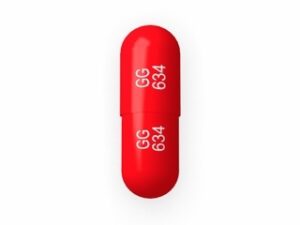
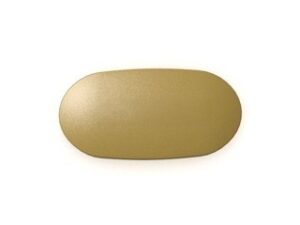
Copegus (Ribavirin) — Patient Information (UK)
Copegus contains ribavirin, an antiviral medicine used in combination with other therapies to treat certain chronic viral infections. This page explains how Copegus works, how it is taken, important safety information, and practical advice for everyday use in the UK.
Always follow the instructions provided by your healthcare professional and the information in the medicine’s leaflet.
1) Basic product information
- Medicine name: Copegus
- Active ingredient: Ribavirin
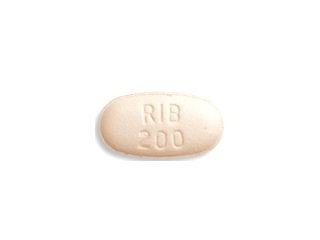
- Medicinal form (commonly available): Tablets or capsules (strengths may vary by pack)
- Who it is for: Adults with specific viral conditions when used as part of a combination regimen
- How it is used: Usually taken orally, in combination with other antiviral medicines
Copegus is designed to be used as part of a combination treatment. Ribavirin alone is generally not used for viral cure in the way combination regimens are.
2) How Copegus works (mechanism of action)
Ribavirin is a nucleoside analogue (“building-block”–like drug) with antiviral activity against a range of viruses. While the exact mechanism can vary by virus, ribavirin’s overall effects include:
- Interfering with viral replication: It affects how viruses copy their genetic material.
- Disrupting viral RNA processing: It can interfere with steps needed for viral growth and spread.
- Immunomodulatory effects: It may support the body’s antiviral response.
In many regimens, ribavirin helps improve overall antiviral effectiveness when combined with other agents that target the virus in different ways.
3) Pharmacokinetics — what the body does to ribavirin
Pharmacokinetics describes how a medicine is absorbed, distributed, broken down, and eliminated.
| Topic | What to know (general) |
|---|---|
| Absorption | Ribavirin is absorbed from the gut after oral dosing. The body’s exposure can vary between individuals. |
| Distribution | It distributes widely in the body, including into red blood cells. Ribavirin is known for persisting in the body longer than many other medicines. |
| Half-life | Ribavirin has a long elimination phase, particularly because of uptake into red blood cells. This influences how quickly blood levels fall after stopping. |
| Metabolism | It is metabolised mainly through phosphorylation and other pathways. |
| Elimination | Primarily excreted via the kidneys. Kidney function affects exposure and safety. |
Clinical implication: Because ribavirin persists and affects red blood cells, dose adjustments and careful monitoring are important, especially if kidney function is reduced.
4) Typical use in the UK — indications and when Copegus may be used
In the UK, ribavirin is used as part of combination therapy for certain viral infections. The exact regimen depends on:
- the viral type and genotype (when relevant to the regimen)
- the presence of liver scarring (fibrosis/cirrhosis)
- previous treatment history
- overall health, including kidney function
Commonly, ribavirin has been used for chronic hepatitis C in combination regimens historically, including with interferon-based strategies. In modern practice, many patients are treated with newer directly acting antivirals (DAAs) where ribavirin may or may not be included depending on the clinical situation.
Always check your specific regimen details with your clinician and the treatment plan supplied with your medicines.
5) Timing and how to take Copegus
Taking ribavirin consistently helps maintain effective drug levels and reduces the risk of treatment failure.
When to take it
- Take at the times your regimen specifies (commonly split doses per day depending on your prescription plan).
- Try to take it at the same times daily to keep levels steady.
- If you need to adjust timing due to routine changes, discuss it with your healthcare professional.
How to swallow tablets/capsules
- Follow the packaging/leaflet instructions for your specific formulation.
- Swallow with water; do not crush or chew unless the leaflet specifically allows it.
- Use a consistent method (e.g., with or without food) if your regimen recommends one.
If you miss a dose
- Do not take a double dose to make up for a missed one.
- Contact your healthcare professional or pharmacist for advice if you miss a dose, especially if it’s close to your next dose.
6) Food interactions and taking with meals
For ribavirin, food can affect absorption and may influence how much medicine the body takes in. General guidance includes:
- Take with food if advised by your leaflet or clinician. Some regimens recommend dosing with meals to improve tolerability or absorption.
- If your instructions state to take it with food, aim to take each dose with a meal or snack.
Important: Follow the specific instructions you were given for your treatment plan. If you’re unsure whether to take your doses with food, ask your pharmacist.
7) Alcohol and medicine interactions
Alcohol
Alcohol can worsen liver disease and may increase the risk of liver complications in people being treated for viral hepatitis. For many patients, avoiding alcohol during treatment is strongly recommended.
- If you currently drink alcohol, discuss safe limits with your clinician.
- Seek help early if you find it difficult to reduce or stop drinking.
Medicine interactions (general)
Ribavirin interacts with some medicines, primarily through effects on blood counts and/or other metabolic pathways. Notable interaction categories can include:
- Other antivirals used in combination regimens (specific interaction profiles depend on the partner medicines).
- Medicines affecting immunity or blood counts.
- Medicines that may harm the kidneys, where kidney function impacts ribavirin levels.
- Drugs that increase the risk of anaemia or affect red blood cell production.
Practical advice:
- Provide a full list of your medicines (including over-the-counter products and supplements) to your healthcare professional.
- Ask a pharmacist if you’re starting a new medicine while on ribavirin.
Examples of items to mention
- Antacids and acid-reducing medicines
- Antibiotics or antifungals
- Medicines for HIV or other viral infections
- Immunosuppressants
- Herbal remedies
Always check the leaflet and seek advice before combining medicines.
8) Dosing — what typical dosing may involve
Dosing for ribavirin can vary substantially based on the combination regimen, viral condition, and patient factors such as body weight and kidney function.
Do not change your dose unless your healthcare professional instructs you. Dose reductions may be needed for safety, particularly if blood counts drop.
Typical dosing principles
- Weight-based dosing is commonly used in many ribavirin regimens.
- Kidney function adjustment may be required because ribavirin is cleared through the kidneys.
- Doses are often split into two daily administrations to improve tolerability and maintain steadier levels.
Monitoring may influence dosing
Ribavirin frequently causes anaemia (low red blood cell count). If anaemia develops, your clinician may:
- reduce the dose
- temporarily pause treatment
- stop treatment in some cases
Practical tip: Attend all blood tests scheduled during treatment and report symptoms promptly (see Safety Profile section).
9) Safety profile — important risks and side effects
Like all medicines, Copegus can cause side effects. Some are common and manageable, while others require urgent medical attention.
Common side effects
- Anaemia (tiredness, weakness, breathlessness)
- Headache
- Fatigue
- Nausea or stomach discomfort
- Rash or skin irritation
- Insomnia or mood changes in some people
- Reduced appetite
Note: Side effects can also come from the other medicines in your combination regimen. Your overall experience may depend on the partner drugs.
Serious risks (seek medical advice urgently)
- Severe anaemia: marked tiredness, dizziness, chest pain, fainting, or significant breathlessness
- Chest pain or shortness of breath that is new or worsening
- Severe allergic reaction: swelling of face/lips, trouble breathing, widespread rash with hives
- Worsening depression or suicidal thoughts (important during antiviral treatment in some regimens)
Blood tests and monitoring
Monitoring is an essential part of ribavirin safety. Your healthcare team may check:
- Full blood count (especially haemoglobin/anaemia)
- Kidney function
- Liver function
- Other parameters based on your combination treatment
Pregnancy and contraception (very important)
Ribavirin can cause harm to an unborn baby. It is crucial to use effective contraception during treatment and for a period after stopping.
- People who can become pregnant: must use effective contraception during treatment and follow the post-treatment period guidance provided by your clinician.
- Partners of people who can become pregnant: must also follow contraception guidance.
- If pregnancy occurs, contact your healthcare team immediately.
Because the timing of contraception requirements can differ based on regimen and sex-specific guidance, follow the specific instructions you received.
Breastfeeding
If you are breastfeeding, discuss the risks and benefits with your clinician. Ribavirin may not be suitable during breastfeeding depending on your individual situation.
10) Practical use tips for day-to-day success
- Plan for anaemia-related fatigue: schedule rest periods and avoid driving/operating machinery if you feel dizzy or significantly tired.
- Stay hydrated: adequate fluid intake supports general health, especially if you experience nausea.
- Track symptoms: note fatigue, breathlessness, mood changes, or rash and report them early.
- Keep a medication list: include all other medicines and supplements for quick checking.
- Don’t skip blood tests: dose adjustments often rely on results.
- Use pill reminders or a blister organiser to prevent missed doses.
11) Alternative options
Whether you need ribavirin depends on the specific diagnosis and the treatment plan. In many viral hepatitis cases, especially chronic hepatitis C, newer regimens may be used that do not always require ribavirin.
Possible alternatives (depends on indication)
- Direct acting antivirals (DAAs) — modern regimens often use combinations targeting specific viral proteins.
- Interferon-free regimens — frequently preferred due to improved tolerability.
- Supportive and monitoring strategies — treating side effects (e.g., anaemia) and optimising tolerability.
Your clinician can explain which alternatives are appropriate for you based on your viral type, past treatment, and liver/kidney status.
12) United Kingdom market and legal/regulatory context (patient-friendly)
In the UK, medicines are regulated to ensure quality, safety, and effectiveness. Ribavirin-containing products such as Copegus are authorised and monitored by the UK medicines system. Availability can vary based on:
- licensed supply arrangements
- batch availability and distribution
- changes in recommended clinical regimens over time
Because ribavirin is a high-risk medicine for specific safety concerns (notably pregnancy risk and blood count effects), it is managed under healthcare oversight with structured monitoring. Treatment decisions should be coordinated by clinicians familiar with the condition and the full regimen.
Recent guidance (high-level): UK clinical practice for viral hepatitis has evolved strongly toward regimens that may be more tolerable and shorter, and that may or may not include ribavirin depending on patient factors. Your clinician will use the latest available guidance and local protocols.
13) Delivery and availability (online pharmacy considerations in the UK)
Availability of Copegus can depend on stock levels and supplier lead times. When ordering online in the UK, you may see options such as:
- Standard delivery (typical working days)
- Next day or express delivery (where available)
Storage: Follow the storage conditions on the outer packaging (commonly room temperature and away from moisture/heat). Keep medicines out of sight and reach of children.
Packaging and labels: Ensure you check the strength and form match what your regimen requires.
14) FAQ
What is Copegus used for?
Copegus (ribavirin) is an antiviral medicine used as part of combination treatments for specific viral infections. The exact indication and regimen depend on your diagnosis and clinical history.
Why is Copegus often used with other medicines?
Combination therapy is commonly used to improve antiviral effectiveness. Partner medicines target the virus through different mechanisms, and ribavirin may help enhance treatment response.
How long will I need to take ribavirin?
Treatment duration varies depending on your condition, regimen, and response to therapy. Your healthcare professional will give a timeline tailored to you.
How soon will I feel side effects?
Side effects can appear within days to weeks. Anaemia-related fatigue may develop gradually. Monitoring helps detect problems early.
Does ribavirin cause anaemia?
Yes. Anaemia is one of the most important and common risks. Your healthcare team will monitor your blood counts and may adjust dosing if necessary.
Can I drink alcohol while taking Copegus?
It’s strongly recommended to avoid or minimise alcohol during treatment, especially if you have liver disease. Alcohol can worsen liver health and increase the risk of complications.
What should I do if I miss a dose?
Do not take a double dose. Contact your pharmacist or healthcare team for advice, particularly if you are unsure about timing.
Is it safe in pregnancy?
Ribavirin can cause harm to an unborn baby. Effective contraception is essential during treatment and for a period after stopping. Follow your clinician’s specific contraception guidance.
Can I take Copegus with food?
Food instructions may vary by regimen. If your instructions say to take ribavirin with food, do so consistently to support absorption and tolerability.
What medicines should I avoid?
Interaction risk depends on what you are taking. Always provide your full medication list to your pharmacist, including over-the-counter products and supplements. If you start a new medicine, ask whether it is compatible.
Who should be extra careful?
Extra caution is needed if you have reduced kidney function, significant anaemia, significant heart disease, or a history of mood disorders. Monitoring may be more frequent.
How is Copegus different from other hepatitis C medicines?
Some newer hepatitis C treatments may not require ribavirin. Ribavirin has its own safety considerations and is used selectively depending on treatment choice and patient factors.
Need help? If you have questions about how to take Copegus, managing side effects, or interactions with your other medicines, speak to a pharmacist or your healthcare team.