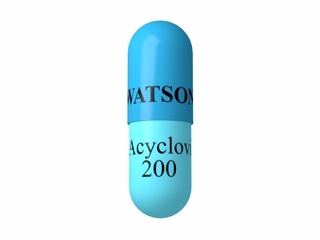
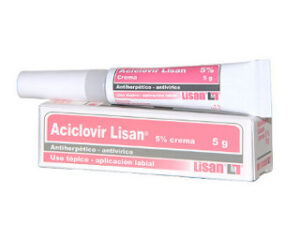
Aciclovir (Acyclovir) – Patient-Friendly Guide (UK)
Aciclovir (also spelled acyclovir) is an antiviral medicine used to treat certain infections caused by herpes viruses. Depending on the form you use—such as cream, tablets, suspension, or injections—aciclovir can help reduce symptoms, speed healing in some cases, and lower the risk of complications.
This page explains what aciclovir is, how it works, how it behaves in the body, typical uses, dosing considerations, food and alcohol interactions, important safety information, practical tips, and common questions. It is written for people in the United Kingdom.
Basic product information
| Topic | Details |
|---|---|
| Generic name | Aciclovir (acyclovir) |
| Medicine type | Antiviral (anti-herpes virus) |
| Common forms in the UK | Tablets, suspension (child-friendly oral liquid), cream/ointment (often for skin), and injections in hospital settings |
| Common brand names | May vary by manufacturer and availability |
| Common targets | Herpes simplex viruses (HSV-1/HSV-2), and some formulations/clinical pathways for herpes zoster (shingles) |
| Typical availability | Prescription-only for many indications; some topical products may be available via UK pharmacy routes depending on formulation |
How aciclovir works (mechanism of action)
Aciclovir is a nucleoside analogue. In simple terms, it mimics a building block that viruses need to copy themselves. The key steps are:
- The virus produces an enzyme (for example, viral thymidine kinase in herpes virus infections). This helps “activate” aciclovir inside infected cells.
- Activated aciclovir is then incorporated into the viral DNA.
- This halts viral DNA replication, stopping the virus from multiplying.
Because aciclovir relies on viral activation, it tends to be more effective in infected cells than in healthy cells. Results are typically best when treatment starts early.
Pharmacokinetics: what the medicine does in the body
Pharmacokinetics describes how the body absorbs, distributes, metabolises, and clears a medicine. The key points for aciclovir are:
- Absorption: Oral tablets/suspension are absorbed through the gut, but the amount absorbed can vary by individual and food intake. Topical creams work locally on the skin.
- Distribution: Aciclovir can distribute into body tissues and fluids, including certain areas affected by herpes viruses. This is one reason oral or injection forms are used for more widespread infections.
- Metabolism: Aciclovir is only minimally metabolised in the body.
- Elimination: It is mainly cleared by the kidneys via urine. Kidney function is therefore important when dosing, especially in older people or those with reduced renal function.
- Time course: Antiviral effects depend on sufficient drug levels at the infection site—supporting the need for appropriate timing and regular dosing.
Typical uses and indications in the UK
Aciclovir is used to treat infections caused by herpes viruses. Exact indications can differ by formulation and clinical setting. Common uses include:
1) Herpes simplex virus (HSV)
- Cold sores (herpes labialis): to reduce duration and symptoms when started early.
- Genital herpes (HSV-2 or HSV-1): to treat outbreaks and, in some cases, help reduce recurrence depending on the plan recommended by a healthcare professional.
- Recurrent HSV: some people benefit from suppressive approaches over time (individualised).
2) Shingles (herpes zoster)
Oral aciclovir may be used for shingles, particularly when started promptly. Treatment is most effective when begun early after rash onset.
3) Special situations
- In hospital or specialist care, aciclovir injections may be used for severe or complicated herpes virus infections.
- Some patients who are immunocompromised may require tailored dosing and monitoring.
If you are unsure whether aciclovir is suitable for your symptoms or whether your infection is caused by a herpes virus, seek medical advice. Correct diagnosis is important because other causes can mimic herpes infections.
Starting treatment: timing matters
For many herpes infections, aciclovir works best when started as early as possible—often at the first signs or within a short window after symptoms begin. This includes:
- Cold sores: typically at the first tingling, burning, or early lesion stage.
- Shingles: ideally within the earliest recommended window after the rash appears.
- Genital herpes: early treatment can help reduce the severity and duration of an outbreak.
If you delay, the virus may have already replicated extensively, making antiviral treatment less effective.
Food interactions
Food interactions can depend on the specific form of aciclovir:
- Oral tablets/suspension: You can often take aciclovir with or without food. However, taking it with food may improve comfort if it causes mild stomach upset for some people.
- Topical cream: Food does not affect topical absorption in the usual way.
For the most accurate guidance, follow the instructions on your product label and any accompanying leaflet.
Alcohol and medicine interactions
Aciclovir does not have a well-known direct interaction with alcohol that is universal for all patients, but it is still wise to consider the following:
- Dehydration risk: Alcohol can contribute to dehydration. Because aciclovir is cleared by the kidneys, maintaining good hydration may be helpful, especially if you are older or have kidney problems.
- Side effects: Both alcohol and aciclovir can contribute to feelings of dizziness or general discomfort in some people. If you notice side effects, avoid alcohol and seek advice.
- Immunocompromised patients: If you are immunocompromised, follow healthcare guidance closely and minimise additional stresses such as heavy drinking.
If you drink alcohol regularly or are concerned about specific interactions (including other medicines), speak with a pharmacist or healthcare professional for tailored advice.
Dosing: general guidance and key considerations
Dosing depends on the condition being treated, the form of aciclovir, the age of the person using it, the severity of infection, and kidney function. The safest approach is to follow the dosing instructions provided with your product and any healthcare directions.
General dosing principles
- Regular intervals: Antiviral medicines often require doses spread throughout the day to maintain effective levels.
- Complete the course: Even if symptoms improve, finishing the recommended duration can help.
- Kidney function matters: If you have reduced kidney function, you may need a lower dose or longer dosing interval.
- Age considerations: Dose adjustments may be needed for children and older adults.
Example dosing schedules (for common adult scenarios)
The schedules below are general examples and may not match your exact product or circumstance. Always confirm with your product leaflet or prescriber/pharmacist:
| Condition (common) | Typical adult oral schedule (example) | Timing notes |
|---|---|---|
| Cold sores (HSV-1) | Often multiple daily doses for a short course | Best started at the earliest tingling/early lesion stage |
| Genital herpes (outbreak) | Multiple daily doses for several days | Start promptly once symptoms begin |
| Shingles (herpes zoster) | Multiple daily doses for about a week (varies) | Start as early as possible after rash onset |
Topical aciclovir cream dosing schedules can differ from oral schedules. Apply only to the affected area as directed and wash hands before and after use (unless it’s your hands being treated).
If you miss a dose, do not double up. Take the next dose at the appropriate time and continue the course as advised.
How to use aciclovir (practical tips)
Oral aciclovir
- Keep consistent timing: Use a calendar or phone reminders to spread doses evenly across the day.
- Hydrate: Drink water regularly during the course (unless you’ve been advised to restrict fluids).
- Monitor symptoms: Track improvement in pain, blistering, or new spots.
- Don’t share: Don’t share tablets or creams with others.
Topical aciclovir cream/ointment
- Apply a thin layer to the affected area as directed.
- Avoid getting the cream near the eyes or inside the mouth unless instructed.
- Do not cover with tight dressings unless advised by a clinician.
- Wash hands after application to reduce spread to other body parts or other people.
- Stop and seek advice if skin becomes significantly more painful, swollen, or develops signs of allergy.
Preventing spread (especially for genital herpes/cold sores)
Antivirals help your symptoms, but they don’t completely eliminate the risk of transmission. To reduce spread:
- Avoid intimate contact when you have active lesions or feel symptoms starting.
- Use barrier methods (such as condoms) where appropriate—though they don’t provide complete protection.
- Keep the affected areas clean and avoid touching or picking lesions.
Safety profile: side effects and who should take extra care
Most people tolerate aciclovir well. However, like all medicines, it can cause side effects. The likelihood and type of side effects can vary by form (oral vs topical) and by your personal health.
Common side effects
- Nausea, mild stomach upset, diarrhoea (more likely with oral medicines)
- Headache
- Dizziness (occasionally)
- Skin reactions where cream is applied (redness, mild burning/irritation)
Less common but important effects
- Kidney-related effects: Because aciclovir is cleared via the kidneys, dehydration and kidney impairment increase risk. Seek urgent medical attention if you have significantly reduced urine output, severe back pain, or feel very unwell.
- Allergic reactions: Rarely, symptoms may include facial/lip swelling, rash with itching, or breathing difficulty. This is an emergency.
- Neurological symptoms (rare): Confusion, hallucinations, unusual agitation, or severe drowsiness can occur—more likely with high doses, kidney impairment, or frail patients.
Who should take extra care?
- People with kidney problems (including a history of kidney impairment).
- Older adults, especially if dehydrated or taking other kidney-affecting medicines.
- People with low body hydration (vomiting, diarrhoea, or illness with poor intake).
- People who have had allergy to aciclovir or similar antivirals.
- People taking other medicines that may affect kidney function (see “alcohol and medicine interactions” below for general considerations).
Alcohol and medicine interactions (including medicine combinations)
Beyond alcohol, interactions can depend on what else you take. While aciclovir has fewer interactions than some other antivirals, it still matters to consider your full medication list.
Medicines that may increase kidney strain
Because aciclovir is eliminated by the kidneys, medicines that reduce kidney blood flow or compete for kidney clearance may increase aciclovir levels. Examples may include:
- Certain NSAIDs (e.g., ibuprofen) taken at high doses or in dehydration
- Some diuretics (water tablets) especially if you become dehydrated
- Other medicines that can affect renal function
This list is not exhaustive. If you’re taking multiple medicines—especially for long-term conditions—check with a pharmacist.
Alcohol
For most people, moderate alcohol is unlikely to directly interact with aciclovir. The main concern is often hydration and potential additive side effects. If you’re feeling unwell, have fever, vomiting, or diarrhoea, it’s best to avoid alcohol and seek advice.
Alternative options
Depending on the herpes virus type, severity, and patient factors, healthcare professionals may choose different antivirals. Alternatives can include:
- Valaciclovir – similar purpose for HSV and shingles in many settings; often used because of convenient dosing.
- Famciclovir – used in some herpes indications.
- Supportive treatments – pain relief (e.g., paracetamol/acetaminophen), skin care, and wound management (especially for shingles).
- Topical options – for selected cold sore situations, topical antivirals or barrier/soothing treatments may be considered.
The best option depends on the timing of symptoms, the body area affected, kidney function, age, and whether the infection is an outbreak or recurrent.
UK market and legal context (overview)
In the United Kingdom, medicines are regulated and supplied according to UK legislation and guidance. Availability can vary by:
- formulation (cream vs tablets vs suspension),
- the condition being treated,
- and whether the product is classified as prescription-only or available via pharmacy routes.
Online pharmacies in the UK typically follow regulations on patient assessment, medicine supply, and appropriate clinical checks. If a medicine is not suitable or available for your situation, you may be offered an alternative product or signposted to suitable care.
Recent guidance and clinical considerations (high level)
Clinical practice in the UK continues to emphasise:
- Early antiviral treatment for conditions where it improves outcomes (especially shingles).
- Individualised dosing based on kidney function and patient characteristics.
- Supportive care for pain and symptom management.
- Consideration of recurrent outbreaks strategies (which may include suppressive approaches for some people).
Delivery and availability in the UK
Availability of aciclovir products may vary between online pharmacies based on manufacturer supply, formulation, and whether the item is prescription-only. When ordering:
- Choose the correct form (tablets, suspension, cream) for your needs.
- Check pack size, strength, and expiry information.
- Delivery times can depend on whether the medicine is in stock and the delivery option selected.
If a product is temporarily unavailable, a reputable pharmacy may offer an alternative brand/manufacturer, suggest a suitable substitute, or advise you when it will be back in stock.
Practical “when to seek help” guide
Antiviral treatment helps most when used appropriately. Seek medical advice urgently if:
- You develop signs of severe allergic reaction (swelling of face/lips, rash with difficulty breathing).
- You have eye involvement (painful red eye, light sensitivity, or reduced vision) or you suspect herpes affecting the eye. This needs urgent assessment.
- Symptoms are severe, rapidly worsening, or you’re not improving within a few days.
- You are immunocompromised or have significant underlying health conditions and symptoms begin.
- You have symptoms of kidney problems (very low urine output, severe persistent back pain, feeling very unwell).
FAQ – Frequently asked questions about aciclovir
1) Is aciclovir used for all viral infections?
No. Aciclovir is mainly used for herpes viruses such as herpes simplex (cold sores and genital herpes) and, in many settings, shingles. It is not a general treatment for all viruses.
2) How quickly will I feel better?
Many people notice symptom improvement within a few days, especially when treatment starts early. However, healing time varies by person and by the severity of infection.
3) Can I use aciclovir if I’m pregnant or breastfeeding?
Pregnancy and breastfeeding require careful consideration of medicines. Aciclovir may be used in some circumstances when benefits outweigh risks, but you should discuss with a healthcare professional for personalised advice.
4) Can I drive or operate machinery?
Aciclovir can occasionally cause dizziness or headache in some people. If you feel dizzy or unwell, avoid driving and operating machinery until you feel better.
5) What if I have kidney disease?
Kidney impairment can affect how quickly aciclovir leaves your body. You may need dose adjustment or closer monitoring. Always inform your pharmacist or healthcare professional about your kidney health.
6) Is it safe to use aciclovir cream on broken or weeping skin?
It may be appropriate for some herpes-related skin lesions, but follow the instructions for your specific product. If the skin becomes more painful, swollen, or you develop signs of an allergic reaction, stop using it and seek advice.
7) Does aciclovir stop herpes from coming back?
Aciclovir helps treat active outbreaks and can reduce viral activity. Some people may use strategies to reduce recurrence (for example, suppressive treatment approaches for recurrent herpes) as advised by a clinician.
8) Can I drink alcohol while taking aciclovir?
Moderate alcohol may not directly interact with aciclovir, but dehydration and feeling unwell can increase risk of side effects. If you have symptoms like vomiting or diarrhoea, avoid alcohol and stay well hydrated.
9) What should I do if I miss a dose?
If you miss a dose, take it when you remember unless it’s close to the next dose. Do not take a double dose. Continue the schedule as advised on your product information.
10) Are there any lifestyle tips that help alongside aciclovir?
Yes. Getting started early, resting, drinking enough fluids, and avoiding picking lesions can support healing. For genital herpes, avoiding sexual contact during outbreaks reduces transmission risk.
Summary
Aciclovir is an antiviral medicine used to treat herpes virus infections such as cold sores, genital herpes, and shingles. It works by interfering with viral DNA replication and is most effective when started early. Because aciclovir is cleared by the kidneys, hydration and kidney health are important considerations.
If you have concerns about dosing, interactions with other medicines, or symptoms that are severe or not improving, speak to a pharmacist or healthcare professional promptly.