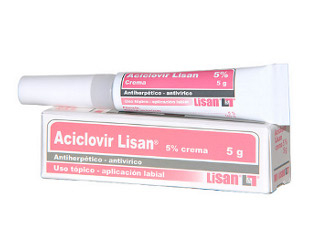

Acyclovir Cream 5% (for the skin) – Patient Information (UK)
Acyclovir cream 5% is an antiviral medicine used on the skin to treat certain infections caused by the herpes virus family. It is commonly used for cold sores (herpes labialis) and occasionally for other herpes-related skin conditions, depending on the severity and location.
This guide explains how the cream works, when to use it, typical dosing, what to expect, practical tips, safety information, and frequently asked questions—tailored to information relevant to the United Kingdom.
Quick overview
- Medicine: Acyclovir 5% cream
- What it treats: Herpes simplex virus (HSV) infections on the skin, most commonly cold sores
- Where to apply: The affected area only
- How it works: Blocks viral DNA production, helping lesions heal faster
- Best results: Start as early as possible (often at the first tingling/itching)
- Typical duration: Usually 4 days for cold sores (many packs advise 4 days; follow your instructions)
Basic product information
| Category | Details |
|---|---|
| Active ingredient | Acyclovir 5% (w/w) |
| Dosage form | Topical cream for cutaneous use |
| Legal classification (UK) | May be available as a medicine depending on brand/strength and local supply arrangements (check product details on this page) |
| Target organism | Herpes simplex virus (HSV), e.g., HSV-1 (commonly oral cold sores) |
| Typical site of use | Face/lips (cold sores), other external herpes lesions as advised |
Important: This information is for general guidance. Always read the patient information leaflet (PIL) provided with the specific product you receive.
How acyclovir works (mechanism of action)
Acyclovir is an antiviral medicine. It works mainly by interrupting the way herpes viruses replicate (multiply).
- Acyclovir is selectively activated inside cells infected with herpes simplex virus.
- Once activated, it inhibits an essential viral enzyme used to copy the virus’s genetic material (viral DNA).
- This reduces viral replication at the site of the outbreak, allowing sores to heal more quickly and helping shorten the duration of symptoms.
For best effectiveness, acyclovir cream should be started as early as possible—often at the first signs of a cold sore (tingling, burning, itching, or redness) before blisters fully develop.
Pharmacokinetics: what happens in the body
When applied to intact or mildly affected skin, the cream provides a local antiviral effect. Only limited acyclovir is expected to be absorbed through the skin.
- Absorption: Generally low after topical use on skin lesions.
- Distribution: Most drug action is local at the lesion site.
- Metabolism and elimination: Any absorbed drug is handled by the body and is primarily eliminated by the kidneys.
Because systemic absorption is usually low, drug interactions are typically less frequent than with oral antiviral medicines. Nevertheless, people with kidney problems or those using other medicines should still follow medical advice and the leaflet.
Typical use in the UK
Acyclovir 5% cream is primarily used for herpes labialis—commonly known as cold sores or fever blisters.
Cold sore (herpes labialis)
- Used for the early treatment of cold sore outbreaks on the lips/face.
- Most benefit comes when treatment begins early (first tingling/redness stage).
- It does not remove the virus from the body permanently; outbreaks can recur.
Other herpes-related skin infections
Depending on product instructions and clinical assessment, topical acyclovir may be used for other superficial herpes infections. For genital herpes or infections around the eyes, other approaches may be required and specialist advice may be necessary.
If lesions are near the eye, involve the eye area, or the person is immunocompromised, seek prompt medical advice rather than relying solely on topical cream.
When to apply: timing and how often
Timing is crucial. Starting early can shorten healing time and reduce the severity of symptoms.
- Start: At the first signs of an outbreak (tingling, itching, burning, or early redness).
- Frequency: Follow the specific instructions on your product packaging/leaflet. Many regimens for cold sores involve applying several times a day (often 5 times daily), but confirm the schedule for your brand.
- Continue: Keep applying for the full course recommended, even if symptoms begin to improve.
- Don’t overuse: Using more than directed does not necessarily work better and may irritate the skin.
Typical course: Many cold sore regimens are around 4 days. If symptoms do not improve after the recommended period, contact a healthcare professional or pharmacist for advice.
How to use acyclovir cream (practical application tips)
Step-by-step
- Wash hands before and after applying the cream.
- Gently cleanse the area with water (avoid harsh scrubbing). Pat dry.
- Apply a thin layer of cream to the affected area and a small margin around it.
- Avoid getting cream into the eye, inside the mouth, or on inside genital areas unless your leaflet specifically indicates it.
- Let it absorb or dry. You may cover with a suitable barrier if recommended, but avoid occlusive dressings unless advised.
- Do not share towels or utensils during an outbreak.
Hand hygiene and contagiousness
Cold sores are contagious. Even with treatment, the virus can spread through contact. To reduce transmission:
- Refrain from kissing or sharing lip balm/cutlery during outbreaks.
- Consider using a barrier (such as a plaster over a lesion) if appropriate and comfortable.
- Wash hands after touching the sore.
Indications: what it is for
Acyclovir 5% cream is indicated for the topical treatment of herpes simplex virus skin infections, particularly cold sores, where antiviral therapy can help the outbreak resolve more quickly when applied early.
- Herpes labialis (cold sores): early treatment to support faster healing and symptom relief.
- Other herpes-related skin lesions: only when directed by the product leaflet or a clinician.
Not for: If you have an eye infection, deep skin infection, or symptoms of a severe infection (widespread blistering, high fever, or rapidly worsening skin), seek medical help promptly.
Dose and dosing frequency (how much to use)
The exact dosing schedule can vary between products. Always check your leaflet. A common approach for cold sores is:
- Amount: A thin layer applied to the lesions.
- Frequency: Often five times a day, spaced through waking hours (e.g., every ~4 hours), but confirm your brand instructions.
- Duration: Usually 4 days for cold sores; if not improved, seek advice.
If you miss an application, apply it when you remember, and then continue with your regular schedule. Do not apply extra cream to make up for missed doses.
Food interactions
Acyclovir cream is applied to the skin, and significant absorption into the bloodstream is generally low. For this reason, food interactions are not expected to be clinically important.
However, if you are also taking oral antiviral medicines or have other ongoing medical treatments, follow the advice given for those medicines and the specific leaflet information.
Alcohol and medicine interactions
Alcohol
There are typically no direct interactions between topical acyclovir cream and alcohol because systemic levels are low. However, cold sores may worsen with triggers that include stress and sometimes lifestyle factors.
- Consider avoiding alcohol if it appears to trigger outbreaks for you.
- If you feel unwell or have additional symptoms, seek advice rather than masking them.
Other medicines
Because topical absorption is limited, clinically significant medicine interactions are not commonly expected with acyclovir cream.
- Topical products: Using multiple products on the same area may increase irritation. If combining creams or cosmetics, allow time between applications unless the leaflet says otherwise.
- Oral treatments: If you are using oral antivirals or other medications, check with a pharmacist for advice if you have kidney disease or are taking other specialist medicines.
Always tell a healthcare professional or pharmacist about all medicines you use (including over-the-counter products and herbal remedies).
Safety profile and side effects
Most people tolerate acyclovir cream well. As with all medicines, side effects can occur.
Common local effects
- Mild skin irritation (e.g., redness, burning, or stinging where applied)
- Dryness or flaking of the skin
- Itching at the site
Less common but important reactions
- Allergic reactions such as rash, swelling, or increased redness
- Worsening symptoms or increasing pain at the lesion
Seek urgent medical attention if you develop signs of a serious allergy (such as facial swelling, difficulty breathing, or widespread rash).
Who should take extra care
- People with compromised immunity (e.g., certain medical conditions or treatments).
- Children: Use according to the product leaflet and pharmacist advice.
- Pregnancy and breastfeeding: Topical use may be considered; discuss with a pharmacist or clinician for personalised advice.
- Eye involvement: Do not apply inside the eye; eye herpes requires urgent assessment.
Practical use tips (to get the best results)
- Don’t wait. Begin at the earliest tingling/redness stage.
- Use a thin layer. Thick layers can increase irritation and won’t necessarily improve outcomes.
- Protect the area. Avoid picking scabs or scratching blisters; this can worsen healing and increase the risk of secondary infection.
- Reduce spread. Avoid kissing and intimate contact with others until the sore is fully healed.
- Consider triggers. Some people find outbreaks are triggered by sunlight, stress, illness, or hormonal changes. Sunscreen and lip protection may help reduce sun-related triggers.
- Replace cosmetics/lip products if contaminated. If you applied lip balm or makeup to the sore, replace the product when the outbreak resolves.
What to expect during treatment
With early use, some people notice improvement within 1–2 days. Healing typically progresses through stages:
- Early symptoms: tingling/itching/burning
- Blister stage: small blisters may form
- Ulcer/scab stage: the sore may weep or form a crust
- Healing: crust falls off and skin regenerates
If symptoms are not improving after the recommended treatment period, or if outbreaks are frequent and severe, consider speaking to a pharmacist or clinician for an appropriate plan.
Alternative options
Depending on the location, severity, frequency of outbreaks, and your personal circumstances, alternatives may include:
Other topical antivirals
- Different strengths or formulations of acyclovir or similar antivirals may be available.
- Penciclovir cream (where available) may be used in some cases.
Supportive measures
- Pain relief: Paracetamol or ibuprofen may help with discomfort (if suitable for you).
- Barrier protection: Non-medicated lip balms or protective dressings may help reduce friction and dryness.
- Cold compress: Can soothe soreness.
Oral antiviral medicines
For frequent outbreaks, severe episodes, or if topical treatment is unlikely to be sufficient, a clinician may consider oral antiviral therapy. This depends on individual needs and should be discussed.
A pharmacist can help you compare options, including which product timing may fit your routine.
UK market and legal context (what to know)
In the UK, availability of topical medicines can vary by brand and classification. Most reputable pharmacy suppliers follow UK medicines regulation and supply requirements, and products are expected to be supplied in line with relevant laws and pharmacy standards.
- Quality and safety: Products supplied through licensed channels are expected to meet UK regulatory requirements.
- Patient information: The leaflet included with your product provides specific instructions for that formulation.
- Consultation: Pharmacists may recommend an alternative product or seek further advice if symptoms suggest a different condition.
If you are unsure whether your symptoms are a cold sore (for example, a non-herpes rash or infection), seek advice—accurate diagnosis improves treatment effectiveness.
Recent guidance and considerations
Antiviral treatment for cold sores is widely recommended to be started early. Many health resources emphasise:
- Early initiation: Treatment works best when started at the first sign of an outbreak.
- Appropriate diagnosis: If lesions are atypical, recurrent, or severe, seek clinical assessment.
- Transmission prevention: Cover the sore when possible and avoid close contact until healed.
- Special populations: People who are immunocompromised, pregnant, or have eye involvement may require different or more urgent management.
Guidance can be updated by professional organisations; your local pharmacist can also help you interpret current recommendations for your situation.
Delivery and availability in the UK
Acyclovir 5% cream is typically available through pharmacy and online pharmacy services that operate under UK medicine supply rules. Availability may vary by brand and stock levels.
- Where it’s delivered: Delivery is usually available across the UK mainland and selected areas depending on the supplier.
- Order processing: Orders are typically dispatched after verification and packaging.
- Cold chain: Acyclovir cream does not usually require special temperature-controlled delivery.
Please check the delivery options, estimated delivery times, and any restrictions shown at checkout on this website.
Safety checklist before you start
- Confirm you are applying to the correct area only (external skin/lesion).
- Do not use in the eye or inside body openings (unless your leaflet specifically says so).
- Check the leaflet for guidance on children, pregnancy, or breastfeeding.
- Stop and seek advice if you get a severe allergic reaction or significant worsening.
FAQ
1) Is acyclovir cream the same as acyclovir tablets?
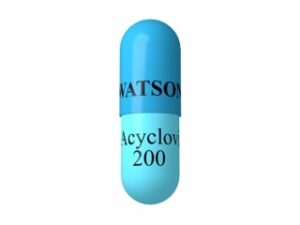
No. Acyclovir cream is a topical treatment applied to the skin. Tablets are systemic and may be used for more severe or recurrent outbreaks depending on clinical advice.
2) When should I start using the cream for a cold sore?
Start as soon as you notice the first signs—tingling, itching, burning, or early redness. Starting early gives the best chance of reducing duration and severity.
3) How long should I use it?
Many cold sore regimens are around 4 days, but follow the schedule on your product leaflet. If you are not improving after the recommended course, speak to a pharmacist or clinician.
4) Can I use make-up or lip balm on top of the cream?
You can, but it’s better to avoid applying make-up directly over the sore. If you do use lip balm, ensure it does not irritate the area and follow the product’s instructions. Consider avoiding sharing lip products during an outbreak.
5) Will it stop me from spreading the infection?
Acyclovir can help the sore heal, which may reduce the time you are contagious. However, cold sores can still be contagious even while using treatment. Avoid kissing and sharing items that touch the mouth until fully healed.
6) What if my sore looks different from my usual cold sores?
If the appearance is unusual, spreading rapidly, very painful, near the eye, or you’re unsure it’s herpes, seek advice promptly. Accurate diagnosis matters.
7) Can children use acyclovir cream?
Children may use topical acyclovir depending on age and the product leaflet instructions. A pharmacist can advise on suitability and dosing for your child.
8) Can I use it during pregnancy or while breastfeeding?
Topical antiviral treatment may be considered, but you should discuss suitability with a pharmacist or clinician—especially if you have frequent outbreaks or complications.
9) Do I need to avoid alcohol while using the cream?
There are usually no direct interactions with topical acyclovir. If you notice alcohol triggers outbreaks for you, reducing alcohol may help. Otherwise, focus on treating the sore and preventing spread.
10) What should I do if I miss a dose?
Apply it when you remember and continue your usual schedule. Do not apply extra cream to make up for the missed application.
11) Are there any warning signs that mean I should get medical help?
Seek urgent advice if you have lesions near the eye, severe or widespread blistering, signs of a serious skin infection (e.g., spreading redness, pus, high fever), or symptoms of a severe allergic reaction (e.g., facial swelling, breathing difficulties).
Summary
Acyclovir cream 5% is a topical antiviral used mainly for cold sores. It works by interfering with viral replication in infected skin cells. For best results, start early at the first tingling or redness, apply a thin layer as directed, and complete the recommended course. While systemic absorption is usually low, follow safety advice, maintain good hygiene, and seek professional help if symptoms are severe, unusual, or involve the eye area.