
Famvir (Famciclovir) – Patient Guide (UK)
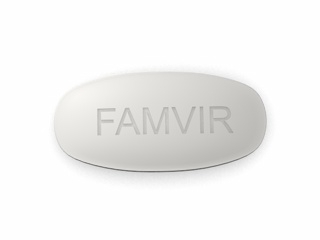
Famvir is a medicine containing famciclovir, used to treat certain viral infections. It belongs to the antiviral medicines class known as nucleoside (guanine) analogues and is closely related to aciclovir/valaciclovir.
This guide is designed to be patient-friendly and practical. Always follow the instructions given with your medicine and consult a healthcare professional if you’re unsure whether Famvir is suitable for you.
1) Basic product information
| Item | Details |
|---|---|
| Active ingredient | Famciclovir |
| Brand name | Famvir |
| Medicine type | Antiviral (direct-acting against herpes viruses) |
| Common forms | Tablets (strengths may vary by pack) |
| Viruses targeted | Herpes viruses such as herpes simplex and herpes zoster (shingles) |
| Typical availability in the UK | Supplied via pharmacies and healthcare pathways as appropriate for your condition |
2) How Famvir works (mechanism of action)
Famvir contains famciclovir, which is converted in the body into its active form: penciclovir. Penciclovir acts against the virus by interfering with viral DNA formation.
- Inside infected cells, penciclovir is phosphorylated to an active triphosphate form.
- This active form inhibits viral DNA polymerase—the enzyme the virus needs to copy its genetic material.
- As a result, viral replication is reduced, helping symptoms to improve and potentially shortening the duration of outbreaks.
Famvir is most effective when started early, particularly for shingles and recurrent cold sores/genital herpes.
3) Pharmacokinetics (what the body does with the medicine)
Pharmacokinetics describes how famciclovir is absorbed, processed, and removed from the body.
- Absorption: Famciclovir is absorbed from the gut after oral dosing.
- Conversion to active form: It is rapidly converted to penciclovir (active drug).
- Distribution: Penciclovir reaches tissues affected by herpes virus infections.
- Elimination: The main route is through the kidneys. This is important if you have reduced kidney function.
- Half-life: The drug’s active metabolites have a duration of action that supports the usual dosing schedules (which vary by indication).
If you have kidney problems, your prescriber may adjust the dose and frequency to reduce the risk of side effects.
4) Typical uses in adults
Famvir is used to treat infections caused by certain herpes viruses. In the UK, it is commonly considered for conditions such as:
- Shingles (herpes zoster): to reduce the duration of symptoms and help with pain in eligible patients.
- Cold sores (herpes simplex): treatment of outbreaks.
- Genital herpes (herpes simplex): treatment of episodes and, in some cases, prevention of recurrences.
- Recurrent genital herpes: to reduce frequency and severity of outbreaks for some patients.
The exact indication, dosing regimen, and treatment duration depend on the condition, severity, timing of onset, and individual health factors.
5) Timing: when to start and how long to take it
Timing can significantly affect how well antivirals work.
- Shingles: start as soon as possible—ideally within 72 hours of the rash appearing. Earlier treatment is associated with better outcomes.
- Cold sores: starting at the first signs (tingling, itching, burning, or early lesion development) is generally helpful.
- Genital herpes: starting promptly at the beginning of an outbreak may reduce symptom duration.
Complete the full course as directed. If you miss a dose, take it when you remember unless it is close to the next dose—do not double up.
6) Food interactions (and how to take Famvir)
Famciclovir can generally be taken with or without food. Taking it with food may help if you experience nausea.
- With a meal: may improve comfort if you have a sensitive stomach.
- Without food: is usually also acceptable for most people.
To make dosing easier, many people take it at similar times each day.
7) Alcohol and medicine interactions
There are no well-known, common direct interactions between famciclovir and alcohol, but alcohol can still affect you in indirect ways:
- Dehydration: alcohol can dehydrate you, which may worsen how you feel during illness.
- Stomach irritation: alcohol may increase nausea or upset stomach.
- Drowsiness/fatigue: alcohol can worsen tiredness, and recovery from viral illness may feel slower.
If you choose to drink alcohol, do so moderately and consider avoiding it during more symptomatic phases. If you notice worsening side effects after combining alcohol with your medication, avoid the combination.
Important medicine interactions: because famciclovir is cleared mainly by the kidneys, other medicines that affect kidney function or compete with renal clearance may require caution. Tell your pharmacist or healthcare professional about all medicines you take, including:
- Medicines affecting kidney function (for example, some diuretics and other drugs used for blood pressure or fluid balance)
- Other antivirals or medications used for immune system conditions
- Non-prescription medicines and supplements (especially those that may affect hydration or kidney health)
8) Indications (conditions Famvir is used for)
Famvir (famciclovir) is indicated for the treatment and/or suppression of infections caused by herpes viruses. Typical indications include:
- Herpes zoster (shingles): treatment of acute episodes in eligible patients, particularly when started early.
- Herpes simplex:
- Oral herpes (cold sores): treatment of outbreaks.
- Genital herpes: treatment of episodes and, in some situations, suppression to reduce recurrence.
Your healthcare professional will decide the best dosing schedule based on your situation, including whether the goal is early treatment of an episode or prevention of recurrences.
9) Dosing (typical adult regimens)
Dosing schedules vary depending on the infection type, severity, kidney function, and whether the treatment is for an acute episode or prevention.
The following is a general guide to common adult regimens described in medicines information. Your specific directions may differ—follow the dose on your pack or as advised by a healthcare professional.
| Condition (Indication) | Typical adult approach (example) | Notes |
|---|---|---|
| Shingles (herpes zoster) | Often taken for a short course over several days, typically multiple doses per day | Best started within 72 hours of rash onset where possible. |
| Cold sores (oral herpes simplex) | Short course taken at the start of an outbreak, often multiple doses per day | Starting early (tingling/burning) may improve effectiveness. |
| Genital herpes (acute episodes) | Short course taken at outbreak onset, often multiple doses per day | Follow the prescribed schedule and complete the course. |
| Prevention/suppression of recurrent genital herpes | Taken regularly to reduce recurrence, dosing schedules vary | Requires consistent daily use; reassessment may be needed periodically. |
Kidney impairment: your prescriber may reduce the dose or extend the interval between doses if you have reduced kidney function.
Older adults: dose may depend on kidney function and overall health.
Children: use in children should only be under appropriate medical guidance.
10) Safety profile: side effects and when to seek help
Like all medicines, Famvir can cause side effects, although not everyone gets them. Many people experience mild effects that improve as treatment continues.
Common side effects
- Headache
- Nausea or feeling sick
- Diarrhoea or stomach discomfort
- Dizziness in some people
- Fatigue
Less common but important side effects
- Allergic reactions (rare), which may include rash, swelling, or difficulty breathing
- Kidney-related issues—more relevant in people with existing kidney disease or dehydration
- Neurological symptoms (rare), such as confusion or severe dizziness—seek medical advice if these occur
Seek urgent medical help if
- You develop swelling of the face/lips, wheezing, or trouble breathing
- You experience severe or persistent vomiting, signs of dehydration, or a major change in how you feel
- You have severe allergic skin reactions (for example, blistering or widespread rash)
11) Practical use tips (getting the best results)
- Start promptly: begin treatment as early as recommended for your condition.
- Take at regular times: spacing doses evenly can help maintain drug levels.
- Hydrate well: drink water unless you’ve been advised to restrict fluids.
- Don’t share towels or personal items during outbreaks (especially for oral and genital herpes) to reduce spread.
- Safe sex during genital herpes outbreaks: condoms can lower transmission risk, though they don’t remove it entirely.
- Use supportive care:
- For cold sores: consider soothing gels/creams (ask your pharmacist)
- For shingles: keep the rash clean and covered if advised; avoid scratching
- For pain: follow guidance on suitable pain relief options
- Complete the course: stopping early can reduce effectiveness.
12) Alternative options
Depending on your diagnosis, severity, timing, and kidney function, alternative antiviral treatments may be considered. In the UK, other medicines commonly used for herpes virus infections include:
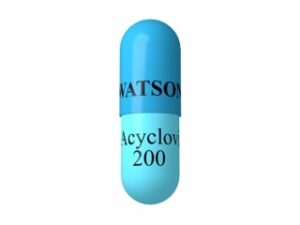
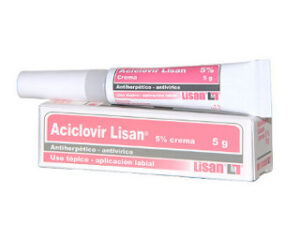
- Aciclovir (oral and topical forms for certain herpes infections)
- Valaciclovir (an alternative oral antiviral with different dosing schedules)
- Penciclovir cream for some oral cold sore situations (topical options)
- Other antivirals may be considered for special circumstances under specialist care
Which option is best for you depends on factors such as:
- Type of infection (shingles vs cold sores vs genital herpes)
- How soon symptoms started
- History of recurrences
- Kidney function
- Other medicines you take
13) UK market & legal context (high-level)
In the United Kingdom, the supply of prescription medicines is governed by pharmacy regulations and healthcare frameworks. Medicines like Famvir are typically supplied through recognised channels that may require a clinician’s involvement depending on the product’s legal status and your condition.
Online pharmacies in the UK must follow regulatory requirements for medicines handling, patient screening (including medicine interactions and safety checks), and proper fulfilment processes.
If you’re unsure about availability or suitability, speak to a UK-registered healthcare professional or pharmacist.
14) Recent guidance (UK clinical approach—general)
Antiviral treatment for herpes virus infections generally follows widely used UK clinical practice principles:
- Early treatment: antivirals are most effective when started soon after symptoms begin.
- Shingles: treatment is prioritised for those within the early window after rash onset, and for people at higher risk of complications.
- Immunocompromised patients: may require earlier or specialist-led management.
- Recurrent genital herpes: suppression therapy may be considered for people with frequent recurrences or significant impact on quality of life.
Local policies and individual clinical factors can influence exact decisions. Always confirm the most appropriate approach for your situation.
15) Delivery and availability (UK online pharmacy)
Availability can vary by pack size, tablet strength, and demand. In most online pharmacy experiences in the UK:
- Stock status: orders are fulfilled when available; some products may be restocked.
- Packaging: medicines are supplied in appropriate pharmacy packaging with patient information leaflets or equivalent instructions.
- Delivery: delivery times depend on your location and courier arrangements.
- Age and eligibility checks: you may be asked to complete a short safety questionnaire during ordering to ensure safe supply.
If you need your medicine urgently (for example, because treatment timing is critical), contact customer support to confirm dispatch and delivery options.
16) Frequently asked questions (FAQ)
Can I take Famvir with food?
Yes. Famvir can typically be taken with or without food. Taking it with food may help if you experience nausea.
How quickly does Famvir work?
Some people notice improvement within a day or two, but this varies by infection type and how early treatment starts. Starting as early as recommended improves the chance of benefit.
What should I do if I miss a dose?
If you miss a dose, take it when you remember unless it’s close to the next dose. Do not take extra doses to make up for a missed dose. If you’re unsure, ask your pharmacist.
Is Famvir used for both cold sores and shingles?
Famvir may be used for herpes-related infections, including oral herpes (cold sores) and shingles, depending on your clinical situation and timing.
Can I drink alcohol while taking Famvir?
There is no common direct interaction, but alcohol can worsen dehydration or stomach upset. If you choose to drink, keep it moderate and stop if you notice side effects.
Does Famvir prevent transmission of herpes viruses?
Antivirals can reduce viral replication and may reduce the risk of shedding during treatment, but they do not eliminate transmission risk. For genital herpes, condoms can help reduce risk, and you should avoid sex during outbreaks or when symptoms are present.
Are there people who should be extra careful with Famvir?
Yes. Take extra care and seek advice if you:
- Have kidney problems
- Are dehydrated
- Are pregnant, planning pregnancy, or breastfeeding
- Take multiple medicines that may affect kidney function
What if I’m on other medicines?
Tell your pharmacist or healthcare professional about all medicines you use, including over-the-counter products and supplements. This helps identify possible interaction risks.
How should I store Famvir?
Store according to the instructions on the pack (usually at room temperature, away from moisture and out of sight of children).
Summary
Famvir (famciclovir) is an oral antiviral medicine used for infections caused by certain herpes viruses such as shingles, cold sores, and genital herpes. It works by targeting viral DNA replication after being converted to its active form in the body. For best results, treatment should usually start early—especially for shingles. If you have kidney problems, dosing and safety considerations are particularly important.
If you have questions about suitability, dosing timing, or side effects, speak to a UK pharmacist or healthcare professional.