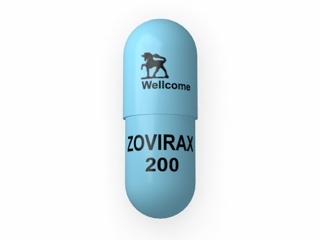

Zovirax (Acyclovir) — Patient Information (UK)
Zovirax (acyclovir) is an antiviral medicine used to treat and help control infections caused by herpes viruses. This patient-friendly guide explains how Zovirax works, when it’s used, typical dosing, practical tips for taking it, and important safety information for people in the United Kingdom.
Different Zovirax formulations may be available (for example, tablets/capsules, oral suspension, and creams/ointments depending on local availability). Always check your specific pack for the exact form and strength.
Basic product information
| Item | Details |
|---|---|
| Medicine name | Zovirax (acyclovir) |
| Type | Antiviral (nucleoside analogue) |
| How it works | Blocks viral DNA replication in infected cells |
| Common herpes viruses | Herpes simplex virus (HSV-1, HSV-2), varicella-zoster virus (VZV) |
| Typical forms | Tablets/capsules, oral suspension, creams/ointments (availability varies) |
| UK availability | May be available through pharmacies; availability depends on formulation and strength |
What Zovirax is used for (indications)
Zovirax is used for infections caused by herpes viruses. The exact indication depends on the condition, your age, kidney function, and which formulation you’re using.
Common indications include
-
Herpes simplex virus (HSV) infections:
- Cold sores (herpes labialis)
- Genital herpes (including episodic treatment or suppression in some cases)
-
Varicella-zoster virus (VZV) infections:
- Shingles (herpes zoster)
- Prevention of outbreaks in certain people (typically when recurrent disease occurs; the plan depends on clinical assessment)
If you’re unsure whether your symptoms are caused by a herpes virus, seek medical advice. Other conditions (including bacterial skin infections or non-herpetic rashes) may look similar and require different treatment.
How Zovirax works (mechanism of action)
Acyclovir is an antiviral medicine that works primarily by interfering with the ability of herpes viruses to replicate their DNA.
In brief:
- Acyclovir is activated inside infected cells by a virus-related enzyme (often described as viral thymidine kinase for HSV and VZV).
- The activated form is incorporated into the viral DNA chain during replication.
- This stops further DNA growth, reducing viral multiplication and helping lesions heal faster and become less contagious.
Zovirax works best when started early—for example, at the first signs of a cold sore or at the beginning of shingles symptoms.
Pharmacokinetics (how the body handles acyclovir)
“Pharmacokinetics” refers to what happens to a medicine after you take it—how it’s absorbed, distributed, metabolised, and eliminated. While exact numbers may vary by formulation and individual factors, the overall pattern for acyclovir is well characterised.
Key points
- Absorption: Oral acyclovir is absorbed through the gastrointestinal tract. Absorption can vary with formulation (e.g., tablets vs suspension).
- Distribution: Acyclovir distributes into body tissues, including areas affected by herpes infections.
- Metabolism: Acyclovir is only minimally metabolised.
- Elimination: A large proportion is removed from the body via the kidneys (renal excretion). This is why kidney function affects dosing and safety.
- Half-life: In people with normal kidney function, acyclovir is cleared relatively efficiently; reduced kidney function may prolong exposure.
If you have kidney disease, are dehydrated, or are an older adult, you may need dose adjustments and extra hydration. Consult the medicine leaflet and seek advice if anything is unclear.
Typical use and timing (when to start and how often)
Timing matters. Antivirals are most effective when taken as early as possible after the infection begins. For herpes outbreaks, starting at the earliest sign (tingling, itching, redness for cold sores; pain/burning for shingles) can improve outcomes.
General timing guidance
- Cold sores (HSV-1/HSV-2): start at the first sign of symptoms if you’re using oral treatment.
- Genital herpes (HSV): start as early as possible during an outbreak.
- Shingles (VZV): start treatment ideally within 72 hours of rash onset for best benefit.
Dosing information (common regimens)
Dosing depends on the condition being treated, your age, immune status, severity, and kidney function. The sections below summarise common regimens seen with acyclovir, but always follow your specific pack instructions or local clinical guidance for the exact formulation you’re using.
Adults — common oral dosing patterns
- Cold sores (episodic treatment): Common regimens include taking doses several times daily for a short course. The exact number of tablets and days varies with strength and the leaflet directions.
- Genital herpes (episodic treatment): Typically taken several times per day for several days, depending on the outbreak and leaflet instructions.
- Shingles: Often taken for about a week, starting early.
- Suppression for recurrent genital herpes: Some people may take lower doses regularly to reduce recurrence frequency.
Children
Children’s dosing is usually based on age and weight and must be followed carefully. Use the appropriate paediatric formulation if available (e.g., suspension) and check the leaflet for exact dosing instructions.
Kidney impairment and dehydration
Because acyclovir is cleared by the kidneys, people with reduced kidney function may require dose adjustments. Staying well hydrated helps reduce the risk of kidney-related adverse effects.
Important: Do not increase the dose or change dosing frequency unless advised by healthcare professionals. If you miss a dose, follow the guidance in the leaflet for “missed doses” (or take it when you remember, unless it’s close to the next dose).
Food interactions
Acyclovir can generally be taken with or without food, depending on the formulation. Food may slightly affect absorption for some formulations, but it usually does not require major changes to timing.
Practical approach:
- If your leaflet allows it, take your dose with a glass of water.
- If stomach upset occurs, taking with food may help.
- Keep regular dosing intervals to maintain antiviral activity.
Alcohol and medicine interactions
There is not a classic “dangerous” interaction between acyclovir and alcohol for most people, but alcohol can:
- Worsen dehydration risk, especially in people who are unwell or taking frequent doses.
- Increase the chance of dizziness or feeling unwell, which can be confused with medication side effects.
- Reduce sleep quality, potentially slowing recovery.
For the safest approach, consider avoiding or limiting alcohol while you’re treating an active infection—particularly if you’re elderly, have kidney issues, or are experiencing vomiting/poor fluid intake.
Other medicine interactions (important examples)
Many medicines can interact indirectly by affecting kidney function or hydration status. It’s especially important to be careful with:
- Other medicines that affect the kidneys or are removed by the kidneys.
- Other nephrotoxic drugs (medicines that may stress kidney function).
- Drugs that increase dehydration risk (for example, certain diuretics) if fluid intake is poor.
- Medicines that may cause neurological effects in susceptible people (rarely relevant but important if symptoms occur).
If you’re taking multiple medicines, check the leaflet and consider discussing with a pharmacist—especially if you have kidney disease, are taking regular medicines, or are using high-dose antiviral treatment.
Safety profile: side effects and when to get help
Like all medicines, Zovirax can cause side effects. Many people experience none or only mild effects. Side effects differ by formulation and dose. If you have any concern, consult your pharmacist or healthcare professional.
Common (usually mild) side effects
- Nausea
- Headache
- Dizziness
- Diarrhoea or stomach discomfort
- Fatigue
Less common / important to watch for
- Kidney-related issues: back/flank pain, reduced urine output, or signs of dehydration—particularly in people with kidney impairment or those not drinking enough.
- Allergic reactions: rash, swelling of the face/lips, difficulty breathing, or widespread hives—seek urgent medical advice.
- Neurological symptoms (rare): confusion, agitation, tremor, or hallucinations—especially with high doses, kidney impairment, or dehydration.
- Severe skin reactions (rare): blistering, peeling skin, or mouth sores—seek urgent care.
If you experience symptoms that feel severe, rapidly worsening, or unusual for you, stop the medicine and seek medical advice promptly. If you think it could be an emergency, call emergency services.
Practical use tips (how to get the best results)
Start early
Antivirals work best when begun at the earliest stage. Don’t wait for all symptoms to become severe.
Drink enough fluids
Good hydration supports kidney clearance of acyclovir. This is particularly important if you’re older, have kidney issues, or are receiving frequent dosing.
Maintain the dosing schedule
Try to space doses evenly across the day. Setting reminders can help, especially for regimens that require multiple daily doses.
Don’t share personal items during outbreaks
- Avoid sharing cups, lip balm, razors, towels, or utensils.
- Wash hands regularly, especially after touching lesions.
Reduce spread to others
Even with antiviral treatment, herpes viruses can be transmitted. Consider:
- Avoid kissing or oral sex when you have cold sores.
- Use condoms/dental dams during genital herpes outbreaks (and discuss safe-sex strategies with a pharmacist or clinician).
- Keep lesions covered where possible (for external skin involvement).
Complete the course (unless advised otherwise)
Finishing the prescribed/label course helps reduce risk of incomplete viral suppression and may improve healing.
Alternative options
Depending on the condition, severity, and availability, other treatments may be considered. Options vary by formulation and country guidance.
Common alternatives (for herpes infections)
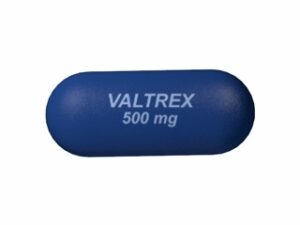
- Valaciclovir: Often used for cold sores, genital herpes, and shingles; typically taken less frequently than acyclovir.
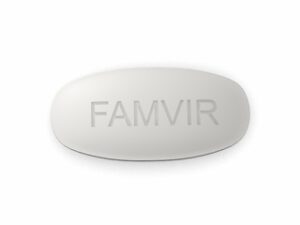
- Famciclovir: Another antiviral option for herpes infections, depending on diagnosis.
- Topical antivirals: For selected skin/lip lesions, topical treatments may help with symptoms but may not replace oral antivirals in all cases.
- Supportive care: Pain relief, soothing lotions, and blister care can be important alongside antivirals for comfort and healing.
If you’re not sure which option fits your symptoms, a pharmacist can help you compare choices and explain suitability.
Market and legal context in the United Kingdom
In the UK, medicines are regulated by the Medicines and Healthcare products Regulatory Agency (MHRA). Product availability, pharmacy access routes, and prescribing requirements depend on the specific strength, formulation, and whether the product is classified as a prescription-only medicine or available via other supply routes.
For online pharmacy customers, ordering rules may include age checks, treatment eligibility questionnaires for certain products, and confirmation that the intended use matches the product information.
You should only use Zovirax when it is appropriate for your diagnosis or as directed by the package leaflet and any UK pharmacy guidance. If symptoms are severe, unusual, recurrent in a way that needs review, or you have immune system problems, seek professional advice.
Recent guidance (general themes)
UK-facing clinical practice commonly emphasises:
- Early initiation of antiviral therapy for shingles (especially within 72 hours of rash onset).
- Kidney safety: attention to hydration and dosing adjustments in renal impairment.
- Accurate diagnosis before starting antivirals, particularly for genital symptoms.
- Antiviral management for recurrence in people with frequent outbreaks, typically using a structured prevention approach.
If you’re treating shingles or you’re immunocompromised, timely evaluation is particularly important.
Delivery and availability
Availability of Zovirax products can vary by formulation and strength. Many online pharmacies in the UK provide delivery to eligible postcodes. Typical delivery options may include standard and express services depending on the provider.
To help your order go smoothly:
- Check the product name and strength match what you need.
- Confirm the formulation (tablets/suspension/cream) is the one intended for your condition.
- Make sure you have enough time for delivery if you need to start early.
- Store medicines as directed on the packaging (often at room temperature away from moisture and heat).
If you need medicine quickly (for example, where symptoms started recently), choose a delivery option that meets your timeline. Always follow the product leaflet for the correct start timing.
FAQ
1) How quickly does Zovirax work?
Many people notice improvement within a few days, especially if treatment starts early. Shingles and cold sores may heal faster and cause less symptom burden when antivirals are started promptly. Recovery time varies by person and severity.
2) Can I take Zovirax with food?
In general, acyclovir can be taken with or without food. If your stomach feels unsettled, taking it with a meal may help. Always check your specific leaflet for the exact instruction for your formulation.
3) Is it safe to drink alcohol while using Zovirax?
Moderate alcohol usually isn’t directly prohibited, but alcohol can worsen dehydration and may increase side effects such as dizziness. It’s safest to limit alcohol and focus on good fluid intake while you recover—especially if you’re unwell or have kidney concerns.
4) What if I miss a dose?
Take the missed dose when you remember unless it’s close to your next dose. Do not take a double dose to make up for a missed one. Follow your pack instructions or ask a pharmacist for guidance.
5) Who should be extra careful when taking acyclovir?
Extra caution is recommended if you have kidney problems, are dehydrated, are older, are taking medicines that affect the kidneys, or have conditions that affect your immune system. If any of these apply, check dosing guidance in the leaflet and seek advice.
6) Can Zovirax prevent transmission of herpes?
Antivirals can reduce viral activity and symptoms, but they do not fully eliminate the risk of transmission. Safe sex practices and avoiding close contact (such as kissing or oral sex) during outbreaks remain important.
7) Can I use Zovirax cream for genital herpes?
Some topical treatments may be used for certain skin areas, but genital herpes often requires an appropriate oral regimen depending on the situation. Check the product leaflet and seek pharmacy advice to match the correct formulation to your condition.
8) When should I stop and seek medical help?
Seek urgent medical advice if you develop signs of an allergic reaction (swelling, hives, breathing difficulty), severe skin reactions, or symptoms suggesting kidney problems (such as significantly reduced urine or severe flank pain). For persistent severe symptoms, contact a healthcare professional promptly.
9) Are there any lifestyle tips during outbreaks?
Yes: rest, keep the area clean and dry, avoid picking lesions, wash hands after touching affected areas, avoid sharing personal items, and use barrier protection during genital outbreaks.
10) What if my symptoms do not improve?
If symptoms worsen, do not improve after the course, or you have recurrent episodes that are increasing in frequency or severity, get professional advice to confirm the diagnosis and consider other treatment strategies.
Summary
Zovirax (acyclovir) is an antiviral medicine used for infections caused by herpes viruses such as cold sores and shingles. It works by interfering with viral DNA replication in infected cells. Starting treatment early, maintaining good hydration, and following the dosing schedule are key to achieving the best outcomes. If you have kidney disease, are dehydrated, or experience concerning side effects, seek prompt medical advice.
Always read the package leaflet provided with your medicine for full details on dosing, side effects, and precautions specific to your formulation.