
Xenical (Orlistat) – Patient Information Guide (UK)
This page explains how Xenical (the active ingredient orlistat) works, how to use it safely and effectively, and what to expect. It is written for people in the United Kingdom who are considering treatment alongside lifestyle changes such as diet and exercise.
Quick overview
- What it is: Orlistat, a weight-management medicine
- How it works: Reduces absorption of dietary fat from the gut
- Typical schedule: Taken with meals that contain fat (or within 1 hour of meals)
- Common effects: Oily stools, gas, urgency—especially when meals contain more fat than expected
- Best results: With a reduced-calorie diet and regular physical activity
Basic product information
| Item | Details |
|---|---|
| Medicinal product | Xenical |
| Active ingredient | Orlistat |
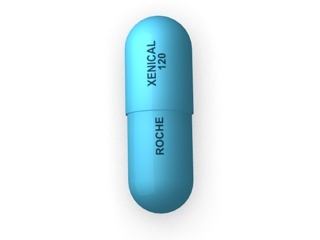
| Strength | Typically 120 mg capsules (confirm your pack) |
| Medicinal type | Gastrointestinal lipase inhibitor (works in the digestive tract) |
| Available formats | In the UK, Xenical is the prescription-strength brand of orlistat; over-the-counter options may differ by strength (see “Alternative options”). |
Always check the strength and instructions on your specific pack. Different orlistat products may have different dosing.
What is Xenical (Orlistat) used for?
Xenical is used for weight management in adults. It is intended to be used alongside a reduced-calorie diet.
In real-world terms, it may be considered when there is a need to support weight loss or weight maintenance as part of a structured lifestyle programme—particularly for people with higher body weight where diet changes alone have not been enough.
Indications (typical NHS-style criteria)
In the UK, weight-management medicines are generally considered within a framework based on body mass index (BMI) and co-existing risk factors. Your clinician will tailor decisions based on individual circumstances, safety, and goals.
- BMI threshold: Commonly ≥ 30 kg/m² (obesity) or ≥ 28 kg/m² with weight-related conditions.
- Goal: Support weight loss and/or help maintain weight when used correctly with diet.
If you are not sure whether you meet appropriate criteria, check with a healthcare professional or your GP. Medicines work best when the overall plan is realistic and sustainable.
How Xenical works (mechanism of action)
Orlistat works by targeting dietary fat during digestion. It is a gastrointestinal lipase inhibitor. Lipase enzymes normally break down fats in food so the body can absorb them.
- Step 1: Orlistat inhibits lipase in the stomach and small intestine.
- Step 2: Unabsorbed fat passes through the digestive system.
- Result: Lower calorie intake from fats, which can help reduce weight over time.
Important: Xenical does not directly “burn” fat or reduce appetite in the same way as some other weight-loss medicines. Its effect depends strongly on the fat content of the meals you eat.
Pharmacokinetics (how the body handles orlistat)
Orlistat acts locally in the gut and has minimal systemic absorption.
- Absorption: Only a small fraction of orlistat is absorbed into the bloodstream.
- Distribution: Due to low absorption, systemic distribution is limited.
- Metabolism: If absorbed, orlistat is metabolised in the body (details depend on individual factors and formulation).
- Excretion: The majority is excreted via the digestive tract.
Because systemic exposure is low, drug interactions related to high blood levels are generally less pronounced than with medicines that act throughout the body. However, interactions can still occur—especially with fat-soluble vitamins and certain medicines (see “Alcohol and medicine interactions” and “Practical use tips”).
Typical use and what to expect
Xenical is taken as part of a weight-management plan. It works best when you:
- Follow a reduced-calorie diet
- Limit dietary fat (especially for meals that you take the capsule with)
- Engage in regular physical activity
- Use the medicine consistently and correctly
What results can look like
Weight loss is variable. Some people notice changes within the first weeks, while others need more time. The medicine’s effect depends heavily on dietary compliance (particularly fat intake).
Many weight-management medicines are reviewed after an initial period (often around a few months) to check whether adequate weight loss is occurring. If results are limited, the plan may need adjustment.
Dosing and timing (how to take Xenical)
Standard adult dosing (confirm your pack)
- Typical dose: One 120 mg capsule
- Frequency: Three times daily
- With meals: Take it with each main meal
- If a meal is skipped or contains no fat: You may not need a capsule for that meal.
Best timing
Take Xenical with meals, preferably:
- During the meal, or
- Within 1 hour after the meal
Taking it too late may reduce effectiveness because digestion may have already processed much of the fat.
Swallowing instructions
- Swallow capsules whole with water.
- Do not crush or chew capsules unless your product instructions specify otherwise.
Food interactions: fat content matters
Xenical’s effects directly relate to the amount of dietary fat you eat. If you eat a meal with high fat content, you may experience stronger gastrointestinal side effects.
Meals that help minimise side effects
- Choose lower-fat options where possible.
- Spread your fat intake across meals rather than having large fatty meals.
- Aim for balanced meals with sensible portion sizes.
Common gastrointestinal side effects related to fat
These can include:
- Oily or fatty stools
- Increased bowel movements
- Gas and flatulence
- Urgency or difficulty controlling bowel movements
These are more likely when your diet contains more fat than expected. Using a lower-fat diet often improves tolerability.
Alcohol and medicine interactions
Alcohol
There is no single “universal” alcohol rule, but alcohol can affect weight management and can worsen gastrointestinal symptoms in some people.
- Moderation is advised.
- Alcoholic drinks can add calories; many also have fat or are consumed with fatty foods.
- If you notice increased stomach discomfort or diarrhoea-like symptoms, consider reducing or avoiding alcohol.
Interactions with other medicines
Orlistat primarily affects absorption of fats and may also interfere with absorption of certain vitamins and medicines. Always check with a pharmacist/clinician if you take other medicines regularly.
- Fat-soluble vitamins (A, D, E, K): Because orlistat reduces fat absorption, it can reduce absorption of these vitamins. Supplementation may be recommended in some people.
- Warfarin: If you take warfarin, there may be an impact on blood clotting (INR). Close monitoring may be required.
- Anti-epileptic medicines: Some anti-epileptic medicines may require monitoring, especially if absorption is affected by dietary changes and gastrointestinal side effects.
- Ciclosporin (cyclosporine): There are known concerns with interactions; blood levels may need monitoring if taken together.
- Amiodarone: Reported interaction concerns exist; consult a clinician or pharmacist for guidance.
- Oral contraceptives: Significant diarrhoea may reduce absorption of hormones indirectly. If you have severe diarrhoea, additional contraception precautions may be needed.
This is not an exhaustive list. If you take regular medicines, review them with a healthcare professional—especially those for chronic conditions.
Safety profile: who should be cautious
Common side effects
- Oily spotting or discharge from the rectum
- Greasy stools, fatty stool odour
- Gas, bloating
- Urgency to open bowels
- Abdominal discomfort
These effects are usually dose- and diet-dependent. Many people find that side effects lessen after adopting a lower-fat eating pattern.
Less common but important effects
Seek prompt medical advice if you experience:
- Severe abdominal pain
- Persistent diarrhoea, dehydration, or weakness
- Signs of allergic reaction (e.g., rash, swelling, trouble breathing)
- Yellowing of the skin/eyes (jaundice) or unusual fatigue (rare but important)
Certain groups should take extra care
- People with malabsorption syndromes: Since fat absorption is already impaired.
- Pregnancy and breastfeeding: Use is generally not recommended unless specifically advised.
- History of gallstones or significant liver disease: Your clinician should evaluate suitability.
- People taking anticoagulants (e.g., warfarin): Monitoring may be required.
If you have an ongoing medical condition or take regular medicines, safety should be reviewed individually.
Practical use tips (to make Xenical work for you)
Adopt a lower-fat approach
- Check food labels for fat content.
- Limit fried foods, pastries, creamy sauces, and high-fat snacks.
- Choose lean proteins (e.g., fish, chicken, beans) and incorporate vegetables.
Plan around your meals
- Take the capsule with each main meal.
- If you miss a meal, do not “double up” at the next meal.
- Keep a routine—timing helps maintain consistent results.
Be prepared for bowel-related changes
- Some people benefit from dietary adjustments on the same day as starting treatment.
- Consider convenient access to toilets, especially during the first weeks.
- Wearing extra protection can help during the adjustment period for those who experience urgency or staining.
Vitamins and nutrition
Because orlistat can reduce absorption of fat-soluble vitamins, it may be advised to take a suitable multivitamin containing vitamins A, D, E and K—but timing matters. Many people are advised to take vitamin supplements at a different time of day (often at least a few hours apart from orlistat). Ask a pharmacist for timing advice that matches your routine.
Hydration and diet quality
- Drink adequate fluids.
- Prioritise fibre-rich foods (fruit, vegetables, whole grains) to support digestive health.
- Ensure your calorie reduction is not so extreme that you become nutritionally depleted.
Alternative options for weight management (UK context)
Weight management strategies vary, and some options may suit you better depending on your health history, preferences, and response. In the UK, clinicians may consider non-medicine approaches first, and medicines when appropriate.
Other orlistat options
- Different orlistat strengths/formulations: Over-the-counter products may exist in the UK with different dosing strength than Xenical. Always check the active ingredient and dose on the label.
- Consult about suitability: If you have specific conditions or take regular medicines, ask for pharmacy guidance before switching.
Other weight-management medicines
Depending on eligibility and guidance at the time, other medicine classes may include appetite-regulating treatments or medicines that reduce fat absorption through different mechanisms. Availability and recommendations can change, so it’s important to check what is currently recommended and suitable.
Non-medicine alternatives
- NHS-supported lifestyle programmes
- Dietitian-led plans
- Physical activity and behavioural therapy
- In selected cases: bariatric/surgical options may be discussed where clinically appropriate
Recent guidance and monitoring (UK)
In the UK, weight-management medicines are typically used under structured guidance. This commonly includes:
- Confirming eligibility based on BMI and health risks.
- Ensuring diet and activity changes are in place.
- Reviewing progress after a defined period to decide whether to continue or adjust treatment.
- Checking safety (e.g., gastrointestinal tolerability, relevant vitamin supplementation, and medicine interactions).
If you are using Xenical, it is wise to monitor outcomes such as:
- Body weight trend (e.g., weekly averages)
- Waist measurement
- Side effects and adherence
- Any changes in other medications or blood tests (if applicable)
Your pharmacist can also advise on practical steps and help you spot likely causes of side effects (for example, meal fat content).
Delivery and availability in the UK
Xenical (orlistat) availability can vary depending on brand, strength, and the supply route. Online pharmacies in the UK may offer delivery directly to your home where regulations and stock allow.
- Check product availability: Some items may be temporarily out of stock.
- Delivery times: Commonly depend on courier service and local dispatch schedules.
- Packaging: Medicines are typically sent in sealed packaging with clear labelling.
- Storage: Keep capsules according to the instructions on your pack (often at room temperature, away from moisture and heat).
When ordering, ensure you select the correct product strength and confirm it matches what you intend to take.
How to store Xenical
- Store in the original container.
- Keep away from heat, humidity, and direct sunlight.
- Keep out of the reach of children.
- Check the expiry date on the pack.
FAQ – Frequently asked questions
1) Will Xenical help me lose weight without changing my diet?
Xenical works mainly by reducing fat absorption. If you continue eating a high-fat diet, you may get fewer benefits and more side effects. Best results usually come from combining Xenical with a reduced-calorie plan and lower-fat meals.
2) What happens if I miss a dose?
If you miss a capsule, you can take it with the next main meal (timed correctly). Do not take extra capsules to make up for a missed dose.
3) Are oily stools normal?
Oily stools or fatty discharge can occur due to unabsorbed fat leaving the body. They are more common when meals are higher in fat. If symptoms are severe, persistent, or distressing, contact a pharmacist or clinician for advice.
4) Can I take Xenical with snacks?
Xenical is usually intended for main meals. Taking it with a small snack depends on the product instructions and whether the snack contains fat. If the snack has no fat, it may not be necessary—follow the instructions on your pack or seek pharmacy advice.
5) Should I take vitamin supplements?
Because orlistat can reduce absorption of fat-soluble vitamins, your pharmacist may advise a suitable multivitamin that includes vitamins A, D, E and K. Timing matters—ask for guidance so vitamins are taken at a different time of day from orlistat.
6) Does Xenical interact with warfarin?
Possible interaction concerns exist, and INR monitoring may be necessary for people taking warfarin. If you take anticoagulants, ask a pharmacist for specific advice before continuing or starting orlistat.
7) What if I have diarrhoea while taking Xenical?
Mild stomach changes can occur, but persistent diarrhoea may lead to dehydration and can affect absorption of other medicines. If diarrhoea is severe, lasts more than a short period, or you feel unwell, seek medical advice.
8) Can I drink alcohol while on Xenical?
Moderate alcohol intake may be acceptable for some people, but alcohol can worsen gastrointestinal symptoms and adds calories. If you notice discomfort, consider reducing intake and avoid alcohol with high-fat foods.
9) Is Xenical safe for everyone?
Not everyone should use orlistat. People with certain conditions (such as malabsorption disorders) or those taking interacting medicines require extra caution. If you have underlying health issues, consult a pharmacist for guidance.
10) What are the “best practices” for fewer side effects?
The most effective strategy is typically a lower-fat diet. Taking capsules with meals as directed and avoiding very fatty foods often reduces oily stools, gas, and urgency.
When to seek urgent help
Get urgent medical advice if you experience signs of a severe allergic reaction (such as difficulty breathing, swelling of the face/lips, or widespread rash) or severe, persistent symptoms that worry you.
Important note
This guide is for general information and does not replace personal medical advice. Always read the patient information leaflet included with your medicine pack and follow the instructions provided. If you have questions about interactions, dosing, or whether Xenical is suitable for you, consult a pharmacist.