Orlistat (Weight Loss Medicine) – Patient-Friendly Guide (UK)
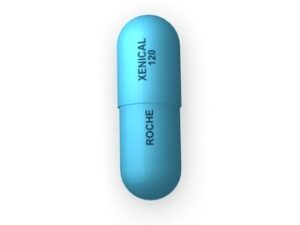
Orlistat is a medicine used to help with weight loss by reducing how much fat your body absorbs from food. It is available in the United Kingdom in different strengths and formats, commonly sold as an over-the-counter weight management option for eligible adults.
This page explains how Orlistat works, how to take it, what to expect, food interactions, safety information, and practical tips. It also includes guidance relevant to the UK market and commonly asked questions.
Quick facts
- Active ingredient: Orlistat
- How it works: Blocks part of fat digestion in the gut
- Common use: Weight loss support (typically with diet and exercise)
- Most important timing: Take with meals (or within 1 hour of meals)
- Key side effects: Mainly gut-related; depends on your fat intake
- Vitamins: May reduce absorption of fat-soluble vitamins (A, D, E, K)
Basic product information
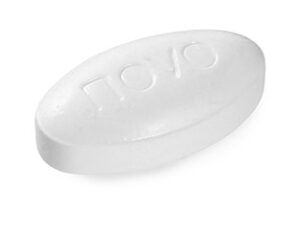
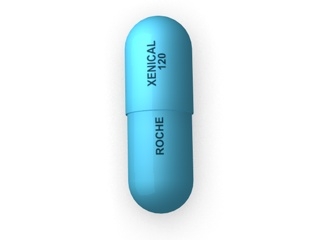
Orlistat is sold under various brand names and generic preparations. It is typically available as:
- Capsules or tablets: commonly with meals for weight management
- Different strengths: lower strengths are often available for pharmacy/over-the-counter use, while higher-strength versions may be prescription-only
Always check the product label and the Patient Information Leaflet supplied with your specific Orlistat product for exact strength, dosing instructions, and contraindications.
How Orlistat works (mechanism of action)
Orlistat works locally in the digestive tract. It belongs to a group of medicines called lipase inhibitors.
After you eat, fats are normally broken down by enzymes (including lipases) so they can be absorbed.
Orlistat inhibits these enzymes, which means:
- Less dietary fat is digested
- Less fat is absorbed into the bloodstream
- More fat leaves the body in the stool
Orlistat is designed to help reduce calorie intake from fats rather than directly reduce appetite or act on the brain. For best results, it works alongside: reduced dietary fat, calorie control, and regular activity.
Pharmacokinetics (how the body handles Orlistat)
Understanding pharmacokinetics can help explain why certain effects and interactions are more common. Orlistat has minimal systemic absorption. This means most of its action occurs within the gut.
- Absorption: Only a small amount enters the bloodstream.
- Distribution: Because absorption is low, systemic distribution is limited.
- Metabolism: A small fraction is metabolised, mainly in the gut wall and intestinal tissues.
- Excretion: The majority is eliminated via the faeces, with little appearing in urine.
Because Orlistat acts mostly locally, it typically has fewer whole-body (systemic) effects than medicines that act through the bloodstream. However, it can still affect nutrient absorption—particularly fat-soluble vitamins.
What Orlistat is used for (typical use and indications)
In the UK, Orlistat is used for weight loss support in adults with overweight or obesity. It is generally recommended as part of a managed weight programme that includes dietary changes and physical activity.
Common indications include:
- Weight loss in adults who are overweight
- Weight management to help reduce weight regain when combined with lifestyle measures
Some Orlistat products and strengths may have specific eligibility criteria based on body weight/BMI and local regulatory status. Always follow the product’s instructions and consult a healthcare professional if you are unsure whether Orlistat is appropriate for you.
When and how to take Orlistat (timing and dosing)
The most important rule for effective use is timing: Orlistat works on fat in the meal. If taken at the wrong time, it may be less effective and may increase side effects without improving results.
Typical adult dosing
Dosing depends on the strength of your product. Common regimens include:
- With each main meal (meals containing fat)
- Usually three times daily (breakfast, lunch, dinner), but only if you eat those meals
- Take within 1 hour of the meal
A common approach is:
- If you skip a meal or the meal contains no fat, you can usually skip the dose for that meal.
- Do not take extra doses to “catch up” if you miss one.
How to take it
- Swallow the capsule/tablet with water.
- Keep taking Orlistat consistently with your dietary plan.
- Check whether your product leaflet advises any specific instructions (e.g., with or after food).
Dose overview table
| Situation | What to do | Why |
|---|---|---|
| Normal main meal | Take Orlistat with the meal (within 1 hour) | Helps block digestion of meal fat |
| Meal is skipped | Skip the Orlistat dose for that meal | No meal fat to act on |
| Meal contains little/no fat | May skip that meal’s dose if leaflet advises | Less benefit; fewer gut effects if you skip |
| Dose is missed | Take the next scheduled dose | Avoid double dosing |
Food interactions and managing side effects
Orlistat’s side effects are often related to the amount of fat that reaches the bowel. That means your diet directly affects your experience. For many people, eating a lower-fat diet leads to fewer symptoms.
What to expect when eating fatty foods
- More fat passing into the intestine may increase digestive side effects
- These effects are usually more likely after high-fat meals
Practical dietary guidance
- Choose lower-fat options where possible
- Spread your meals across the day rather than having very large or fatty meals
- Read nutrition labels to estimate fat content
- Avoid “fat overload” meals if you want to minimise symptoms
Alcohol and Orlistat interactions
Orlistat itself is not known for a direct “dangerous” interaction with alcohol in the way some medicines are. However, alcohol can still affect weight management and health in general.
- Calorie contribution: Alcohol contains calories and may work against weight loss goals.
- Food patterns: Alcohol often comes with social meals that may be higher in fat.
- Stomach sensitivity: If you are prone to digestive upset, alcohol may worsen symptoms.
If you drink alcohol while using Orlistat, consider keeping to moderate amounts and avoid pairing it with high-fat foods. If you experience significant gastrointestinal symptoms, reduce alcohol intake and speak to a healthcare professional.
Medicine interactions (including key examples)
Because Orlistat has limited systemic absorption, many interactions are less common than with drugs absorbed widely. However, important interactions can occur via fat and nutrient absorption.
Common considerations
- Fat-soluble vitamins: Orlistat may reduce absorption of vitamins A, D, E and K.
- Oral contraceptives: Severe diarrhoea could potentially reduce absorption of oral medicines. If you develop severe diarrhoea, consider additional contraceptive precautions and seek advice.
- Diabetes medicines: Weight loss may improve glucose control, so blood sugar levels may change. This is especially relevant if you use insulin or oral glucose-lowering medicines.
Warfarin (blood thinner)
A notable interaction is with warfarin (and similar anticoagulants). Reports have suggested that the effect of warfarin can be altered when Orlistat is started or stopped, potentially changing bleeding risk.
- If you take warfarin or another anticoagulant, do not start Orlistat without medical guidance.
- Extra monitoring (such as INR checks) may be needed.
Other possible interactions
Orlistat may affect how well some medicines are absorbed, particularly if they are fat-soluble. Always check the leaflet for your specific product and ask a pharmacist if you take:
- Medicines containing fat-soluble nutrients
- Multiple long-term medicines
- Medicines requiring strict blood levels
For safety, tell your pharmacist or healthcare professional about all medicines you take, including over-the-counter products and supplements.
Safety profile: who should be cautious
Like all medicines, Orlistat can cause side effects. Many are gastrointestinal, and many depend on how much dietary fat you eat. Before using Orlistat, read the leaflet carefully.
Common side effects
- Oily spotting from the rectum
- Flatulence with discharge
- Urgency to have a bowel movement
- Changes in bowel habits (e.g., loose stools)
- Fatty or orange-coloured stools
These effects are usually more likely early in treatment and can improve over time as you adjust diet and portion sizes.
Less common but important effects
- Severe or persistent diarrhoea
- Signs of nutrient deficiency (especially if you do not take recommended vitamin supplements)
- Allergic reactions (e.g., rash, swelling, breathing difficulties—seek urgent care)
When to seek urgent advice
- Severe abdominal pain, persistent vomiting, or dehydration
- Blood in stool or black tarry stools
- Symptoms of allergy (swelling of face/lips, difficulty breathing)
Caution / not suitable for some people
Orlistat may not be suitable if you have certain conditions (for example, some chronic digestive disorders). It is also important to consider age, pregnancy, breastfeeding, and other medical conditions.
- If you are pregnant or breastfeeding, seek professional advice before use.
- If you have malabsorption or chronic bowel disease, ask a healthcare professional first.
- Speak to a pharmacist if you have kidney, liver, or gallbladder issues.
Vitamin and nutrition support (fat-soluble vitamins)
Because Orlistat reduces fat absorption, it can also reduce absorption of vitamin A, vitamin D, vitamin E, and vitamin K. This is especially relevant if your diet already lacks adequate nutrients or you use Orlistat for longer periods.
How to manage vitamins practically
- Many product leaflets recommend taking a multivitamin supplement that contains fat-soluble vitamins.
- To minimise the chance of vitamins being affected, supplements are often taken at least 2 hours after Orlistat.
- Choose a vitamin product appropriate for your needs and dosage guidance from the leaflet.
If you are taking warfarin or other anticoagulants, vitamin K intake and consistency are particularly important—seek professional advice.
Practical use tips for better results
- Plan meals: Take Orlistat only with meals; skipping doses for skipped/no-fat meals can reduce side effects.
- Keep fat lower: The best predictor of side effects is the amount of fat in your meal.
- Read labels: Hidden fats are common in processed foods and sauces.
- Hydrate: If you experience looser stools, drink water and maintain normal hydration.
- Track progress: Use waist measurements and weight trends, not just day-to-day fluctuations.
- Give it time: Weight loss is typically gradual; continue alongside diet changes and activity.
If you do not see any meaningful change after a few months of consistent use, speak to a healthcare professional about next steps. Some weight management plans set targets (for example, aiming for a certain percentage of weight loss) to evaluate whether treatment is working.
Alternative options (if Orlistat isn’t right for you)
Weight management approaches vary between individuals. Alternatives may include:
- Lifestyle changes: diet adjustments, structured calorie reduction, and regular physical activity
- Other weight-loss medicines: different mechanisms may be suitable for some people depending on BMI, health conditions, and tolerability
- Programme-based support: weight management services or medically supervised plans
A pharmacist or healthcare professional can help you compare options based on your health history and goals. If you experience troublesome side effects, switching approach may be considered.
UK market and legal context (general information)
In the UK, weight loss medicines are regulated under medicines legislation and made available according to their licensing status. Some Orlistat strengths are available from pharmacies for eligible adults, while other strengths or indications may require additional steps.
Availability may vary by:
- Strength and formulation (capsules/tablets)
- Licensed indication and eligibility criteria
- Current regulatory status and pharmacy supply rules
- Product availability by supplier
Always follow the instructions associated with the specific product you buy in the UK and keep within recommended limits.
Recent guidance (how to use Orlistat responsibly)
UK public health messaging consistently emphasises that medicines for weight loss work best alongside: healthy eating, activity, and behaviour change. If Orlistat is used, practical counselling typically includes:
- Taking the dose with the meal
- Reducing dietary fat to lower gastrointestinal side effects
- Considering vitamin supplementation
- Monitoring response and discussing next steps if progress is limited
If you have ongoing concerns, speak to a healthcare professional for personalised advice.
Delivery and availability in the United Kingdom
Orlistat availability in the UK typically includes pharmacy-supplied products that may be purchased through authorised online pharmacies. Delivery timelines depend on the supplier and dispatch schedule.
- Availability: Often available subject to stock levels
- Dispatch: Usually processed on working days
- Delivery: Commonly delivered within a few working days (varies by service)
- Packaging: Sent discreetly in secure packaging
For the most accurate details, check the online pharmacy’s delivery and returns policy.
Frequently Asked Questions (FAQ)
1) Does Orlistat work immediately?
Orlistat starts working from the first dose because it acts on fat digestion in the meal. Side effects related to fat in the stool may appear soon after starting, especially if your meals contain more fat than usual. Weight loss usually takes longer and depends on consistent diet and activity changes.
2) Will Orlistat make me lose weight without changing my diet?
Orlistat can help reduce fat absorption, but it is designed to support—rather than replace—dietary changes. If you continue a high-fat eating pattern, you may experience more gastrointestinal side effects and may not achieve your goals.
3) What if I miss a dose?
Take the next scheduled dose with your next main meal. Do not take two doses close together. If you skip a meal, you can usually skip that meal’s Orlistat dose.
4) Can I take Orlistat with any meal?
You should take Orlistat with main meals that contain fat. If a meal contains no fat or you skip the meal, there may be less benefit in taking Orlistat for that occasion. Follow the specific guidance in your product leaflet.
5) How should I manage the oily/urgent bowel effects?
These effects are often linked to dietary fat. Tips include lowering fat content, reducing portion sizes, and ensuring you take the dose as directed. Taking vitamin supplements at a separate time may also help overall nutrition.
6) Do I need to take vitamins?
Many product leaflets recommend taking a daily multivitamin containing fat-soluble vitamins (A, D, E, and K) during treatment. Often it’s advised to take vitamins at least 2 hours after Orlistat. If you’re on warfarin or have special nutritional needs, seek advice first.
7) Is Orlistat suitable for everyone?
No. Orlistat may not be suitable for people with certain medical conditions or circumstances (for example, some digestive disorders, pregnancy, or breastfeeding). Check the product leaflet and speak to a pharmacist if you’re unsure.
8) Can Orlistat interact with other medicines?
Yes, some medicines can interact. Key examples include warfarin, and potential issues if you have severe diarrhoea affecting absorption. Tell your pharmacist about all medicines and supplements you take.
9) Can I drink alcohol while using Orlistat?
There’s no widely known dangerous direct interaction, but alcohol may undermine weight loss goals and may worsen digestive discomfort for some people. Keep alcohol moderate and avoid pairing it with high-fat meals.
10) How long should I use Orlistat?
Duration depends on your response and your product’s licensed recommendations. If you are not losing weight or if side effects are troublesome, seek advice about continuing and alternative options.
Important safety reminder
Always read the Patient Information Leaflet supplied with your Orlistat product before use. If you have persistent symptoms, severe diarrhoea, signs of allergy, or any concerns about interactions or suitability, consult a qualified healthcare professional or pharmacist.