Isotroin (Isotretinoin) – Patient Guide (UK)
Isotroin contains isotretinoin, a medicine used to treat certain severe skin conditions—most importantly severe acne that can cause scarring. This guide explains how isotretinoin works, how it is used, what to expect, and the key safety points to help you use your medicine more confidently.
Please note: Isotretinoin is a powerful medicine. In the United Kingdom, it is supplied under strict rules because of its potential effects on pregnancy and because it requires careful monitoring during treatment. Your healthcare team will provide the specific plan that applies to you.
Basic product information
| Product name | Active ingredient | Common uses | Typical formulation |
|---|---|---|---|
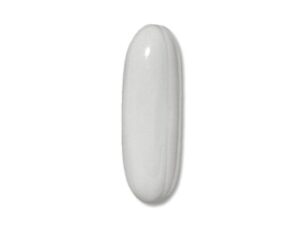
| Isotroin | Isotretinoin | Severe acne (including cystic acne) | Capsules (strengths vary by product) |
What it looks for: You may notice changes in your skin within weeks, but full results often take longer. Many people complete a planned course (sometimes followed by a further course if required).
How Isotroin works (mechanism of action)
Isotretinoin is a retinoid (a derivative related to vitamin A). It helps acne by targeting multiple causes of acne at once:
- Reduces sebum (oil) production from the skin’s oil glands.
- Helps prevent clogged pores by normalising how skin cells shed inside follicles.
- Reduces acne-causing inflammation and bacterial activity associated with acne.
- Reduces the size/activity of sebaceous glands, helping break the cycle of severe acne.
This “multi-action” approach is why isotretinoin is often considered when acne is severe, persistent, or scarring.
Pharmacokinetics (how the body handles it)
Understanding these points can help you take it correctly.
- Absorption: Isotretinoin absorption can be improved when taken with food—especially meals containing fat.
- Distribution: It distributes throughout the body, including the skin.
- Metabolism: Isotretinoin is converted in the liver into active and inactive metabolites.
- Elimination: It is eventually cleared from the body mainly via urine and faeces after metabolism.
- Half-life: The medicine and its metabolites persist for some time; this contributes to the “course” approach and to the need for caution around pregnancy prevention rules.
Your prescriber and pharmacist may use blood tests to monitor how your body is handling treatment (for example, liver function and blood fats).
What Isotroin is typically used for
Isotroin is indicated for severe acne, particularly when:
- Acne is cystic or nodulocystic
- There is a risk of scarring
- Acne has not responded adequately to other treatments (such as topical therapies and oral antibiotics) or when those options are not suitable
In some cases, isotretinoin may also be used for other severe acne-related conditions, depending on clinical judgement and local guidance.
When results are expected (timing)
Acne improvement with isotretinoin often follows a predictable pattern:
- First 1–2 months: Some people experience a temporary worsening or new breakouts (“initial flare”). This does not necessarily mean treatment is failing.
- After 2–6 months: Gradual improvement is commonly seen. Redness, tenderness, and new lesion formation usually reduce.
- By the end of the course: Many patients achieve significant clearing or near-clearing.
Scarring prevention is a key reason for earlier use in severe cases. If your skin is inflamed, painful, or breaking down, don’t delay discussing next steps with a clinician.
Food interactions (how to take it with meals)
Take isotretinoin with food if instructed by your healthcare team. Food can significantly improve absorption.
- Best practice: Take your dose with a main meal or a substantial snack.
- Consistency matters: Try to take it around the same time each day and with similar meals.
- If you miss a meal: Speak to your pharmacist for advice rather than taking it on an empty stomach.
If your prescribed regimen is once daily, it is usually linked to a daily main meal. If twice daily, it’s commonly taken with breakfast and evening meal. Follow your specific instructions.
Alcohol and medicine interactions
Alcohol
Because isotretinoin can affect blood fats (triglycerides) and liver function, it’s generally advisable to:
- Limit or avoid alcohol during treatment, especially heavy or binge drinking.
- Follow your clinician’s advice based on your personal risk factors and blood test results.
Other medicine interactions (important)
Some medicines can interact with isotretinoin or increase side effects. Always inform your clinician and pharmacist about:
- All medicines you take, including over-the-counter products
- Herbal supplements (particularly vitamin A or “anti-acne” supplements)
- Any long-term conditions and medications
Key interaction themes:
- Vitamin A and other retinoids: Avoid taking additional vitamin A or other retinoids while on isotretinoin unless specifically advised. Combining retinoids can increase the risk of toxicity.
- Antibiotics: Tetracycline antibiotics (such as doxycycline) may increase risk of rare but serious side effects related to pressure in the head/brain. Your prescriber will consider this carefully.
- Corticosteroids: If used, may contribute to bone/skin effects in some situations; your clinician will assess the benefit/risks.
- Blood sugar and lipid-lowering medicines: Isotretinoin can affect triglycerides and sometimes other lab values—this may influence medication needs.
- Phenytoin and some other medicines metabolised in the liver: There may be a need for caution and monitoring.
Do not start or stop medicines during isotretinoin treatment without checking first.
Dosing and how to use Isotroin
Dose is individualised based on your condition, severity, and tolerability. A common approach is weight-based dosing over a planned period. Your healthcare team will provide exact instructions.
Common dosing principles
- Strength: Isotroin capsules come in different strengths; your dose will depend on the product available and your plan.
- Schedule: Often taken once or twice daily depending on the regimen.
- Course duration: Treatment is typically given for a number of months rather than days.
- Adjustment: If side effects are troublesome, your prescriber may adjust the dose or provide supportive measures.
How to take:
- Swallow the capsule whole with water.
- Take with food as instructed.
- Keep a consistent daily routine.
If you miss a dose
Follow your local guidance or the advice from your pharmacist/doctor. In general, if you realise it soon after the scheduled time, you may take it as directed with food; if it’s close to the next dose, skip the missed one rather than doubling.
Safety profile: what to watch for
Isotretinoin has a well-known safety profile, but it can cause side effects that require proactive management. Many side effects are related to dryness and changes in skin/mucous membranes.
Common side effects
- Dry lips (cheilitis), lip cracking, discomfort
- Dry skin and mild irritation
- Dry eyes, eye irritation
- Dry nose, nosebleeds (especially in dry environments)
- Flare-up of acne early in treatment
- Muscle and joint aches
- Slightly increased sensitivity to sunlight
- Hair changes (sometimes)
Less common but serious warnings
- Severe allergic reactions: seek urgent help if you develop swelling of face/lips, breathing difficulty, or widespread rash.
- Severe headache, vision changes, nausea/vomiting: contact urgent medical services as these can be signs of a rare serious condition involving pressure in the head.
- Severe mood or behaviour changes: report promptly to a clinician; mental health monitoring is important.
- Signs of liver problems: unusual tiredness, dark urine, yellowing of skin/eyes, or severe abdominal pain require urgent assessment.
- Signs of very high triglycerides: severe abdominal pain or pancreatitis symptoms require urgent care.
Pregnancy-related risks are critical. Isotretinoin can cause severe birth defects if taken during pregnancy. In the UK, pregnancy prevention rules are strictly enforced for patients and partners of patients who could become pregnant.
Practical tips for day-to-day use
Many side effects can be reduced with preparation and gentle skincare. These tips are commonly recommended by clinicians:
- Moisturise regularly: use a gentle, fragrance-free moisturiser.
- Lip care: use a bland emollient or lip balm frequently throughout the day.
- Use sunscreen: choose a broad-spectrum SPF and reapply as needed. Avoid excessive sun or sunbeds.
- Eye comfort: consider lubricating eye drops if you experience dryness (ask your pharmacist if you’re unsure).
- Gentle cleansing: avoid harsh scrubs, exfoliating acids, and abrasive cleansers unless advised.
- Avoid waxing/laser where appropriate: skin can be more fragile during treatment; seek advice before hair removal procedures.
- Hydration and activity: drink enough fluids and discuss exercise plans if you get joint/muscle aches.
- Track side effects: keep notes on dryness, headaches, mood changes, and any unusual symptoms to discuss at reviews.
Acne skincare: Treat your skin gently. If you’re using other acne products (like benzoyl peroxide or topical antibiotics), your clinician may recommend what to continue and what to pause.
Blood tests and monitoring (what to expect)
Monitoring helps identify potential problems early. Typical checks may include:
- Blood fats (for example triglycerides)
- Liver function tests
- Full blood count (sometimes)
- Pregnancy prevention checks for patients where required by UK risk management rules
Your clinician will explain the schedule and what to do if results change. If you experience symptoms such as severe abdominal pain, yellowing of skin/eyes, or severe headaches, contact a healthcare provider immediately.
Alternative options for severe acne
Depending on your skin type, severity, and previous treatments, alternatives may include:
- Topical treatments: benzoyl peroxide, topical retinoids, topical antibiotics, azelaic acid.
- Oral antibiotics for selected cases, typically for limited durations alongside topical therapy.
- Hormonal therapy (for some patients): certain combined oral contraceptives or anti-androgen medicines may help in acne related to hormone changes.
- Other procedures: comedone extraction, chemical peels, or certain light/laser therapies (selected cases and under clinician guidance).
- For scarring prevention: early specialist assessment may be recommended to reduce the risk of permanent marks.
Your pharmacist and clinician can discuss which option is most appropriate for your situation.
United Kingdom: market and legal context (what matters for patients)
In the UK, isotretinoin-containing medicines are subject to stringent risk management because of:
- High teratogenic risk (risk of severe birth defects)
- Need for monitoring for laboratory values and side effects
- Ensuring safe prescribing and dispensing
As a result, isotretinoin is commonly managed through structured frameworks requiring documentation and pregnancy prevention measures for those who can become pregnant, alongside education and monitoring. The exact process can vary depending on the product and current policy updates.
Recent guidance and safety updates: Clinicians in the UK follow current prescribing and monitoring recommendations issued by professional bodies and regulatory authorities, including reinforcement of pregnancy prevention, risk assessment, and patient education.
Delivery and availability (online pharmacy in the UK)
Availability of Isotroin may vary by supplier and capsule strength. When ordering through a UK online pharmacy:
- Stock status: products may be in stock immediately or may require short supplier lead times.
- Packaging: medicines are typically supplied in secure pharmacy packaging.
- Tracking: many deliveries offer tracking updates.
- Age and identity checks: required healthcare regulations may apply.
Delivery times: delivery can vary by location and courier service. Your pharmacy checkout typically shows the estimated delivery window. If there are stock delays, you should be contacted promptly with options.
FAQ
1) How long does a course of Isotroin usually last?
Courses are planned individually, often over several months. Duration depends on the prescribed dose, your body weight, your response, and tolerability.
2) Will my acne get worse before it gets better?
Some people experience an initial flare within the first weeks. This is relatively common and does not necessarily mean the medicine isn’t working. Contact your clinician if the flare is severe or you feel unwell.
3) What can I do about dry lips and dry skin?
Use a bland lip emollient frequently, moisturise regularly, and avoid harsh cleansers. Sunscreen and gentle skincare help reduce irritation. If symptoms are severe, ask your pharmacist for suitable products.
4) Can I wear makeup or use skincare products while taking it?
Generally, yes—choose gentle, non-irritating products and avoid strong exfoliants or aggressive acne washes unless advised. Keep routines simple during the dry phase.
5) Is it safe to drink alcohol on Isotroin?
It’s usually recommended to limit or avoid alcohol because isotretinoin may affect liver function and blood fats. Ask your clinician for personalised advice.
6) Can I take vitamin supplements while on Isotroin?
Avoid taking supplements containing vitamin A or other retinoids. Check any supplement labels and ask your pharmacist if you’re unsure.
7) What about exercise and muscle/joint pain?
Some people experience aches. If discomfort is mild, gentle activity and hydration may help. For severe pain, weakness, or symptoms that worry you, contact a clinician.
8) Are contact lenses or eye drops a problem?
Dry eyes can occur. Lubricating eye drops may help. If you wear contact lenses, you may need to switch to glasses temporarily if dryness becomes significant.
9) What if I become pregnant or my partner might become pregnant?
Isotretinoin can cause severe harm to an unborn baby. Pregnancy prevention rules are essential in the UK. If pregnancy is possible, speak to your healthcare team immediately for urgent guidance.
10) What should I do if I experience severe headaches or vision changes?
Seek urgent medical advice promptly. These can be symptoms of a rare but serious condition and should not be ignored.
Need personalised advice? If you have questions about timing, side effects, or medicines you currently take, consult your pharmacist or healthcare professional. They can help you use Isotroin safely and effectively.