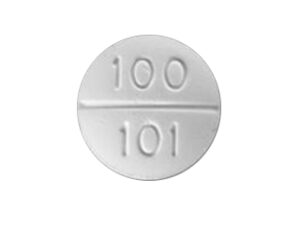


Xifaxan (Rifaximin) — Patient Guide (UK)
Xifaxan is a brand of rifaximin, an antibiotic used to treat certain gut-related conditions. It belongs to a group of medicines called rifamycins. In the UK, rifaximin is used for specific indications and is generally characterised by limited absorption into the bloodstream, meaning it mainly acts within the gastrointestinal tract.
This guide is written to help you understand what Xifaxan is, how it works, how to take it safely, and what to expect. Always follow the advice provided by your healthcare professional and the information in the medicine’s pack or leaflet.
Basic product information
- Medicine name: Xifaxan
- Active ingredient: Rifaximin
- Medicinal type: Antibiotic (rifamycin)
- Where it works: Primarily in the intestines
- Typical presentation: Tablets (strengths vary by country/pack)
Because medicines and pack strengths can differ, check the exact strength on your packaging and confirm your dose with your clinician.
How rifaximin works (mechanism of action)
Rifaximin is designed to act locally in the gut. It works by inhibiting bacterial DNA synthesis. More specifically, it interferes with the bacterial enzyme responsible for forming RNA (a key step in bacterial growth and survival).
By limiting the growth of specific bacteria in the intestines, rifaximin can help reduce symptoms linked to gut dysbiosis or bacterial overgrowth (depending on the condition being treated).
Pharmacokinetics (how the body handles Xifaxan)
One of the notable features of rifaximin is that it is minimally absorbed after oral dosing.
- Absorption: Low systemic absorption; most activity remains within the gastrointestinal tract.
- Distribution: Because absorption is limited, systemic distribution is generally minimal.
- Metabolism: Limited, with the medicine largely acting in the gut.
- Excretion: The majority is excreted in the faeces.
These properties help explain why rifaximin can be effective with lower levels of antibiotic exposure elsewhere in the body than some other antibiotics.
Typical uses in the UK
In the UK, Xifaxan (rifaximin) is used for specific approved indications. Common clinical uses include treatment of conditions where gut bacteria play a role, such as:
- Hepatic encephalopathy (episodes of confusion or impaired thinking due to liver disease), often as prevention/management in selected patients.
- Diarrhoea associated with certain types of gut imbalance (depending on the approved indication and local prescribing practice).
- Other gut-related bacterial conditions as determined by local clinical guidelines and the product’s approved use.
Indications and eligibility can vary depending on your symptoms and medical history. If you’re not sure why Xifaxan was chosen for you, ask your pharmacist or clinician for clarification.
When and how to take it (timing)
Always take Xifaxan exactly as advised in your treatment plan. Timing matters less than taking your doses consistently, but the following general points apply:
- Try to take doses at evenly spaced times (e.g., morning and evening for twice daily schedules).
- Complete the full course unless your prescriber advises you to stop.
- If you miss a dose: take it when you remember unless it is close to the next dose. Do not take a double dose to make up for a missed tablet.
If you have difficulty swallowing tablets, speak to your pharmacist for practical advice (do not alter the tablet unless instructed).
Food interactions and what to eat
Rifaximin is often considered suitable to take with or without food, because its main action is within the gut and absorption is limited. However, individual instructions may vary based on your specific formulation and clinical guidance.
- General approach: You may be able to take it with a meal to improve tolerability.
- Consistency helps: Take it the same way each day (with or without food) to keep your routine simple.
- If advised otherwise: follow the instructions provided with your medicine.
If you experience stomach upset, nausea, or bloating, your pharmacist may suggest strategies such as taking with food or adjusting the timing within your daily routine.
Alcohol and medicine interactions
Alcohol
There is no universally applicable “no alcohol at all” rule for rifaximin in all patients. However, alcohol can worsen liver problems and may make underlying conditions more difficult to manage—particularly in people being treated for hepatic encephalopathy.
- If you have liver disease: it is especially important to limit or avoid alcohol unless your healthcare team says otherwise.
- During treatment: consider avoiding alcohol to reduce stress on the digestive system and overall health.
Other medicines
Because rifaximin has low systemic absorption, many drug interactions are less likely than with medicines that are extensively absorbed. That said, interactions can still occur—especially with medicines that affect gut flora or intestinal transport pathways.
Tell your healthcare professional about all medicines you take, including:
- Prescription medicines
- Over-the-counter medicines (including cold/flu remedies)
- Herbal products (e.g., St John’s wort)
- Supplements
Your pharmacist can check for interactions for your specific regimen. This is particularly important if you take multiple medicines for chronic conditions.
Indications and clinical context
Xifaxan (rifaximin) is used in defined clinical scenarios where bacteria in the gut contribute to symptoms or disease severity. In practice, it may be chosen when:
- There is evidence or concern of bacterial-driven symptoms
- Short-term or targeted antibiotic therapy is considered appropriate
- Longer-term management is needed in selected patients (where clinically supported)
Your prescriber will tailor treatment to your diagnosis, severity, and risk factors. The same medicine can be used in different ways for different people, so ensure you understand your specific plan.
Dosing (general guidance)
Dose depends on the indication, your age, kidney/liver status, and whether you are treating an active episode or preventing recurrence.
Important: Use the dose on your label and follow your clinician’s instructions.
Common dosing patterns (for information only)
Below are general examples of how rifaximin regimens are used in clinical settings. Your exact schedule may differ.
- For some hepatic encephalopathy regimens: doses are often taken two times daily or per a structured schedule used in local practice.
- For certain gut-related diarrhoea or bacterial imbalance conditions: regimens may be taken three times daily or twice daily for a defined number of days.
Because packs and approved dosing schedules may vary, always confirm your exact dose and duration from your medicine label or the information supplied by your healthcare team.
Safety profile and who should take extra care
Common side effects
Many people tolerate rifaximin well. Possible side effects include:
- Gastrointestinal symptoms such as abdominal discomfort, nausea, or bloating
- Changes in bowel habits (e.g., constipation or diarrhoea)
- Headache
If side effects become troublesome, contact your pharmacist for advice.
Serious but less common risks
As with any antibiotic, rare serious reactions can occur. Seek urgent medical advice if you develop:
- Signs of allergy (swelling of face/lips, difficulty breathing, severe rash)
- Severe or persistent diarrhoea (especially watery or bloody), fever, or significant abdominal pain
- Unexplained bruising or bleeding
Special populations
- Liver impairment: Because rifaximin may be used in liver-related conditions, clinicians consider your liver function carefully.
- Kidney impairment: Low absorption often reduces systemic exposure, but your healthcare professional will still consider your overall situation.
- Pregnancy and breastfeeding: The appropriateness of rifaximin in pregnancy or while breastfeeding depends on the indication and risk–benefit assessment. Discuss with your clinician.
- Children: Use in children depends on the approved indication and local guidance.
Practical use tips (how to get the most from your course)
- Stick to your schedule: Set reminders to avoid missed doses.
- Keep tablets in original packaging: Protect from moisture and store at the temperature stated on the pack.
- Don’t stop early: Stopping a course too soon can reduce effectiveness (unless advised due to side effects).
- Track symptoms: If you’re treating recurring symptoms (e.g., encephalopathy risk), note changes so your clinician can review your response.
- Hydration matters: If you’re treating diarrhoea or have stomach upset, drink fluids as advised.
- Report worsening symptoms: If symptoms deteriorate or fever develops, seek medical advice promptly.
Antibiotic stewardship: finishing the course and reducing resistance
Antibiotics should be used only when appropriate. Completing your prescribed course helps reduce the risk of incomplete bacterial eradication and recurrence.
If you experience symptoms not typical for your condition, or you think the treatment is not working, contact a healthcare professional—don’t self-adjust the dose.
Alternative options
The most suitable alternative depends strongly on the condition being treated. Possible options (to discuss with your clinician) may include:
- Different antibiotics used for bacterial overgrowth or diarrhoea (choice depends on suspected organisms and local guidance).
- Non-antibiotic therapies such as treatments that support the underlying cause (e.g., liver-based management strategies in hepatic encephalopathy).
- Supportive care including hydration, dietary approaches, and management of contributing factors.
If rifaximin isn’t appropriate for you, your healthcare professional can explain the reasons and suggest alternatives aligned with UK clinical guidelines.
UK market and legal context
Xifaxan (rifaximin) is available in the UK under regulatory frameworks set by medicines authorities. Availability and prescribing pathways can vary by indication, local formularies, and treatment guidelines.
In the UK, antibiotics are regulated and dispensed according to applicable rules designed to promote safe use and limit antimicrobial resistance. Your online pharmacy should provide clear information about the medicine, how it should be used, and how to get help if you have questions.
Recent guidance (general overview)
UK and international healthcare bodies continue to emphasise:
- Targeted antibiotic use for appropriate indications
- Review of response during treatment where clinically relevant
- Monitoring for side effects, especially persistent diarrhoea or signs of intolerance
- Antimicrobial stewardship to minimise resistance development
For the most up-to-date guidance on your specific condition, your clinician can refer to the latest local recommendations.
Delivery and availability (UK online pharmacy)
Availability can vary by pack size and supply. When ordering from an online pharmacy, delivery timelines depend on:
- Stock status at the time of order
- Your postcode area and chosen delivery option
- Whether the pack is routinely stocked or needs sourcing
To avoid delays, ensure your delivery address is correct and include any required details requested during checkout.
Tip: If you’re planning around a course start date, order early so you don’t run out.
Product comparison at a glance
| Feature | Xifaxan (Rifaximin) |
|---|---|
| Type | Antibiotic (rifamycin) |
| Main site of action | Gastrointestinal tract |
| Absorption | Low systemic absorption |
| How it works | Inhibits bacterial DNA/RNA-related processes |
| Typical use | Specific gut/liver-related indications |
| Food | Often taken with or without food; follow pack instructions |
FAQ
1) What is Xifaxan used for?
Xifaxan (rifaximin) is used for specific conditions where gut bacteria are involved. In the UK, it is commonly used for hepatic encephalopathy and certain gut-related indications, depending on clinical suitability and the approved use.
2) How long does a course of Xifaxan usually take?
Course duration depends on the condition being treated and your dosing schedule. Check your label or treatment plan for the exact duration.
3) Can I take Xifaxan with food?
In many cases, rifaximin can be taken with or without food. If your label or leaflet says otherwise, follow those instructions. Taking with food may help some people tolerate it better.
4) What should I do if I miss a dose?
Take it as soon as you remember, unless it is close to the next dose. Do not take a double dose. If you’re unsure, ask your pharmacist.
5) Will alcohol interfere with rifaximin?
Alcohol may be unwise—especially if you have liver disease. While rifaximin doesn’t have an automatic “absolute alcohol ban” for everyone, limiting alcohol is a good safety choice. Seek personalised advice if you drink alcohol regularly or have liver problems.
6) Are there interactions with other medicines?
Some interactions are possible. Because rifaximin has low absorption, many interactions are less likely, but it’s still important to inform your healthcare professional about all medicines and supplements you use.
7) What side effects are most common?
The most common side effects are usually mild and can include nausea, abdominal discomfort, bloating, headache, or changes in bowel habits.
8) When should I seek urgent help?
Seek urgent medical advice if you develop signs of an allergic reaction (such as swelling or difficulty breathing) or if you experience severe/persistent diarrhoea, fever, or severe abdominal pain.
9) Can Xifaxan be used long-term?
For some indications, clinicians may use rifaximin beyond a short course in selected patients. Long-term suitability depends on your diagnosis, response, and ongoing monitoring.
10) What can I do to improve outcomes?
Take the medicine at the same times each day, finish the course as advised, and follow your broader care plan (dietary measures and management of underlying conditions). If symptoms do not improve or worsen, contact a healthcare professional.
Need more help?
If you have questions about how to take Xifaxan, potential side effects, or interactions with your current medicines, speak to a pharmacist. They can provide advice tailored to your situation.